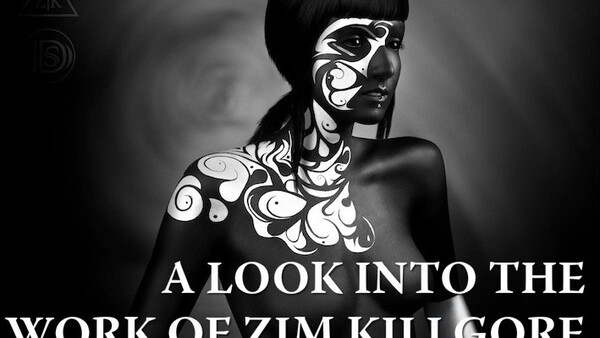
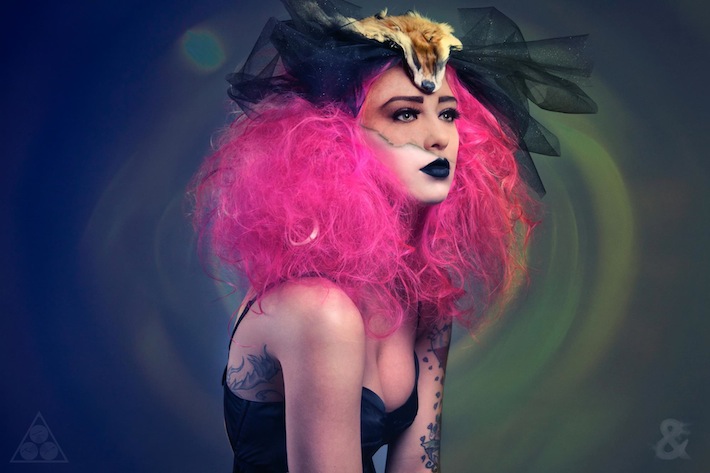
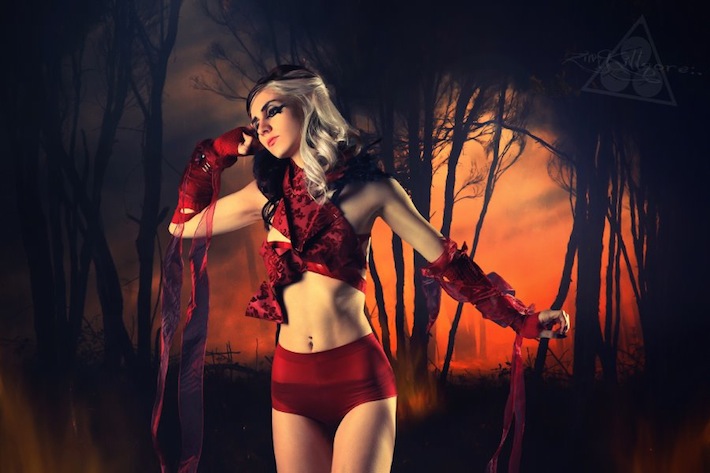
When I first got into portrait photography, I saw his work and I wanted to be Zim Killgore. Years later, I still have inspiration folders that are filled with his stuff. I've always been interested in his work because its nothing like anything I've ever seen before. Its a fresh take on portrait photography, that encourages you to just sit down and stare at it.
I have had the opportunity to work with Zim Killgore on a couple shoots, and we’ve spoke many times since then. So recently, I was able to sit down and talk to him about the process that goes into his art.
1. So tell me Zim, how did you get started in photography?
I had a job 6 years ago which I was often able to travel around the United States. I had never owned a camera before then and I really wanted to document my travels I was about to embark on. A friend at the time told me to get a DSLR camera so I can change out the lenses if I encountered scenarios in which a longer millimeter lens would come in handy. He had a Canon 5D at that time so I took a piece out of his knowledge and had bought the same camera. I completely sucked at photography and it annoyed me to the point where I wanted to get better at it. It eventually turned into a love and the rest is still being written.
2. So you have no formal training in photography or photoshop?
None what so ever. I taught myself and felt it has be more personal and rewarding. Although it would have been nice to learn what the tools did and touch base on what a lot of them could do. I feel like if you are taught to shoot a certain way, or edit a certain way, it dampers your own artistic flare that would come naturally with learning on your own. Obviously it isn't the case for everyone, some people learn better from others showing them and some people learn by doing it themselves.
3. Of the skills that you've taught yourself, what have you found to be most useful?
Since I shoot in RAW, colors and balance isn't too critical to me. So I guess learning how to utilize the histogram would be the most useful. Knowing that light equals lots of data and blacks are lack of data, allows me to manipulate them easier in post. Now the best skill in photoshop that I've learned would be color toning, that makes or breaks photos for me. I feel that my colors receive the most compliments when I post a photo.
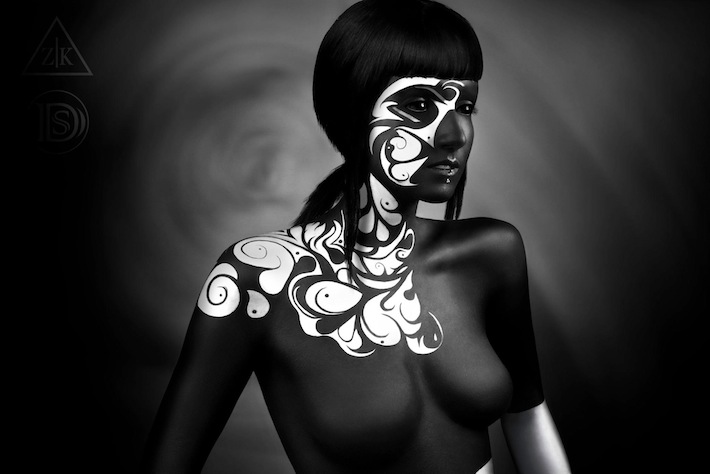
4. Walk us through your process when it comes to your concepts for shoots.
Inspiration comes to me from every source of data that can enter my mind. Visuals, Sounds, Touch. So when I come up with a concept, I try to think of everything that needs to be in the photo:
What is the character wearing and can I make it?
What does the location look like and what will look similar to it?
What type of lighting is involved?
Then I think of the technical side as to what gear and lenses I need. I think the easiest way for me to come up with a concept is finding the clothing first and creating an image in my head that will go with that item.

5. Any advice to give aspiring photographers to help develop their own style?
Like any other art, photography is all about experimenting. Don't be afraid to make the whole camera manual. Put the dial on K and change the color kelvin around, throw it on manual and select your own settings. I found that if you experiment on your own time with other types of photography, it opens up new ideas and possibilities. I never thought I could do a long exposure shot during the day while using flash and have it turn out to be a really cool effect until I just simply tried it. Opening new doors to ideas allows you to move forward with photography and possible clientele. So just go out, explore new tools, try new techniques, and have fun! Failure should never be feared, it should be embraced. You can always learn from it.
You can view more of Zim Killgore's work at his website, and be sure to check out his assistant and photography partner Darshelle Stevens as well.




19 Comments
ooh, brushed out nipples :). the pictures are great, but i think we should praise the make-up artist more than the photographer in this case
The bodypaint work is often done by Zim Killgore and Darshelle Stevens as well....
cool
So basically, buy a top of the line DSLR, buy Photoshop, and start winging it with both while having no real concern for technique? OK, great advice!
But, just in case I'm not grasping this fully. Add lens flare, post production makeup effects, highly saturated colors, plastic skin, and ampersand/triangle watermark, poorly composited backgrounds with fire and birds and you can have an interview on fstoppers? K, see ya in a week for my article.
If you think that your work is worthy for a feature on fstoppers, please send me an email with examples... My information can be found on my website at http://zsuttonphoto.com
+1 Zach. I felt the article was well done. Love the artist's vision.
Great reply, Zach. Should go to all the haters in this thread.
HATER! GREAT WORK, SCREW THIS GUY!
nice!
more artists bringing in their own personal approach on 'photo-art'. Cant wait to see what you have for us.
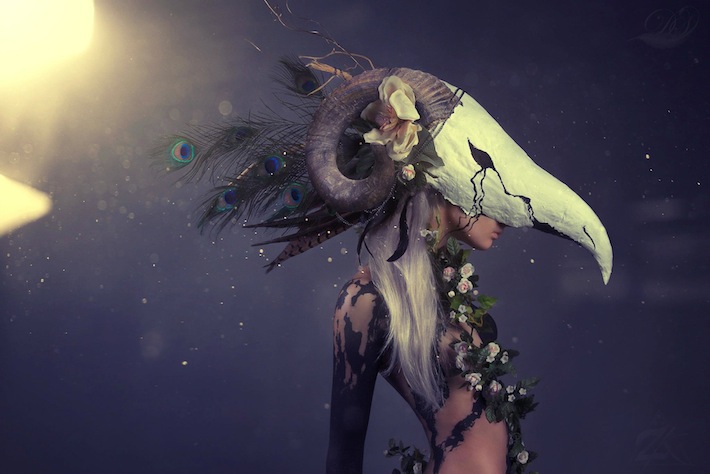
Is it just me or is the blending between subject and overly-out-of-focus background really fake in most of these shots? I like what he tried to do, the style is good, but the execution is a bit poor.
You are spot on, these are very poorly executed.
It's like he made an attempt to merge Leibovitz and LaChapelle, but didn't follow through.
You guys can both eat a bag of dicks.
now, most people don't like to eat dicks...not like your mum, anyway...
But they all look like so-so green screen shots heavily photoshopped with liberal application of the Portraiture plugin.
Apparently I'm missing something here...
it's great to see others work and how they did it! useful information shared by an artist. great stuff!
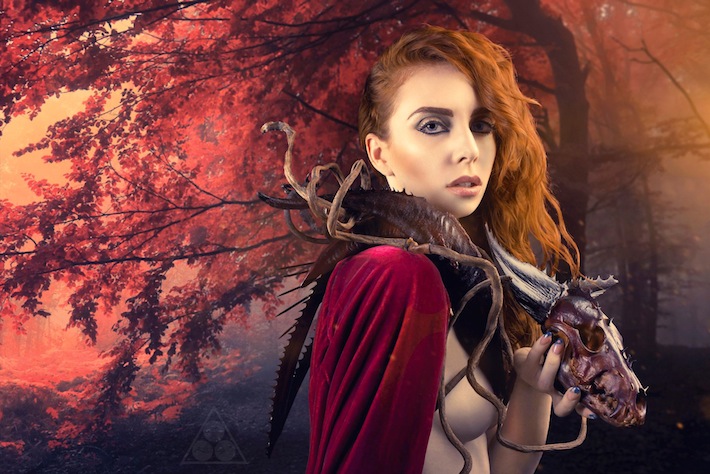
The shots in which he didn't try to do too much were the best ones. They definitely look over-composited. The skull shot, however, I thought was quite good.
If you all take a look at his website port, you'll find more "natural" shots. I think it's great that he's pushing the envelope because it shows he loves what he's doing...and it supplies us with plenty of inspiration. He's one of those artists that finds pleasure in making dreams a reality, and it's wonderful.
while I would not call any of this work bad it not what I would call overly impressive. But hats off to him for chasing his dream.
I think some of the comments were needlessly trollish....to each their own, but the article was about looking at his work & an interview with the photographer, it really wasn't about whether y'all liked his work or not. Inspiration comes from many different inputs including art that we may not be particularly fond of. I guess it's easier to be the critic rather than being the one that's being critiqued.