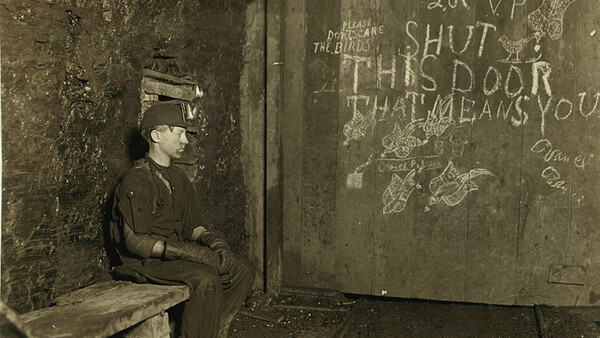
Working as an investigative photographer for the National Child Labor Committee (NCLC), Lewis Hine (1874-1940) portrayed working and living conditions of children in the United States between 1908 and 1924. The Library of Congress' National Child Labor Committee Collection includes more than 5,100 photographs that came with the records of the organization. Many of the pictures are familiar, but others are relatively unexplored.
Do some of the pictures seem heavy-handed? This was definitely photography with a purpose: to support the NCLC's efforts to promote the "rights, awareness, dignity, well-being and education of children and youth as they relate to work and working." Hine traveled to many parts of the United States, documenting children at work in factories, fields, and doing piece work at home. He also used the photographs to portray the consequences of child labor, including its impact on the health, safety, and education of the next generation. In some cases, the photographs suggest solutions, including organized and healthful activities for the nation's youth.

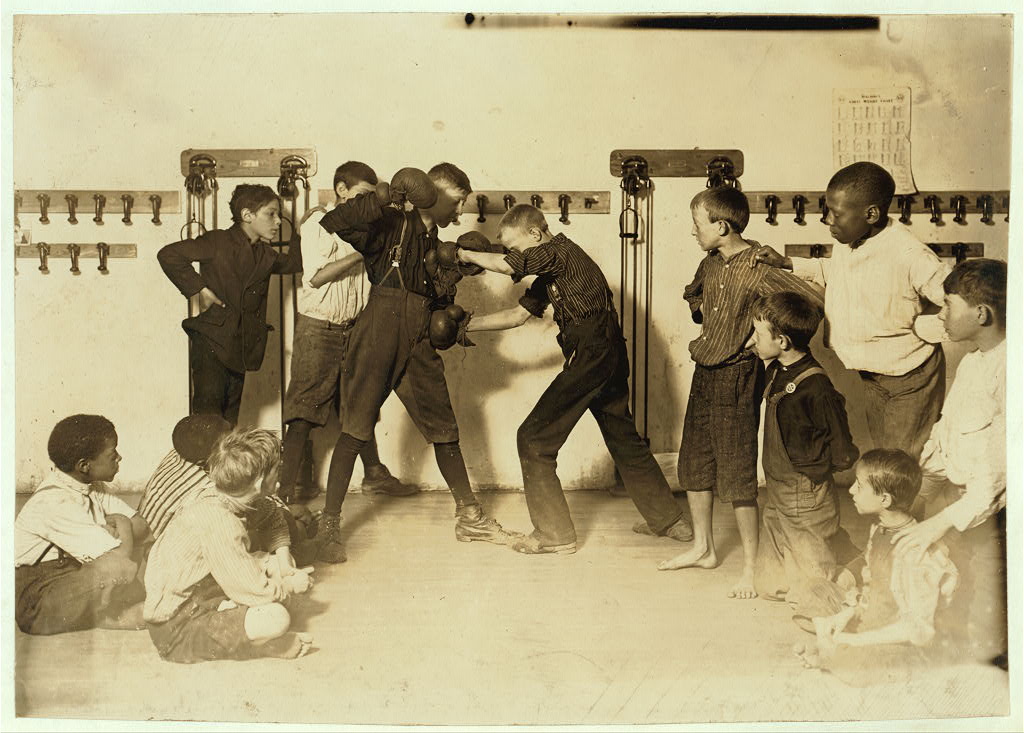
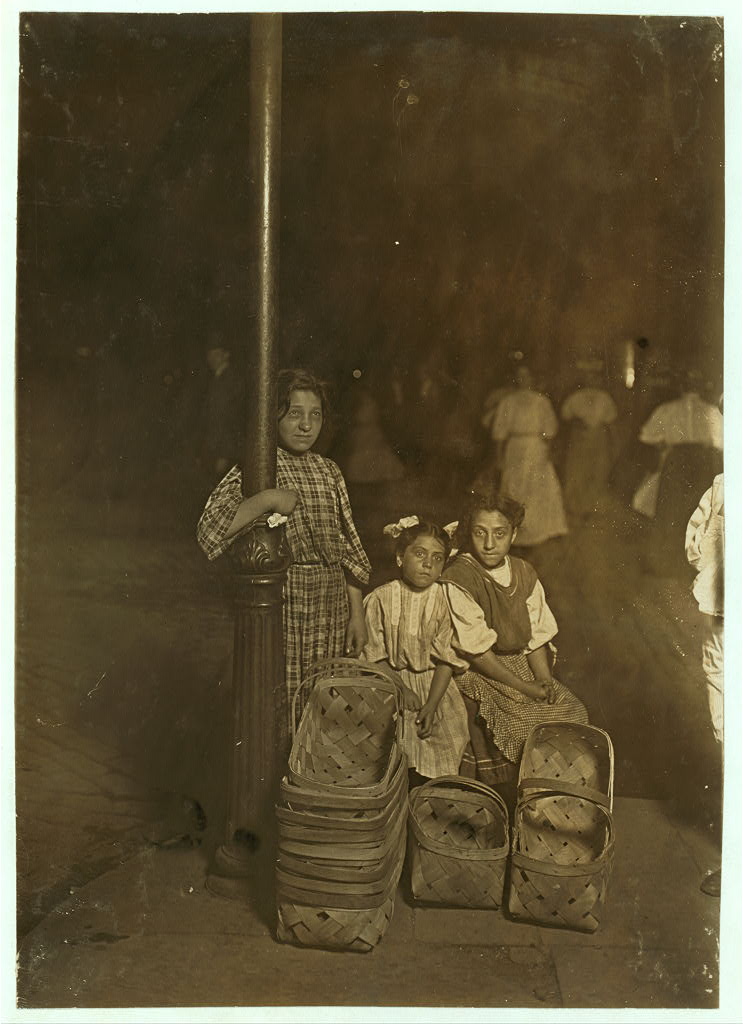
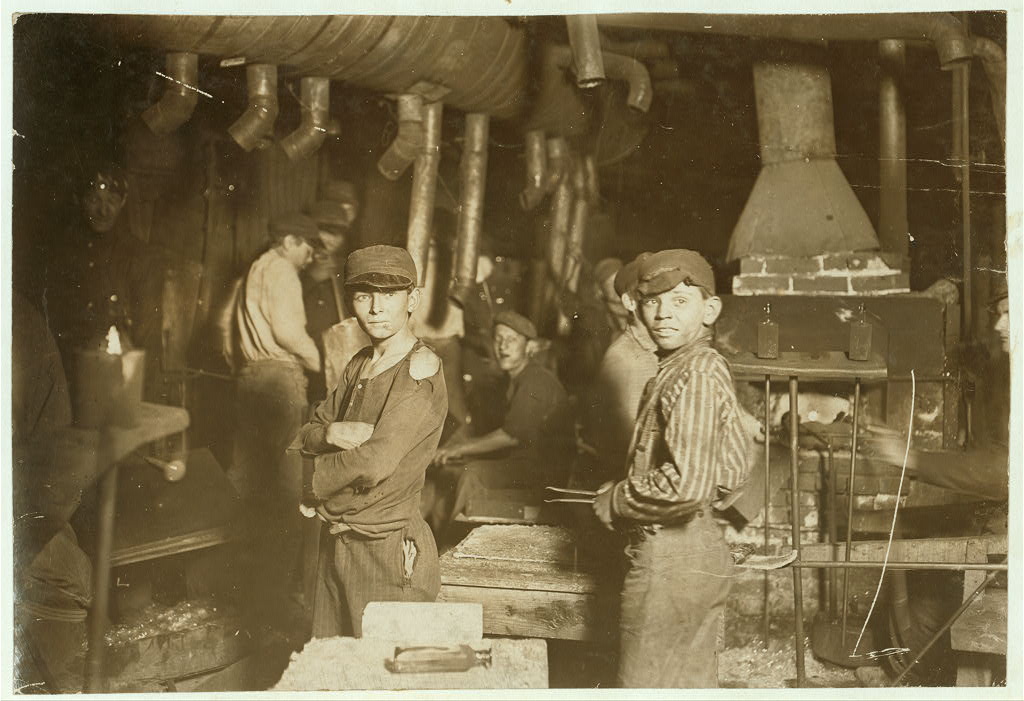

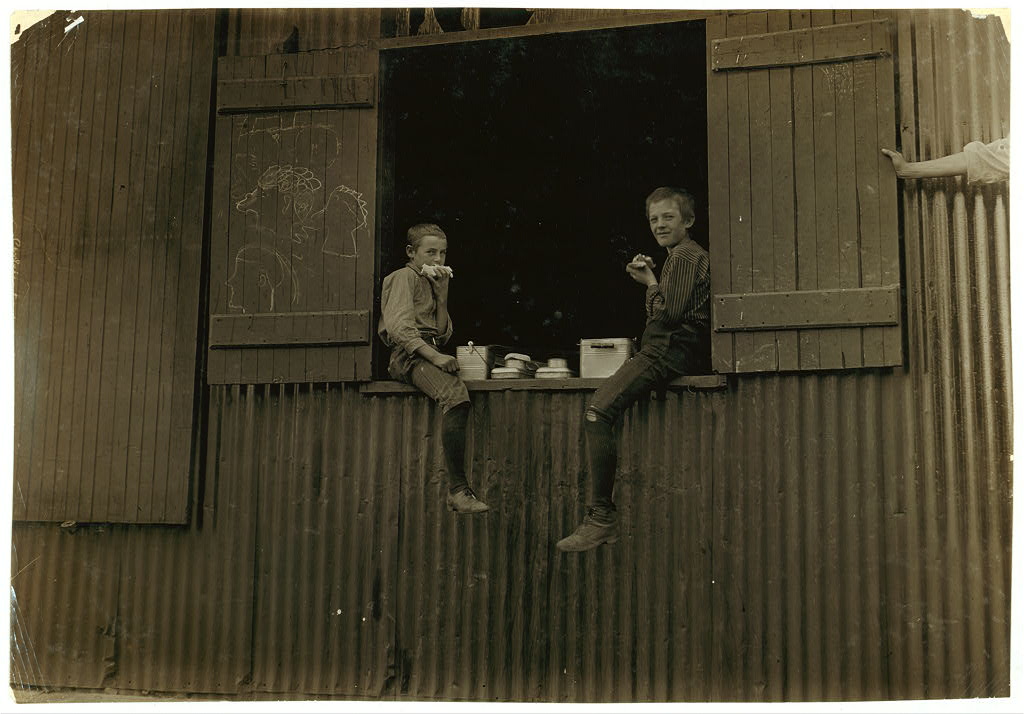
The conditions Hine operated under were far from ideal. He referred to his work as "detective work," and his captions often provide details of the names, ages, hours, and wages of the people he photographed, as well as the name of a "witness" who accompanied him. Supervisors and workers frequently regarded him with suspicion. Hurried work under these conditions may explain why some information Hine recorded has proven inaccurate.
It's evident in many of the photographs that the workers were highly conscious of the camera. Nevertheless, Hine sometimes caught unguarded moments and playful interaction, as well as many memorable faces. Hine also used photographs to show what wasn't there—for example, an almost-empty school at harvest time. And sometimes, whatever the photographer intended, the people in the photograph simply saw the occasion as an opportunity for a family portrait.
Did people see the photos at the time? The NCLC made a concerted effort to show the pictures to the public, including them in its own publications and placing them in newspapers and progressive publications. The photos also appeared in stereopticon slide shows and in displays that the NCLC circulated.


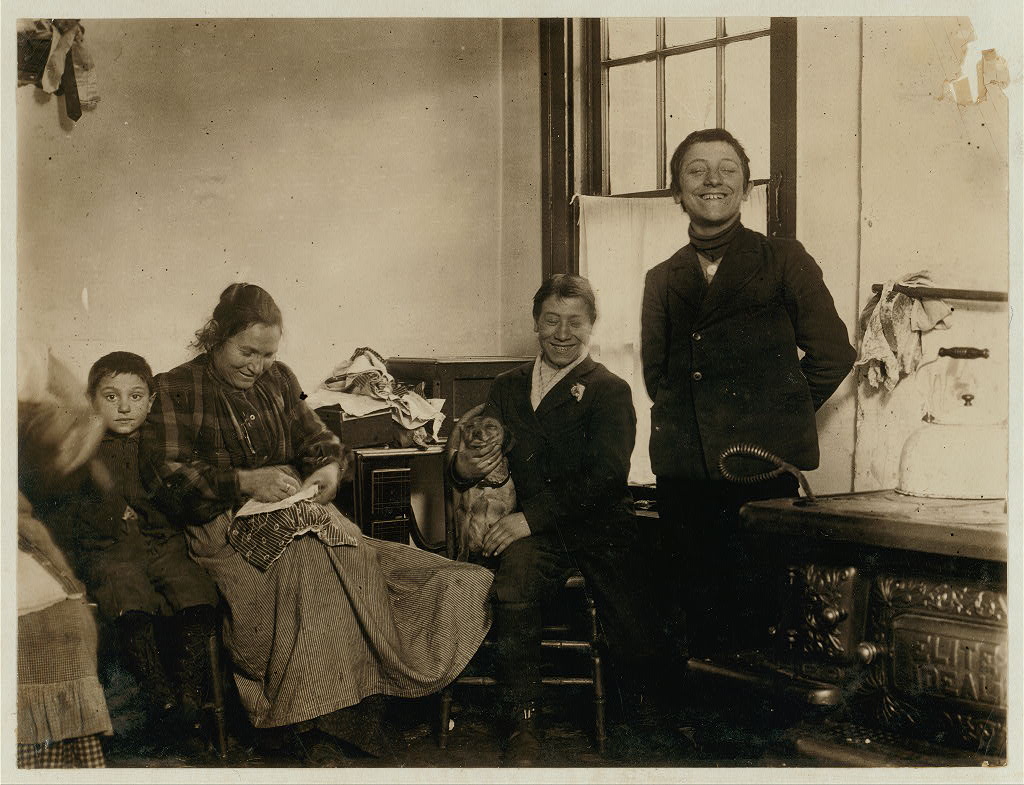
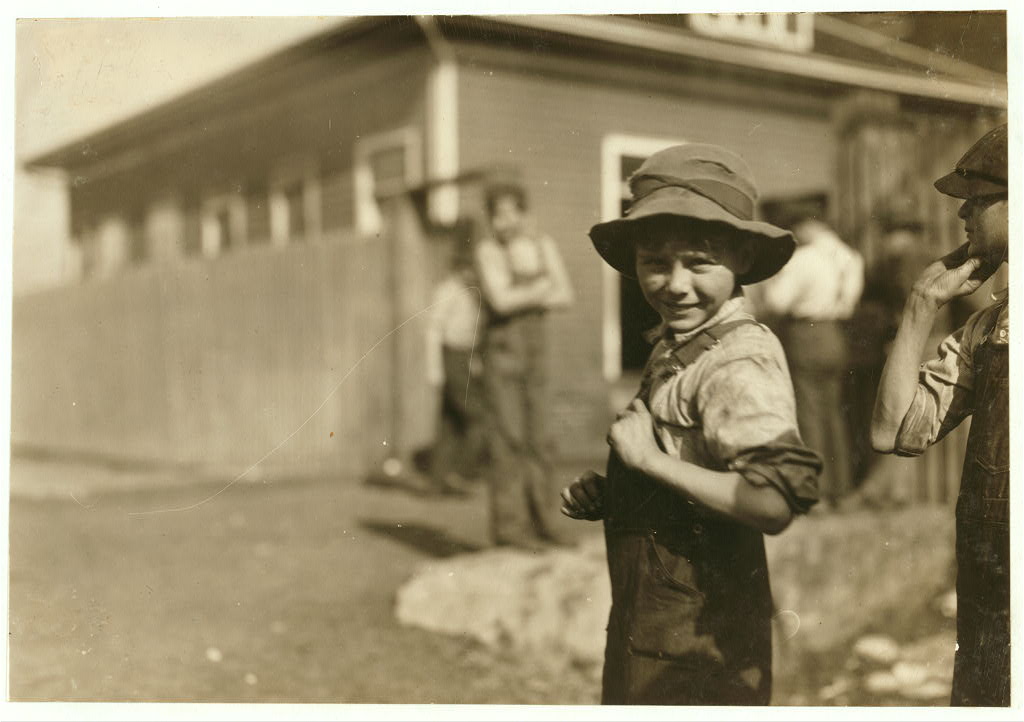
To view the complete series and read more, make sure to check out The Library of Congress Flickr.
12 Comments
If anything they aren't shocking enough
James, that is such a well thought out and educated response. You know, I was blind to how mundane and "un-shocking" these images are, I feel enlightened by your input. Thank you.
Wow, way to be a dick. I agree with James. The portraits are not nearly as shocking as I expected them to be. Most seem almost happy. I think that is all he was pointing out. Definitely not worth the harsh sarcasm you felt the need to dish out.
I agree that the images themselves arent shocking but they arent supposed to be. Hine is the godfather of documentary portraiture photography and his images reflect that, I personally feel it challeges the viewer to read further into the image and actually think about it rather than thinking 'ooo thats a bit grim' etc. The use of shocking imagery has become more prominent in modern documentary photography but a lot of the times the image is more shocking than the problem surrounding it.
Hine was also one of the first people who used their photography to influence change, something that has been lost in modern photography in my opinion. I would also argue it can be difficult capturing candid moments using a large format cameras.
It's not that they are not shocking enough, because such a statement suggests that the only intent of the photographer was to capture his subjects in their most abject states, the only goal being to bring their terrible condition to light in the most shocking manner possible. Documentary photographers all have their own intent and approach to capturing their subjects, as well as their own end goals for the photos they take. The fact that these photos do not simply show portrayals of poverty, cruelty and despair, says something important about Hines relationship with his subjects. His images show an empathy for his subjects that is not present in all images from this era. Some photographers kept their subjects at arms length and did not attempt to relate to the individuals in their photos. Instead, they had a goal in mind to show a particular version of reality and are less concerned with the subjects themselves. What Hine shows in these photos is his desire to present to society the juxtaposition between these innocent children and their appalling conditions. He wanted people to see these children as they existed in reality, which was not only as bedraggled mass of anonymous, unfortunate souls, but as kids who smile, like all children do, and who deserve the attention and help of adults (the viewers of the images). Hine could have easily chosen to exaggerate the shocking aspects of their existence, yet he chose a more human and less shocking way to connect the viewer to his subjects and create concern for the conditions of child laborers without ignoring the fact that these were human being and not just tools in illustrating some larger idea that does not require the preservation of the subject's dignity to make its point.
Post by Dan Scheirer (Sorry, my name didn't post in this first comment.
I agree with James, seem kinda happy to me
Just a general warning to the FStoppers team. When i tried to enter this page my antivirus gave a warning about a potential trojan. Might be a false alarm but still.
Again? Can you screen capture that warning and email it to me: jaron@fstoppers.com. The last time it happened, it was a very out of date warning. But just to be sure...
Looks like kids whose families required a family effort to survive.
These are absolutely amazing. 100 years is a long time, I know but it's an eye-blink in human history, and it's amazing just how far certain aspects of our civility has come.
Depending on when the photos were taken, Hine could have been using 5x7 view camera or later, starting in 1920, a 4x5 graflex, which was possibly capable of capturing more candid type shots.
I'm loving the Depth of Field on these shots!