by
Ivor Rackham
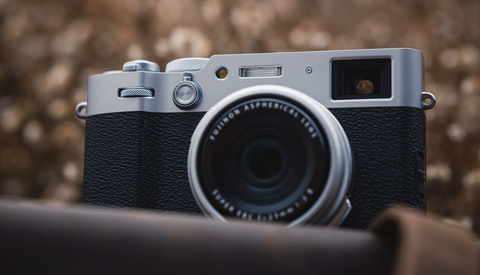
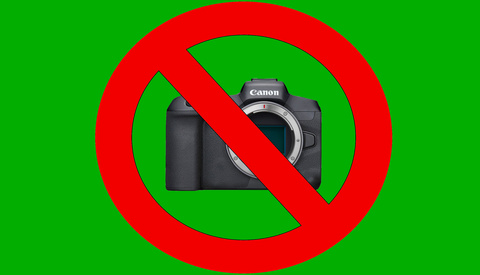
Why I Still Would Not Buy a Canon Camera
Nearly two years ago, I wrote an article pointing out that most of the biggest brands' camera designs are uninspiring.
Nearly two years ago, I wrote an article pointing out that most of the biggest brands' camera designs are uninspiring.
Embracing a documentary approach to photography can significantly alter a photographer's perspective and output. This methodology, which shifts the focus from aggressively pursuing unique and creative shots to simply capturing the moment as it unfolds, offers a fresh lens through which to view the art form. It's a reminder that sometimes, the most profound images are born from the simplest moments.
The transformation from an average photograph to a masterpiece lies within mastering subtle changes in composition and lighting. This fantastic video tutorial highlights the fine line between a compelling image and one that merely documents a scene.
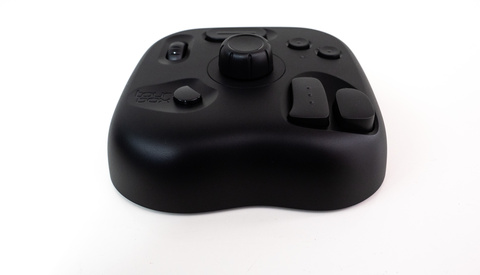
When the Tourbox Lite arrived for me to try, I wondered whether I would be impressed. After all, I already have a Tourbox Elite. But after using it for a week, I wondered whether it might suit me better. Two weeks in, here's what I concluded.
Mastering handheld photography is a critical skill for capturing spontaneous shots, especially in challenging environments. This helpful video provides invaluable insights and techniques, underscoring its importance for photographers who often find themselves in situations where tripods are impractical or forbidden.
The Remove Tool is a new AI-powered tool designed to remove unwanted areas in your images by simply brushing over or around them. This tool has quickly made it into the workflow of portrait photographers around the world, but is it all it claims to be?
Are you a photographer who prefers to shoot in the JPEG file format? In that case, you have to get everything right in the camera. Correcting a mistake afterward is limited. There are different in-camera tools available that allow you to get the best possible results.
Instagram and Threads have recently announced the integration of HDR (High Dynamic Range) photo support, a significant advancement aimed at enhancing visual content on their platforms. HDR technology is designed to preserve the full spectrum of colors and dynamic range captured by a camera sensor, resulting in more realistic and captivating images.
Dive into the intriguing world of photography's exploration of death and crime scenes, from Victorian post-mortem photography to modern-day coverage with documentary photography. Discover what drives this morbid curiosity and where the line between respectful documentation and exploitation lies.
The recent settlement by the National Association of Realtors (NAR) in the United States represents a pivotal shift for the real estate market, particularly benefiting real estate photographers. This change, resulting from litigation over commission misrepresentation, is set to reshape how agents and buyers interact, emphasizing the increased demand for high-quality real estate photography to enhance property listings.
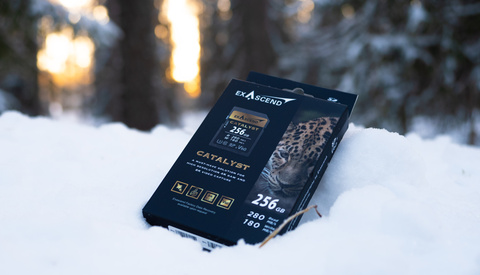
There are some very good reasons why photographers are switching over to Exascend. However, there was a problem that made me delay this article. Here's why.
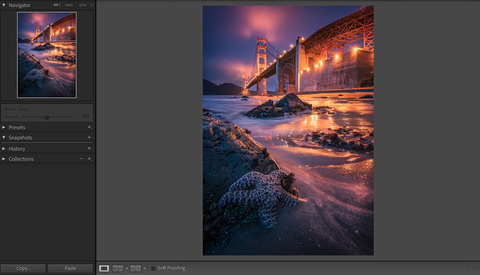
Unlocking the potential of underexposed images is a crucial skill for photographers, enabling them to salvage photos that might otherwise be considered lost causes. This helpful video tutorial will show you how to do just that using Lightroom.
With all the different AI tools that get introduced into the various photo editing apps, it's easy to forget about the fundamentals. To become an efficient photo editor, you must also know the basic settings and techniques. Michael Shainbloom gives ten Lightroom tips that help you achieve that.
Micro Four Thirds (MFT) systems continue to be a compelling choice for many photographers and videographers, despite the industry's lean towards larger sensor formats. The affordability, compactness, and broad lens selection of MFT cameras offer a unique blend of benefits, particularly for those focused on portability and cost efficiency without compromising on image quality.
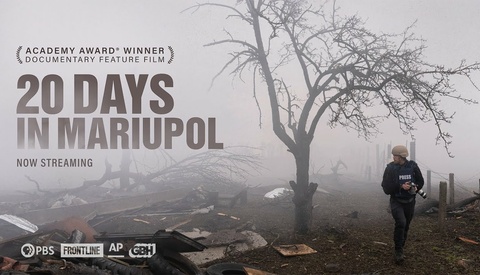
As Russia began the attack on Mariupol, a group of Associated Press journalists found themselves trapped in the besieged city.
In the past few years, we’ve seen the emergence of more convenient photography, video, and content creation tools that make it easier for creatives to wear more hats. This affordable but feature-packed option is a testament to that.
There are 85mm lenses aplenty at just about every price point, and each comes with a different value-to-performance ratio, but this lens may offer one of the best ratios out there. This fantastic video review takes a look at the lens and the sort of performance and image quality you can expect from it in practice.
In the heart of Las Vegas at the 2024 Wedding and Portrait Photographers International, I had the opportunity to dive into the minds of talented winners from the Portrait Masters' January competition, unveiling their creative processes and inspiration.
For over a decade, I've been eagerly anticipating the release of a full frame digital global shutter camera. I'm honestly surprised it took this long, but it's finally here in the new Sony a9 III.
Fujifilm has carved a unique niche in the photography industry, capturing the interest of both professional and amateur photographers worldwide. Their journey, from the production of their first camera, the Fujica 6, to their latest digital innovations, illustrates a commitment to innovation and quality that has consistently set them apart.
The question of whether to upgrade camera gear is a perennial dilemma for photographers, balancing the allure of new technology against the practicalities of their craft and budget. This decision is one that requires considerations of cost, technological advancements, and the genuine need versus the desire for the latest.
While many have tips for keeping travel expenses low regionally, what happens when you start flying to landscape photography destinations? Things that work with regional travel don’t scale when limited on what you can bring. I have several tips for keeping travel costs low when flying to your destination.
I don't know about you, but I'm always looking for creative ideas for my next shoot. It's not always easy, and sometimes you just need to get to your location to find what you're looking for.
The Sony FE 50mm f/1.4 GM lens brings some of the company's best design and features, promising high levels of performance and image quality at a competitive price. How does it hold up in practice? This fantastic video tutorial takes a look at what you can expect.
Today I bring you a hilarious photoshoot challenge called The Walmart Photo Shoot. Pye Jirsa and I battle head to head to see who can take the best looking images all while using $100 worth of clothing bought from Walmart. To make it even harder, none of the images can be Photoshopped either!
The Apple Vision Pro is, without a doubt, one of the most jaw-dropping pieces of technology I've ever tested. But, after the thrill wore off, I was left with an uncomfortable device that was just a little worse than my phone, laptop, and television.
Embracing the challenge of dull, overcast days, this video offers a refreshing perspective on photography under conditions many might find uninspiring. Highlighting creativity over clarity, it suggests that less-than-ideal weather can be the perfect setting for exploring new photographic techniques and compositions, offering five different ways to approach such weather.
Investing in the latest photographic equipment is a decision fraught with financial implications, one that every photographer must navigate carefully. The rapid depreciation of camera gear serves as a cautionary tale for photographers keen on maximizing their return on investment while still achieving professional results.
I am becoming a fan of Neewer gear. Since they changed direction and started producing equipment for themselves, the designs have vastly improved, and the quality of the products has rocketed. Here are two new lights from their stable that are exceptionally good. Their competitors should look out.
The announcement of the Sony a9 III set the photography world alight with excitement as it became the first camera to feature a global shutter. In this video from Julia Trotti, she puts the camera through its paces in a sports environment. Let's see how she gets on.
In portrait photography, the lens you choose is crucial to capturing the essence and emotion of your subject. This decision influences everything from the depth of field and bokeh to the sharpness and overall mood of the image, underscoring the importance of selecting the right lens to match your artistic vision and technical needs.
Modern cameras have lots of functions. It can be challenging to make the best possible settings. Often, it takes time to get the optimal settings for your personal photography. However, there are some simple things that are worth checking out.
The transformative power of embracing the unexpected is an exploration worth undertaking, particularly in environments as unpredictable as Antarctica. One photographer's recent journey to this icy continent serves as a compelling testament to the value of adaptability in the creative process, illustrating how a willingness to let go of meticulous planning can uncover breathtakingly spontaneous moments.
The art of translating the nostalgic essence of film into digital photography has gained momentum, bridging the gap between analog textures and the precision of modern technology. Are presets and recipes a shortcut to this nostalgia, or do they stifle creativity?
Allowing your shutter to stay open for longer can transform your images from mundane to something enthralling. Here’s how to precisely achieve various creative effects to tell your photographic story.
Photographers constantly seek ways to diversify their portfolio, especially in genres as specific as maternity photography. The use of lighting, gels, and innovative posing not only accentuates the subject’s beauty but also adds depth and variety to the images, which are helpful for creating a memorable gallery.
The debate between natural light and artificial lighting in photography is ongoing, but the mastering both can significantly elevate a photographer's work and make them far more versatile. Understanding the intricacies of bringing lights on location, despite the hassle, reveals the dedication required to achieve specific artistic visions and the tangible difference it makes in the outcomes.
"If only I had that camera," we often tell ourselves, thinking that magically our photography is finally going to transcend to a whole new plane of perfection where our creativity will feel no restrictions and our photographs will carry no flaws. We've all felt this at least once, often more.
Mastering the use of speedlights and a backdrop for full-body portraits is an essential skill for any photographer looking to elevate their studio work. This fantastic video tutorial offers a deep dive into this technique, showcasing the transformation of a simple setup into a professional-grade photo shoot.
The intricacies of color grading and its impact on the final presentation of a photograph cannot be overstated. This helpful video tutorial will show you how to achieve an expert color grade using Capture One.
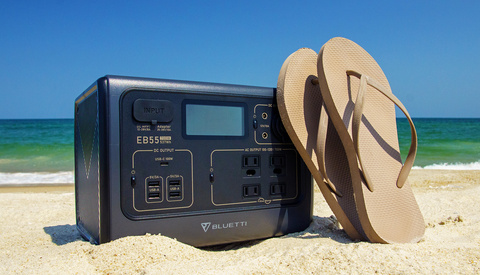
As a photographer who often camps or goes on adventure assignments, adding portable power stations to my kit has given me the ability to charge and work in even some of the most remote locations. While this kind of accessory is useful for any type of outdoor photography, it is also great for a studio where you don’t have an outlet or to have a strong power source in case of emergency. Let’s talk about the next level in portable power stations: solar generator kits.
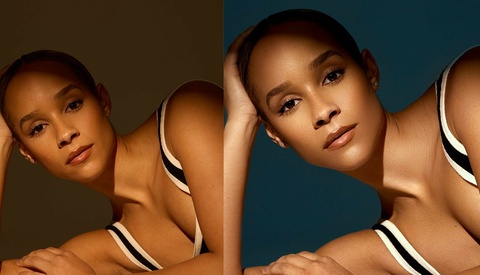
Post-processing is as crucial as capturing the right moment. Enhancing the eyes can dramatically elevate the impact of an image, and this helpful video tutorial will show you how to do just that using Photoshop.
Understanding how to navigate manual mode in photography is essential for achieving professional-grade results, which can seem daunting due to its perceived complexity. Many photographers view manual shooting as a rite of passage to professionalism, yet the prospect of managing shutter speed, aperture, and ISO settings can be intimidating.
Learning is essential for us to grow as photographers. Collaborating with the Polish artist and photographer, Maya Kot, I discovered new ideas about color that get to the very heart of photography.
The small flagship phone, once a coveted niche in the smartphone market, has officially become extinct. This transition marks a significant shift in consumer preferences and manufacturing trends, underscoring a broader evolution within the tech industry that directly impacts photographers and visual content creators who rely on their smartphones for on-the-go shooting and editing.
The exploration of large format photography, specifically the 4x5 and 8x10 formats, has recently seen a resurgence among enthusiasts and professionals alike. This shift towards more deliberate and intentional photographic practices offers a refreshing contrast to the rapid-fire style of digital photography, presenting unique challenges and rewards that are particularly relevant to creatives interested in the tactile nature of film and the pursuit of exceptional image quality.
There are different degrees of fashion shoots, it could be a personal shoot for your portfolio or one for Vogue Magazine. This format is for a personal fashion shoot, as you will most likely be in charge of putting everything together yourself.
With the photography industry witnessing a resurgence of interest in vintage aesthetics, major players like Nikon and Fujifilm have successfully tapped into the nostalgia, capturing both attention and sales with their retro-inspired models. Amid this trend, Canon has hinted at potentially joining the fray with a fixed lens camera that nods to the past while embodying the present.
In the world of landscape photography, the conventional reliance is on wide angle lenses for capturing the grandeur of the nature. But the telephoto lens should not be overlooked, and this fantastic video tutorial shows you why you should add one to your bag the next time you head out.