
Featured Articles
Fstoppers Community
Photo of the Day
Sep 12

Longing
Sep 11

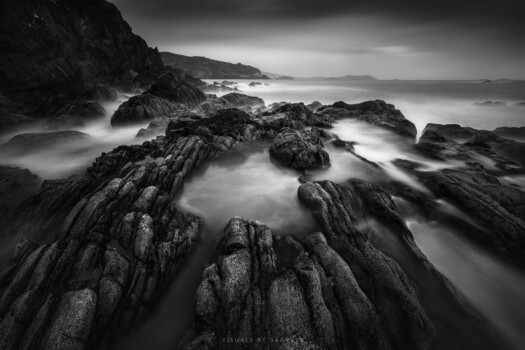
Weathered
Sep 10

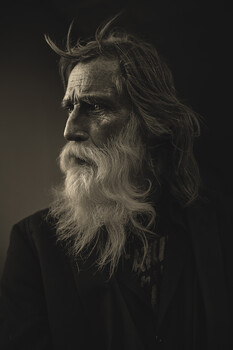
Niflheim's Breath
Sep 9

Andean Giant

Sep 8

Dylan

Sep 7

Hover fly
Sep 6

Trees emerging in the blue space
Sep 5

Warbirds: F4U Corsair
Sep 4

Beauty shooting with Chiei from China

Sep 3

Morning Light
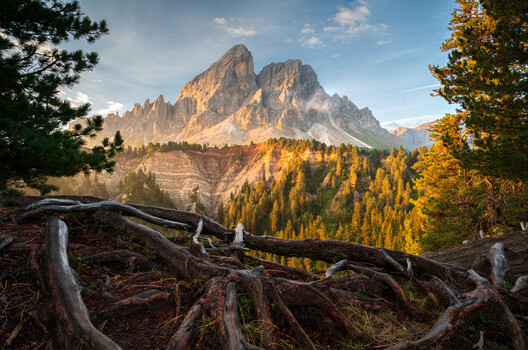
Sep 2

Winged

Sep 1

Flow and Color

Aug 31

Lights Beach

Aug 30

The power of reflection
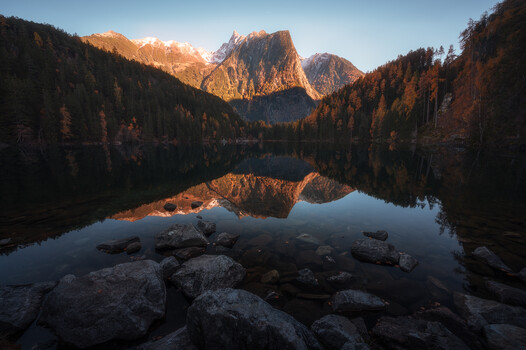
Aug 29

HOODOOS
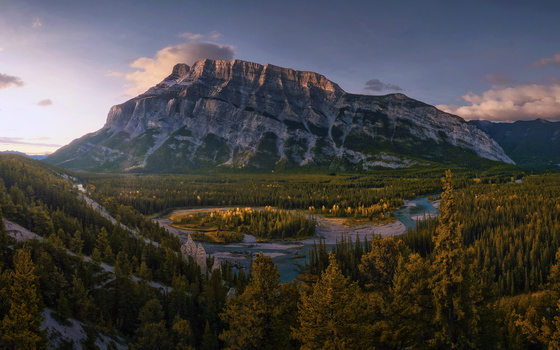
Editors' Picks

The Awakening of 'a Moura'

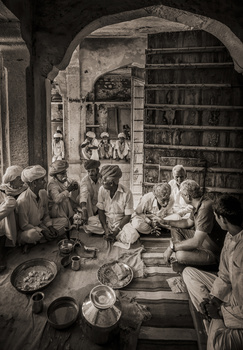
Bithoo Village, Rajasthan

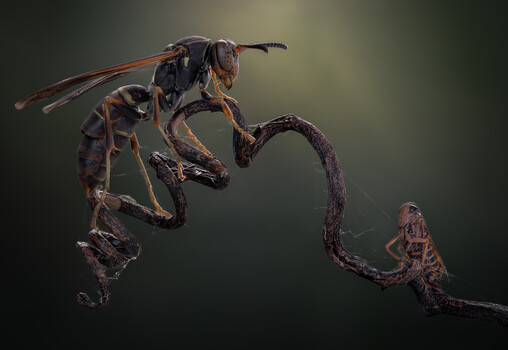
David and Goliath

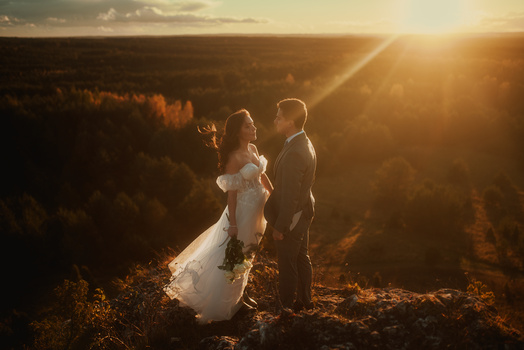
Horizont

Alien

Bjarnarhöfn

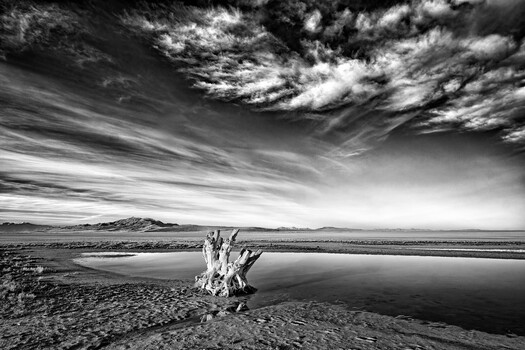
Reach to the sky

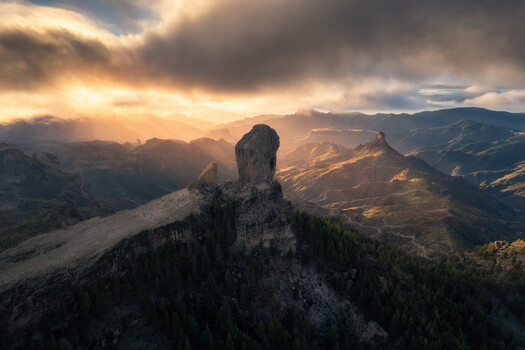
Roque Nublo

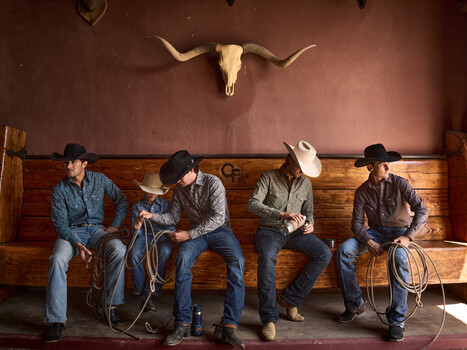
Cowboys Waiting

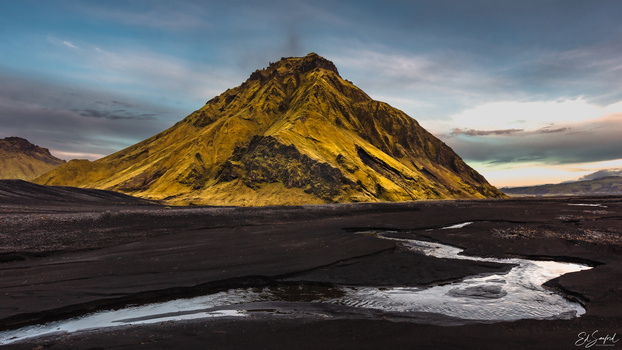
Stream, Black Sand & Foothill, Vik Iceland

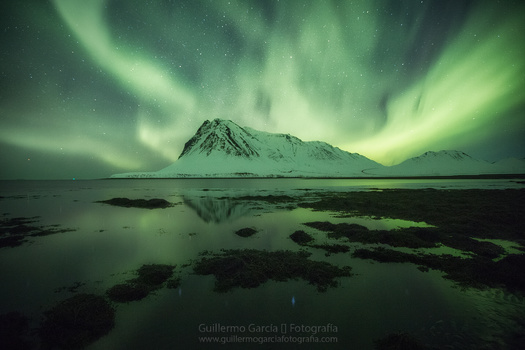
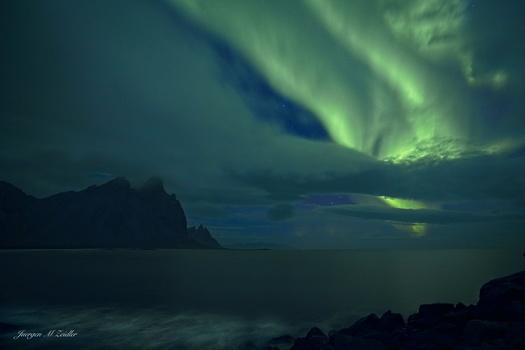
Vestrahorn Aurora

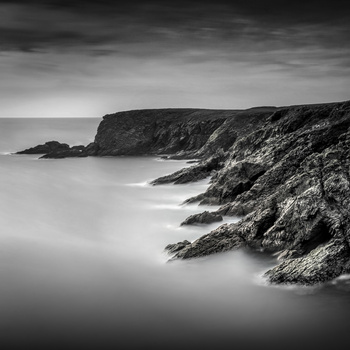
Patibulaire
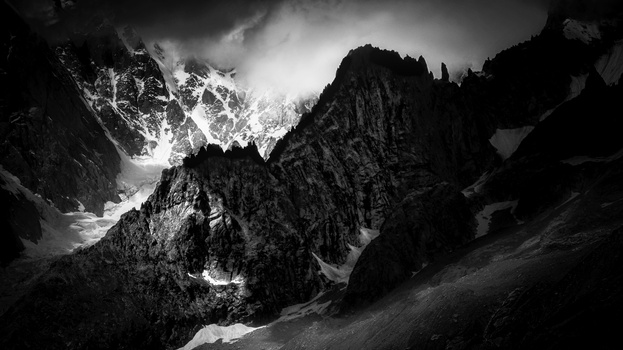
Père Eternel

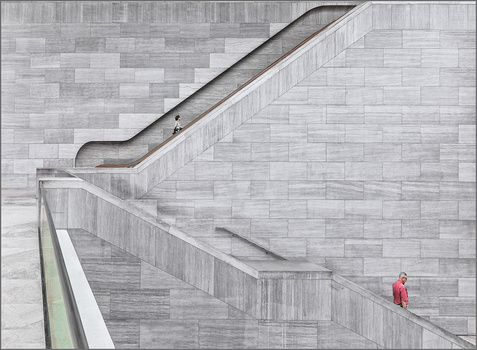
National Gallery of Art
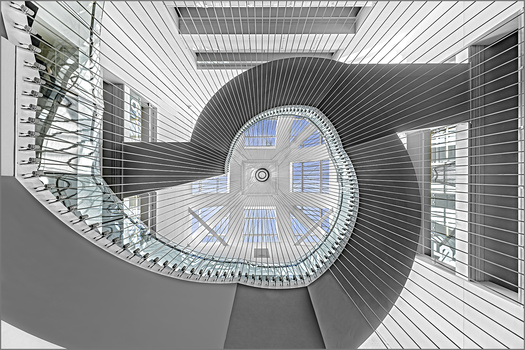
National- and University Library of Strasbourg_2
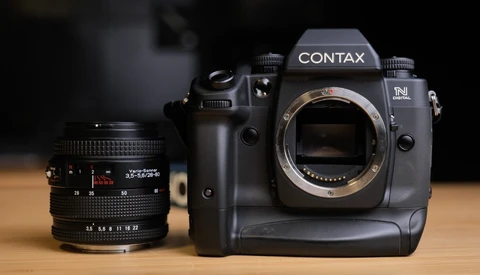
The First Full Frame DSLR Was a $7,000 Flop Almost Nobody Owns
The first full frame DSLR ever made didn't come from Canon, Nikon, or Sony. It came from Contax, a nearly century-old brand tied to Zeiss glass, and the camera that earned that title may also be the one that ended the company for good.
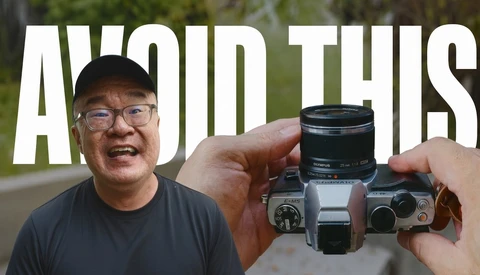
The Five Beginner Photography Mistakes You're Probably Still Making
Most beginners think a better camera or a clever editing trick will fix their photos, when the real problem is usually a set of habits nobody warned them about. Five of those habits show up again and again, and correcting them costs nothing but time and attention.
Latest Gear Reviews



Active Contests
7
66
Show us the work YOU wanted to do
Welcome to the September installment of the Critique the Community! This month's critique theme is going to be "Passion Project," and we want to see your best photographs that come from a personal project.
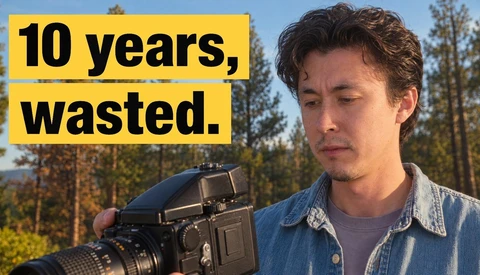
The Three Habits Quietly Stalling Your Photography
More tutorials, a newer camera, and more hours in Lightroom will not make you a better photographer, no matter how much you spend chasing them. The traps that eat up beginners' time are easy to spot once you know them, and almost impossible to see when you don't.
Fstoppers Exclusives



Fujifilm Updates the instax Pal 2 and Link WIDE 2 With New Capture and Print Tools
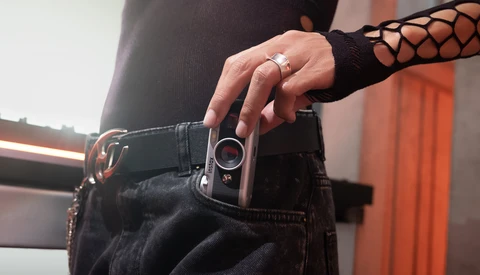
Fujifilm has announced the instax Pal 2 digital camera and instax Link WIDE 2 smartphone printer, updating the Pal with an optical viewfinder and adding a new Photo Mixer collage feature to the WIDE printer.
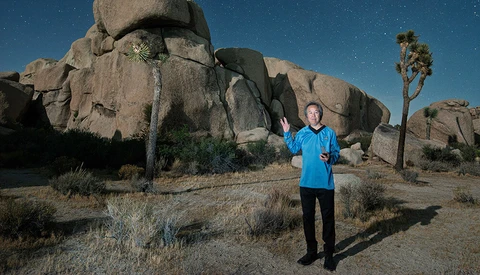
The Secret No One Tells You About Lighting Great Night Portraits
Want to photograph portraits that don't look like deer caught in headlights or someone telling campfire ghost stories? While we might obsess over the Milky Way, the stars, or even light painting, most photographers don't figure out how to take fantastic portraits of people in their night or astro-landscape photos—something that looks polished, dramatic, and intentional.

Why We Smile in Photos: The Surprisingly Recent History of Saying 'Cheese'
By the early 1840s, a daguerreotype portrait no longer took a quarter of an hour. Faster plates and brighter lenses had cut a studio sitting to under a minute, short enough to hold a pleasant face without much strain. Yet for the next 60 years, almost nobody in front of a camera smiled.

Seven Photography Mistakes That Are Holding Your Photos Back
Seven habits kept your photos from looking as good as the ones you admire, and most of them have nothing to do with your camera. The fixes are small, immediate, and free.
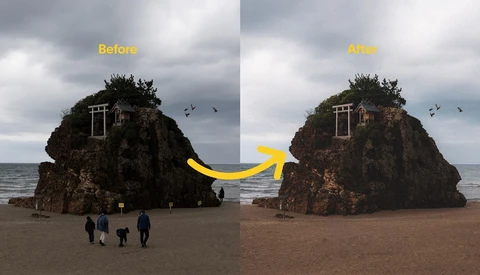
The Six-Phase Editing Order That Fixes Most Beginner Mistakes
Most beginners think editing is where a photo gets fixed. The truth is closer to the opposite: the edit accounts for roughly 20% of the final image, and the shot you took in camera carries the other 80%.
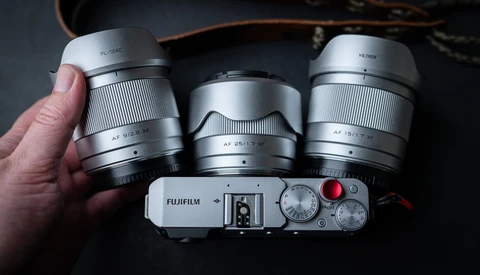
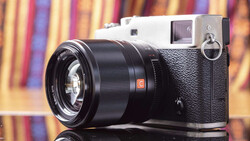
Three Silver APS-C Lenses That Punch Above Their Price on Fujifilm
Viltrox released three APS-C lenses for Fujifilm in silver, the 9mm f/2.8, the 15mm f/1.7, and the 25mm f/1.7, and each one fills a focal length and aperture gap that Fujifilm's own lineup leaves open. The mix of speed, sharpness, and a light body makes these worth a serious look if you shoot street or travel.

Faster Lens or Better Body: Which Actually Fixes Low Light
You shoot a conference in a dim ballroom, your shutter speed drops too low, and every frame comes back with a little motion blur. The fix costs real money, and the choice between a faster lens and a better camera body decides how you spend it.
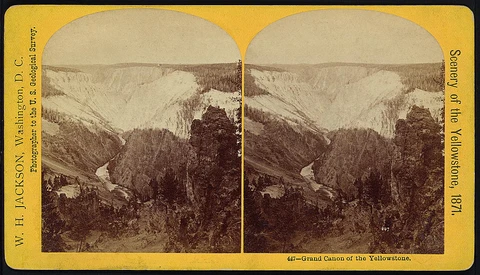
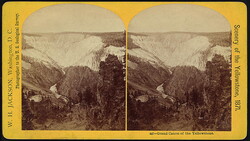
How Photographs Helped Create Yellowstone, the World's First National Park
The 1872 law that created Yellowstone runs only a few hundred words and never mentions a photograph. By the time President Ulysses S. Grant signed it on March 1, prints of the region and a painter's field watercolors had reached Washington and were being used to sell the idea. The pictures entered the campaign before the vote, then left almost no trace in the formal legislative record.

Why Your Rushed Photos Are More Than Just Snapshots
We’ve all been there. You’re out somewhere, with a camera in tow, but the purpose isn’t photography. Maybe you’re walking with family or friends. Maybe you’re running to an appointment. You don’t have the luxury of setting up a tripod or spending fifteen minutes working a composition. You take some extra frames from varying angles or perspectives, just to be safe.

The Habits That Separate Working Photographers From the Rest
Talent gets discussed constantly, but the photographers who keep landing work tend to share a set of habits that have nothing to do with raw skill. The difference shows up in how they practice, prepare, and handle the people around them.
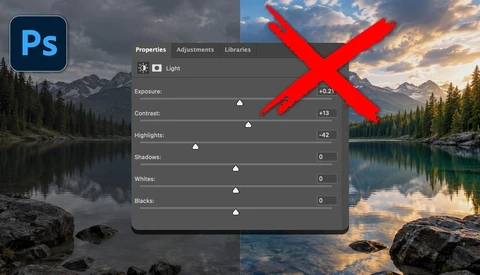
Photoshop's Light Layer Looks Like Lightroom. It Doesn't Act Like It.
Adobe quietly slipped a Light adjustment layer into the main Photoshop interface, and it looks almost identical to the tone and exposure controls you already know from Lightroom and Camera Raw. That resemblance is the whole problem, because now people can't tell where they should actually be making these edits.

Nine Simple Controls That Change How Photos Feel
Better photos rarely come from a more interesting subject. They come from motion, perspective, camera height, and depth, the controls sitting in front of you that decide how an image feels before anyone thinks about what's in it.
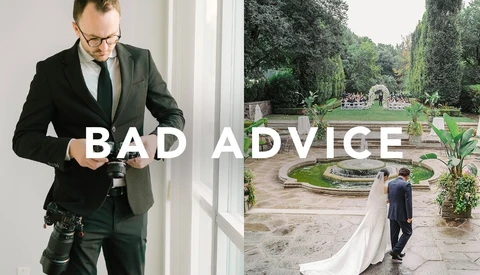
The Words That Stopped One Photographer for Years
A respected photographer once told a teenager she wasn't good enough to make it, and that single sentence kept her from picking up a camera for decades. Those words carry a weight far heavier than the person who said them ever intended, and most creative people have heard some version of them, either out loud or in their own head.
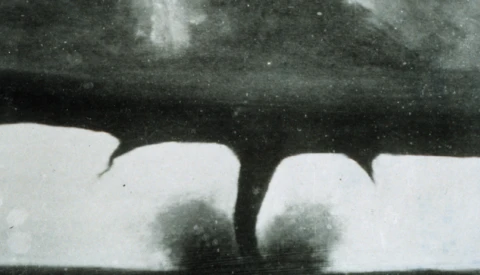
The First Photograph of a Tornado Was Taken in 1884 by a Kansas Fruit Grower
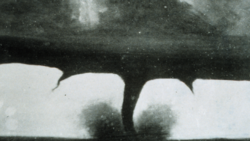
The tornado photograph you have probably seen, the dramatic one with a thick central funnel and two thinner vortices trailing off its side, was probably retouched, its more interesting cloud base likely painted in or combined from another negative.
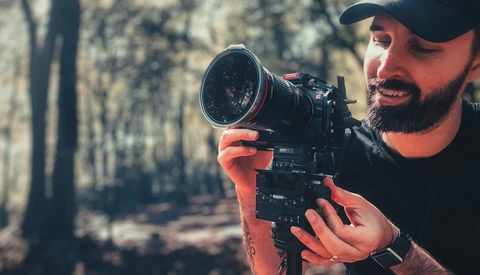
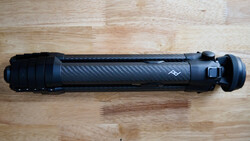
The Rolls-Royce of Tripod Heads: Fstoppers Review the Arca-Swiss C1 Cube GP
Reliable and well-engineered gear is something all landscape photographers rely on. This is especially true when we consider investing in the accessory that keeps our cameras secure and stable.
Why Technically Perfect Photos Often Feel Dead
Technical perfection can drain the life out of a photograph. Chasing sharpness, clean detail, and flawless contrast in every frame often strips away the exact quality that made an image feel real in the first place.
The Cheapest 50mm f/1.8 for Nikon Z, Tested in the Real World
An autofocus 50mm f/1.8 for the Nikon Z system runs $89, and the images coming off it look nothing like the price tag suggests. A fast prime at that number changes what a beginner can afford as a first step past the kit lens.
There's More to Background Blur Than Aperture
You can shoot at f/1.4 and get almost no background blur, or shoot at f/4 and get plenty of it. That single fact upends how most people spend money on lenses, and it explains why some expensive glass never delivers the creamy backgrounds you paid for.

The 3-to-5 Pose System That Carries an Entire Wedding Day
Your mind goes blank the second the couple stands in front of you, every Pinterest board you studied the night before suddenly gone. That blank moment is the difference between a wedding day that flows and one that stalls while two nervous people wait for direction.

Autofocus Turns 50 in 2027, and the Camera That Started It Was a Konica
Japan observes a Camera Day on November 30, and the date comes from 1977, when Konishiroku Photo Industry put the Konica C35 AF on sale. It was the first mass-produced camera that focused itself, and the part doing the focusing was built by a Minneapolis company whose main businesses were thermostats, industrial controls, and defense electronics.

The ColorChecker Turns 50: The 24 Squares That Outlived Almost Everything Around Them
A small card of 24 painted squares turns 50 this year. It is still made, still sold, and still sitting in the front pocket of a lot of camera bags, because it answers a question that cameras have never learned to answer on their own: what color is this, actually?

Why You Aren’t Getting Useful Feedback on Your Photography
I recently wrote about why we should stop accepting standard "constructive criticism" on our photos. Instead, solicit feedback that actually helps you grow as a photographer. But most of us don’t know how to ask for anything better. We never learned how to ask. So how do you get more meaningful input on your work? Ask for a critique.