



































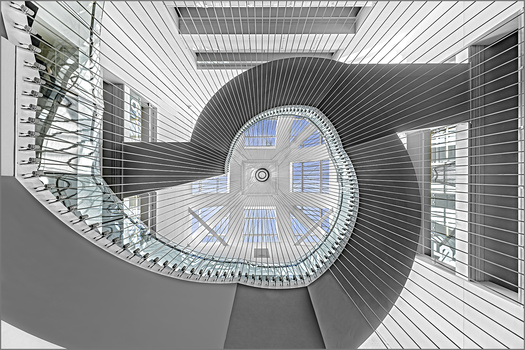
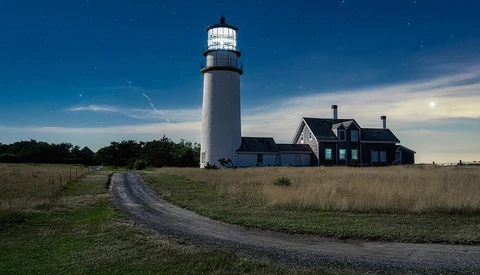
A Tale of Two Coasts: Night Photography Made Easy From Cape Cod to Cambria
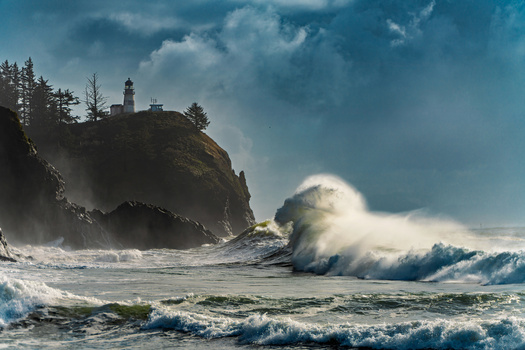
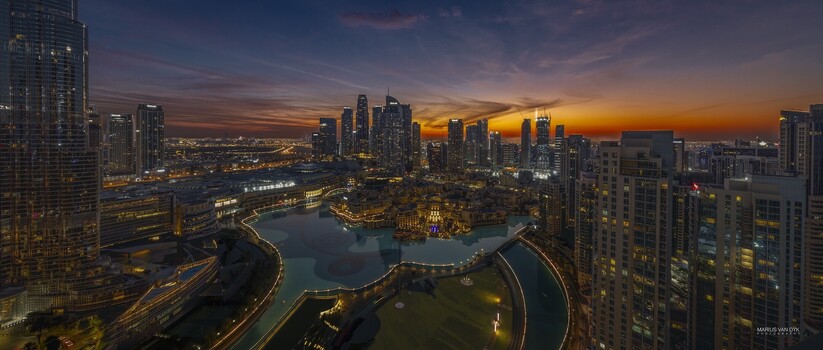
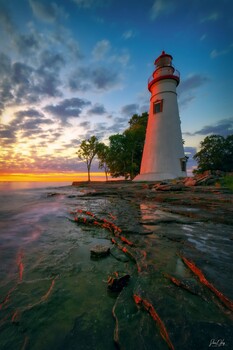
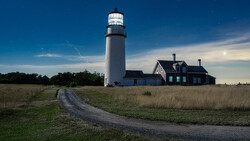
Night photography along the coast: it's evocative, eternal, calming—and surprisingly easy. While many of us enjoy hiking miles into the wilderness, you can create alluring night photos just steps from the car, right at the water's edge. Lighthouses, moonlit water washing over tide pools, and historic piers: the coast offers more night photography subjects than you might expect. Cape Cod or Cambria, the coastlines are already calling you.
A Full-Frame Kit You'll Actually Carry All Day
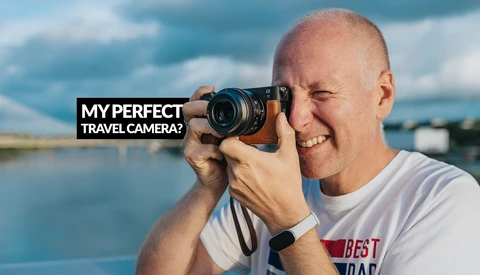
Fifteen years of hauling heavy DSLRs around the world can leave you wishing for something you can carry all day without noticing the weight. A small full frame body paired with a compact prime now delivers most of what those older bricks did, and that shift changes what serious travel photography can look like.
Latest Gear Reviews


Active Contests
Show us the work YOU wanted to do
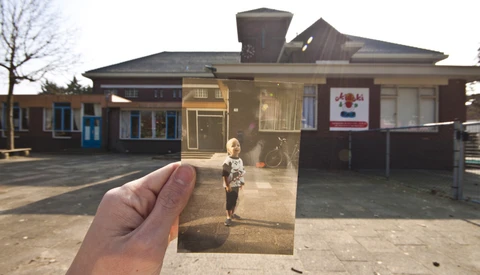
Welcome to the September installment of the Critique the Community! This month's critique theme is going to be "Personal Project," and we want to see your best photographs that come from a personal project.
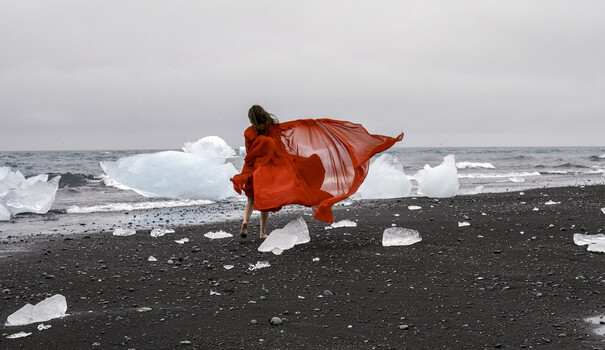
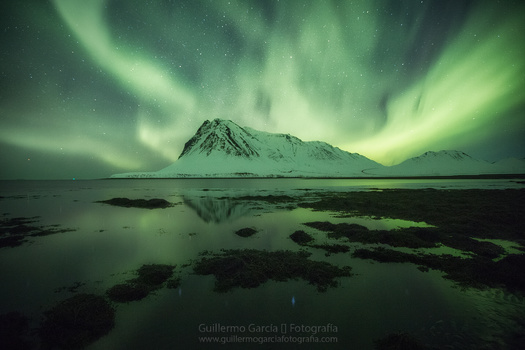
Shooting Iceland's Highlands With a Telephoto Instead of a Drone
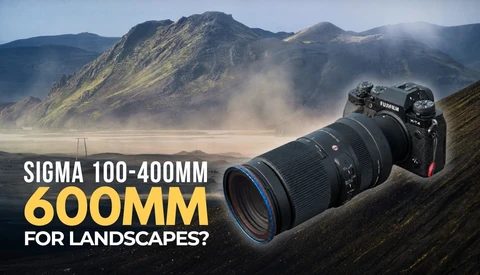
Most Iceland landscape work you scroll past now was made from the air, with wide drone panoramas that flatten an entire river system into a single graphic. Shooting the same terrain from the ground with a very long lens flips that habit and forces a different kind of seeing.
Fstoppers Exclusives


Your Landscape Kit Is Already a Wildlife Kit
The camera in your bag right now, the one built for sweeping vistas, might already be a capable wildlife machine. Landscape and wildlife shooting used to demand two completely separate kits, but that line has blurred to the point where the same body and a long zoom can do both jobs well.
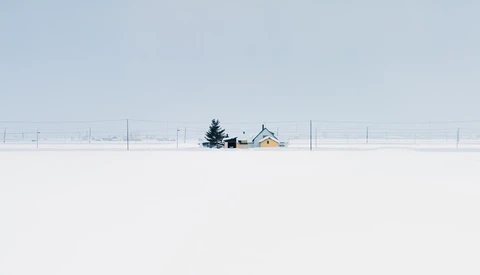
Why Your Photos Look Cluttered (and the One Skill That Fixes It)
Two photos of the same subject, shot by the same person with nearly identical gear, can read completely differently: one holds your eye instantly, and the other leaves you scanning corners for something to land on. That gap comes down to a single skill, and once you name it, you start seeing it everywhere in your own work.
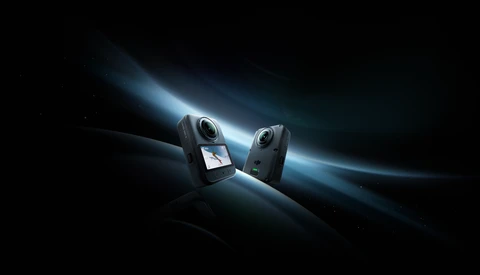
DJI Launches the Osmo 360 II: Flagship 360-Degree Camera With a New 1-Inch HDR Sensor and User-Replaceable Lens
DJI has officially introduced the Osmo 360 II at IFA 2026, marking a significant advancement in panoramic imaging technology. According to DJI, the Osmo 360 II was developed based on the company’s extensive product background: distortion control in aerial photography, stabilization from the Ronin handheld gimbal systems, and color science from successive generations of Osmo Action cameras.
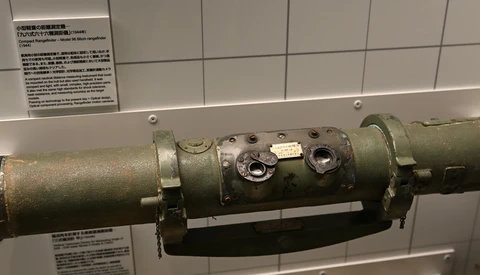
10 Technologies Photographers Inherited From the Military
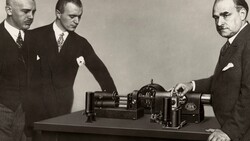
The zoom ring on a modern 70-200mm traces back to a viewfinder accessory the US Army Signal Corps clipped onto its 35mm combat movie cameras. Frank Back, the Austrian-born engineer who designed it, spent the war improving cameras and lenses for the Signal Corps and then turned the same optical trick into the first zoom lens that caught on. That kind of lineage runs through more of a modern kit than most people expect, and it runs shorter and less often than the retellings suggest.

How the Leica M EV1 Strikes the Perfect Balance of Old and New
Leica is in a tricky position when it comes to creating a new M camera. The fanbase welcomes new models, but Leica knows that if they stray too far from the essence of the M, users may reject the new model. The M5, introduced in 1972, made dramatic changes from the design of the previous M4 model and met relatively weak demand. Leica later returned to the more traditional, minimalist M approach, culminating in cameras such as the M6.
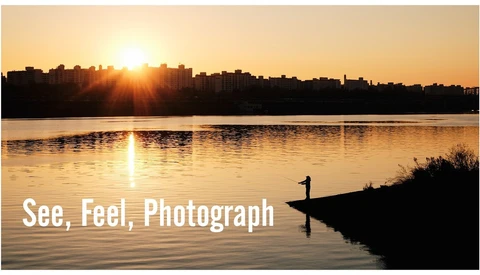
Stop Judging Light as Good or Bad and Start Using It
Light gets talked about like it comes in two flavors, good and bad, and that framing quietly limits what you shoot. Treating every kind of light as workable, rather than sorting it into keepers and mistakes, opens up scenes most people walk past.
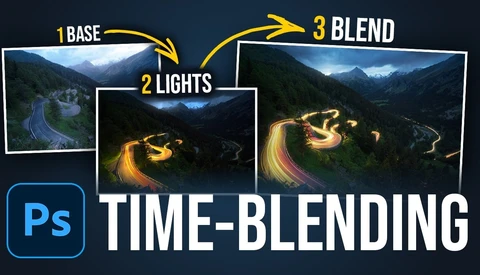
Why Time Blending Beats a Single Long Exposure
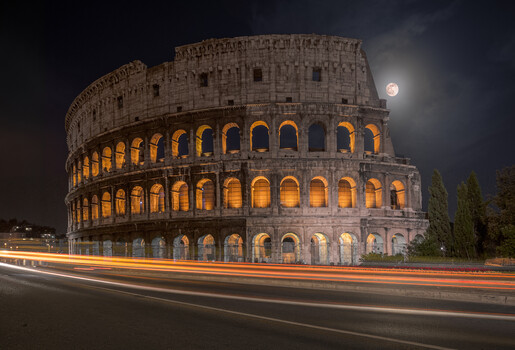
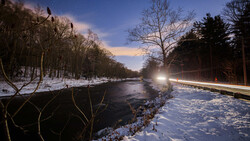
Light trails on a road can turn a flat night shot into something with real energy, but capturing them all in one clean frame is harder than it looks. Time blending lets you combine several exposures so the streaks flow together the way a single long exposure rarely manages.
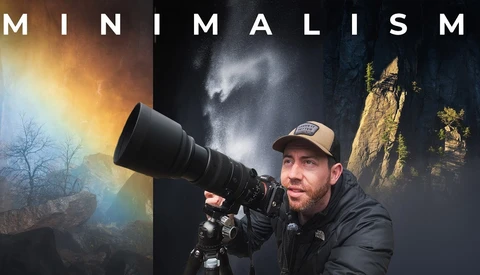
Turning Yosemite's Chaos Into Clean, Minimal Landscape Shots
Yosemite gives you waterfalls, granite walls, and postcard viewpoints that practically shoot themselves. The harder task is walking away with something nobody else made, and that starts with subtraction rather than addition.
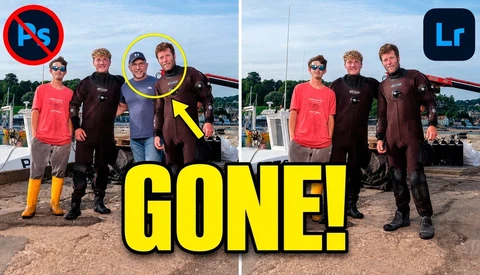
Delete Someone From a Group Photo Without Ever Opening Photoshop
Remove a person from the middle of a group photo, close the gap as if they were never there, and do it all without touching Photoshop. That option is now sitting inside Lightroom for anyone who has never gotten comfortable with layers and masks.
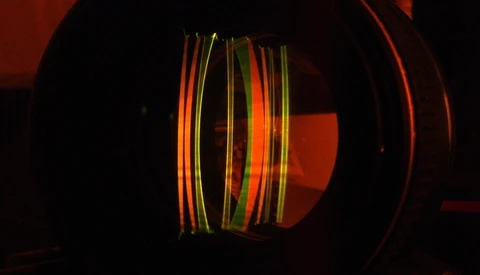
Lens Flare and The Incredible Physics of Modern Lenses
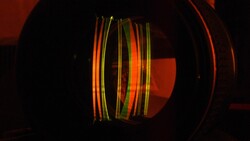
A bare, uncoated air-to-glass surface sends roughly 4 percent of the light striking it back the way it came, and a current professional 24-70mm f/2.8 zoom stacks about 30 of those surfaces in a row. Uncoated, less than a third of the light entering the front would reach the sensor as part of the image. Most of the rest heads back out the front of the lens, and flare is what happens when the fraction that turns around again lands on your picture.
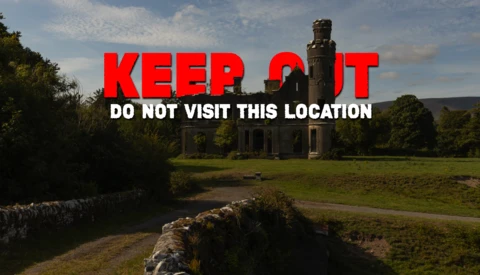
Take The Photograph While You Can
There is something I have been thinking about recently, and it was not until I returned to a location I had photographed many years ago that it really started to bother me. We spend so much of our time as photographers looking for new locations, searching maps, saving places on Google Maps, watching videos, and scrolling through social media looking for somewhere we have never photographed before. We are always looking for the next location, the next composition, and the next photograph. But perhaps we should spend a little more time thinking about the places we have already photographed, because there is no guarantee that we will always be able to go back.
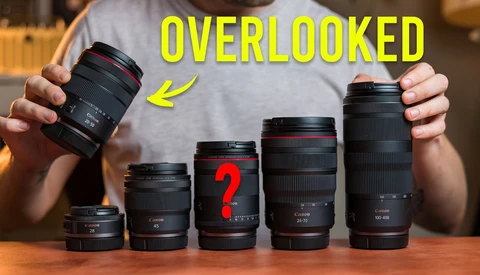
Six Underrated Canon RF Lenses You've Probably Overlooked
The best Canon RF lens for your kit might be one almost nobody talks about. Six of them sit in the shadows of pricier alternatives, dismissed over a single spec or forgotten entirely, even though they deliver image quality that holds up against Canon's L-series glass.
Show us the work YOU wanted to do
Welcome to the September installment of the Critique the Community! This month's critique theme is going to be "Personal Project," and we want to see your best photographs that come from a personal project.
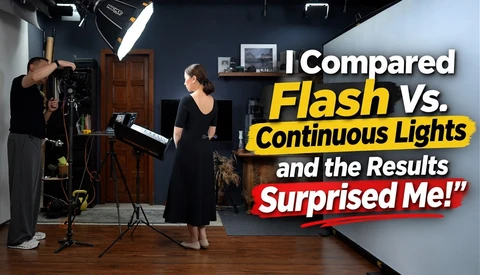
Continuous Light vs. Flash: What Actually Changes in Your Portraits
The question of flash versus continuous light comes up constantly, and the honest answer sits somewhere between "barely any difference" and "a huge one," depending on what you're shooting. Both can produce nearly identical portraits, yet the way you work with each changes how you shoot, how you meter, and how much room you need.

20 Photoshop and Camera Raw Updates You Probably Missed
Photoshop's autofocus point checker inside Camera Raw 18.6 shows you exactly which points your camera locked onto, so you can catch a blurred watch face or a hand in focus before you commit to the wrong shot. That single feature answers a question you've probably asked yourself a hundred times while culling: did the camera focus where I thought it did?
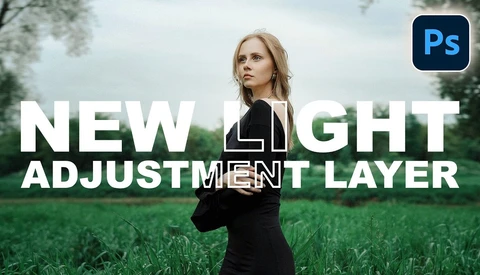
Photoshop Just Replaced Brightness and Contrast With Something Better
Photoshop's Brightness/Contrast slider is gone, replaced by a new Light adjustment layer that pulls Camera Raw controls straight into the main editor. Exposure, contrast, highlights, shadows, whites, and blacks now live in a single panel that behaves like a nondestructive version of the Camera Raw sliders many of you already trust.
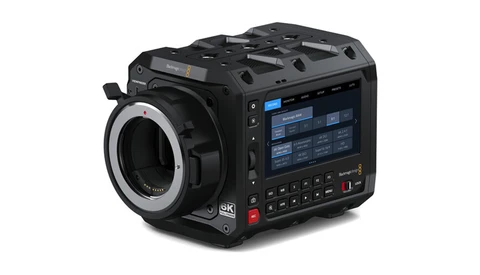
Big Price Drop on Blackmagic Design Cinema Cameras Including The PXYIS 6K
A massive price drop across its line of cinema cameras allows Blackmagic Design to, once again, offer excellent value to filmmakers on a budget.
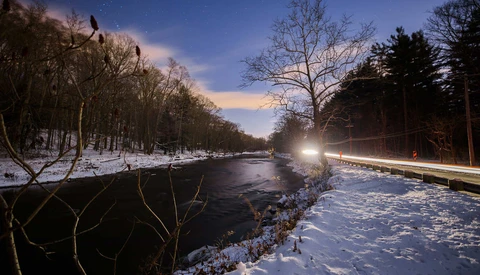
How Long Exposures Erase People: The Math of Making Crowds Vanish
Put a 35mm lens on a full frame camera, stand about 20 m back from a plaza, and each pixel in the file covers roughly 3.4 mm of the ground at that distance. A person walking across that view at an ordinary pace clears their own shoulder width in about a third of a second, so across a four-minute exposure they sit over any single pixel for about 0.13 percent of the time. That fraction is the whole mechanism, and once you can compute it, and then combine the occupancy of everyone walking the same line, you can predict which people will vanish and which ones will ruin the frame.
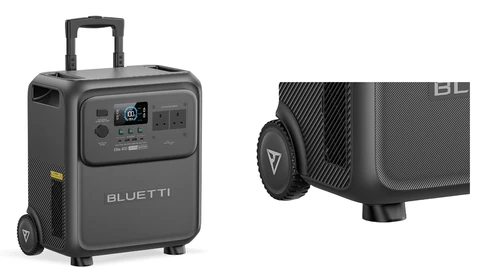
BLUETTI Elite 400: Portable Power That Works for Demanding Location Photography
For photographers working on location, reliable power is no longer a luxury; it's an essential part of the process. Between strobe or LED lighting, tethered laptops, battery chargers, drones, mobile devices, and client comfort equipment, power requirements can quickly become substantial, especially during long days on location. I recently got my hands on the BLUETTI Elite 400 power station to see if it is worth the hype.
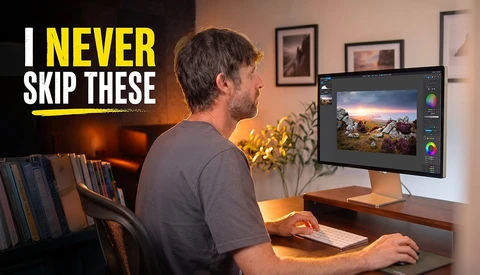
Five Edits That Take a Landscape Photo From Okay to Finished
Every landscape image is different, yet the same handful of moves show up in almost every edit that actually works. Learn those moves and you stop guessing your way through post-processing and start finishing photos on purpose.
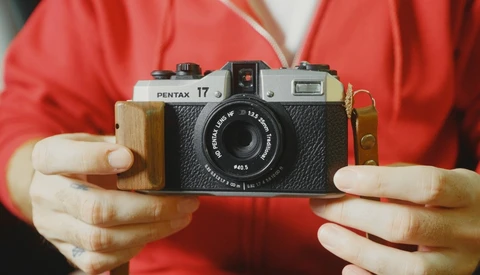
Why the Pentax 17 Won Him Back After a Year
The Pentax 17 landed in 2024 to a wall of loud opinions, and a year of actual use has a way of softening the sharpest first impressions. A camera you dismiss on a one-week deadline can look very different once you've dragged it through Colorado, the Jersey Shore, and a 4:30 a.m. boardwalk sunrise.
Why Your Bad Photos Prove You're Actually a Photographer
You shot 36,000 photos in your first year and kept maybe 10. That's not failure, and treating it as failure is the thing quietly holding you back.