Featured Articles
Fstoppers Community
Photo of the Day
Oct 29

1:15 before sunrise
Oct 28

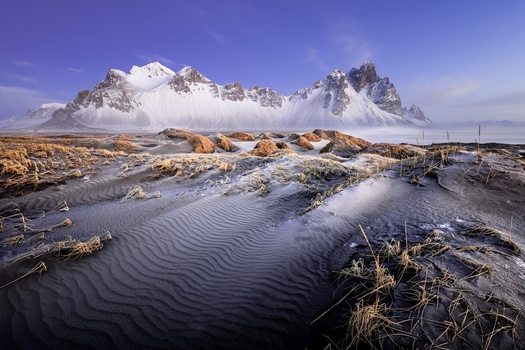
Artwork of nature II

Oct 27

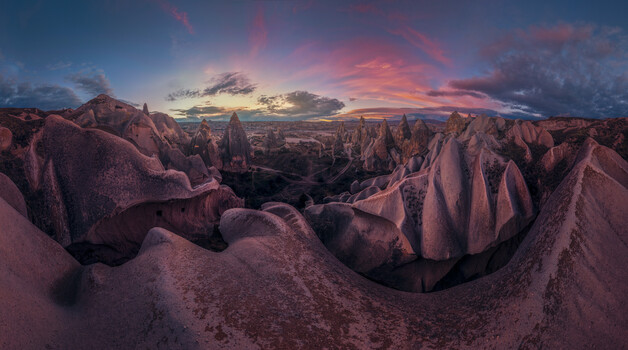
Among Fairy Chimneys
Oct 26

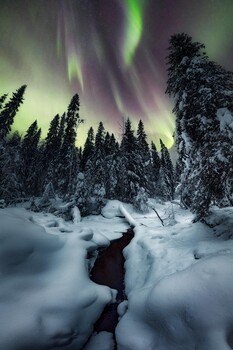
Magic Lapland
Oct 25

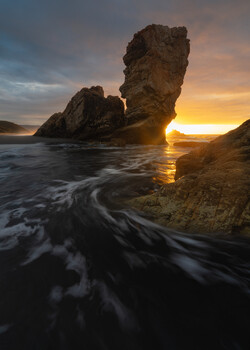
Where Light Meets the Sea
Oct 24

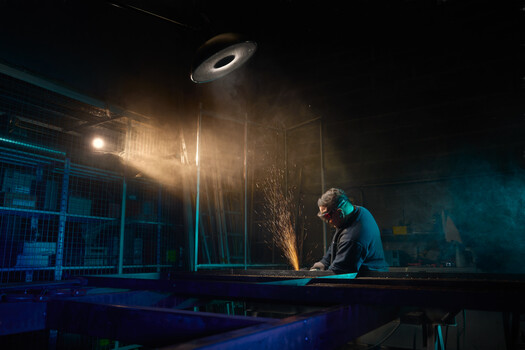
Sparks at Work
Oct 23

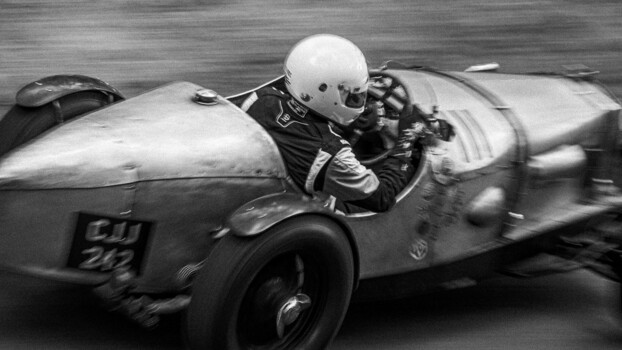
Leaning into the bend
Oct 22

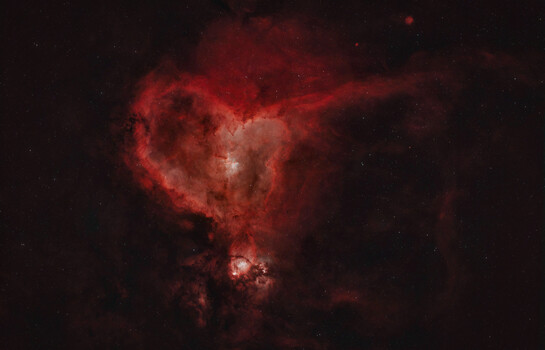
The Heart Nebula - IC 1805
Oct 21

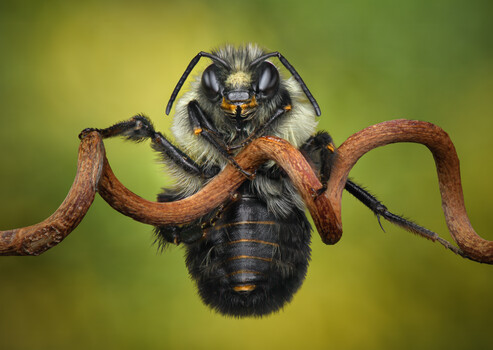
Grip of the Guardian
Oct 20

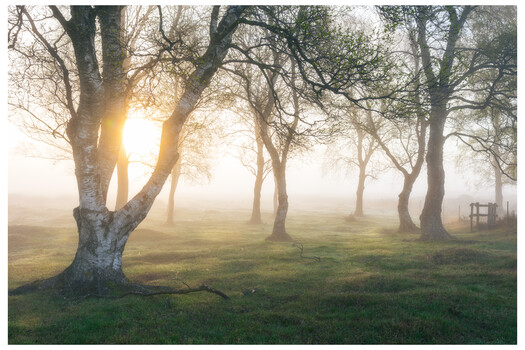
Foggy sunrise
Oct 19

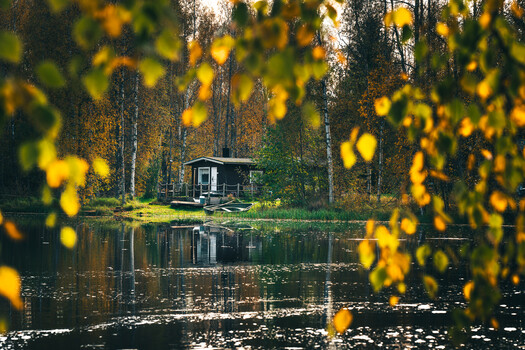
Sauna
Oct 18

Eurofighter Typhoon - Luftwaffe

Oct 17

Nika

Oct 16

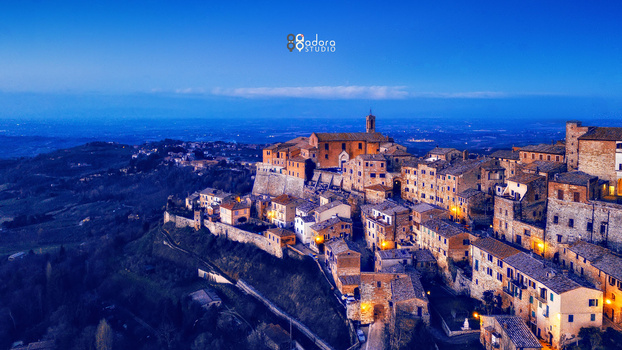
Montepulciano
Oct 15

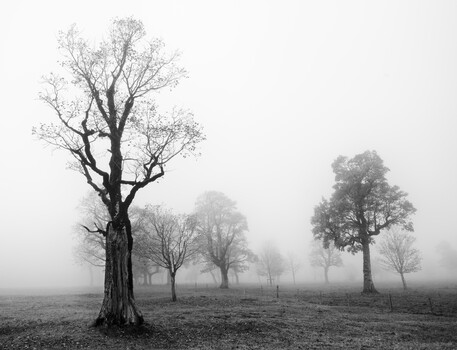
In the Silence of Fog
Editors' Picks










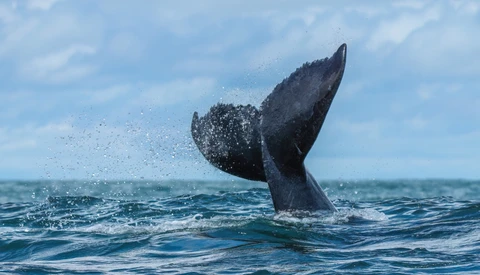
How Two Fluke Photos Revealed a Humpback Had Crossed the World
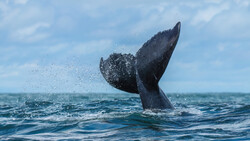
On July 10, 2013, Natalia Botero-Acosta photographed a humpback whale's tail going down in the Gulf of Tribugá, on Colombia's Pacific coast. On August 22, 2022, Ekaterina Kalashnikova photographed a fluke off Fumba, in the Zanzibar channel, on the far side of the planet. The two frames belong to the same animal, and the two sighting points sit 13,046 kilometers apart.
The Best Premium Compact Cameras to Gift This Holiday Season, and Why Buying Used From MPB Makes Sense
You’ve heard it before: the best camera is the one you have with you, and premium compact cameras are what you should be carrying.
Latest Gear Reviews

Active Contests
6
146
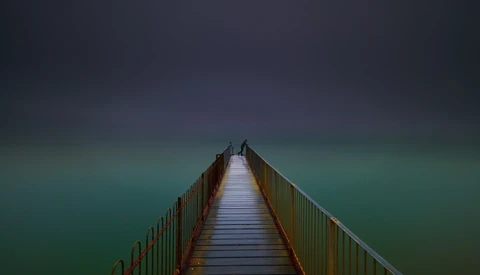
We want to see the images that still give you chills
Welcome to the October installment of the Critique the Community! This month's critique theme is going to be "Scary," and we want to see your best photographs that scared you in some way.
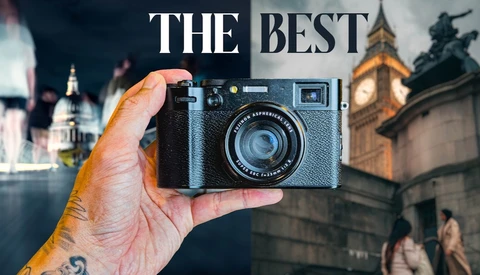
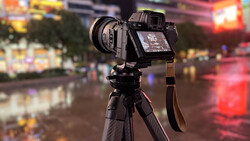
Can the Fujifilm X100VI Handle a Rainy Night in London?
The Fujifilm X100VI is the kind of camera people buy to carry everywhere, and that only works if it keeps delivering once the light fades and the rain starts. A fixed 23mm lens and a body small enough for a coat pocket come with real limits compared with a larger interchangeable lens kit.
Fstoppers Exclusives
The Client Who Told a Photographer She Was Charging Too Little
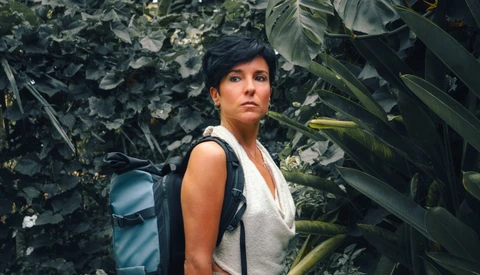
When you teach yourself photography in a city where you don't speak the language, you make every pricing call, portfolio choice, and client pitch without a second opinion. Mistakes made that way can go unnoticed until a client points them out.
Making Intimate Landscapes Around Clear-Cuts and Power Lines
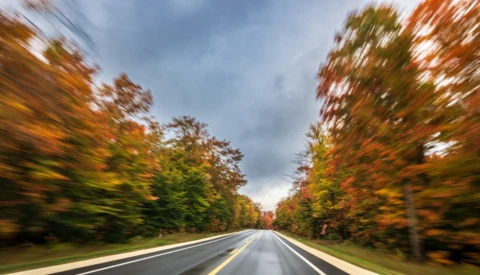
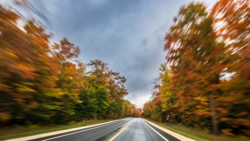
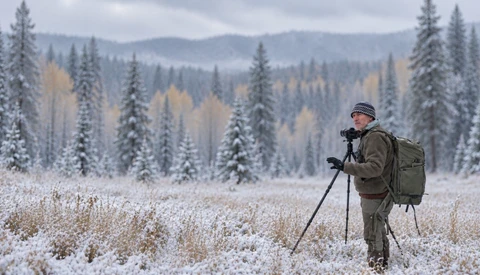
You can drive half a day to reach peak autumn color and find the hillside carved up by a clear-cut, a power line, and a thicket of saplings. Pulling a clean, deliberate frame out of a compromised scene is a skill you'll use far more often than you'll stumble onto a perfect location.
Settings Are Easy to Teach, but Taste Is Another Story
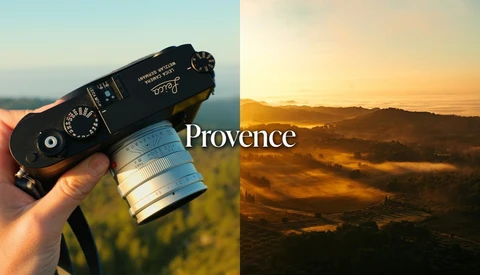
You can learn the settings that keep a photograph sharp in a single afternoon, yet nobody has a reliable formula for the quality that makes someone stop and look at it. That gap between technique and taste is the hardest part of photography to teach.
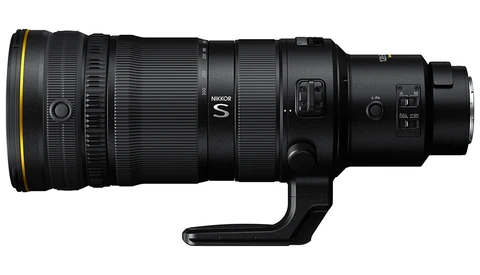
Nikon Announces New NIKKOR Z 120-300mm f/2.8 TC VR S
Top sports and wildlife photography shooters, this one is for you. Today, Nikon announced a new telephoto lens that focuses on getting you close to the action: the NIKKOR Z 120-300mm f/2.8 TC VR S.
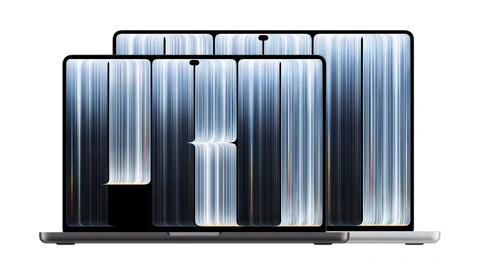
Hands-On With Apple's OLED MacBook Pro: Its Screen Is Stunning in Person
I'm at Apple's launch event at Columbia Square in Hollywood, and I just spent time hands-on with the new 16-inch MacBook Pro with PROLED XDR Display. I'm a huge display snob, and its tandem OLED screen is just stunning in person.
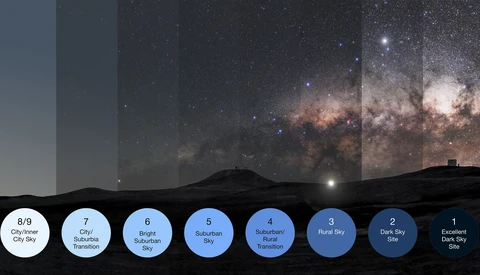
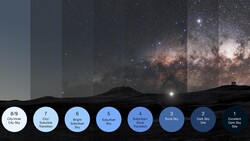
The Night Sky Is Getting 9.6 Percent Brighter Every Year, and 51,351 Naked-Eye Observations Say So
At 19,262 places around the world where people walked outside and counted stars, the satellite that maps Earth at night recorded the ground below getting slightly darker. Across North America, upward radiance measured at those exact sites by the VIIRS Day/Night Band fell 0.80 percent a year. Over those same locations, artificial sky brightness was rising 10.4 percent a year.
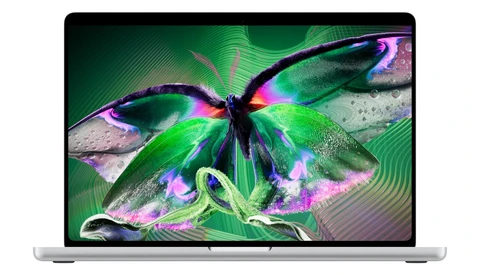
The New MacBook Pro Gets a Stunning OLED Display and Touch
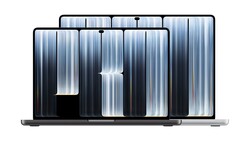
Apple's new MacBook Pro has a tandem OLED display that reaches 2,000 nits, holds a 10,000,000:1 contrast ratio, and covers Adobe RGB as well as P3. For the first time on a Mac, you can also touch the screen.
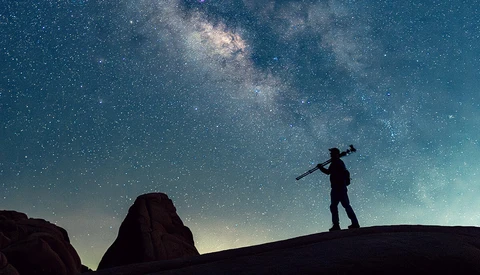
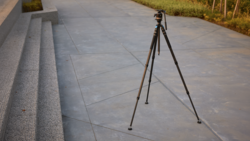
How to Use a Tripod Like a Pro: Field-Tested Tips From a Night Photographer
Here are several easy tips so you can use your tripod like a pro. You'll get the most from your tripod this way, with lessons drawn from professional night photographers who use tripods in genuinely challenging conditions.
First… Get a Quality Tripod
Pros use quality tripods. They know better.
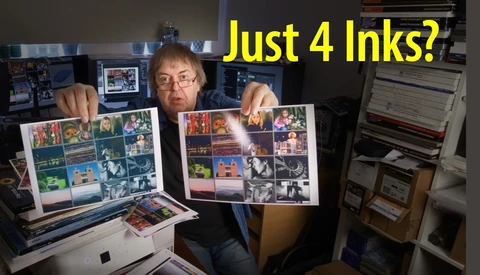
Can a Four-Ink EcoTank Make Prints Worth Framing?
A four-ink EcoTank with dye-based color and a single matte black is about the last printer most people would pick for fine art prints. Its refillable tanks make ink cheap, though, so if the prints hold up, it becomes an inexpensive way to experiment with papers and profiles at home.
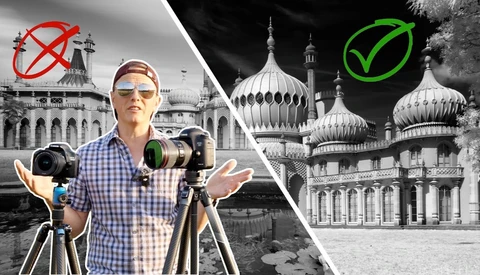
Should You Convert an Old Camera to Infrared or Buy a Filter?
If you've wanted to try infrared, you have two choices: screw a filter onto the camera you already own, or send a body off to be permanently converted. The two routes differ a lot in cost, commitment, and how much patience each shot demands.

How a Pro Rescued a Barber Shoot After His First Idea Failed
A concept that looks great in your head can fall apart the minute your subject steps onto the set, and the clock doesn't stop while you work out why. Knowing when to drop an idea and how to build a new one under pressure is one of the hardest parts of client work, especially when the client needs one specific thing from the images.
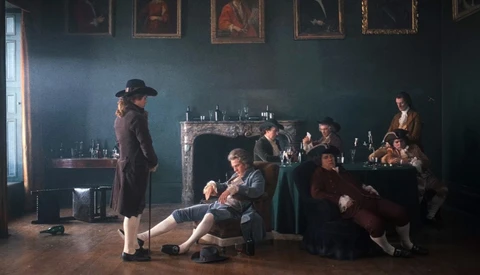
How a Moon-Mapping Lens Ended Up in an 18th-Century Drama
Stanley Kubrick shot entire rooms in "Barry Lyndon" by candlelight in 1975, something that had never been done before in color. The way he did it comes down to a chain of decisions, most of them driven by hard numbers about how much light a film camera actually needs.
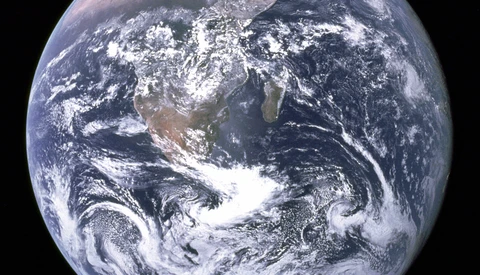
How the 'Blue Marble' Became One of the Most Reproduced Photographs in History
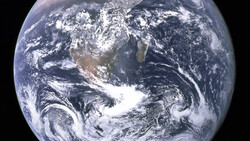
One of the most reproduced photographs of Earth ever made was shot upside down. When an Apollo 17 astronaut framed the fully lit planet through a Hasselblad on December 7, 1972, the South Pole sat at the top and Africa ran sideways, exactly as the crew saw it on the way to the Moon. The version fixed in your memory has been turned a half circle from the original frame.
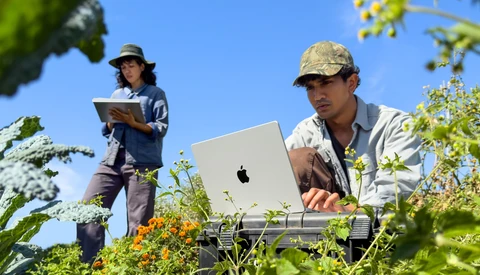
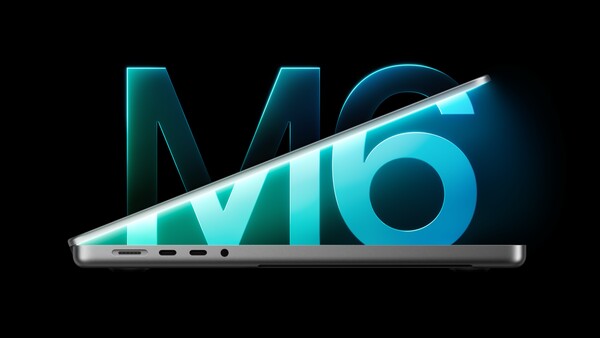
The 14-Inch MacBook Pro and iMac Get Apple's New M6 Chip
Apple's new M6 chip arrived on Tuesday in two Macs at once, the 14-inch MacBook Pro and the 24-inch iMac, with two more CPU cores and two more GPU cores than before. Both pick up Wi-Fi 7 and Bluetooth 6, and both open for preorder on Wednesday, October 28, ahead of a November 6 release.
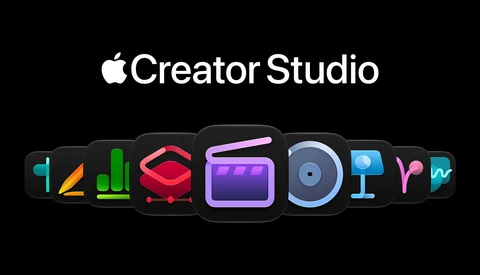
Apple's Creator Studio Update Brings Generate Fill to Pixelmator Pro
Pixelmator Pro is getting Generate Fill, which lets you circle part of a photo, type the change you want, and have the app rebuild that area to match the light, perspective, and texture around it. It arrives in November as part of a free update to Apple Creator Studio, alongside built-in MotionVFX effects in Final Cut Pro and new AI assistants in Logic Pro, Keynote, Pages, and Numbers.
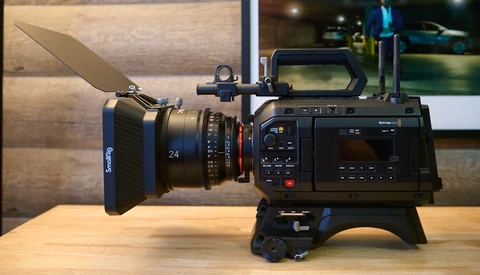
Why I Chose The Blackmagic Design URSA Cine 12K LF For My Latest Film
For my latest film, The Love Nest, I opted to shoot using the Blackmagic Design URSA Cine 12K LF. Here's a little of what went into the decision, as well as some of the results.
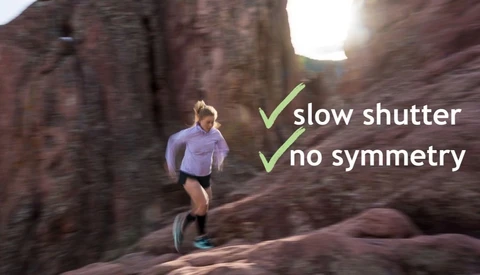
Photography Rules Worth Breaking, and a Few Worth Keeping
Shoot wide open, keep your ISO as low as it will go, and save your landscapes for golden hour. You've heard all of it, and most of it holds up until a client books a noon ceremony or a waterfall starts looking better blurred than frozen.

Apple Releases New $1,499 M6 iMac
Apple today announced a new iMac with the M6 chip, starting at $1,499 for a model with a 10-core CPU and 10-core GPU. Pre-orders open tomorrow, October 28, and the first machines arrive Friday, November 6. For photographers, the chip is a real step up, but the screen hasn't changed, and the cheapest model gives up a few things the old one had at the same price.
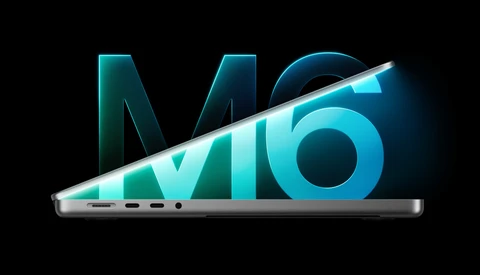
Apple's New M6 MacBook Pro Isn't What Fans Were Hoping For
Apple fans have been waiting for a touchscreen MacBook Pro with an OLED display. Instead, Apple released an entry-level 14-inch MacBook Pro with its new M6 chip, starting at $1,999.
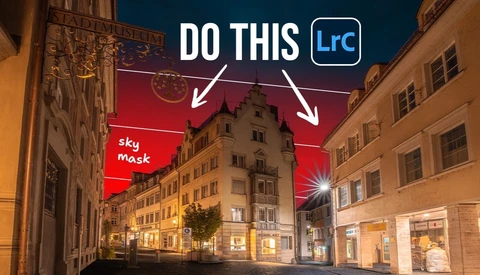
The Inverted Mask Trick for Cleaner Skies in Lightroom
A clear blue sky sounds like a gift until you open the file and find a flat, even band of color behind your subject with nothing to hold the eye. Lightroom's AI masks can fix that in a few clicks, and the sky selection most people reach for first isn't always the cleanest one.

Why Your Background Blur Doesn't Match the Tutorial
The f-number on your lens tells you how bright your exposure will be, and it says far less about how blurry your background will turn out. If you've ever copied a recommended aperture and ended up with a frame that looked nothing like the example, the gap usually traces back to the size of your sensor and how far you stood from your subject.
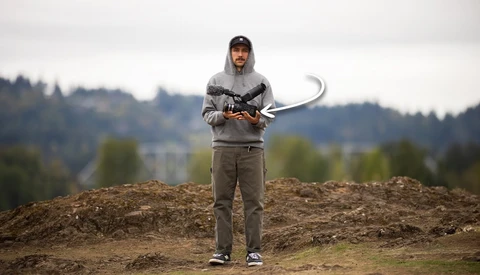
Can the Sony FS100 Still Handle Real Interview Work?
The Sony FS100 records 1080p to 8-bit files, has no built-in ND filters, and is well over a decade old, yet plenty of filmmakers relied on it for documentaries and corporate interviews. Cheap used cinema cameras like it raise a fair question about how much of a good image comes from the camera and how much comes from the person running it.