Featured Articles


Fstoppers Community
Photo of the Day
Jun 8

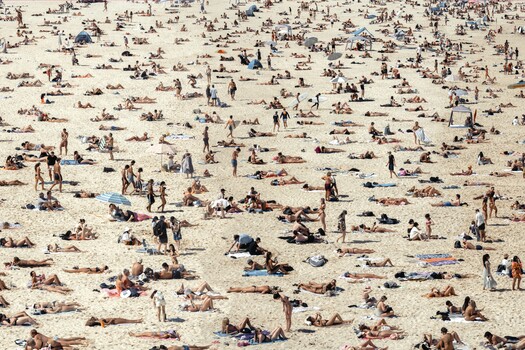
Max capacity
Jun 7

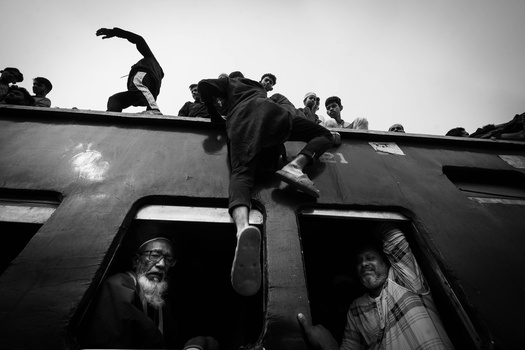
The spider on the train.
Jun 6

Shirtless

Jun 5

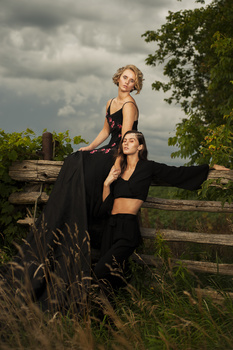
Kin
Jun 4

... rare beast ...

Jun 3

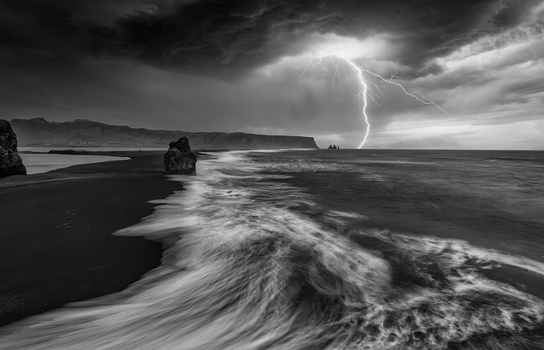
A Rare Storm
Jun 2

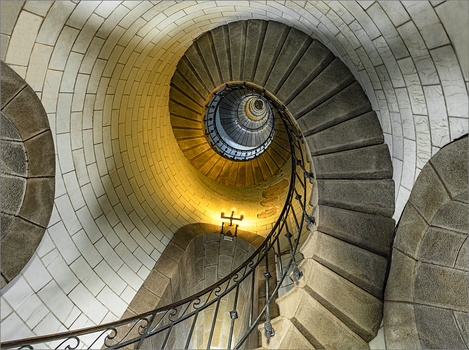
Phare d’Eckmühl_Bretagne
Jun 1

Olive Tones - Dukkah

May 31

Charlotte

May 30

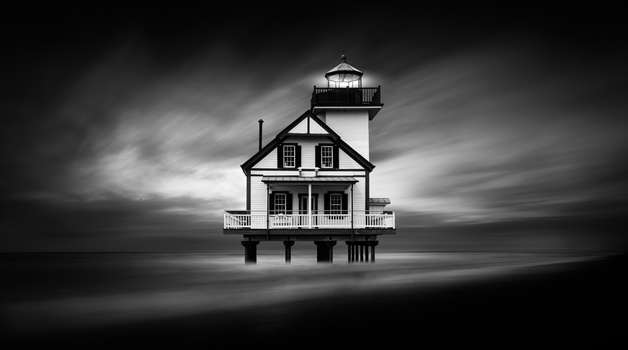
The Long Watch
May 29

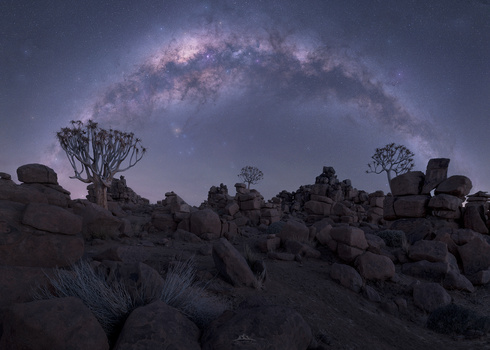
Dreaming Under The Stars
May 28

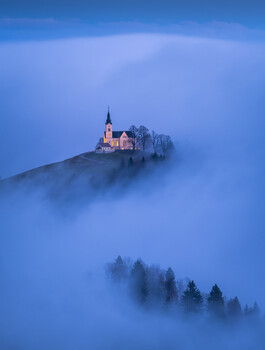
Foggy hilltop church
May 27

Motherhood

May 26
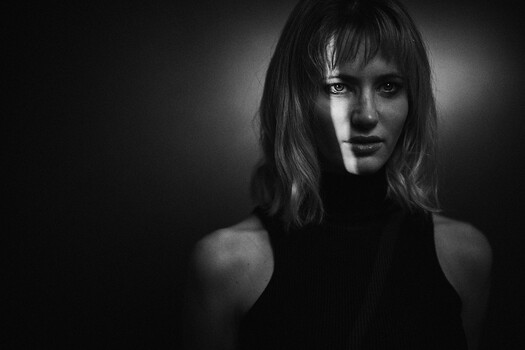
Clara Kovacic
May 25

Moonpiercer

Editors' Picks

Bjarnarhöfn

Reach to the sky

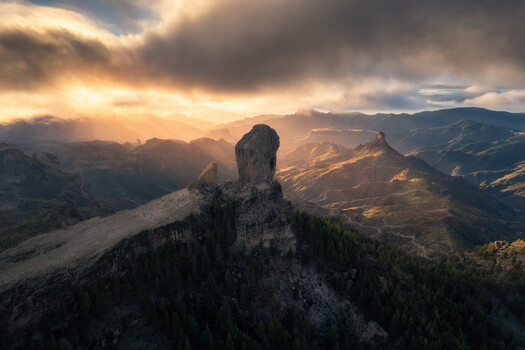
Roque Nublo

Cowboys Waiting


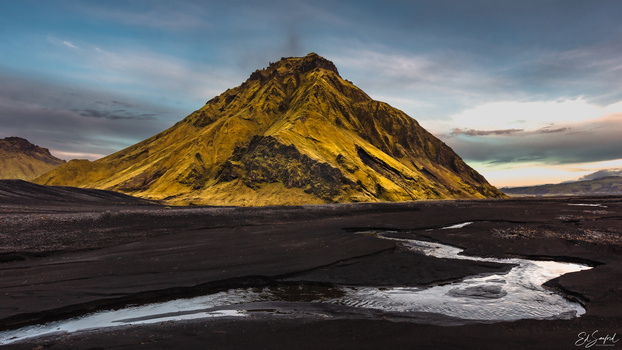
Stream, Black Sand & Foothill, Vik Iceland

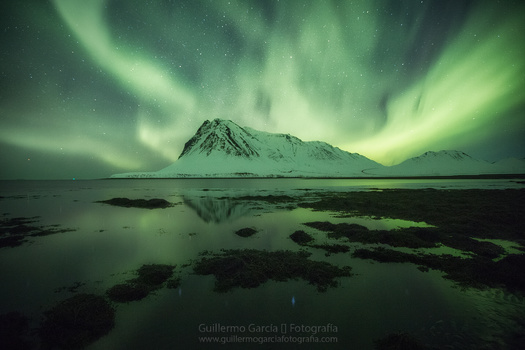
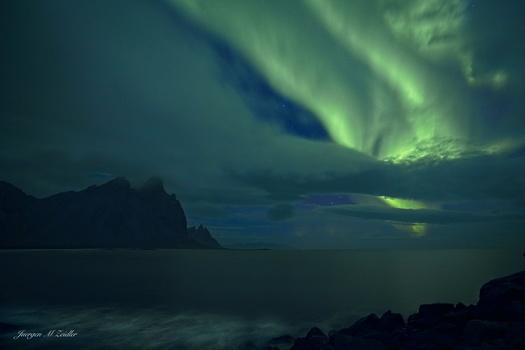
Vestrahorn Aurora

Patibulaire
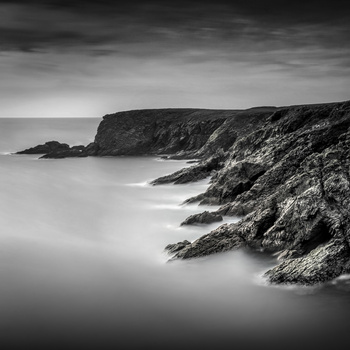
Père Eternel
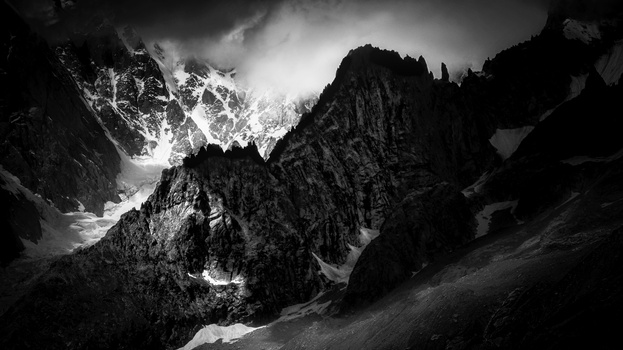
Sea Dragon
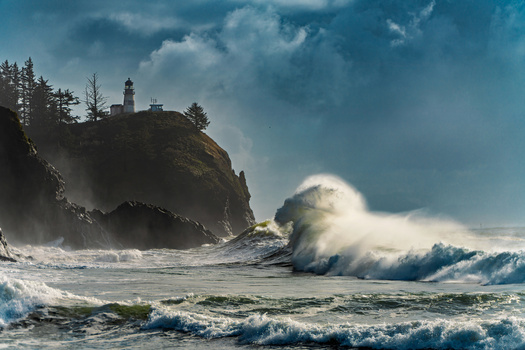
National Gallery of Art
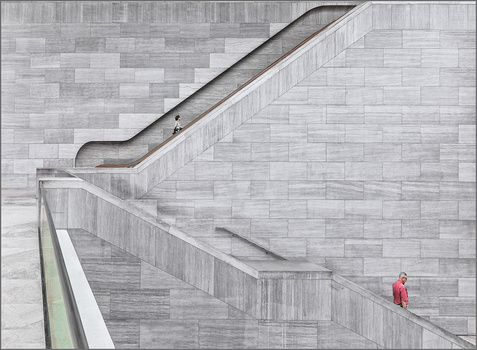
National- and University Library of Strasbourg_2
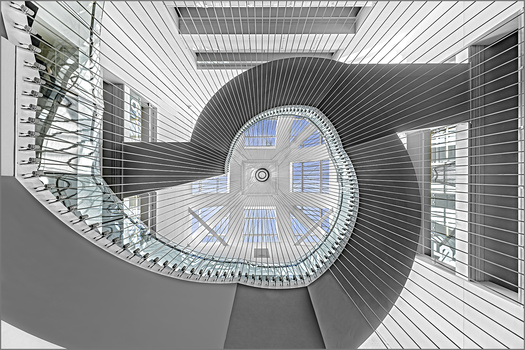
Staircase / Musée Unterlinden

Metropol Parasol / Sevilla

Spiral staircase at Leica


Onions & Garlic Still Life

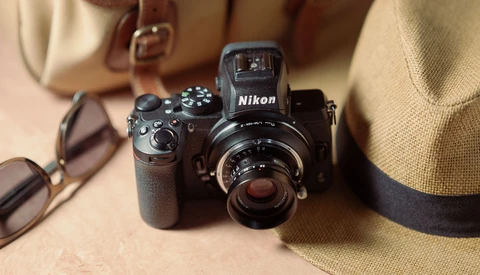
Small APS-C Cameras, Big Results: Travel Photography Kits That Don’t Weigh You Down
I was in Bilbao earlier this year, and a photographer appeared from around a narrow backstreet with a massive backpack and a huge full frame camera and zoom lens hanging from his neck. He carefully took the obviously heavy pack off and placed it on a chair outside a cafe. The relief on his face, to take a break from lugging all that weight around, was telling.
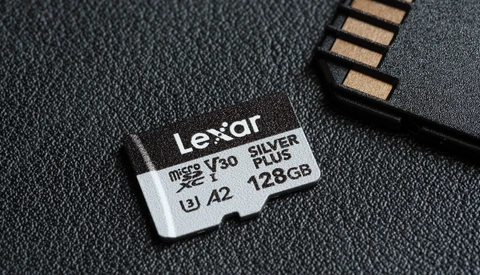
We Review the Lexar Silver Plus MicroSD Memory Card
Let's be honest, buying a memory card is probably the most boring part of picking up new gear. It's not a shiny new lens or a camera with a red badge. But if we're being real, it is arguably the most critical piece of the puzzle. Without a memory card, cameras without built-in memory will not be able to save any data, essentially becoming an overpriced paperweight.
Latest Gear Reviews




Active Contests

3
97
Submit Your Best Long Exposure Shots
Welcome to the June Critique the Community! For this contest/critique, we are doing another abstract theme that should allow more photographers to enter. For this month we want to see your best photograph that feature "Motion Blur".
The Biggest Debates in Landscape Photography, Settled (Sort Of)
Landscape photography is full of confident, contradictory advice. Two people can disagree completely on the same topic and both sound completely sure of themselves, which makes it hard to know what to actually believe, especially early on.
Fstoppers Exclusives

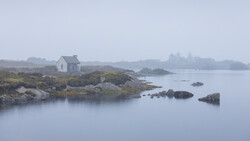




16 Years of Shooting Film: What Actually Changed and What Got Worse
Film photography cost less, took longer, and had far fewer options in 2010 than it does today. Els Vanopstal has been shooting film since that year, and the contrast between then and now covers everything from what you pay per roll to how you get your negatives back.
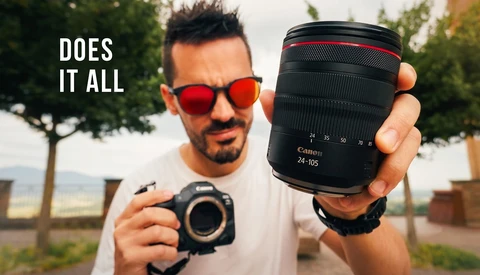
Canon RF 24-105mm f/4L Review: 2,000 Photos Later, Was It Enough?
The Canon RF 24-105mm f/4L IS USM is one of those lenses that tends to get overlooked once you've moved on to faster glass. If you've been shooting with f/2.8 zooms and primes, it's easy to assume the f/4 version isn't worth reaching for anymore.
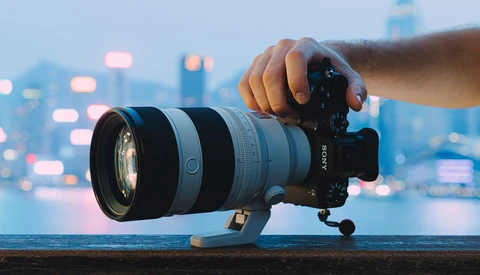
A Towed Car, a Rooftop, and One Shot at a Spiral Driveway
Shooting cars at night in a city like Hong Kong is a different challenge than a controlled studio setup or a daytime location shoot. You're working with mixed artificial light, heavy traffic, unpredictable locations, and gear decisions that have real consequences when you only get one chance at a shot.
Why Your Next Upgrade Should Be a Lens, Not a Camera
The most common question beginners ask after buying their first camera is some version of "what should I upgrade to next?" The answer they expect is a better camera body. The answer that will actually improve their photographs is almost always a better lens.
Are You Stuck in a Photography Rut?
There have been plenty of times over the years when I have had to say the same thing to myself.

Overestimating the Scene: The Mistake Experienced Photographers Keep Making
Experienced photographers rarely miss the scene. They know what to look for. They arrive with a clear idea, and that is exactly where the error begins. Instead of reading what is in front of them, they start looking for confirmation of what they came for.
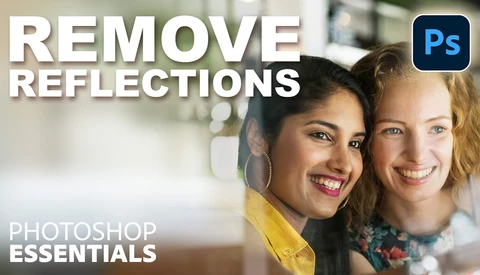
Photoshop 2026's New Reflection Removal Tool: What It Does and Where It Fails
Photoshop 2026 just added automatic reflection removal, and it's the first time the tool has been available in the application. If you shoot through glass, windows, or any reflective surface, this is worth your attention.
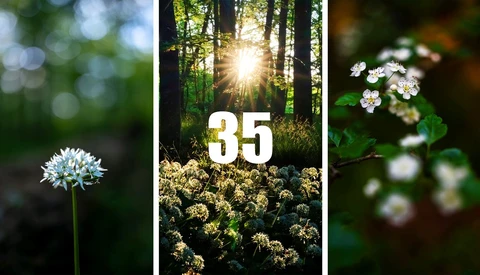
What Happens When You Shoot Landscapes at f/1.2
The Viltrox 35mm f/1.2 is built for portraits and low light, but Mads Peter Iversen took it into the forest for landscape work to see how far it can stretch. That tension between a wide-open prime and a genre that typically demands stopped-down sharpness makes for a genuinely interesting test.
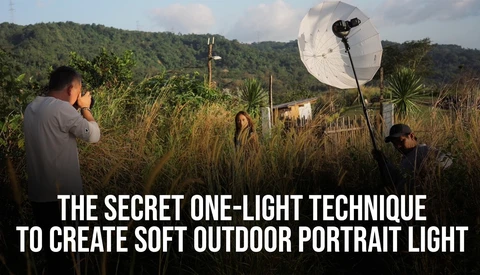
One Speedlight, One Umbrella, and a Lighting Trick That Actually Works
Shooting portraits in bright outdoor light is one of the harder problems to solve with a single speedlight. The sun is usually too strong, your flash can't keep up, and the results look forced. Here's a specific technique that sidesteps all of that, and it's simpler than most people expect.
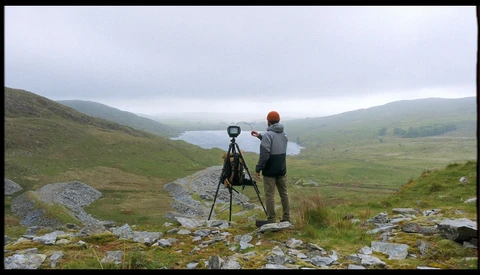
Ilford HP5, a 4x5 Camera, and a Ruined Victorian Quarry in North Wales
Shooting large format film in an abandoned Welsh slate quarry sounds like a niche pursuit, but the images that come out of locations like this are unlike anything a modern digital workflow produces. The combination of 4x5 film, dramatic ruins, and unpredictable natural light creates a specific kind of pressure that forces deliberate, considered photography.

Photographers Will Be Impressed With the New Photo Features in iOS 27
After some false starts, Apple has gone all out for the upcoming iOS 27, due this fall. There's a greatly improved Siri, based on Google's Gemini, and a host of AI features. Our readers will be most interested in the new photo-taking and editing features in iOS 27, and I was able to download the developer beta for a quick look around.
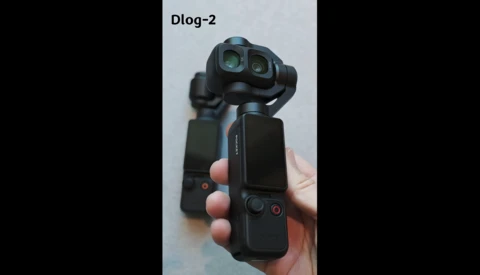
Will This Be the New King of Content Creation Cameras?
The whole vlogging camera market looks like it could be about to shift again, and the company that really set the standard for this category seems ready to make its mark once more.
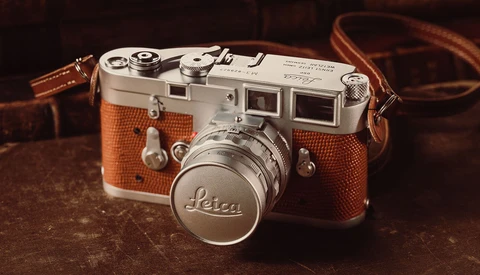
I Bought The Best 35mm Camera in The World — And Made It Better
I know I've talked about my renewed interest in old film cameras before. Therefore I won't go over old ground in detail. I'll just say the main reason was the desire for a pure photography experience once again, without technology getting in my way. The only new digital camera that has given me that so far is a Leica Q2 Monochrome I purchased three years ago. I've enjoyed the experience so much, in fact, I craved more. Well, really I should say, I craved less!
Understanding ISO in Photography: What Finally Made It Click for Me in the Field
When I first started learning photography, ISO was probably the setting I understood the least.
Shutter speed made sense because I could see movement blur or freeze. Aperture made sense because I could see depth of field changing in the image. ISO, however, felt far more abstract. I knew it made the image brighter or darker, but beyond that I mostly treated it as a setting to avoid touching unless absolutely necessary.

The Camera Industry Ignores Its Youngest and Oldest Customers
The camera industry designs products for a narrow band of humanity. Browse the marketing material from Canon, Nikon, Sony, Fujifilm, or any other manufacturer and the target buyer is consistent: a 25-to-45-year-old enthusiast or professional, fit enough to carry a kilogram of gear on a mountain, dexterous enough to operate tiny buttons in the dark, and technically literate enough to navigate a 400-item menu system. The cameras are excellent for this person. They are less excellent for the two populations on either side of that band: the photographer over 60 whose hands, eyes, and patience have different requirements than they did at 35, and the child under 12 who wants to take real photographs with a camera that can survive being a child's possession.
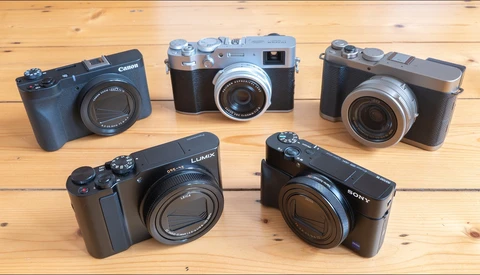
Five Premium Compact Cameras Tested Side by Side: Which One Actually Wins?
Choosing a premium fixed-lens compact camera is harder than it looks, because the category spans everything from true shirt-pocket cameras to chunky near-mirrorless bodies, and the right answer depends almost entirely on what you actually shoot. The Canon PowerShot V1, Fujifilm X100VI, Panasonic Lumix LX10, Panasonic Lumix ZS300, and Sony RX100 VII are not variations on the same theme; they make fundamentally different tradeoffs across sensor size, lens range, portability, and price.
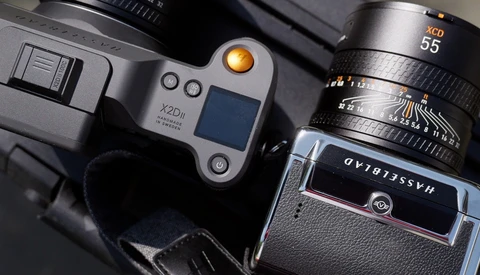
Hasselblad X2D II vs. 907X 100C: Same Sensor, Very Different Cameras
Choosing between the Hasselblad X2D II and the Hasselblad 907X 100C is genuinely difficult, and not just because both cost the same and share the same 100-megapixel sensor. The decision comes down to something more personal than specs, and getting it wrong at this price point is an expensive lesson.

How to Start Wedding Photography
The exposure triangle, autofocus modes, backup systems, flash technique, portfolio curation, and scam awareness — wedding photography demands you get competent across all of them before your first paid job. Miss any one, and you'll either lose the shots, lose the files, or lose money from your bank account.
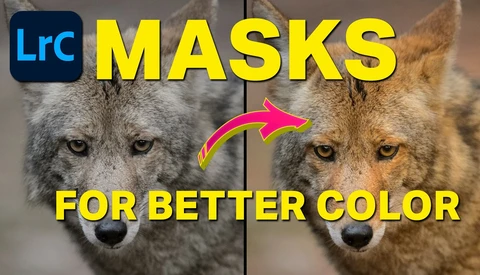
Three Images, Three Masking Strategies: Color Control in Lightroom Classic
Lightroom Classic's color masking tools can target individual hues in a scene without touching anything else in the frame. If you've ever pumped up saturation only to watch every color in the image shift at once, masking by color range solves that problem directly.
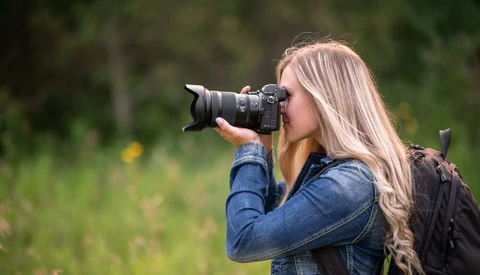
5 Lenses Nobody Gets Excited About That Produce More Photos Than Anything in Your Bag
Photography publications, including this one, spend most of their editorial energy on exciting lenses. The fastest aperture in the category. The sharpest optic in the lineup. The new release that leapfrogs last year's model. The GM, the Art, the L-series, the S-Line flagship. These are the lenses that generate press coverage, forum arguments, and YouTube thumbnails with wide-eyed reviewers holding glass that costs more than a used car.

Why Slowing Down Improved My Landscape Photography
One of the biggest changes in my photography did not come from buying new gear, learning a complicated editing technique, or traveling to better locations. It came from something much simpler. I stopped relying on the idea that I could fix everything later in editing.

How Does the NIKKOR Z MC 105mm f/2.8 VR S Macro Lens Fare for Flower Photography?
Today, I decided to try something new. So, join me on a walk through the park with the NIKKOR Z MC 105mm f/2.8 VR S macro lens.