
Featured Articles

Fstoppers Community
Photo of the Day
Jun 16

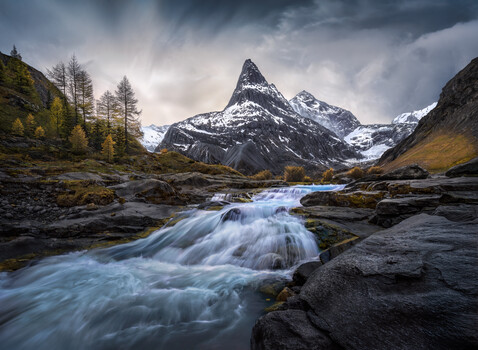
Ferpecle Glacier
Jun 15

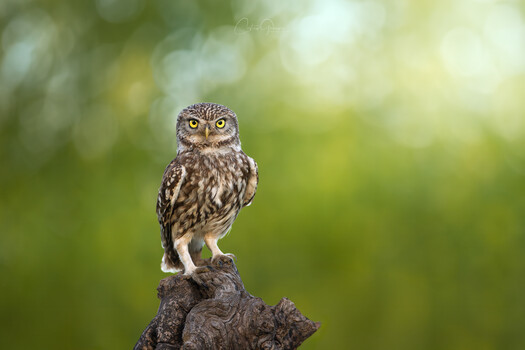
Small hunter
Jun 14

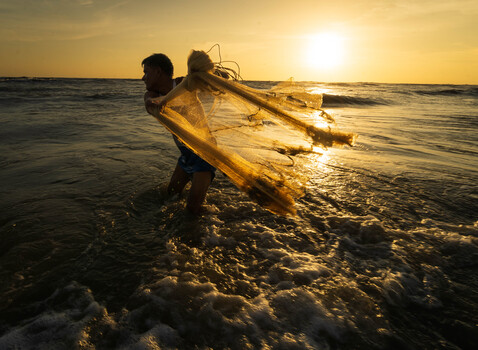
Fishing in the last light.
Jun 13

Release
Jun 12

Anahid

Jun 11

Cracked Turkey
Jun 10
Common Ringed Plover
Jun 9

Lina
Jun 8

Max capacity
Jun 7
The spider on the train.
Jun 6

Shirtless

Jun 5

Kin
Jun 4

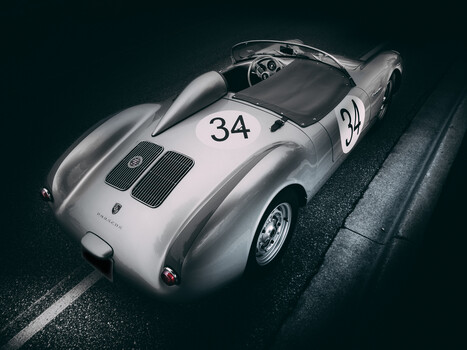
... rare beast ...
Jun 3

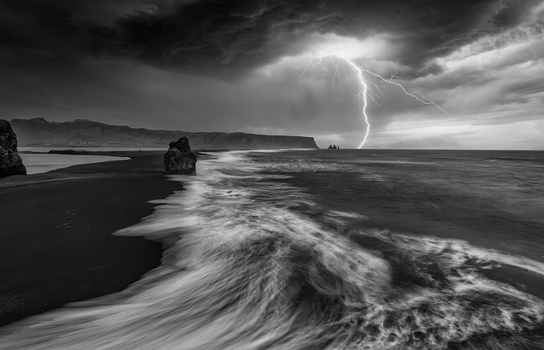
A Rare Storm
Jun 2

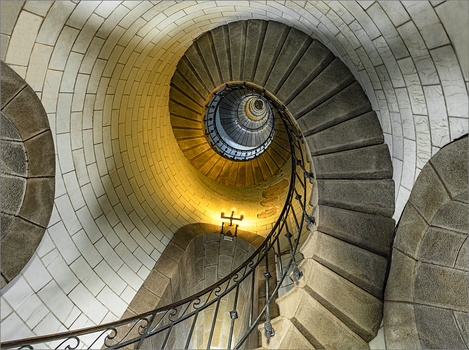
Phare d’Eckmühl_Bretagne
Editors' Picks

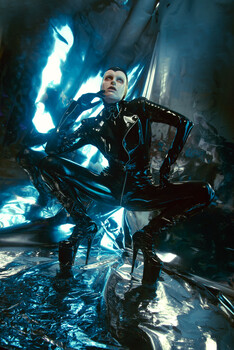
Alien
Bjarnarhöfn
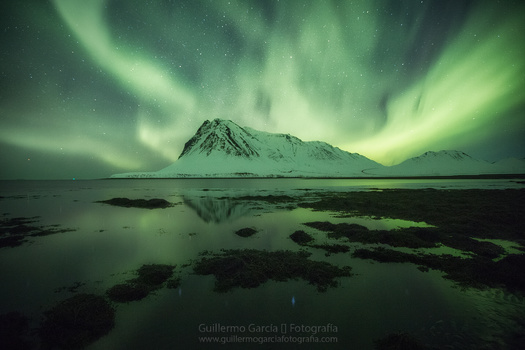

Reach to the sky
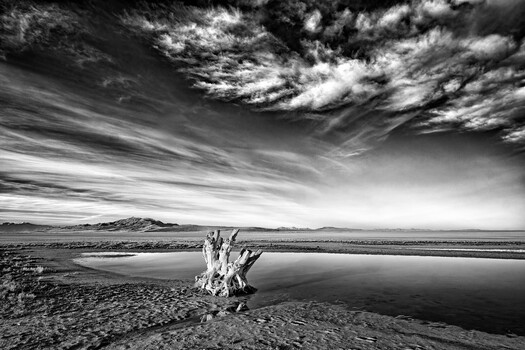

Roque Nublo
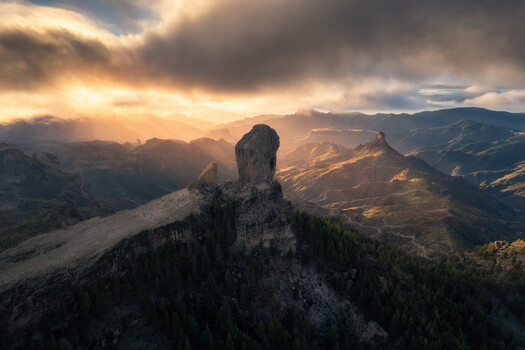

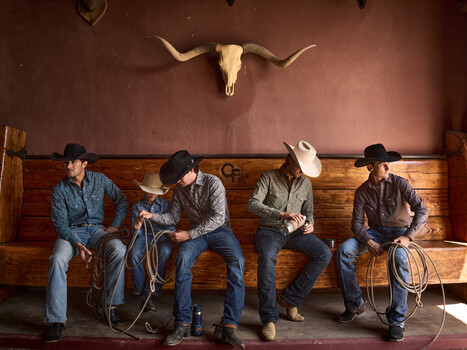
Cowboys Waiting

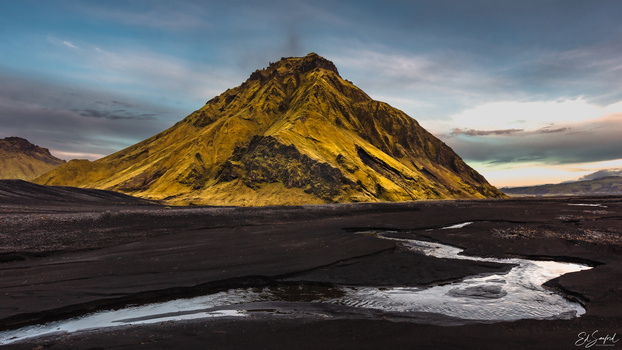
Stream, Black Sand & Foothill, Vik Iceland

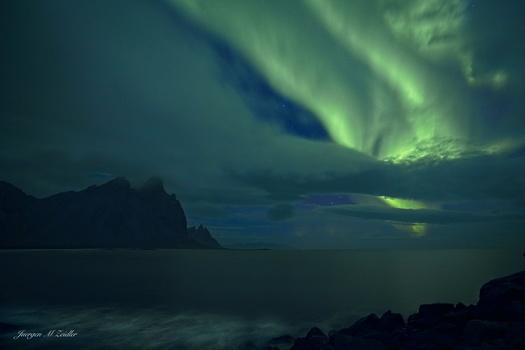
Vestrahorn Aurora

Patibulaire
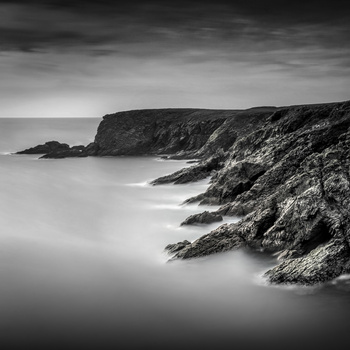
Père Eternel
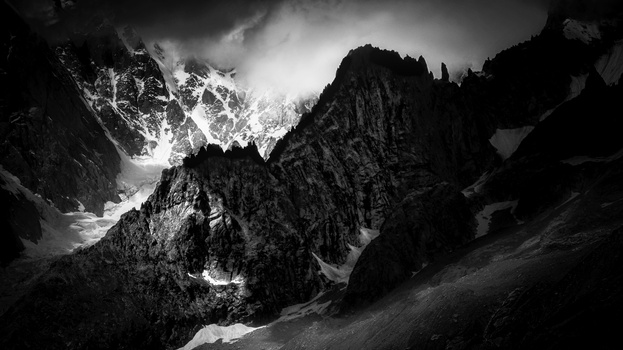

Sea Dragon
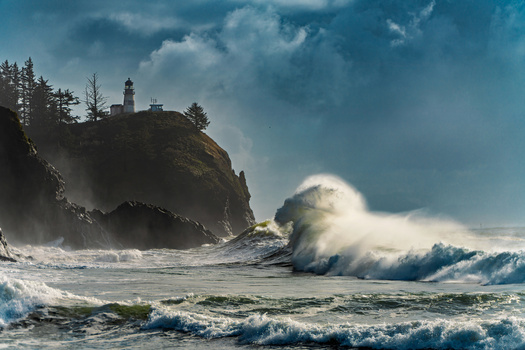
National Gallery of Art
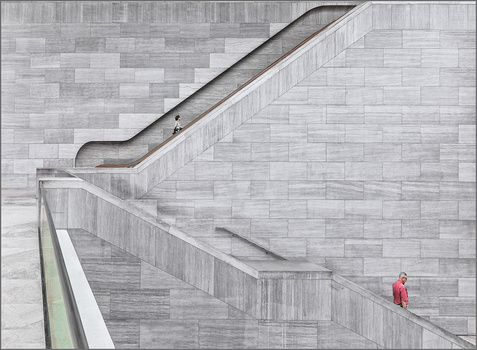
National- and University Library of Strasbourg_2
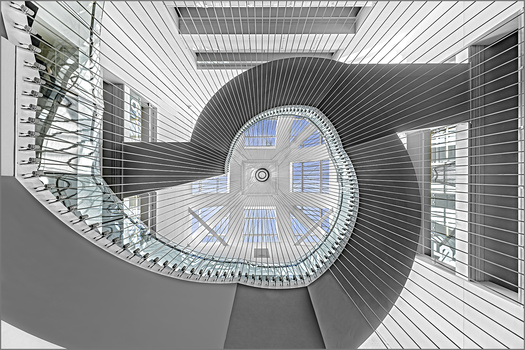
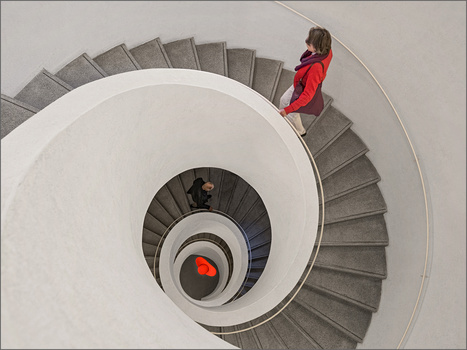
Staircase / Musée Unterlinden
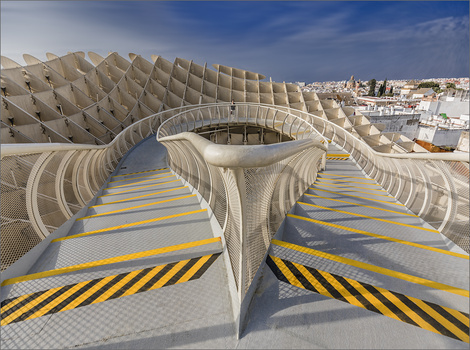
Metropol Parasol / Sevilla
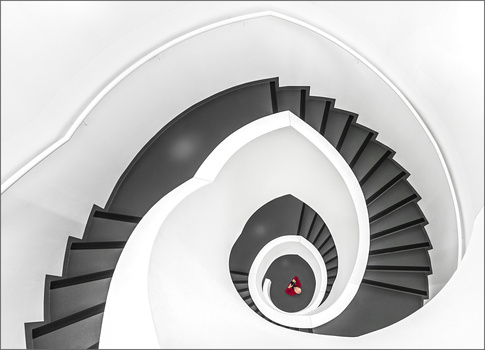
Spiral staircase at Leica
The Real Difference Between 40mm and 50mm for Portraits, Weddings, and Travel
Choosing between a 40mm and 50mm lens looks simple on paper, but in real shooting situations, the gap between them matters more than the numbers suggest. The field of view difference alone can determine whether you get three people in a wedding cocktail hour frame or two.
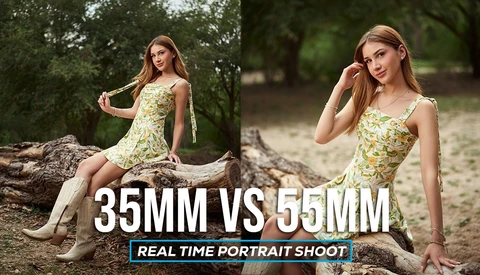
Viltrox 35mm vs. 55mm Evo: One Lens Won a Full Portrait Shoot in Texas Heat
Choosing between a 35mm and a 55mm lens for location portraits isn't just a focal length debate. Shot in harsh midday Texas sun, this head-to-head between two of Viltrox's most talked-about Evo lenses puts the decision in a real-world context that gear charts can't replicate.
Latest Gear Reviews

Active Contests

3
168
Submit Your Best Long Exposure Shots
Welcome to the June Critique the Community! For this contest/critique, we are doing another abstract theme that should allow more photographers to enter. For this month we want to see your best photograph that feature "Motion Blur".

Real Estate Photos That Look Fake: Five Mistakes Quietly Ruining Your Work
Shooting real estate with the right gear is only half the battle. Even with a solid camera and lens kit, a handful of repeated technical mistakes will quietly drag your images below the level clients expect and competitors deliver.
Fstoppers Exclusives




40-150mm Plastic Fantastic: Can a $100 Lens Actually Deliver?
Sharpness is one of photography's most debated specs, and it's also one of the most overrated. The Olympus 40-150mm f/4-5.6 R is widely considered one of the least sharp lenses in the Micro Four Thirds lineup, and Chris Baitson decided to take it out for a full shooting session anyway.
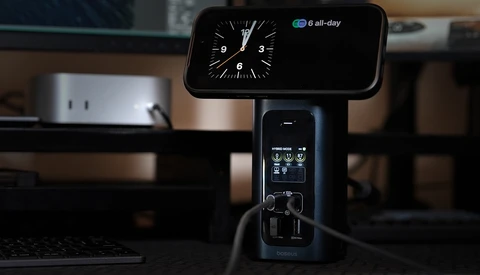
The Baseus Spacemate RD1 Pro Docking Station Aims to Make Your Desk Efficient and Uncluttered
If a docking station can support or charge everything you use on your desk, this might be it. This 15-in-1 docking station powers all your devices safely and efficiently while keeping your desk neat.
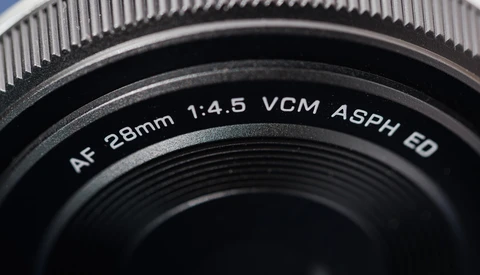
Viltrox 28mm F/4.5 L Review: An L-Mount Lens With the Size of a Body Cap
Behind every lens decision is a balancing act between autofocus, portability, and excellent optical quality. It usually feels like you can only pick two. But with the introduction of Viltrox's second L-mount lens, the AF 28mm f/4.5 L, we might have just found a recipe that genuinely delivers on all three fronts by making the compromise elsewhere: a fixed, slower aperture. In this article, I will be putting this tiny lens to the test to see if it actually holds up its end of the bargain—translating a spec sheet into real-world performance.
Equipment vs. Skill: What Happens When a Professional Shoots on a Phone
Spend enough time on Fstoppers and you'll notice a pattern. We talk about gear. I'm here to tell you one thing: gear isn't going to make you a better photographer.

Should The Camera Industry Make a Left-Handed Camera?
Roughly 10% of the global population is left-handed. That is approximately 800 million people. In almost every industry that manufactures hand-operated tools, those 800 million people can buy a product designed for them. In the camera industry, they cannot.
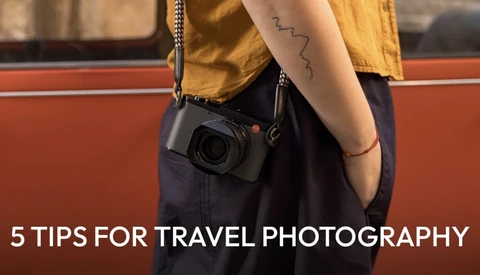
These Five Tips Apply to More Than Travel Photography
I'm always curious to see what accomplished photographers use as their "rules of thumb" or "best practices." This video offers five tips to improve anyone's travel photography, including one I wish I'd heard before my recent trip.
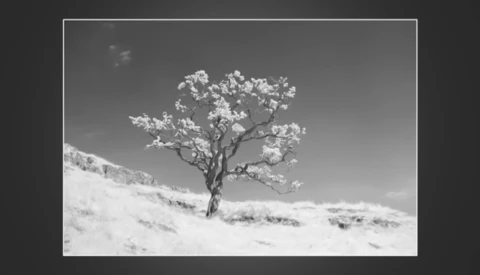
Gear Doesn’t Matter. Yes it Does
Trying different genres of photography can be both challenging and rewarding, especially when you either feel like a change or when the seasons force your hand. But have you ever considered infrared?
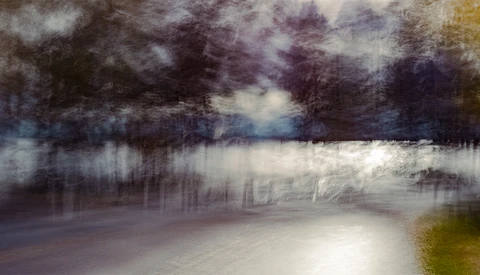
Understanding ICM, Part Three: Legitimacy
The deficit of trust in ICM stems from an underdeveloped language of results. While we can describe how to move the camera, we lack the criteria to evaluate what has emerged. This final part addresses the legitimacy of formal photographic practice in a culture dominated by "image-as-statement" and examines why beauty, without a named visual task, is so easily reduced to a gimmick.
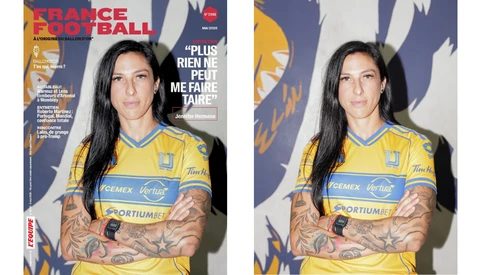
How I Photographed a France Football Cover in Mexico
What photographing Jennifer Hermoso taught me about editorial photography, trust, and why magazine covers still matter.
Magazine covers still matter.
That may sound almost old-fashioned in a time dominated by feeds, algorithms, and endlessly scrolling images that disappear seconds after being seen. Yet the magazine cover remains a strange exception. It still carries weight, it still feels curated rather than accidental, and perhaps most importantly, it still says something about the image selected to represent an entire story.
Aftershoot Just Became an Entire AI Photography Workflow
AI software for photographers is getting so good that it is both incredible and a little horrifying. Every few months, a new app claims it can save us time, but most of them still only handle one piece of the job. Aftershoot’s newest update feels different.

How to Set Up Back-Button Focus (And Why So Many Pros Swear by It)
Almost every camera you have ever used works the same way out of the box: press the shutter button halfway to focus, press it all the way to take the photo. One button, two jobs. It is so intuitive that most photographers never question it. You half-press, the camera focuses, you press the rest of the way, the shutter fires. Simple.
What Type of Photographer Are You, and Are You Sure?
Do you have problems defining yourself as a photographer? Do other people label you as a certain genre of photographer, but you feel that label is incorrect? If so, or even if you don't care about labels, this is a great video to make you think about what you shoot and why.
The Viltrox 90mm f/2.2 Evo Is Surprisingly Hard to Put Down
The Viltrox 90mm f/2.2 Evo is one of those lenses that shouldn't perform as well as it does at its price. At $369, it sits in territory where you'd normally make compromises on sharpness, autofocus, or build quality, and this lens largely refuses to do that.
Long Exposure Sunrise at Spurn Point Shows Why You Should Revisit Familiar Locations
Spurn Point is one of the most dynamic coastal locations in the UK, and right now it looks completely different from how it did just a few months ago. If you shoot long exposures on the Yorkshire coast, that change matters more than you might expect.
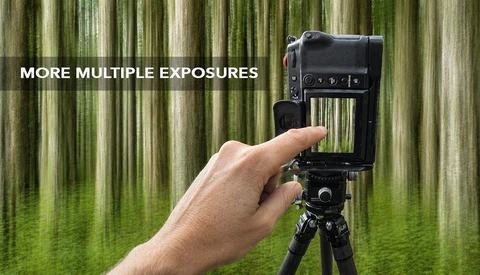
The In-Camera Multiple Exposure Technique That Turns Forest Photos Into Abstract Art
Multiple exposure photography sits at an interesting intersection of technique and abstraction, and the way you execute it in-camera versus in post produces genuinely different results worth understanding before you commit to one approach.
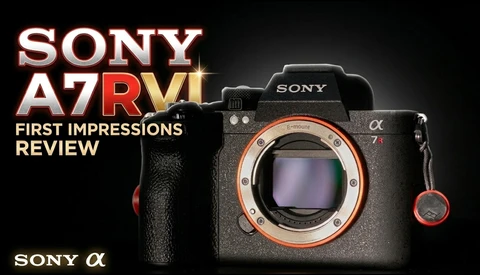
Sony a7R VI: The Upgrades That Matter and the Tradeoffs Nobody's Talking About
The Sony a7R VI sits at just under $5,000, and it's aimed squarely at shooters who want maximum resolution without sacrificing speed. What makes this camera unusual is that it manages to close the gap between high-resolution and high-speed shooting in ways the Sony a7R V simply couldn't.
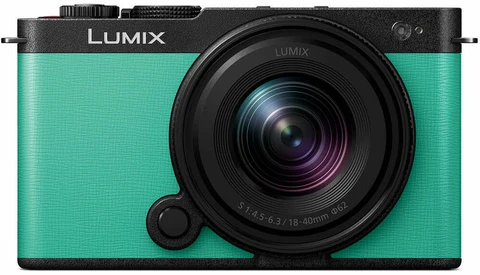
Your Camera Is an Object. It Should Be a Beautiful One.
Somewhere in a closet or on a shelf, many photographers have a camera they love holding. Not because it has the best sensor or the fastest autofocus or the most impressive spec sheet, but because it feels right in the hand and looks right hanging from the neck. The texture of the grip. The color of the body. The glint off a machined aluminum dial when you tilt the camera in your hand. These are not specifications. They are qualities, and they affect how often the camera leaves the house, which is the only variable that determines how many photographs get made.
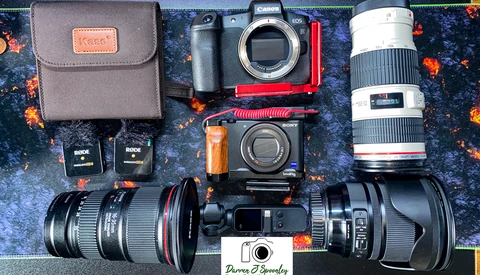
Why I Stopped Bringing Every Lens I Own Into the Landscape
There was a time when I believed being prepared for landscape photography meant carrying as much gear as possible.
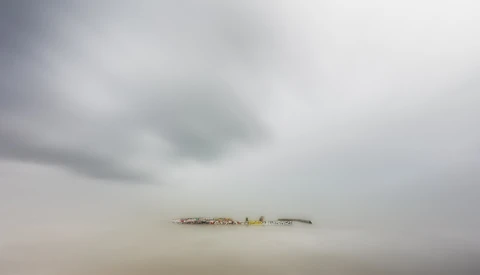
The Lie of Authentic Landscape Photography
"There's no way the scene looked like that when you took the picture. Show us the raw file." Have you ever had questions like these asked of you when sharing your work online?
From Beginner to Professional, These Tips Can Improve Your Images
It doesn't matter if you are a hobbyist or a professional photographer; everyone needs to reset and remind themselves of some simple truths of the genre from time to time. This video offers excellent advice that every photographer should consider whenever they pick up a camera.
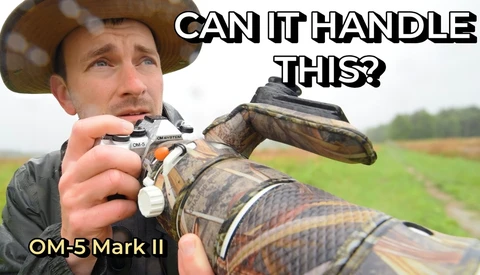
The OM System OM-5 Mark II Gets Put Through a Brutal First Field Test
Picking the right weather-sealed camera for wildlife shooting in genuinely rough conditions is harder than it sounds, and most reviews don't test gear the way it actually gets used. Todd DeWald took the OM System OM-5 Mark II out for its first field session in 45-degree, rainy, wind-blown grassland conditions to find out exactly what this camera can handle before committing to a full month of testing.
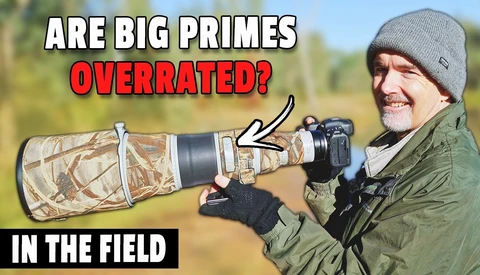
The Real Reason Wildlife Shooters Switch From Primes to Zooms
Shooting wildlife with a 500mm prime is a commitment. The reach, the image quality, the background compression — nothing quite replicates it, but there are real trade-offs that push even experienced wildlife shooters toward zoom lenses over time.