Featured Articles


Fstoppers Community
Photo of the Day
Oct 16

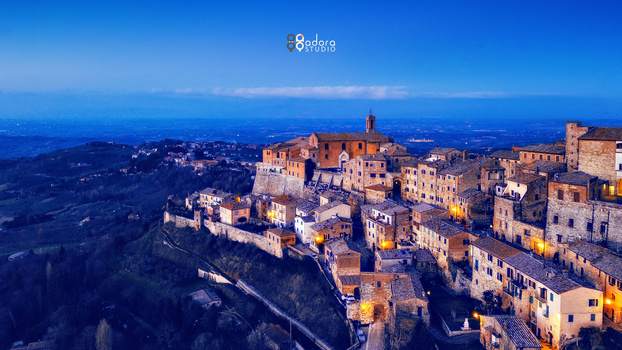
Montepulciano
Oct 15

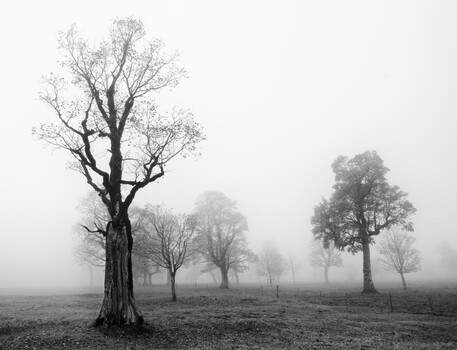
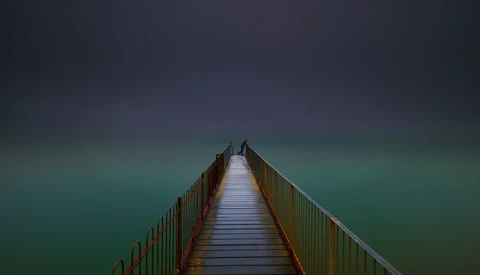
In the Silence of Fog
Oct 14

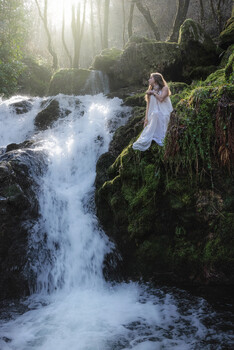
Eldamar’s Hidden Sanctuary
Oct 13

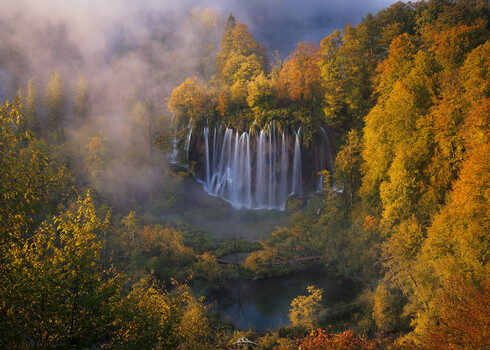
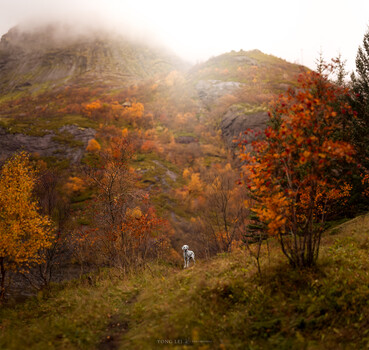
Autumn walks
Oct 12

Grote Geelstaart @ Getoese Festival 2026

Oct 11

Salar de Uyuni

Oct 10

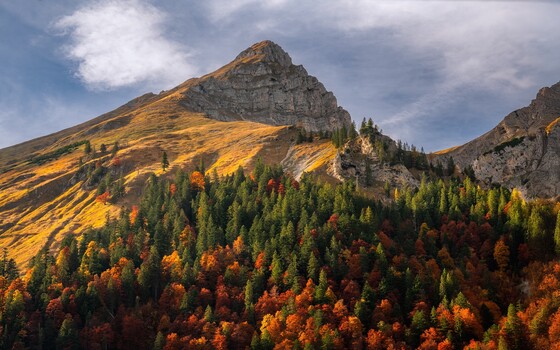
Autumn mountain
Oct 9

Maëlle

Oct 8

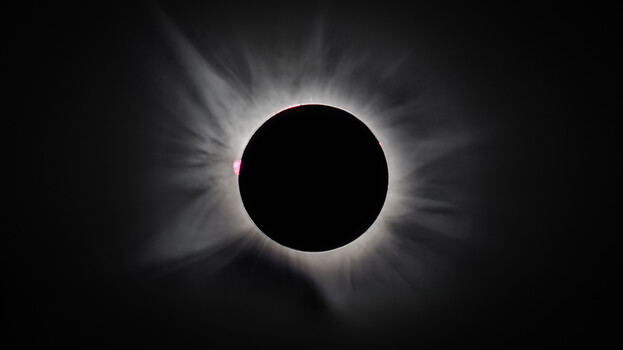
Solar eclipse August 12 2026
Oct 7

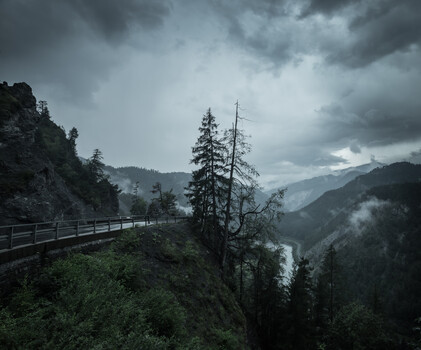
Ruinaulta
Oct 6

Under the Black Sun

Oct 5

Glass breath

Oct 4

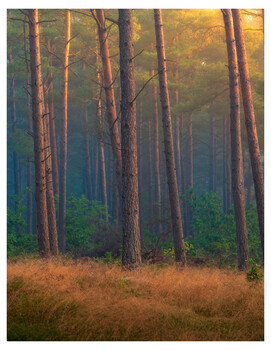
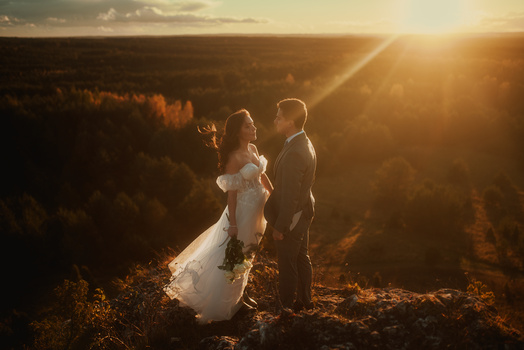
Sunset in the Woodland
Oct 3
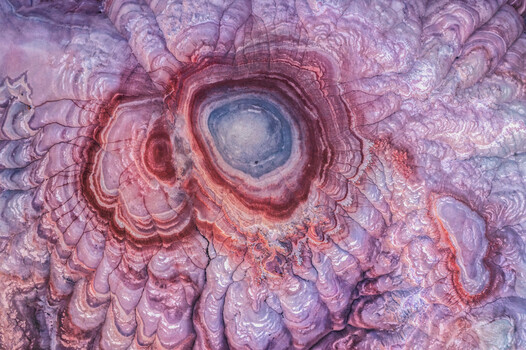
Bentonite
Oct 2
His Shadow Below
Editors' Picks














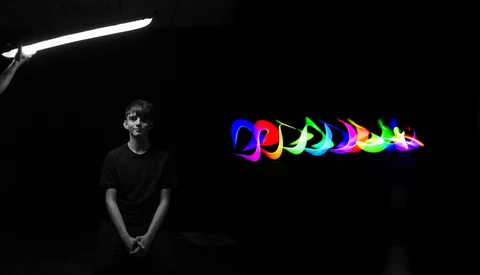
Are Inflatable LED Lights Actually Any Good?
Inflatable LED lights are one of those ideas that sound gimmicky. A soft, glowing tube you inflate like a pool toy, then use to light a portrait or paint with color in the dark. It's the kind of gadget that could easily be all novelty and no substance.
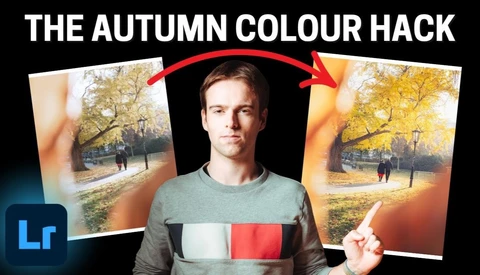
How to Edit Autumn Foliage in Lightroom Without Overcooking It
Most fall edits in Lightroom go the same way: you open a frame full of yellow leaves, push vibrance and saturation, and end up with something that looks worse than what came out of the camera. Warm hues clip and smear fast, and a heavy hand turns a glowing tree into a flat neon blob.
Latest Gear Reviews



Active Contests
6
93
We want to see the images that still give you chills
Welcome to the October installment of the Critique the Community! This month's critique theme is going to be "Scary," and we want to see your best photographs that scared you in some way.
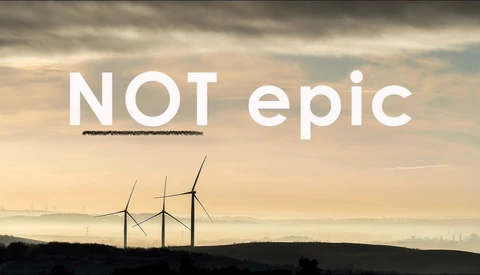
Do You Really Need a Fiery Sunset to Make a Good Landscape Photo?
Most of your time with a camera happens under ordinary skies at ordinary places, yet the landscape images that get the most attention online are blazing sunsets over famous viewpoints. That gap shapes what you think a successful outing looks like, and it can make the scenes you actually encounter feel like second best.
Fstoppers Exclusives

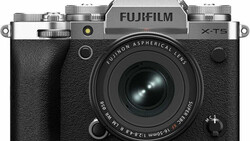

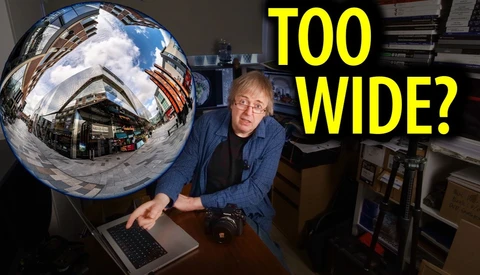
AstrHori's 8mm Fisheye Brings a Rare Look to Medium Format
Fisheye lenses for medium format have been close to nonexistent, so if you shoot a Fujifilm GFX or Hasselblad body and want that look, you've usually had to adapt glass that doesn't cover the sensor properly. AstrHori's new 8mm fisheye goes after that gap with a circular image and a field of view wider than a full hemisphere.
Do You Still Need One Career-Defining Photo?
For decades, a photography career seemed to hinge on one or two pictures, the frames that appeared in every magazine profile and forum thread until they became shorthand for the person who made them. If you've ever wondered whether your own work needs that kind of breakout image, your answer affects how you shoot, how you edit, and how you share everything else.
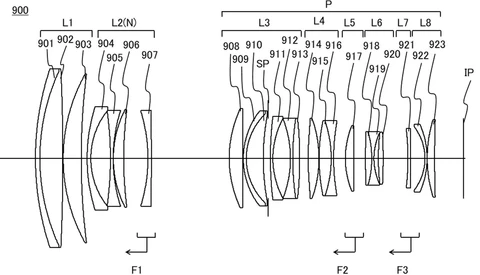
Canon's Craziest Lens Ever Just Appeared
A Canon patent application published in Japan on October 16 includes a complete optical design for a 70-200mm f/2 zoom covering a full-frame sensor, a combination Canon has never sold in any mount. The design, Example 9 in the filing, holds f/2.06 from 71.65mm to 194mm.
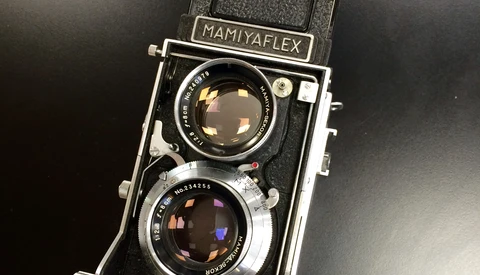
Six-Tenths of a Second Separated Two Dallas Photographers in 1963, and Only One Won the Pulitzer
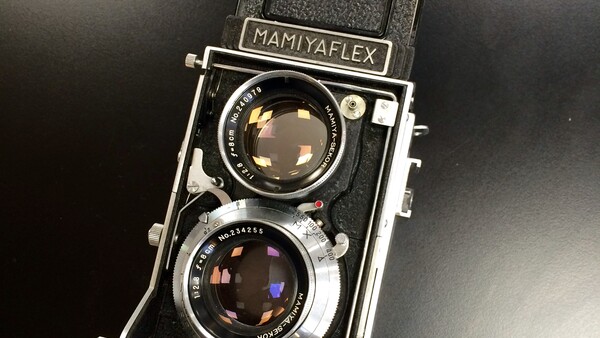
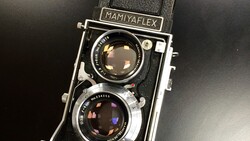
At 11:21 on the morning of November 24, 1963, Jack Beers was standing on a railing in the basement of Dallas police headquarters with a Mamiyaflex twin-lens reflex, and he tripped his shutter as Jack Ruby stepped into the open. Several feet lower and to his left, Bob Jackson released the shutter on a Nikon S3 six-tenths of a second later. Beers got Ruby walking; Jackson got the bullet.
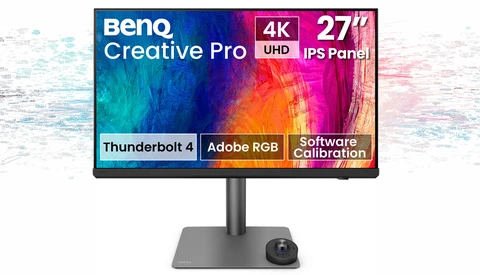
BenQ PD2732U Review: Could This Be The Monitor for Photographers?
When BenQ asked me if I would like to take a look at the new PD2732U monitor, I was interested because a monitor is something I spend a lot of time looking at, particularly when I am editing photographs. Color accuracy is obviously important to me, but so is how the monitor fits into my existing workflow.
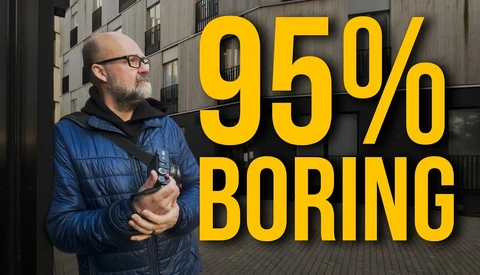
Why Boredom Might Be the Best Thing for Your Street Photography
Most street photography outings involve long stretches where nothing worth photographing happens, and how you handle those stretches shapes what you bring home. If you've ever walked for two hours, felt the pressure build, and started shooting anything that moved, you already know the problem.
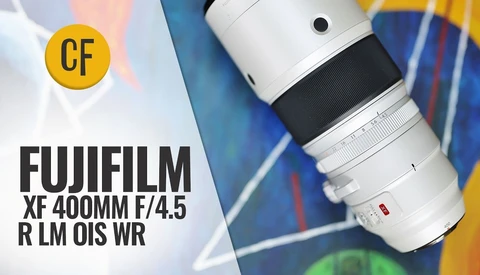
How Sharp Is the Fujifilm XF 400mm f/4.5 on the X-T50?
Fujifilm's XF 400mm f/4.5 gives X-mount shooters the field of view of a 600mm lens on full frame, with an aperture about two-thirds of a stop brighter than the company's 500mm f/5.6. If you shoot birds or wildlife on Fujifilm, that extra light can be the difference between a usable shutter speed at dawn and a frame lost to motion blur.
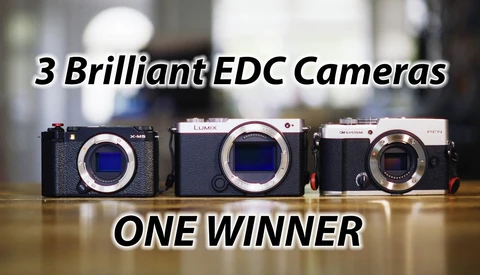
Lumix S9, Fujifilm X-M5, or OM System PEN for Everyday Carry?
The Panasonic Lumix S9, Fujifilm X-M5, and OM System PEN sell at similar prices in 2026, yet each uses a different sensor format: full frame, APS-C, and Micro Four Thirds. If you're moving up from a phone to a camera you'll carry every day, that price overlap makes the decision harder than any spec sheet suggests.
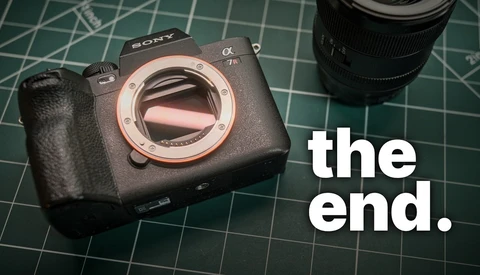
Why Would Anyone Sell a Sony a7R V for Fujifilm APS-C?
Most side-by-side tests of APS-C and full frame end the same way, with differences that barely show up in the photos people actually print or post. Far fewer people act on that result, because selling a full frame kit means walking away from money already spent and from a long-held idea of what a serious camera is supposed to be.
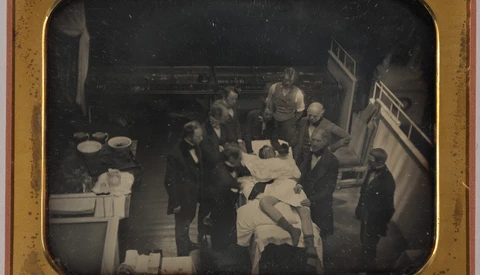
This Famous Ether Daguerreotype Shows the Wrong Patient
In the whole plate daguerreotype the Getty Museum catalogs as "Early Operation Using Ether for Anesthesia," a young man lies on a table in a Boston amphitheater with both legs bare below the knee and his socks still on. Nine men crowd around him, and several of their faces are smeared by the length of the exposure.
This Might Be the Last Camera Case You Ever Buy
The Protector 1510 Studio Case reimagines the toughness you’ve come to expect from Pelican. Is it worthy of its name? More importantly, is it worthy of the price?
“It’s no secret Pelican is the best. It’s also no secret they’re expensive.”
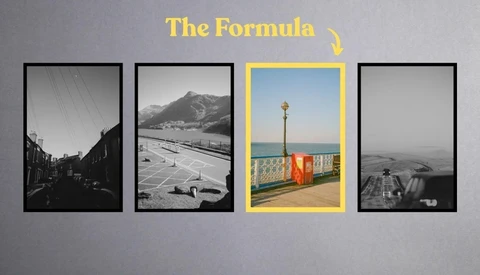
What Makes You a Photographer When 5 Billion Photos Are Taken Every Day?
Roughly 5 billion photos are taken every day, and anyone with a Midjourney account can now produce an image that looks interesting in seconds. With volume that high and a barrier that low, it becomes a practical question whether your own pictures carry anything that someone else's don't.
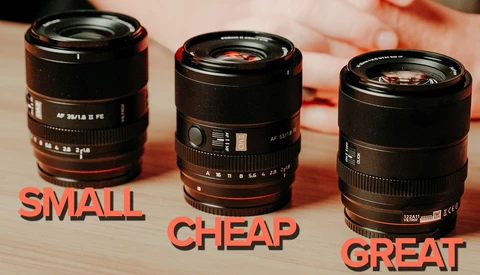
How Good Are Viltrox's Budget EVO Lenses for Video?
Viltrox's EVO series offers three matched prime lenses for just over $1,000, about what a single first-party prime can cost. If you shoot video on a gimbal or pack light for travel, a set that shares size, weight, and filter thread can save more time than an extra stop of light.

How to Build a Layered Street Photo From the Background Up
Layering sounds like a checklist: put something in the foreground, something in the midground, something in the background, and press the shutter. Anyone who has tried it on a crowded sidewalk knows the elements rarely cooperate, and a frame with three layers can still read as a pile of clutter.
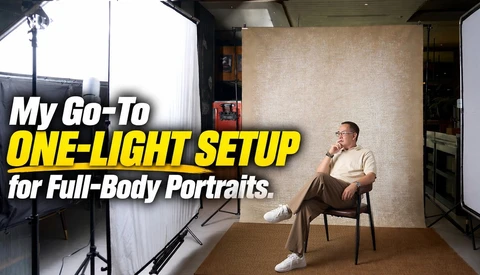
Turning a Small Venue Into a Portrait Studio With One Light
Shooting portraits at an event means working in whatever corner the venue hands you, with a line of people who all expect to look good and very little time to fuss over each one. A single strobe can give you soft, directional light that looks like it's coming through a big window in that space, but only if you shape it with more than a bare umbrella or softbox.

Is AI Color Grading Finally Good Enough? Fstoppers Tests Imagen Video
If you edit a lot of video, the most tedious part of the job isn't the creative color grade. It's getting the footage adjusted so that you can add the color grade. One shot is too bright, the next too dark, one camera leans green while another leans warm, and you end up crawling through the timeline clip by clip trying to make everything look like it belongs to the same production.
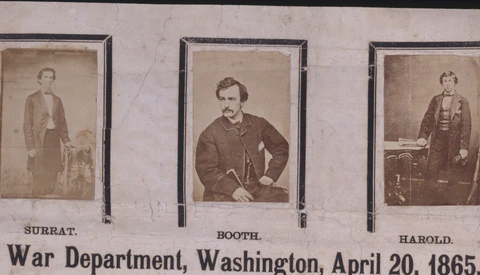
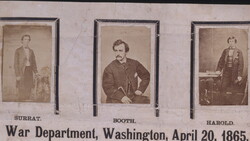
The First American Wanted Poster With Photographs Went Out in 1865, and One of the Three Faces May Be the Wrong Brother
The War Department's April 20, 1865 reward broadside carries three photographs a little over three inches tall, pasted by hand into printed frames at the top of a sheet nearly two feet long. Somebody sat with a pot of paste and a stack of prints and mounted them one sheet at a time. No two copies of the most famous wanted poster in American history are quite the same object.
0
142
Congratulations to the winners!
Last month we ran an interesting Critique the Community where we asked you for your best Personal Project photographs. The submissions were incredible and we were even graced with Mike Kelley as a special Critique the Community guest.

The Real Reason Most Photography Websites Fail
When you build your first photography website, the platform you use can make it remarkably easy to include everything. Within an afternoon, you’ve populated a portfolio template, drafted an "About Me" page, and installed an e-commerce plugin to sell prints. You create a space for your blog. It feels productive, with every feature you can think of accounted for.
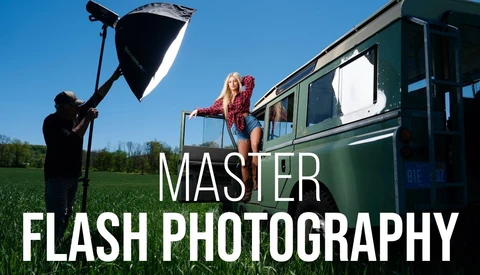
Every Flash Photo Is Really Two Exposures
Most people who freeze up with flash have memorized a few settings that worked once, and those settings fall apart the moment the sun moves or the room gets darker. A fixed order of decisions, run the same way with a small Westcott FJ strobe or a big one, gets you to a good frame faster than any saved power number.

Is the Tamron 16-50mm f/2.8 the APS-C Zoom Worth Leaving on Your Camera?
A constant f/2.8 standard zoom is the lens most APS-C shooters end up leaving on the camera, yet the options have often been heavy, expensive, or simply missing from certain mounts. The Tamron 16-50mm f/2.8 costs roughly half as much as Sony's own equivalent and weighs far less, which raises a fair question about what you give up for the savings.
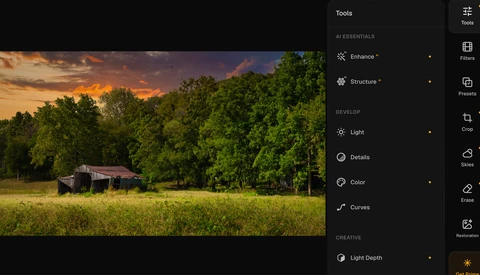
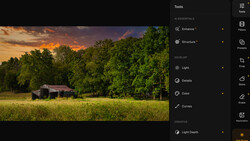
Luminar Comes to Your Browser With AI Editing and Raw Support in a Slick Interface
Luminar is now offering something pretty unique for photo editors who want a powerful yet portable web-based editor. It's called Luminar on Web, which certainly describes its functionality.