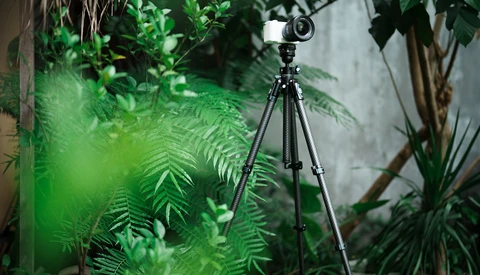
The Ulanzi GlideGo Travel Tripod Lets You Do More by Bringing Less
This travel tripod goes over the top and offers angles that most taller tripods can’t. If you’re someone who requires versatility in your lightweight tripod, this is for you.
This travel tripod goes over the top and offers angles that most taller tripods can’t. If you’re someone who requires versatility in your lightweight tripod, this is for you.
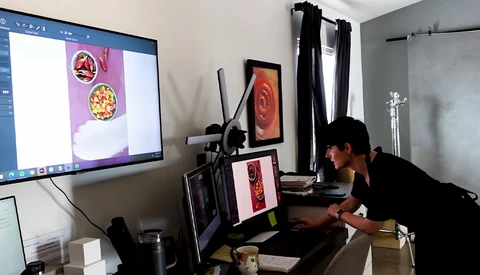
If you feel like administrative tasks take more time than actually taking photos, it’s probably because your workflow needs a revamp. A clear, efficient workflow is key to making your photography business sustainable and enjoyable.
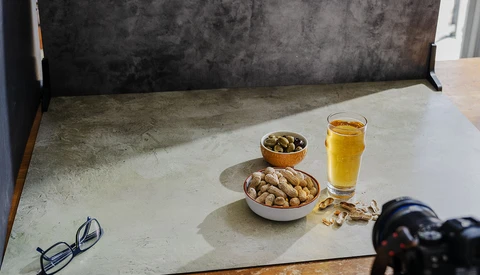
The number of times I’ve been called to a restaurant, hotel, or food manufacturer to photograph food on location, with only tired-looking tables or bar tops to work with, I can’t count on two hands. Or fresh white linen with nasty big creases. I think that’s even worse. Luckily, V-Flat World has the answer with DuoBoards.
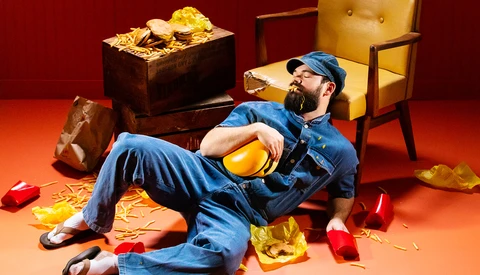
Indulgence, they say, is best served with a side of irony. So, I embarked on a mission to turn a mountain of McDonald's cheeseburgers and fries into a high-concept portrait photoshoot.
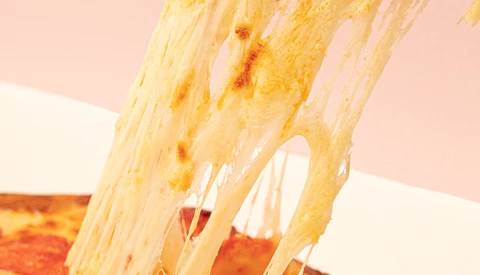
There is a lot of questionable information and hacks pertaining to photography on the internet. No genre is as notorious as food photography, where some people suggest pouring motor oil on pancakes and using PVA glue instead of cheese. However, some of these practices are literally illegal. Read on to find out why.
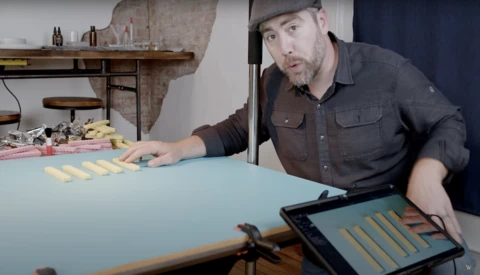
Believe it or not, I have been a freelance photographer for six years. Looking back on it, I have been struggling to make it, truly learning the meaning of the term starving artist. I wish I would have received this bit of advice so many years ago.
When it comes to product and food photography, lighting is critical and can make or break the final image. Achieving the perfect lighting can be a complex process, even more so if you are just starting out with this type of photography.
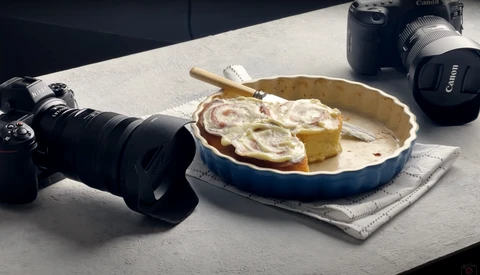
Our allegiance to the big camera companies is weird, isn't it? Sometimes, it's a real badge of honor. Other times, well, I'm a little "meh" about the whole thing. Nikon reds pitched up against Canon reds, in a technical tug-of-war? Stripped to the waist and battling it out to the death? Side-by-side comparisons and sensor wars? Not for me, my friend. If you think I'm going to type out 300+ words on as painfully contrived a topic as Canon versus Nikon, you're wrong. Kind of.
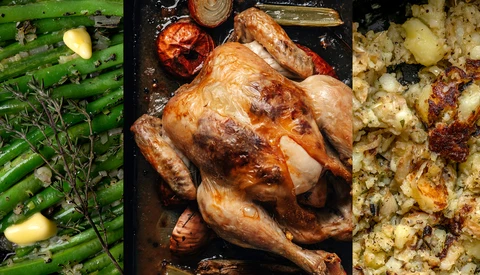
I ate it. I ate it with my partner and made soup out of it the next day. Damn, I hate spoilers. Nevertheless here’s the full lowdown on how to orchestrate a simple food shoot when you’re technically meant to be cooking dinner in a pokey kitchen.
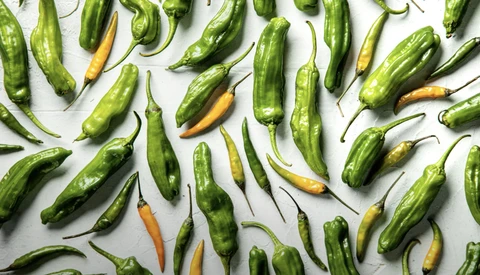
Identifying trends in commercial photography is important. It helps you develop your practice and keeps you on your toes! One of those trends right now is hard light. Hit that subject hard, cast some shadows, and make it look like we're all shooting poolside, sipping piña coladas!
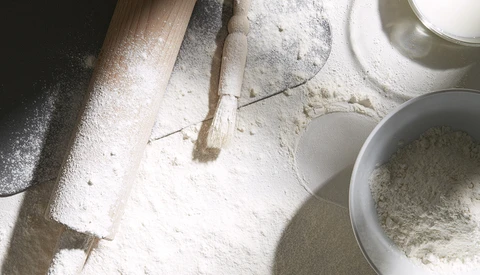
I am going to walk you through how these dramatic food shots were created using only one flash and simple light shapers to imitate light coming through a window frame.
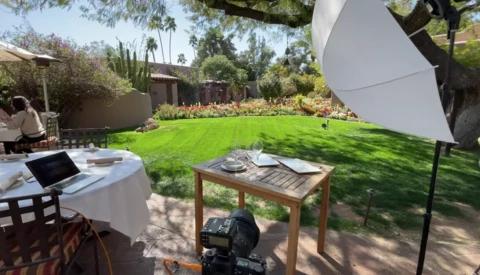
Food photography, like every other genre, has certain pitfalls that can adversely affect your ability to make a good income from it. This excellent video tutorial features an experienced food photographer discussing three common pricing mistakes and how to fix or avoid them.
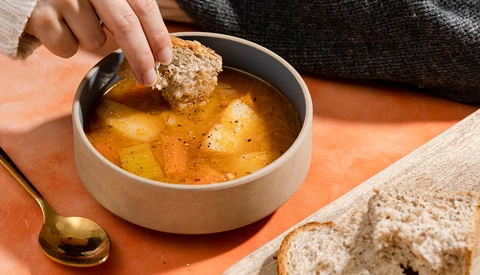
As we head deeper into autumn, it’s officially soup season! I love to make and eat soups in the cold weather months, but they can be pretty challenging to style and photograph. In this post, I’m sharing my tips on how to transform a blob of beige soup into a dynamic and interesting image.
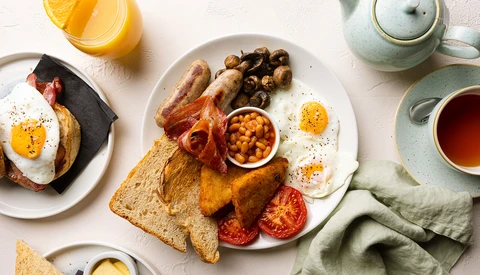
You’ve been commissioned to photograph new images for a restaurant, but there’s a lot of spinning plates and moving parts. In this article, I share my essential steps for preparing for and running a photoshoot at a restaurant.
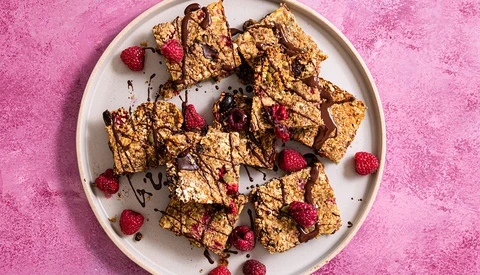
It’s one thing to plan a restaurant shoot or a client brief for a particular project, but how do you go about planning and photographing a much longer project, like a cookbook? In this post, I’m sharing my tips on how to photograph a self-published cookbook, but the advice holds true for a longer project like an e-book too.
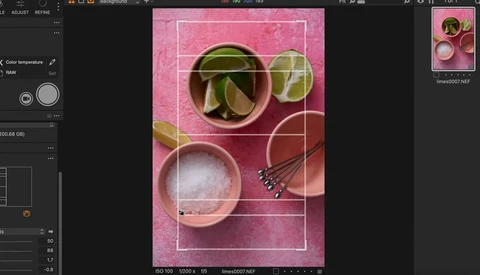
When you are shooting, do you think about what aspect ratio you need your finished shots to be in? Where will the photos go? Will they need to fit multiple aspect ratios for social, web, and other places? Here's a way you can make sure your images are perfect for each final ratio you need.
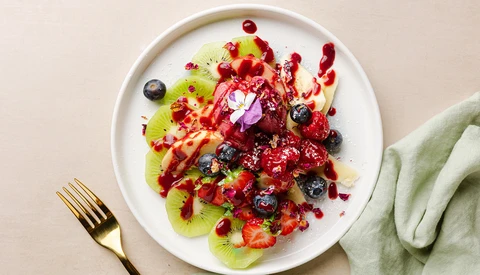
If you’ve ever dived into a food photography shoot hoping to wing it, things probably went a little awry because there are so many moving parts to food photography. In this post, I’ll share my best tips for a no-fuss, no-stress food photography shoot to help you achieve the vision in your mind.
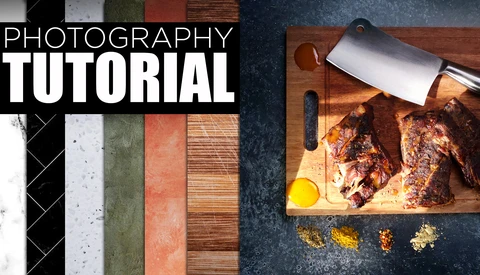
If you are like me, you probably have a closet full of random tiles, boards, and construction scraps just in the event you need an interesting surface to shoot on. These new photography surfaces by Duo Boards set out to change my messy studio, and this photography tutorial shows you how useful these backdrops can be!
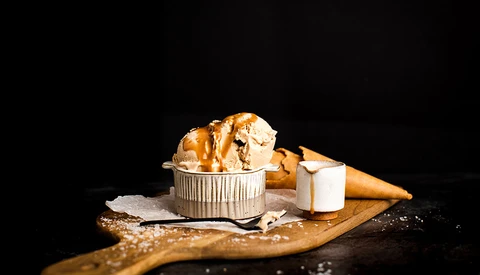
Needless to say, there's a fair few logistical complexities when photographing ice cream. After shooting for a vegan ice cream brand for a couple of years now, here are my best tips for running a smooth shoot when you’re capturing ice cream.
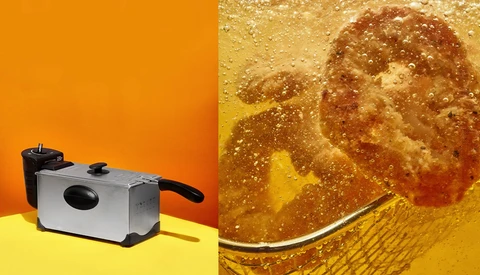
Creating an eye-catching and successful food photo is about more than simply lighting and arranging the food in a compelling way; you need to be able to create a set that complements the food and enhances the overall mood of the image. This helpful video tutorial features an experienced food photographer discussing some ways you can go about doing that.
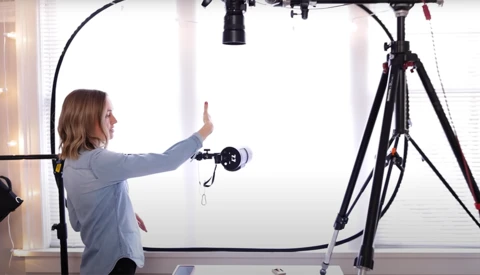
A lot of food and product photographers begin their journey in a tiny space with limited room for lighting and equipment. Food photographer Rachel Korinek has an amazing setup for recreating big window light in a small space.
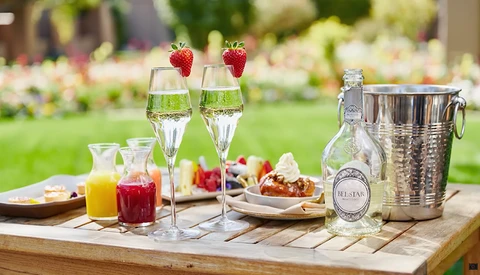
When it comes to building a successful photography business, the ability to know where and how to find new clients is crucial to long-term survival, as they will not always come to your door. Every genre requires different techniques and methods to accomplish that, and this fantastic video tutorial will give you a ton of great advice on how to track down and land new food photography clients.
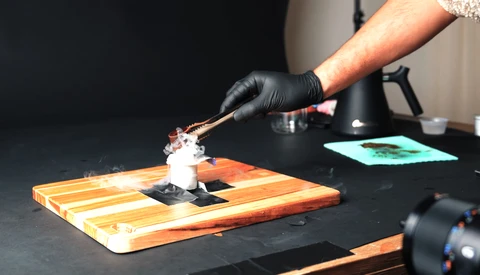
Adding special effects to shots can turn a nice but rather plain image into something truly memorable. In this video, what behind-the-scenes as a commercial is made for a brand of flash-frozen coffee using dry ice.
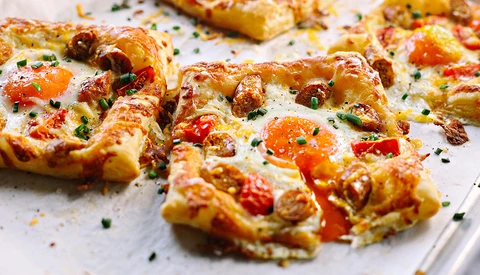
The landscape of all businesses looks different, and store after store keeps closing because of online businesses. The type of business we see consistently is the dining establishment, and their need for content is immense.
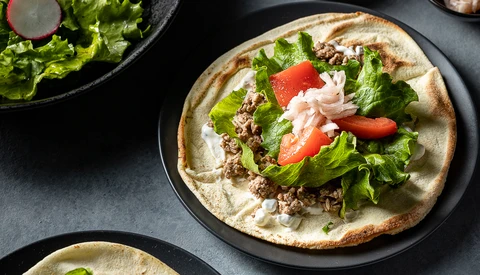
Food and product photography backgrounds can be incredibly difficult to come by in certain parts of the world. There are lots of tutorials out there about how to create your own textured backgrounds and wood backgrounds. But vinyl backgrounds are the bomb when it comes to portability and saving space. Creating them isn’t too difficult either.
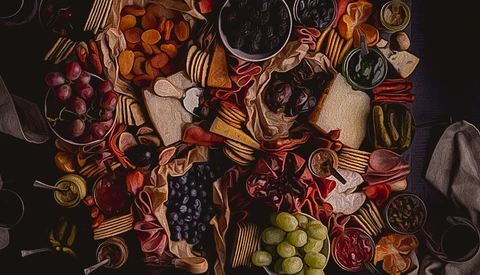
An important part of growing as a photographer is shooting personal projects. If you are a food photographer, it can be extremely easy to get stuck in a rut because you are shooting the same modern images over and over. An easy and important way to combat this is to shoot food as fine art.
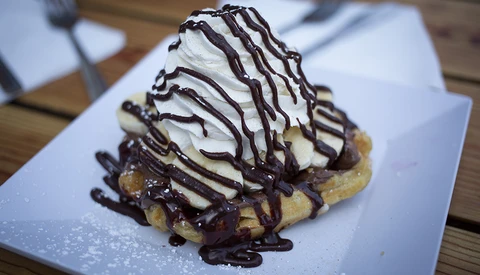
While I personally enjoy eating my food, there are times where that food is worth a photo as much as a bite. That said, if it’s a field you are looking to get into, there’s a right way and a wrong way to go about it.
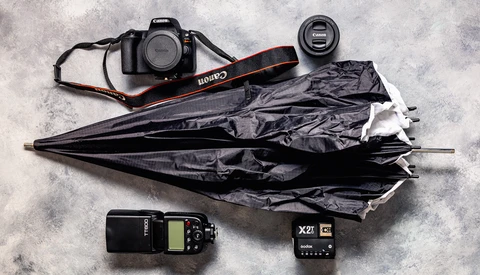
When I first got interested in food photography, I was really overwhelmed by what I needed to get. And then, I heard Andrew Scrivani say: “The best gear to get you started is the camera in your pocket and the light from the window.” That was true, to an extent.
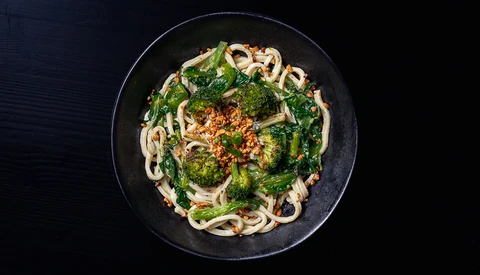
Food is a fundamental part of survival. The very first thing we do after being born is eat. Human brains know food on a primal and instinctual level. Our brains automatically reject or call into question food imagery that doesn't look real. In advertising, our brains are a little more forgiving.
One of the things that can drive someone new to food photography mad is capturing steam or smoke. It doesn't have to be complicated. And it is easy to do without any special equipment to create the steam or smoke.
With gear paralysis definitely being a thing when starting out in food photography, it can result in a lot of frustrating trial and error when equipping your new home studio. This guide is definitely useful.
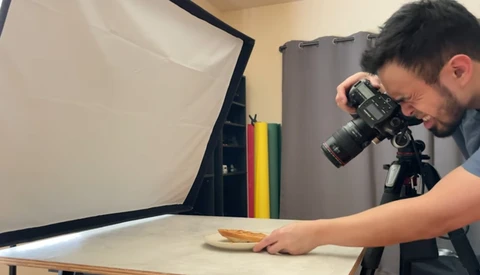
Controlling reflections on your subject has to be one of the trickier skills to master in photography. It's a deep and nerdy topic to dive into, but this video is specifically about food photography and how simple changes in your shooting angle can dramatically affect the final image.
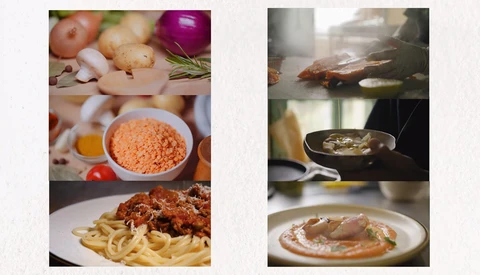
When working with lights, be they artificial or natural, the tendency when starting out is to light from the front, or at least at 45 degrees. But if you want to create something moodier, using your main light source as a backlight is possibly the quickest way to get something interesting.
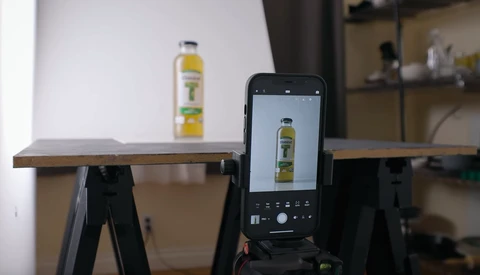
Good photography is much less about the gear you don’t have and much more about using the gear you do have.
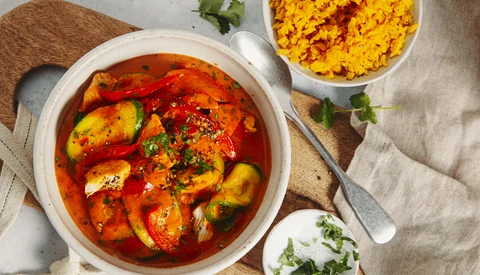
I recently shot some cooking tutorials. They were budget-friendly, easy to follow, and there were 50 of them. Here’s how we did it.
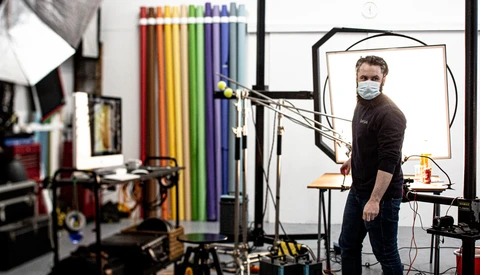
Until 10 years ago, I didn’t know that being a professional food photographer was even a thing. I don’t come from a creative background, so if you had asked me what I thought they did, I would have been very far from the truth. Hopefully, I can shed some light.
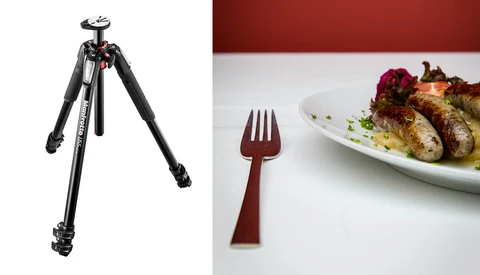
With a bewildering array of tripods available, it can be a challenge as a new photographer to figure out what sort of tripod will best suit your work, a choice that’s made all the more stressful when you realize just how expensive tripods can be. This in-depth guide will definitely help.
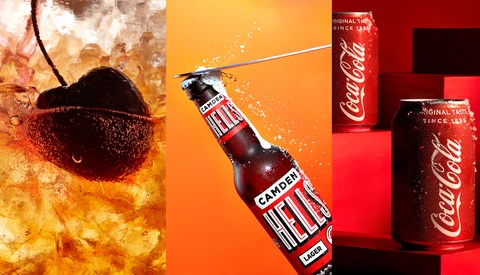
There are so many trade secrets in photography, but when I moved into food and drink, I found it almost impossible to get any real info on how to do anything of use.
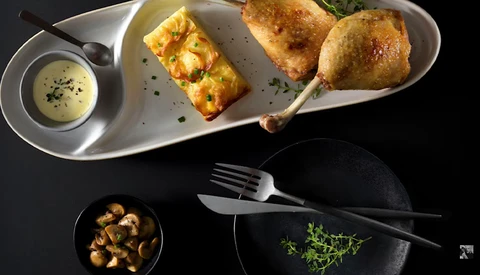
Food photography is a tricky genre that requires a strong sense of composition, great lighting techniques, and a large working knowledge of various tricks of the trade. If you are struggling with your food photography, this excellent video tutorial will show you seven common mistakes and how to avoid or fix them.
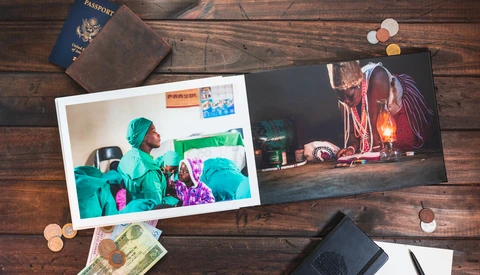
There are lots of great options from pre-made to digitally printed backdrops available, but a lot of them are not cheap, and if you want to have a wide variety, it adds up quickly. That is why I supplement my collection with my own homemade DIY backdrops.
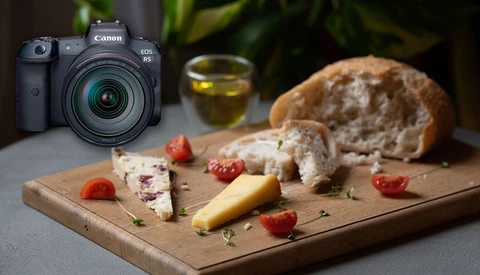
If you've ever wanted to try food photography at home, then use these seven tips to improve your chances of getting some great food photos.
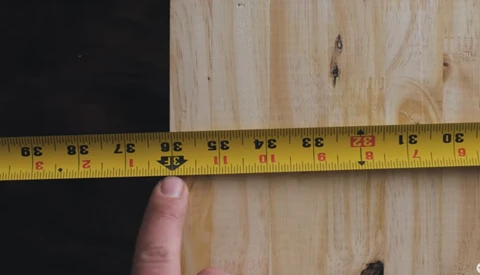
Can't afford those beautiful but expensive textured backdrops for your food and beverage photography or maybe you just like the idea of making your own unique version? Check out this video for a fun and affordable way to create your own.
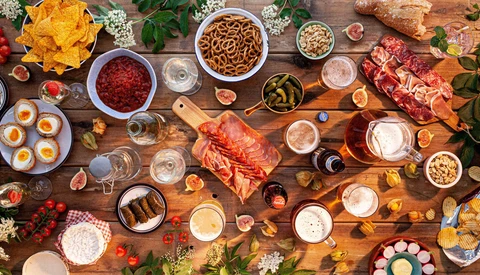
There are loads of different options when it comes to food photography backgrounds. However, they can often come from places that you wouldn't necessarily know about. Let's have a look at the most common ones that I use in my studio.
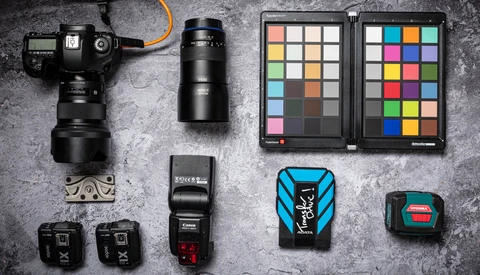
Getting into any genre of photography can be both daunting and expensive. Knowing what to buy, how to prioritize your spending, and in which order to procure the new camera kit can be very time-consuming. Hopefully, this will help.
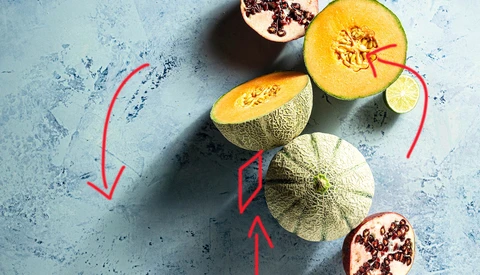
Food and product photography is an ever-growing niche, and with this comes trends in the pitfalls and mistakes that we all make when photographing food. In this video, I cover the most common things that trip us up.
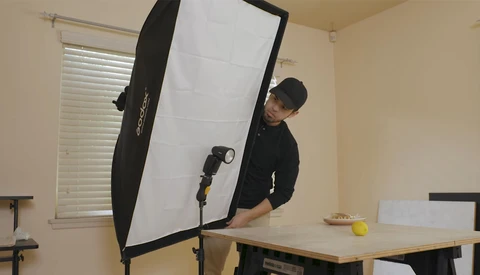
For many photographic applications natural light is almost always preferable — the only problem is, oftentimes the quality of that natural light is either too harsh or too diffused. This tutorial discusses the conditions for good natural light, and how you can reproduce it using some inexpensive equipment.
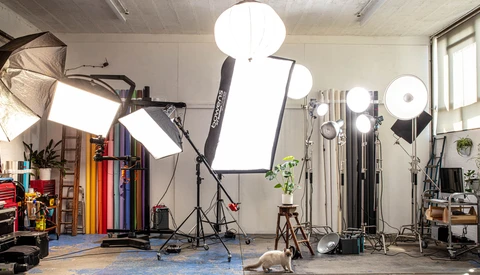
Choosing the right lighting modifier can seem like an endlessly daunting task. In this video, I break down my thought process and show examples of how I use different modifiers for varying types of images as well as explaining the key differences in my equipment.
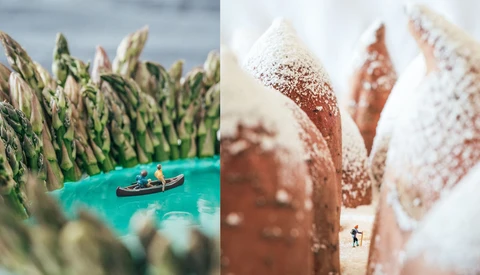
Keen to keep herself busy during lockdown, photographer Erin Sullivan began working on a new series, which involves using everybody objects, usually food, to create photos that give off the illusion they’re of huge landscapes. The series includes watermelon, broccoli, and onions, which are angled to look like mountains, caves, and hot springs.
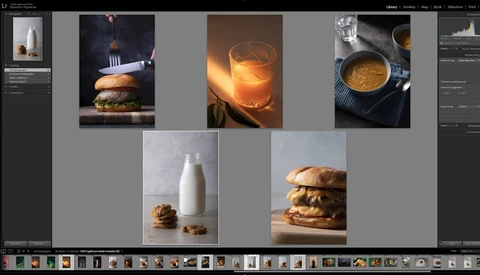
With Lightroom's new update being the main recent talking point among Adobe photography users, it still might be worth checking out some of the fundamentals of the powerful application. Here's a video detailing the four main view modes besides the Grid view in the Library module — with a bonus explanation of metadata filters at the end.
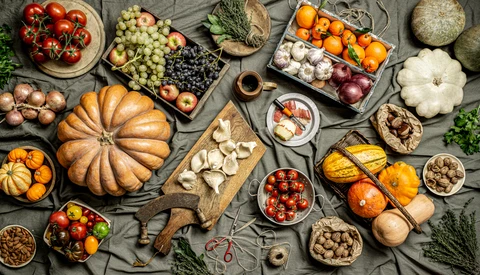
There are loads of tutorials out there for editing portrait photography, so I thought I would put together a reasonably comprehensive yet short guide to editing food photographs.