Joey L. has done a lot of traveling over the last seven years on commercial assignments and collected bits of wisdom along the way for other traveling photographers he shared on his blog. While reading through it I immediately picked up some useful tips that I plan on implementing on my upcoming trip to Honduras.
Joey L is a commercial photographer out of Canada that has traveled the world documenting different endangered cultures bringing photojournalism to the fine art arena. His images are simply breathtaking. Here is a summary of Joey L's blog post. To read his article in detail you can check it out by visiting his blog.
Tip 1) Make Your Camera Look Like a Heap of Trash
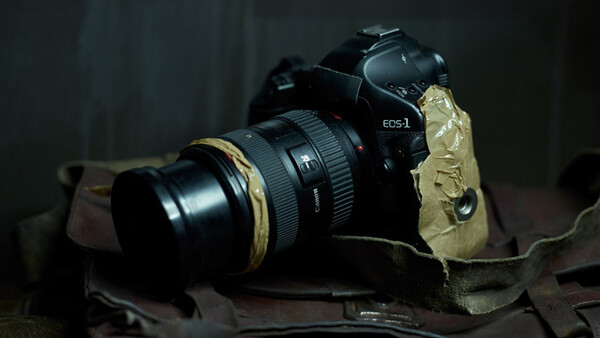
My first tip for traveling photographers is to protect your gear from theft. There are thieves in every part of the world, not just developing countries. They know how much your pretty camera can fetch for on a black market, and they will risk a lot to steal your gear. When traveling, I make it a point to make my camera look crappy and old. I cover it with duct tape, carry it in a normal, dirty backpack, and make sure all recognizable logos such as “Canon” or “Phase One” are hidden. A nice looking camera case is also a red flag. I prefer typical “consumer” travel packs or using older weathered bags that have seen better days.
W hen I travel with ugly photography equipment, attention is diverted away from my stuff. A potential theif may determine that stealing my camera is not worth the risk of being caught. After all, they can’t sell an old hunk of junk for the price of a “new camera.” Let the thief go after the next unlucky traveler.

Tip 2) Don't Put Photographer on Customs Forms
Disclaimer: When traveling for jobs, I always have the right working permits and carnets in order and I write “photographer” as my occupation on customs forms. I don’t mess around with this because it could jepardize the shoot and a large production. Getting a carnet (a temporary passport for your equpiment) is easier than you think, this website is a great resource. However, for personal trips creating my own photo series without a client other than myself, I don’t bother. I often won’t say I’m a photographer on my customs forms.
Okay, I may be suggesting you break the law here, however, I don’t feel bad in doing so. In my experience, customs officers waste their time singling out professional photographers above many actual potential threats to their counties. They are often uninformed, and uneducated about what we do. Unfortunately, they lump every photographer into one category- “EVIL-DOER”. If you are respectful and educated about your subjects and doing good in the world with your work… great, follow my advice. If you are not, then my advice is not for you.
Tip 3) Keep At Least Two Hard Drives Safe
When I travel for photography, I know that the most valuable things I have are not my cameras or equipment. The most valuable thing I carry are the images I am creating. Gear can be replaced, (get it insured worldwide), but the photographs can not.
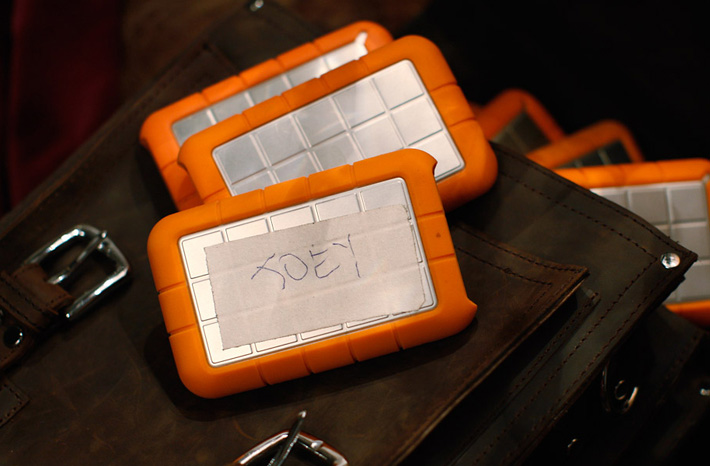
I have a very simple formula. I travel with a laptop, and dump my images to two different hard drives. Each drive is an exact replica of the other. I then always keep those two hard drives in different places. For example, one is in my pocket at all times and the other is left at the Indian guesthouse. Or, perhaps one drive is in a piece of checked baggage being chucked in the bottom of the plane, and the other is safe with me in a carry-on bag. With this system, it is very hard for both drives to go missing.
Tip 4) Stay In Touch With The People You Photograph
For all the countries and places I’ve traveled to in the world, I could have actually gone to triple the amount of locations. But to me, that’s not as important as maintaining an in-depth relationship with the select places I choose to visit, and re-visit again and again. You can have more “authentic” cultural experiences as people warm to you and share their knowledge and lifestyle with you, and also create much better photographs when people trust you.
Tip 5) Hire Locals
I realize that not everyone has months to spend when traveling getting to know people, so I always suggest involving the locals as much as you can in your work. Hire a local guide and fixer from the same area or culture as you are photographing. (I wrote an entire blog post about finding a local guide here, which falls under this principal.) If you require a crew or a little extra help, hire locals as workers and involve them in your productions.
Other Random Do-dads + Gadgets I Find Useful When Traveling
Wifi Signal Boosting Antenna: I use this little gadget in places with dodgy wifi, such as a hotel or guesthouse. After plugging this antenna into my laptop, I can often get a much stronger signal, or I can punk someone else’s better signal far away. “Hey- I’m not stealing your wifi… Your wifi signal is trespassing into my room.”
Hyperjuice 100Wh Battery: Flights and long car rides are where I get a lot of my work done, but my Macbook Air battery only lasts a couple hours… Plugging your laptop into one of these external batteries can extend its life up to 26 hours.
220 Voltage Converter with Fuse : Most standard travel converters don’t have a fuse, and simply just re-route the power from a foreign plug. For those of us North Americans using electronics with 110V plugs, this can be dangerous. If you plug a North American electronic rated at 110V into a foreign outlet rated at 220/240V, there’s a good chance you’ll blow it up. This little box converts the power.
Credit Card Sock: While this is extremely dorky, I find this is the perfect size to hide compact flash cards, money, or my passport.
If you would like to read more check out 5 Critical Tips for Traveling Photographers on Joey L's blog. Also if you want to check out some truly awesome work be sure to visit Joey L's website and spend some time looking through his galleries. The guy is incredibly talented.
[Via Joey L Blog - All Photos Property of Joey L.]



Join the Fstoppers community for free
-
Post comments and join in the discussions
-
Browse the site ad-free
-
Share your work and get featured in the community
-
Compete in the photo contests for fun and prizes
22 Comments
Covering the camera logos was a tip I learned from a German while traveling through Nepal.
The first few days of traveling I had people try to use the brand/model as a way to get my attention "hey! Canon 5d mk2... very nice buddy... come buy my beautiful silk scarfs" etc The logos always seemed to draw the wrong kinds of attention.
A little black Gaffers tape solved that problem instantly.
I've covered up all logos for years. I like the black Gorilla Glue tape. I always keep some in my bag cause it's a great all around tool for rigging/fixing things!
whats the hard drive that he uses? I forgot the brand.. thanks..
Those are Lacie Rugged hard drives. They are a good option for traveling. If you need something even more secure you can try the Rugged Portable drives from ioSafe. They can withstand a lot more abuse than the Lacie drives but do weigh and cost a bit more.
LACIE rugged
http://www.lacie.com/products/product.htm?id=10553
Frunzulita bob naut
Patruzeci de pizde fut
Great tips! I especially loved the one about the sock! I am going to use that idea. Yesterday I took off my gloves in the subway (NYC) and put my iphone in one of them haha
Cool tips!
He is canadian but works out of New york actually... might want to double check your second paragraph... ;)
Would Lara Jade not be a photographer out of England?
:-
Wheres the original content?
FStoppers is just an RSS Reader now for other photographers blogs?
I hear they're making a HUGE wedding 101 DVD, so I guess we'll stay tuned.
Source?
In the comment section in one of the posts. I don't remember exactly which one.
Found it http://fstoppers.com/slr-lounge-interviews-lee-from-fstoppers
I'm more concerned with the fact that this is a direct copy and paste job from another blog.
Obviously, similar sites are going to report on similar things, I'm just concerned when its just copy and pasted from another source with a credit at the bottom.
source?
http://www.joeyl.com/blog/#!5-critical-tips-for-travel-photographers
makes it easy, doesnt it?
Easier than an RSS Feed? No
Its lazy reporting...
At Fstoppers we write some of our original stuff and we also share a lot of interesting articles and videos we find around the internet. We always source where we found it just as I did in this one. On numerous occasions I mention Joey L including in the first paragraph and say there that it is a summary of his blog post (with a link to the post). At the bottom I once again mention the source of the content. We are just trying to get as much great information as we can into the hands of photographers and this happened to be some wonderful tips to share. Just wanted to clarify that the source is listed a few different times in the article.
It mentions it a few times in the article with links back to the source Zach.
Great travel tips. I wonder what the black market price is for a Canon A-1 and FD lenses. Instead of hard drives, I'd have to be concerned about protecting my exposed film.