
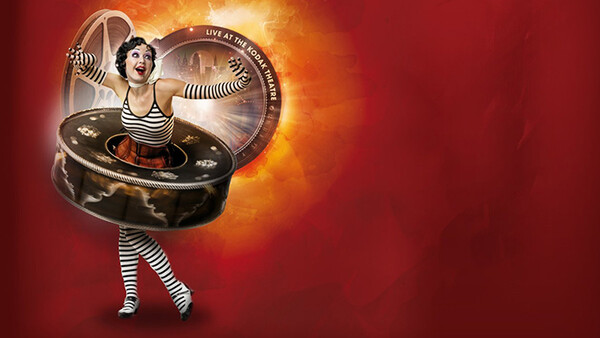
Photographing a Cirque Du Soleil show requires a bit of acrobatics from any photographer up to the challenge. Matt Beard is one of the few photographers, hand picked by Cirque, to bring his talent and experience into capturing both live action and beautifully staged shots. He has worked with Cirque for many years, under the wing of master photographer Veronique Vial (as a photographer’s assistant) and had gained first hand experience in the ways of a Cirque shoot.
“Cirque has a difficult time finding photographers who are able to shoot both live and studio style shots, and who can make both styles look great. I can understand why, because it really is a challenge to be able to shift between the two styles seamlessly…and sometimes immediately.”

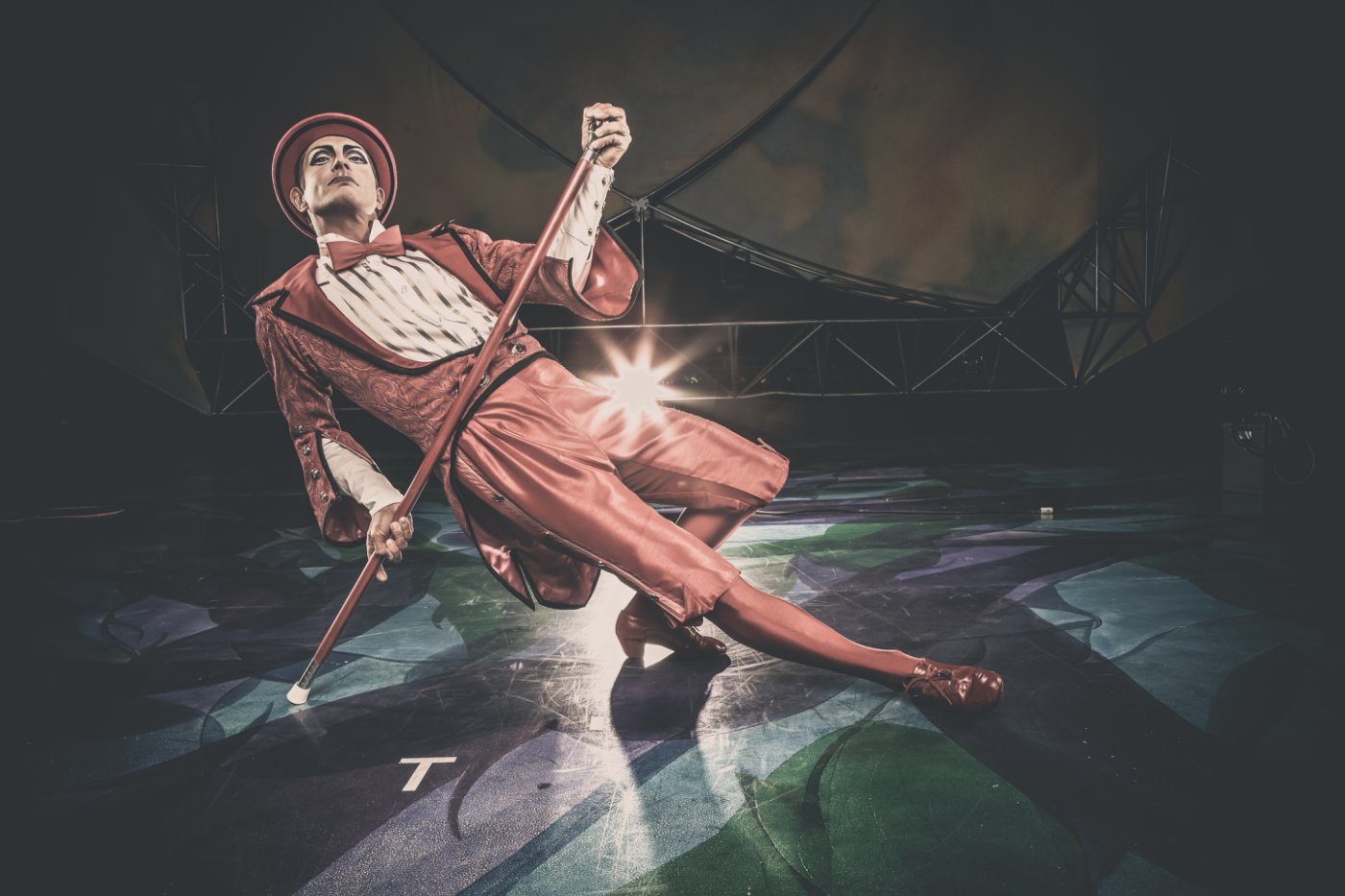
During the live performances, the photographer is usually seated amongst the paying audience.
“You can’t really move around once the show starts…you are stuck in whatever seat they have tickets available for. Sometimes the seats are perfect, and other times it can be a real circus.”
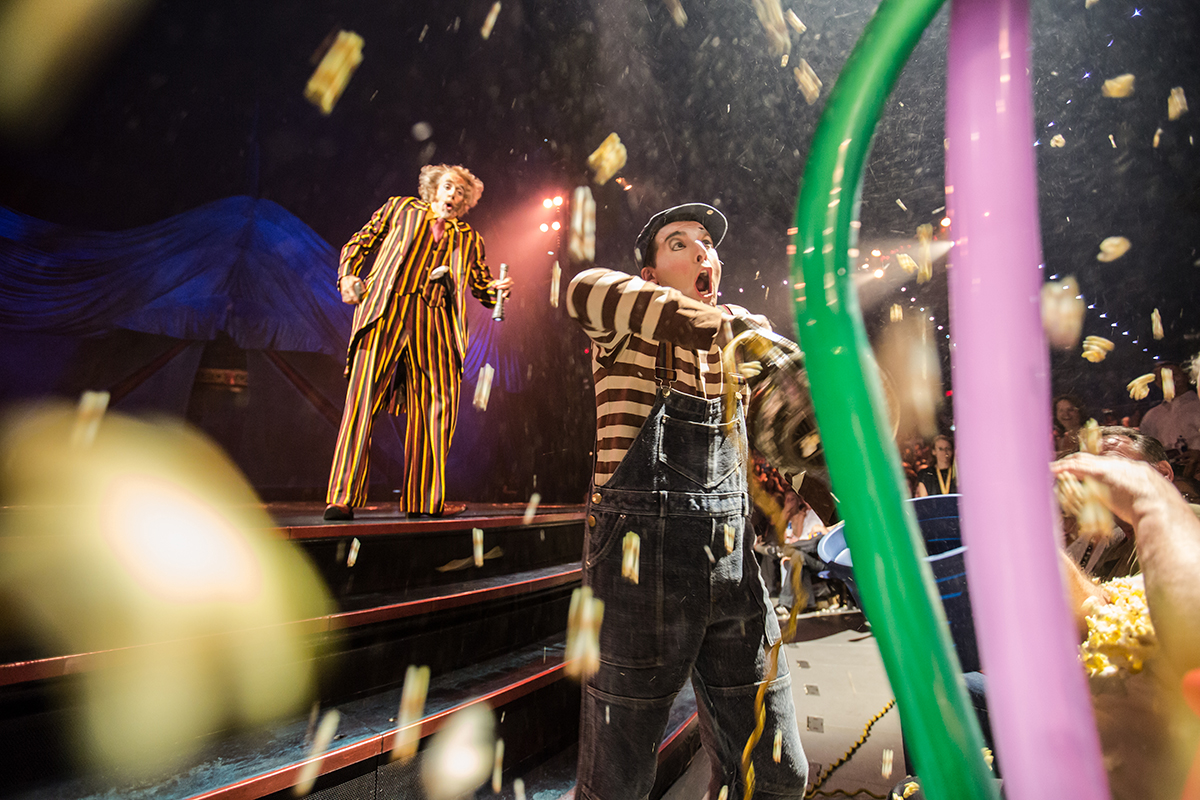
Matt has seen people continuously walk in front of his shots, he’s heard people complain about the noise (when they used Canon 1D Mark4’s), he’s had clowns use a leaf blower to cover him and his camera gear in popcorn bits, his lenses have been covered with glitter and confetti, he’s had his fair share of drinks almost spilled on his gear…and everything he does is pretty much done in the dark for the entire show.
“The trick to shooting live shows, is…well…there’s actually a few things. First and foremost, you have to be prepared. We always try to see the show at least once before shooting it (but sometimes that’s not possible). The action happens so quickly, and the lighting changes so dramatically, that it’s nearly impossible to be able to catch everything on the fly. I usually train an additional shooter, as a backup for anything I might miss.
"I take a lot of notes, and figure out what exposures will be best for each act, and what the best angles will be. I want to be able to quickly change my settings in the dark, without having to think about it. I’m constantly composing and focusing, and looking for the right moment. If you hesitate for a split-second, or have your settings more than one stop off…you will most likely lose the shot. It’s critical to be fast, focused, and have your settings correct. This system also enables me to pass the same info to my backup shooters, so we have a consistent look to the images. We always shoot on manual settings…there is no ‘Auto Exposure’ or ‘Program’ in this situation…the cameras just don’t know how to compensate themselves. It really takes some skill to catch the moment, and not have excessive motion blur or miss your focus.”
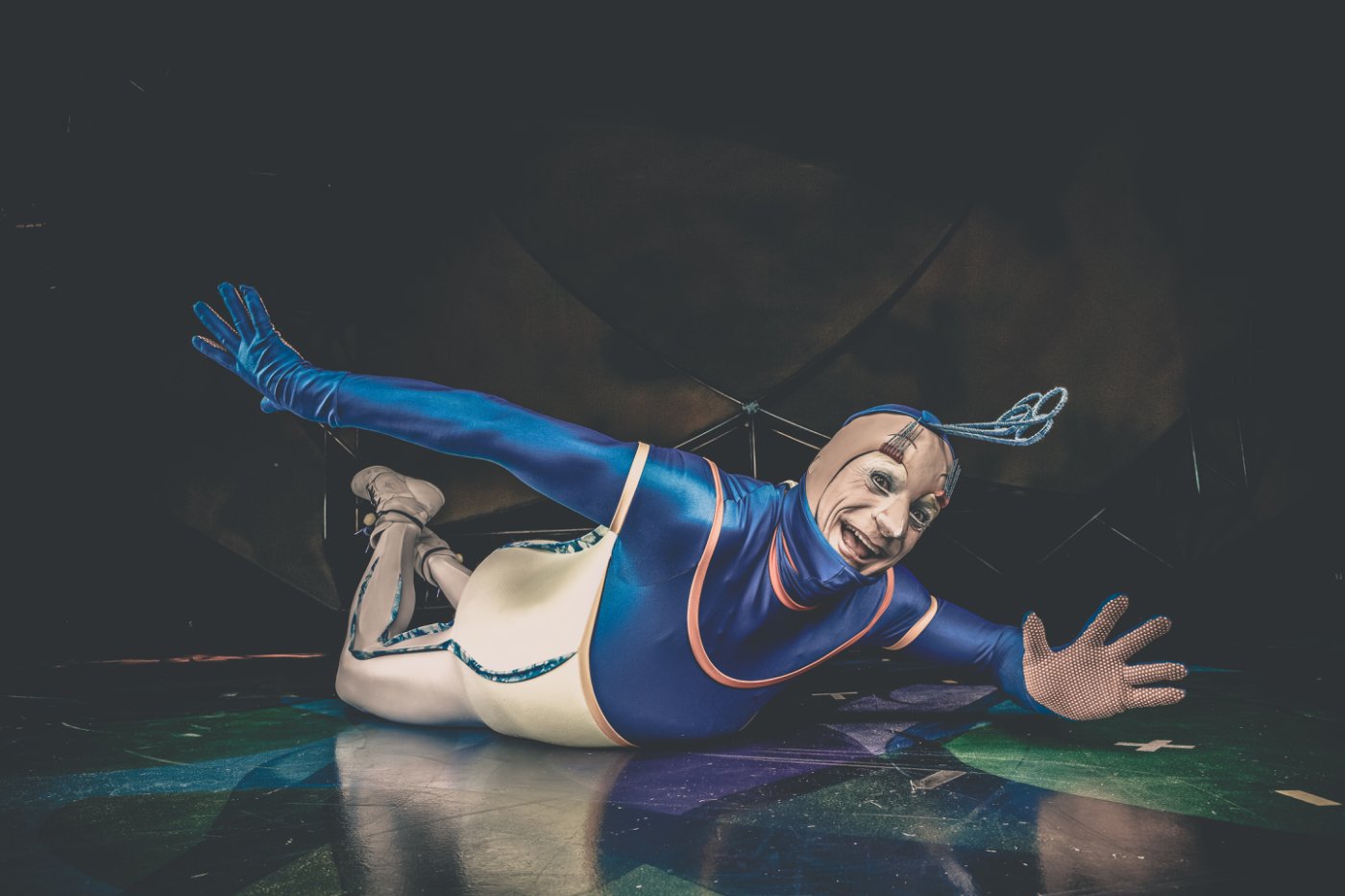
In the case of Cirque Du Soleil’s Hollywood show IRIS, the action was so non-stop and intense that Matt actually hired three additional photographers for the live shows.
“IRIS was a completely crazy live show! There was so much action going on, that I COULDN’T possibly see everything happening with only two eyes. The only possible way to properly cover this show (in one night), was to get four photographers spread out in different areas of the theater. It worked great! What one photographer might have missed, the other one caught and Vice-Versa. It was a pretty fail-safe system.”
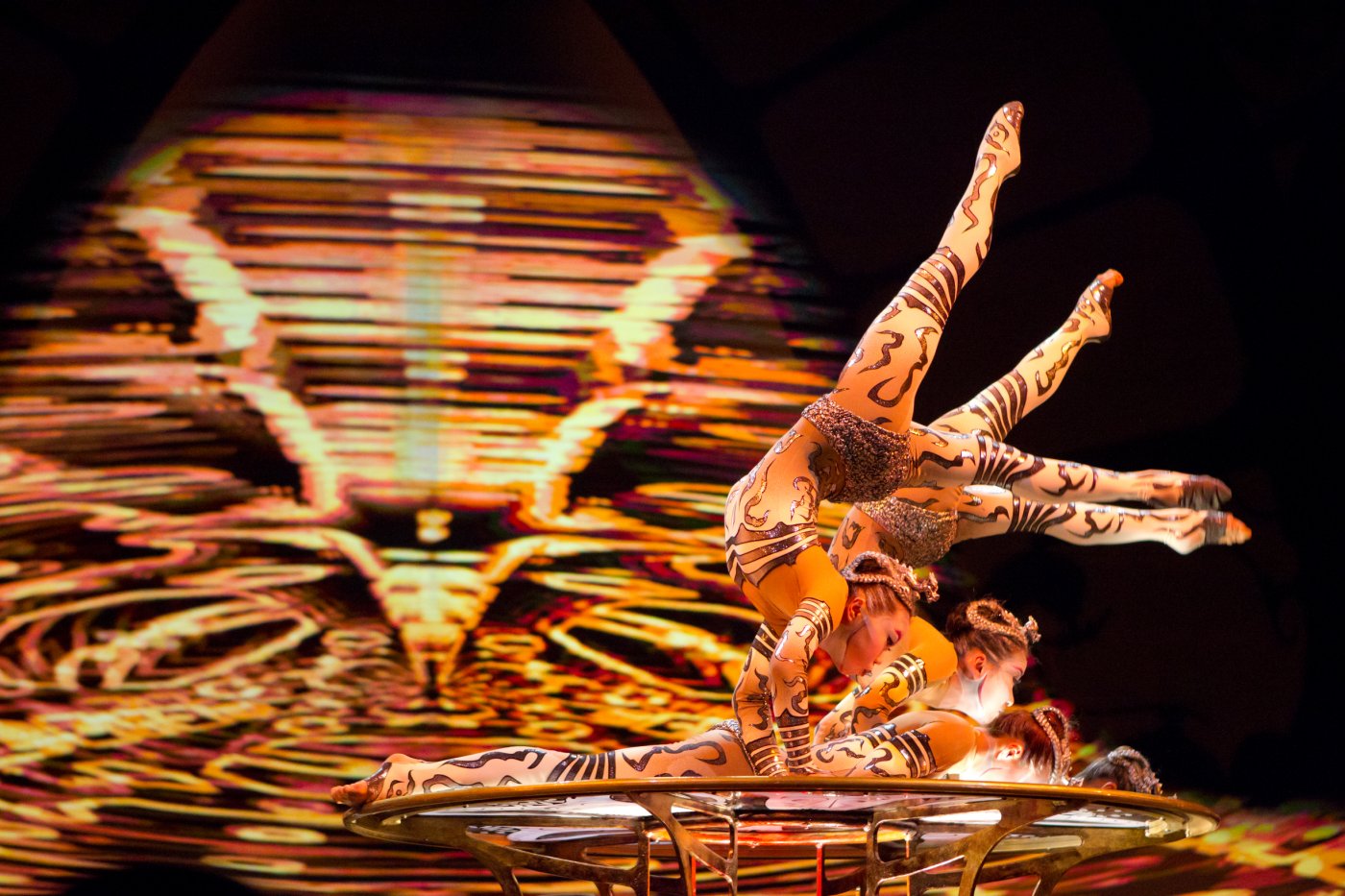
Matt jokes, “The most difficult part actually ended up being the editing: with four photographers, there was over 20,000 images to sort through (400gb). That particular shoot took about five days to edit and process. I did all my own pre-editing, color corrections, and file processing…my eyeballs nearly fell out of their sockets on the last day.”
However, shooting the live shows is only the first half of the act for a Cirque photographer.
“The real challenge is pulling off the staged shots,” Matt reveals. “Our shoot schedules, and the artist’s schedules are constantly changing, so we have to be fully prepared for any lighting and camera set-up. Whenever the act is ready to go…we have to be ready to shoot. We can’t make the artists hold their poses for too long either…because they are human, they do get tired, and can get injured. We also have to work with their schedules, as we only have them for a short period of time before the show starts. I have to shoot pretty fast. There’s no time to waste.”
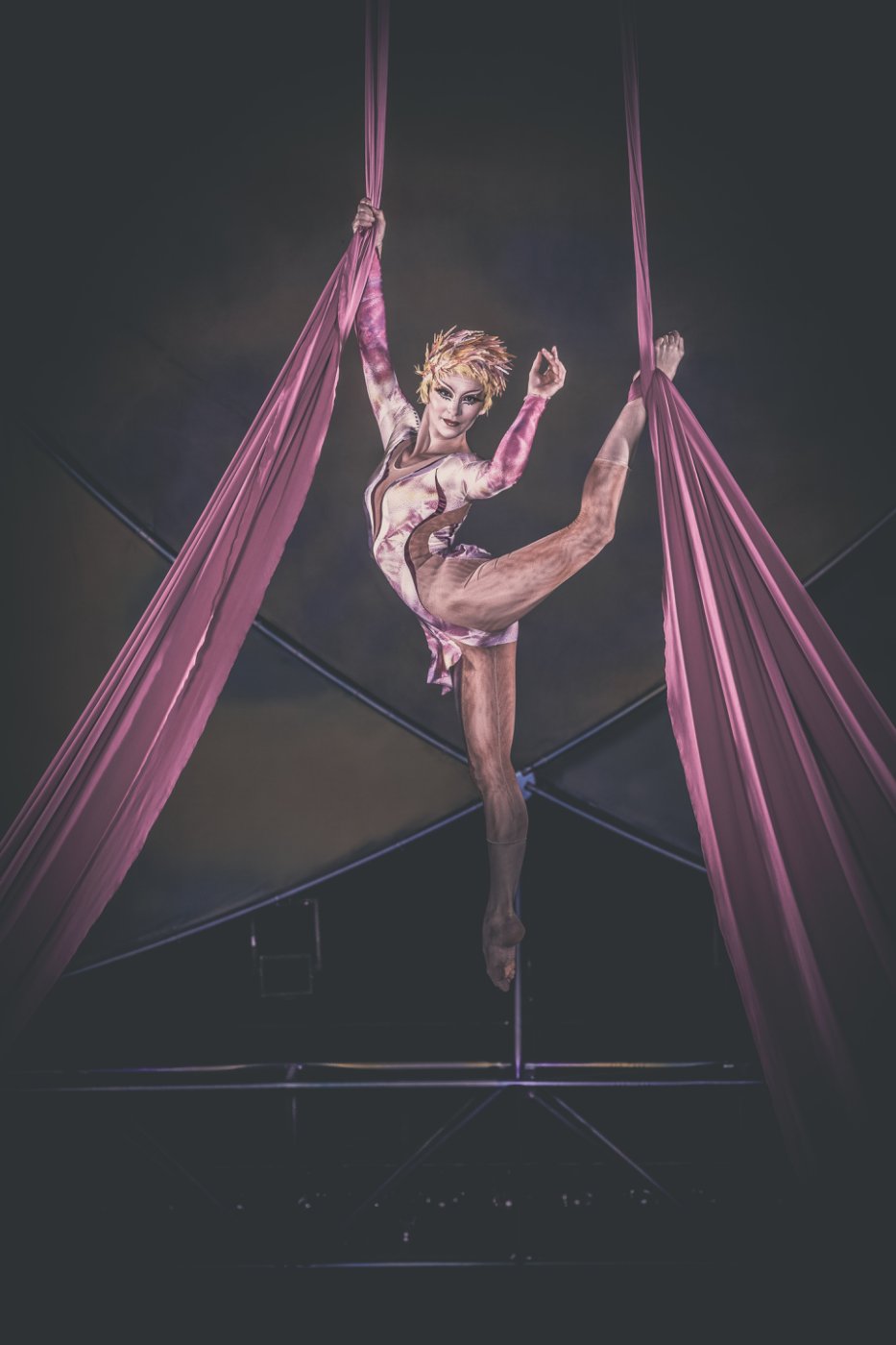
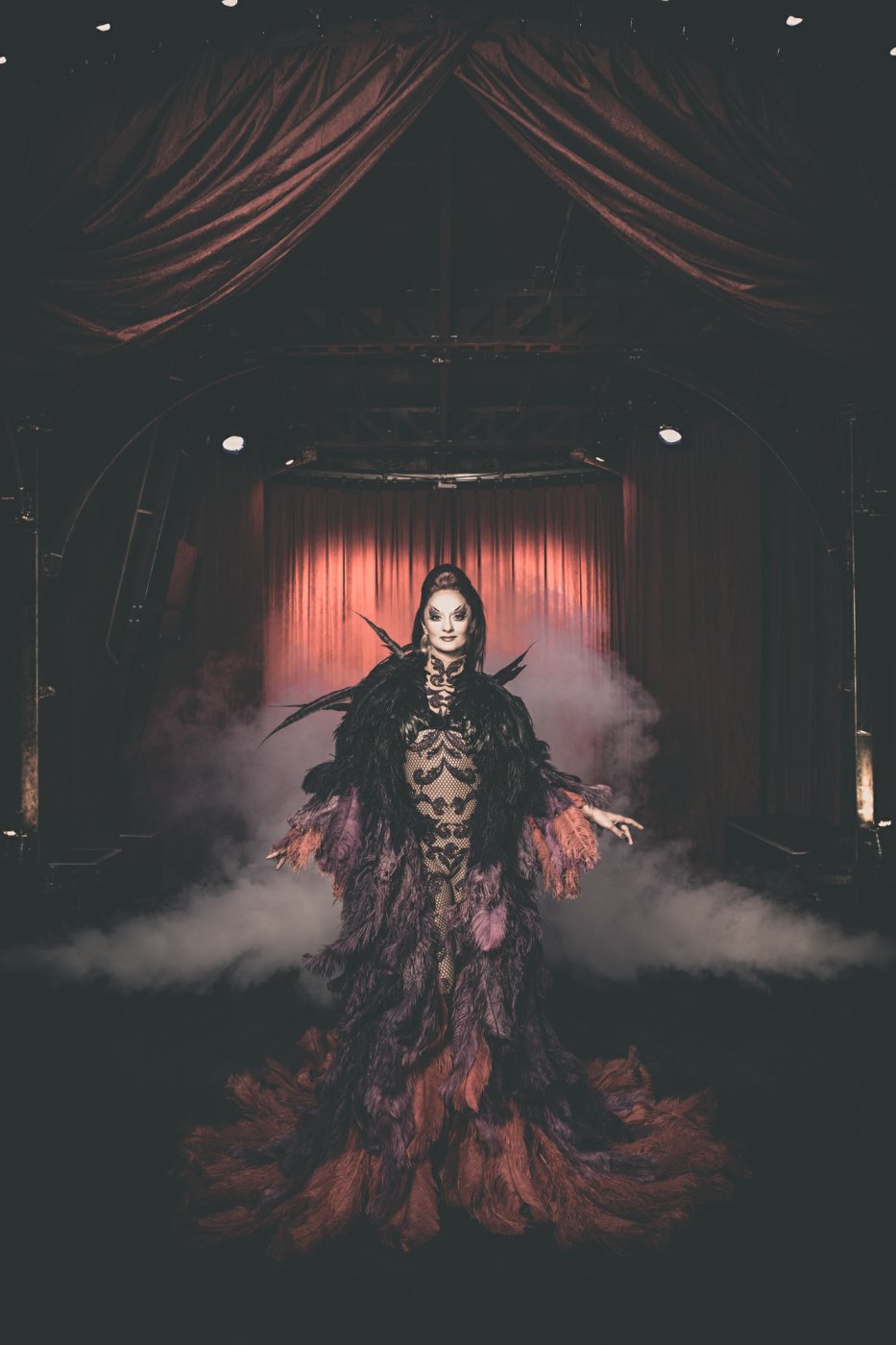
Many times, Matt finds himself shooting On-Stage acts from about 9am till 5pm, then back again shooting the live shows from 7pm-midnight.
“My crew has to start wrapping our gear out of the theater, and into whatever make-shift storage areas we can find. This happens before I’m done shooting, leaving me with only the bare minimum for whatever the last shot is that I’m working on. We can’t have ANY equipment left out in the theater or tent, because of the danger to the artists and the guests and to our gear as well. As soon as that last frame is captured, it is All-Hands-On-Deck…and we are flying that gear out of the theater as fast as we possibly can. In the meantime, we’re also making sure all the cameras are re-configured and synchronized for the live shoots, the batteries are fully re-charged, and the CF cards are dumped and ready to go again. There is definitely a method to the madness.
Sometimes pulling off a Cirque shoot is a lot like being in one of the acts.
“You do what seems almost impossible, and make it look easy and seamless. That’s just it. No room for failure, and no second chances.”
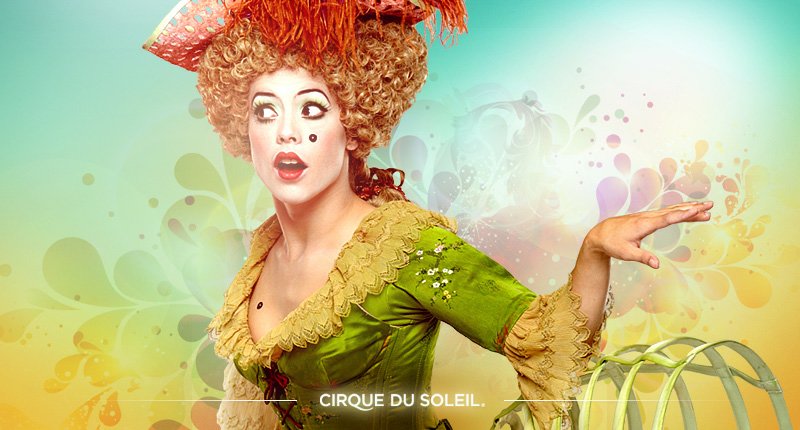
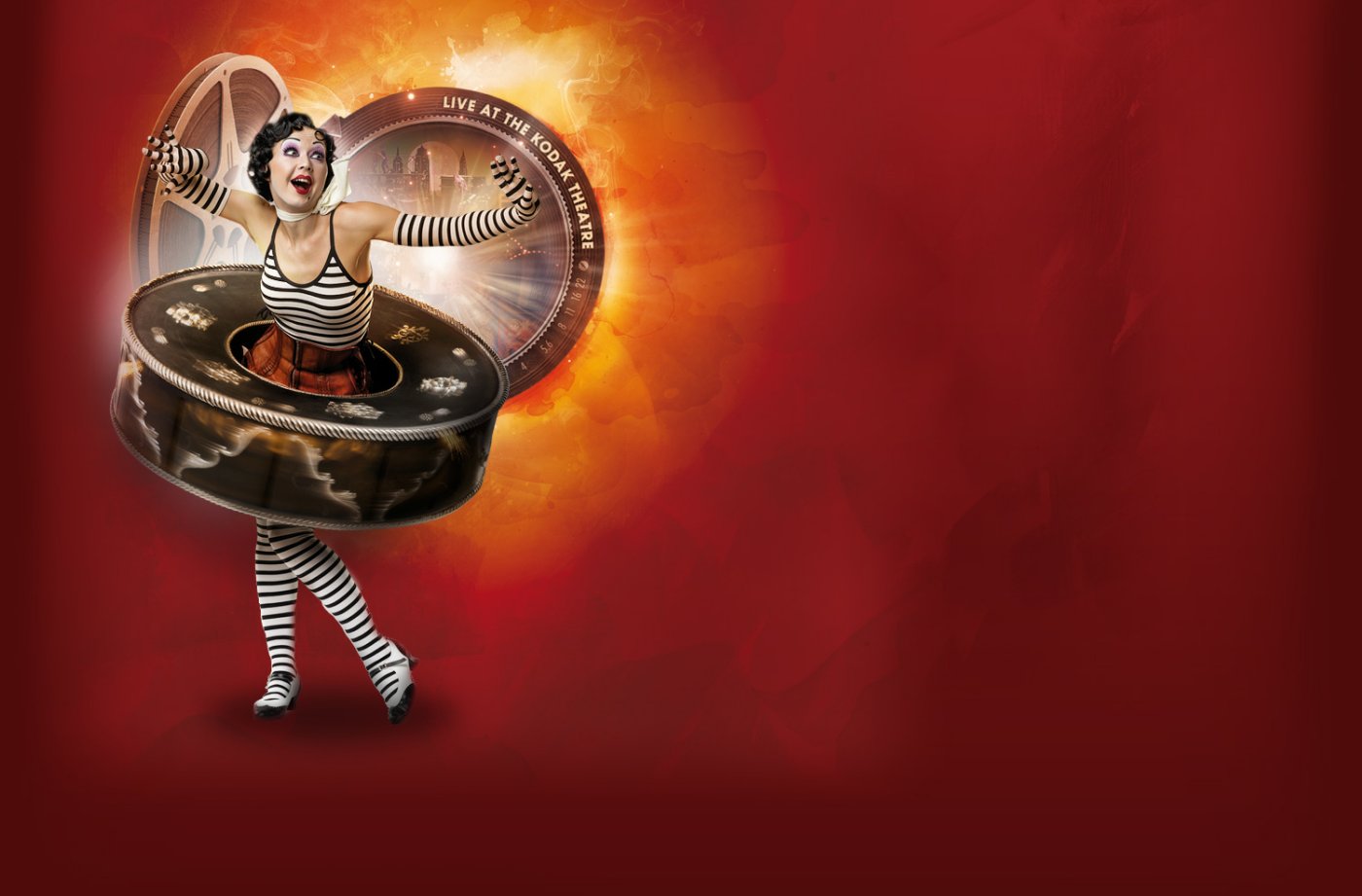
Thanks to Matt Beard for taking the time to speak with us, and of course to the wonder and magic that is Cirque du Soleil!
Photos: Matt Beard Photography
IRIS Costumes: Philippe Guillotel ©2011 Cirque du Soleil
Mystere Costumes: Dominique Lemieux © 2012 Cirque Du Soleil
Graphic Design: ©Cirque Du Soleil
Join the Fstoppers community for free
-
Post comments and join in the discussions
-
Browse the site ad-free
-
Share your work and get featured in the community
-
Compete in the photo contests for fun and prizes
11 Comments
Love the posed portraits in particular. Very well done!
I shoot for a Hispanic Circus called Circo Hermanos Vasquez and this was invaluable. I love shooting the circus. I would be so excited to shoot something like a live Cirque in the future. I wonder if he'll be shooting on tour with them. I'd love to meet Matt. :)
It would be a pleasure meet you as well. Loved your article on the Ben Von Wong shoot. I won't be on any particular tour, as far as I know...but you never know where I'll end up. ;-)
Many of those images are from Kooza -- It was just here in St. Petersburg, FL. Amazing show. That bucket from the 4th image from the top was dumped on my head full of confetti in one performance. Awesome time.
Yes, we had just finished shooting Kooza in Dallas right before they came to Florida. Now they are in London at the Royal Albert Hall. That is an amazing show. It was actually the very first one I shot on my own, when it came to Santa Monica back in 2007. It was nice to be back and shooting it again!
I saw Iris.. amazing show. I'm sorry it didnt get the draw to stay in Los Angeles.. I'm jelous that I'm not shooting Cirque.. what an amazing time to be had shooting Cirque. Great interview!!
These are great shots. But I have a question though. If someone hires you to do a shoot like this and you have to get additional photographers....Who has the right to put their name on the photograph and if one of those shots was the money shot but was shot by an assistant, how can you claim it as yours if you didn't shot it?
Mark Huerta. Great question!
In the case of the Cirque Du Soleil shoots, Cirque actually owns the copyright to all the photos. They do the contract as a "Work-For-Hire" or "Buy-Out", therefore they own all the intellectual property. We do, however, keep track of the serial numbers (in the metadata) of the cameras we are using for the live shoots...so we actually know who shot what.Even though my backup shooters are doing it as a paid "Work-For-Hire", and acting as an extension of Matt Beard Photography... they are also allowed to use their "money shots" on their own sites and portfolios, and claim photo credit on those images. It's only fair.Cirque also makes the best possible effort to give accurate photo credit wherever they can.Check out www.lennyschway.comHe has some great photos up, that he shot, from various shows we did together (search under people and events).Everyone gets the credit we all agree to, before we start shooting.If there are any questions regarding copyright or credit, we resolve those before ever starting the shoot.Thanks for asking!-Matt
Thanks for the clarification. That info will help.
Very interesting reading, and very cool about your second shooters. I do similiar work for Cavalia and Cavalia's Odysseo, we just finished a multi-day shoot though without as formal studio setups. Add horses to the acrobatic mix, and you've got it. Also a work for hire, plus personal promotional use. Cavalia is also very good about credit. Matt, are you using 1Dx now? I used a Canon loaner and now have to get my own, in love.
I did some work with a 1DC prototype on Kooza...but it wasn't released at the time, and the RAW files wouldn't open like the 1DX (different format apparently)..but it worked pretty much the same. I loved it! The video came out great though. They just posted some on the Cirque Club sites.