
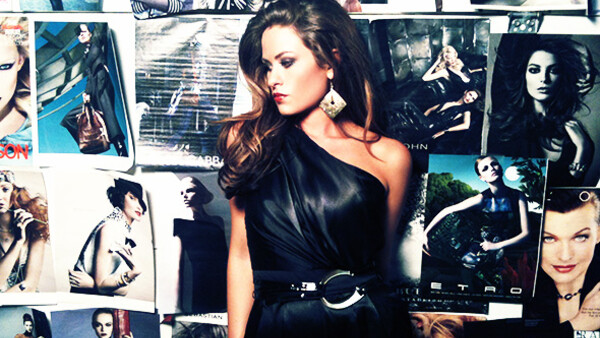
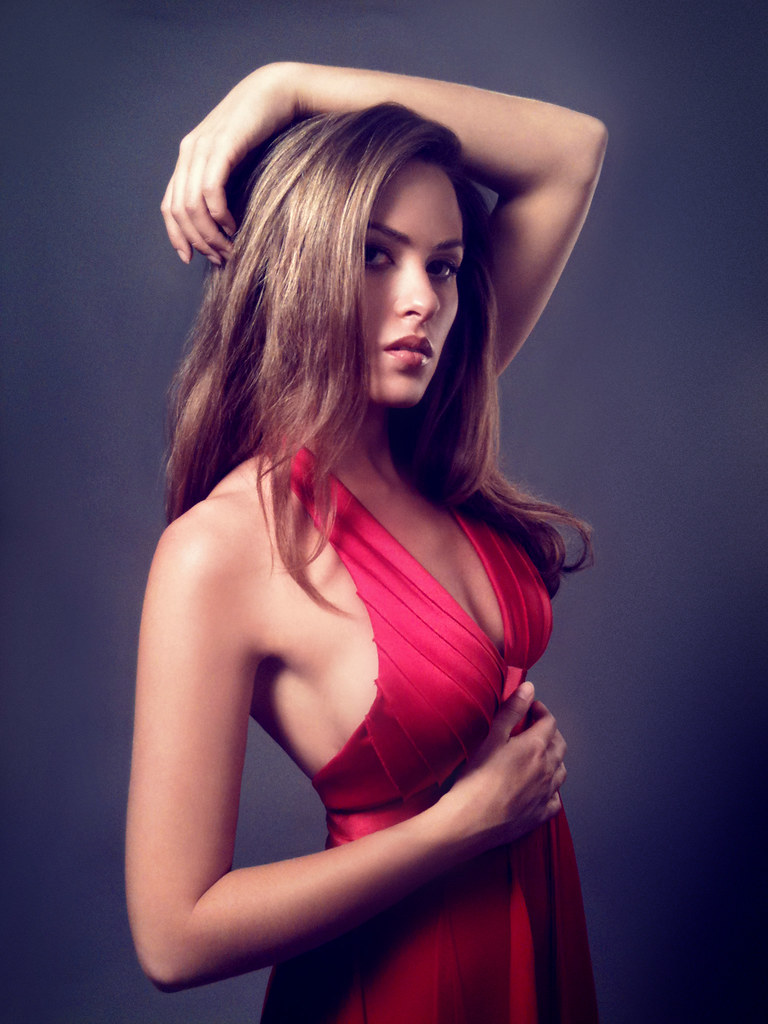
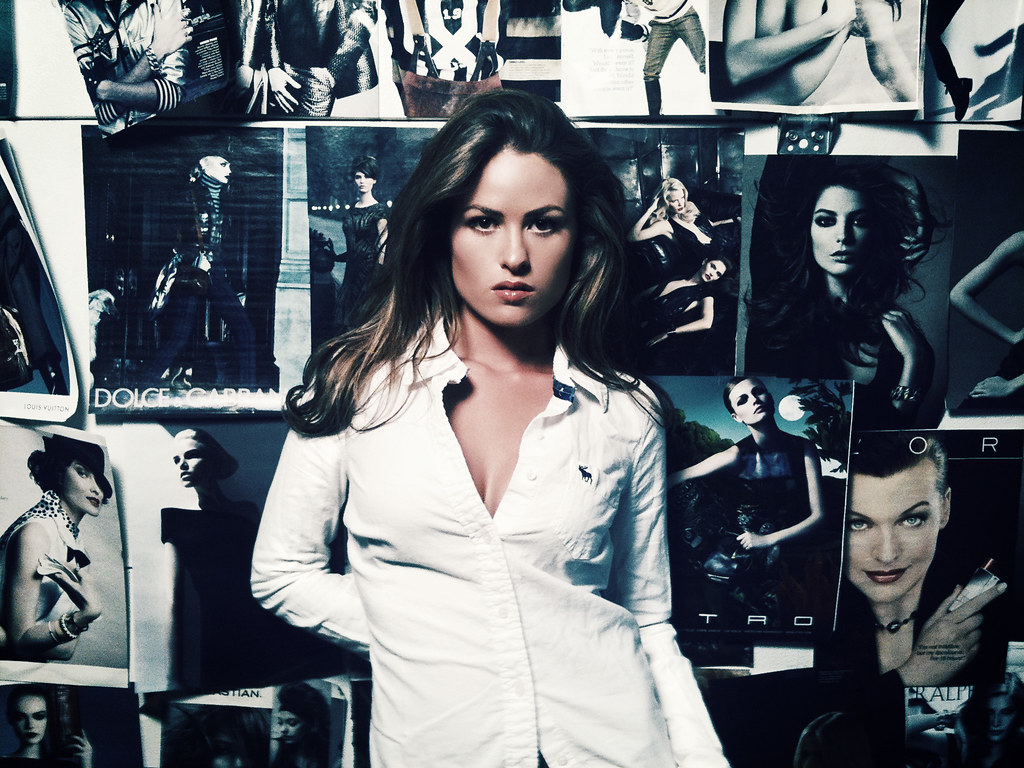
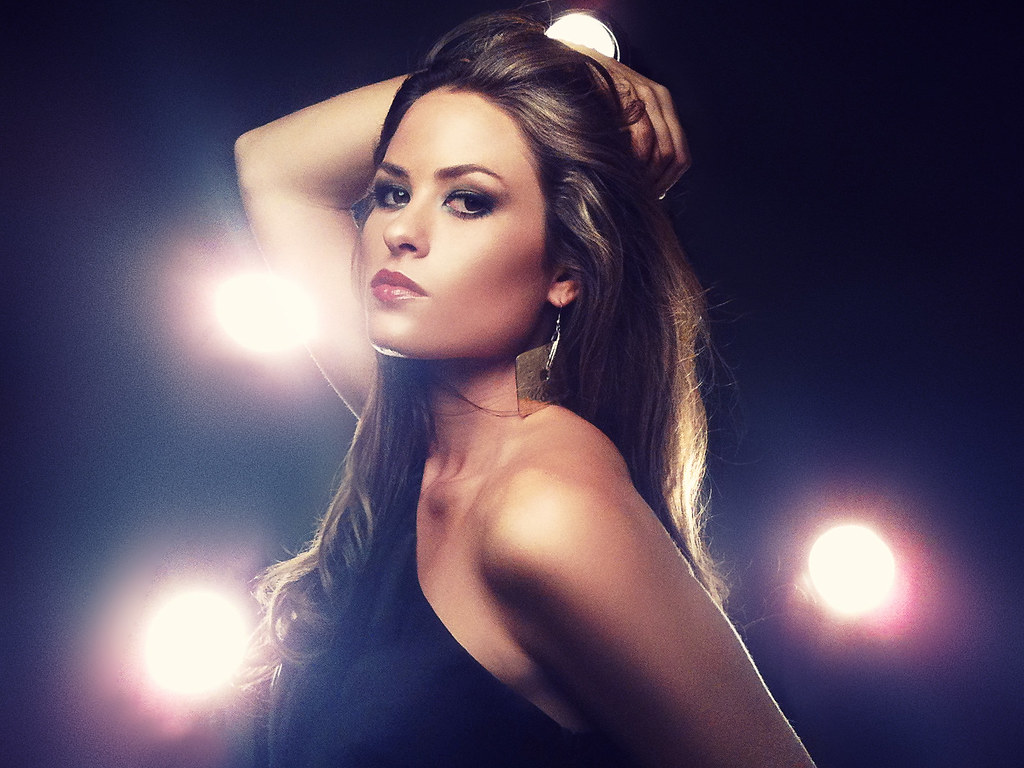
A few weeks ago I did a full fashion photo shoot with my iPhone 3gs. I posted a few of the images and asked people to critique them (never exposing that they were shot on my cell phone). I couldn't help but laugh when a few of our readers claimed that these were "the best images I had ever taken." Nobody ever claimed that they were too grainy, too soft, or lacked detail.
So before I say anything else let me start by saying; I created this video to simply show that you should not be limited by your camera. Obviously there was a lot that went into this shoot including a professional model, hair and makeup, a studio, lighting, and a retoucher. We may create another video in the future where we shoot with only natural light but this video is simply about the camera. There are so many photographers who are obsessed with noise, sharpness, color, dynamic range, megapixels, chromatic aberration, moire, distortion, etc. So many photographers get wrapped up in the technical side that they forget how to take compelling images. This video is for them.
So a few months ago I called Olivia Price; "Hey Olivia, would you be willing to let me do a full photoshoot with you but I'm only going to use my iPhone camera." I had worked with Olivia before, and I must have gained her trust because even though she was very busy she agreed to model for me. Luckily, we set up the shoot right before she was scheduled to move to LA to continue her acting career.
Next I called the local high end hair salon in town, Stella Nova. Madison LeCroy and Tiffany Starnes agreed to donate their time and talent to be a part of this shoot.
I then contacted Pratik Naik of Soltice Retouch. Pratiks portfolio is mind blowing and I was thrilled when he agreed to do the skin retouching for the video.
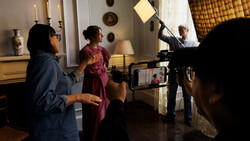
Travis Harris, a photographer from Miami was in town for the week and he agreed to help Patrick Hall film the whole day.
I now had a full team of extremely talented people and I had yet to even test the phone's camera capability in the studio. At this point I was scared that I may be in over my head. What if the iPhone wasn't capable of creating good quality images? A few days before the shoot I called Patrick Hall over to my house to help me test out the camera. I set up a standard square beauty lighting scheme and got Patrick to stand in. I took this shot:
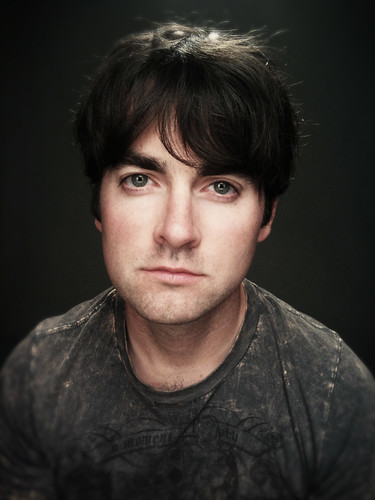
We were both shocked by the quality of the image. Once we uploaded the picture to the web, you couldn't even tell it wasn't shot on a DSLR. I now had the confidence I needed for the upcoming shoot.
The day of the shoot went very well. I tried to be as informative as possible in the video so I won't go into great detail here about how the images were shot. After the shoot I sent the files over to Pratik for initial retouching. Once I got the files back I gave each of the images a "look" using different photoshop techniques and filters. In the video you can see the original image, Pratik's retouching, and then my final editing.
People may claim that the original images don't look that great but I was shooting with the intent of using Photoshop afterwards. If the backdrop paper didn't fill the frame I knew I could easily fix it afterwards. With today's market being what it is I see Photoshop as a necessary tool for every image I make. I am in the business of making money and my clients do not care if I got it perfect in the camera or made it perfect in post, they simply want a perfect image. It's the same process with music. A band could record and entire album in 1 take, but what successful artist does that? Today, everyone records track by track one at a time and use software to combine them all together into a perfect mix.
A quality camera and lens is a fantastic tool to begin with but even the most expensive camera in the world is capable of taking bad pictures. When your clients view your work they aren't thinking, "Wow I don't see any chromatic aberration in this image!" They are simply thinking, "Wow, I can't put my finger on it, but this looks great!" Olivia has one of these images as her profile picture, and it already has a ton of comments like: "G-L-A-M-O-R-OUS", "LOVE THIS!!!!!!!!!!!!!!!!", you are so beautiful!!"... These are your clients; these are the people that will pay you to take an image and they are not pixel peepers. And many of you, who are photographers, even still said these are some of the best pictures I have ever taken. I can't say that I agree with that but I will say they are pretty damn good for a cell phone.
You can view all of the edited images below both as high res raw and edited images here.
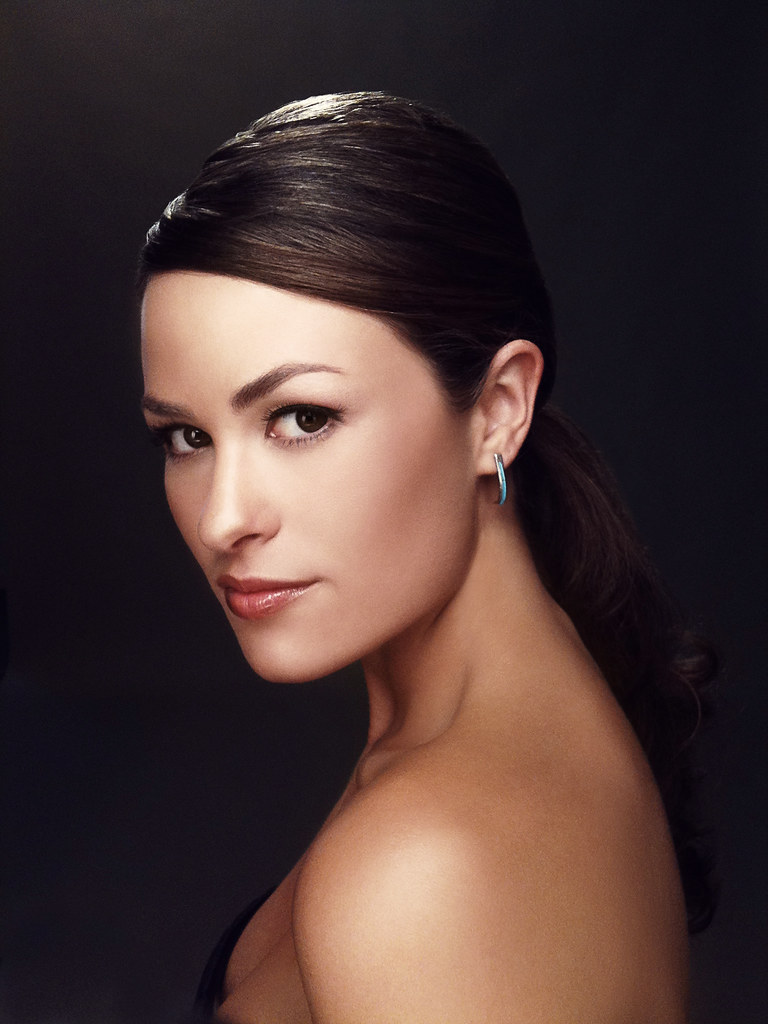
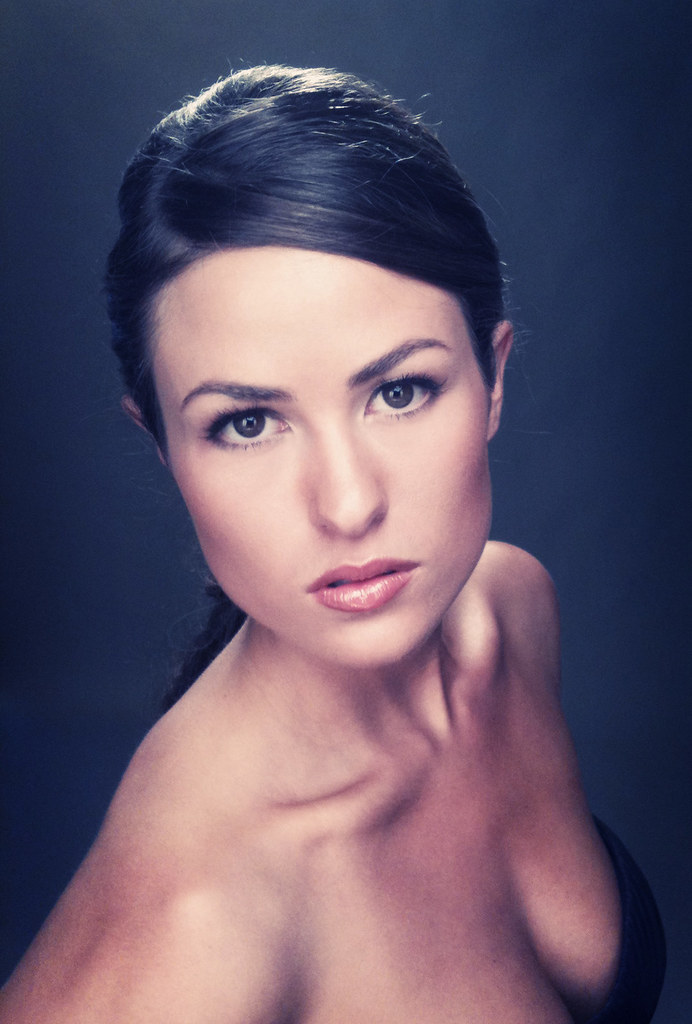
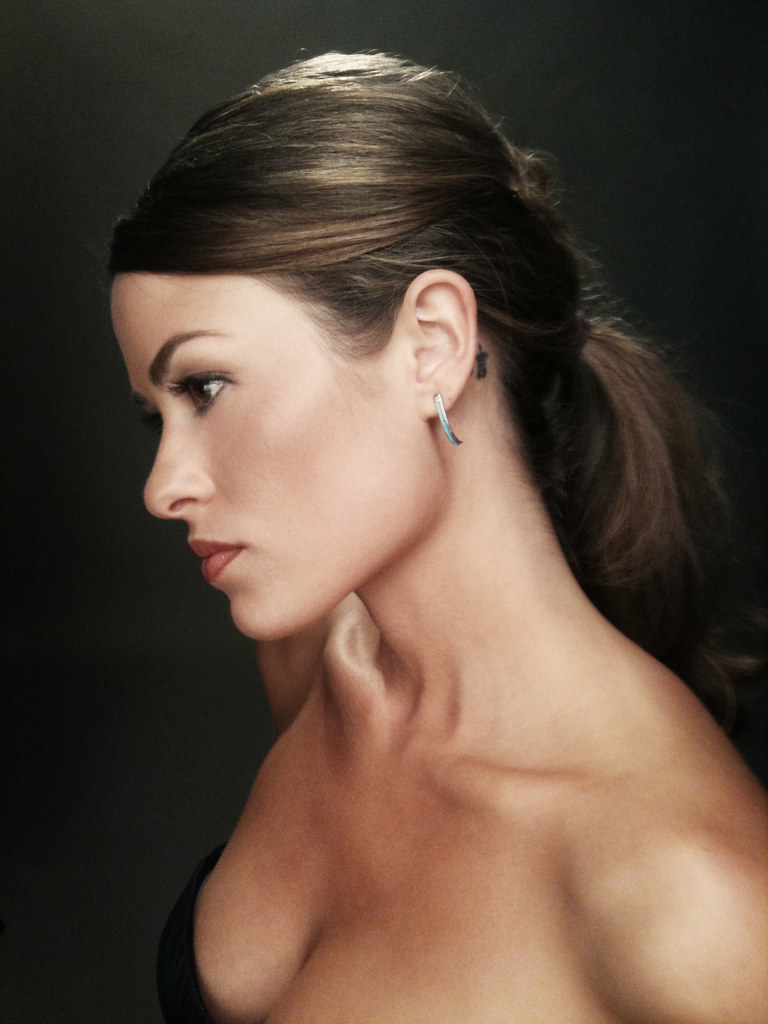
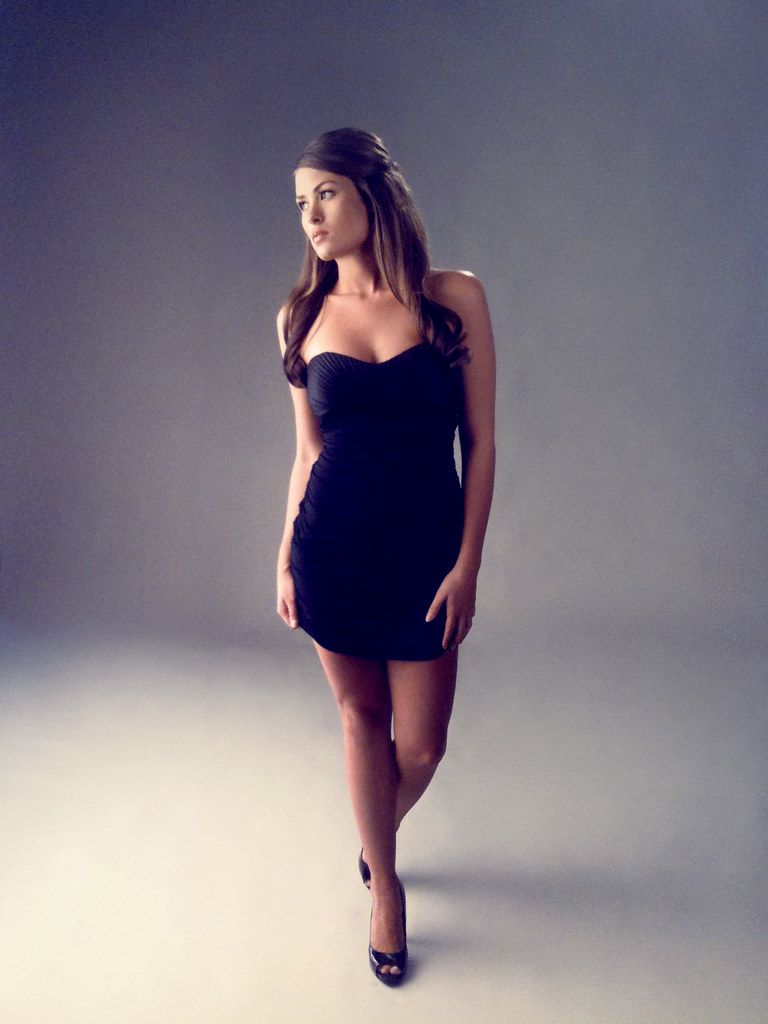
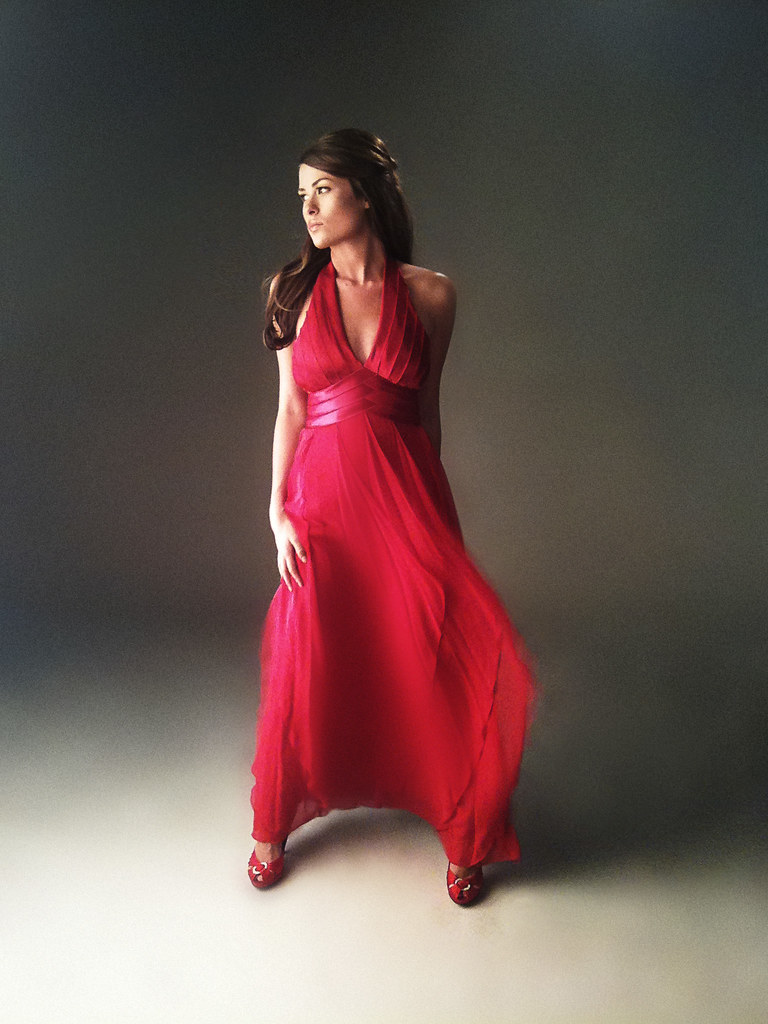
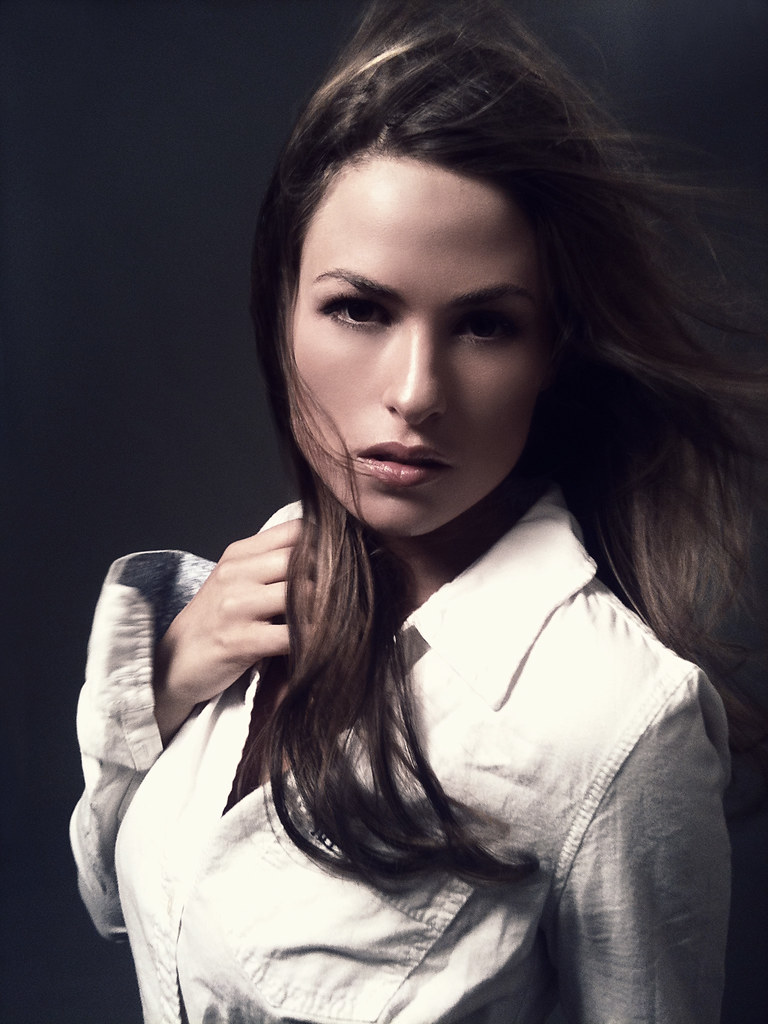


Please help support Fstoppers.com by commenting below and joining the conversation on our forum here.
UPDATE: A lot of people have asked us what sort of budget equipment we could have used to create these photos. Here is a list of a few items that would make this possible on a budget:
Interfit Photographic 36" Octobox
Pro Studio Solutions EZ Pro Strip Box softbox 12"x56" soft box with Speedring
Cowboystudio 24" x 36" softbox soft box for Alienbees Alien bees
Cooper/Regent TQS1000 Twin Work Light 1000-Watt and Stand
For more photography by Patrick Hall and Lee Morris, check out www.patrickhallphotography.com and www.rlmorris.com


Join the Fstoppers community for free
-
Post comments and join in the discussions
-
Browse the site ad-free
-
Share your work and get featured in the community
-
Compete in the photo contests for fun and prizes
329 Comments
Nice work with the iPhone. Now we don't have an excuse for not posting our own work.
Note: After upgrading my 3GS to the new iOS4 it takes pictures much faster now.
Great post! I really like the pic where she's standing behind the wall full of pictures!
Great Video guys.
btw im really digging that happy dance! LMAO!!!
AWESOME VIDEO!!!!! Great concept and pictures.
I have a technical question-how do you deal with all the calls coming from creditors for all my other camera gear when you are trying to do a shoot with the I-PHone?
Anybody want to buy a used 5D Mark-II.
I really admire everything you guys can do with just an iphone and I must say the final result looks just amazing! the only problem I have with this is that you've got some crazy/expensive light equipment. not everyone can afford that big of a softbox. I'm not a pro so please, someone prove me wrong :)
Yeah Patrick is right you could pretty much use natural ambient light with some foam core with $30-$40 work pool light from Home depot through umbrella or bounce board its just the state of art how you use it and how you want it
Thinley
You can rent those.. :) Or build, google it, can be quite cheap..
Great post, great techniques. Shame on me!
Pooya, Those $50 flood lights from Lowes were much more powerful than the dynalite modeling lamps. And for soft light we could have used a huge bed sheet. Don't get caught up in the gear; we used great lighting but we could have used natural light or cheaper light.
Awesome work, keep it up
Great job! I actually preferred the photos before they were retouched, so there you go :)
In other news, light, composition, model, MUA, pose and expression are more important than camera gear.
Good video and impressive pictures!
wow, simply stunning! i guess i am under utilizing my iphone, lol :)
Im shamed on my own critique on the forum. There has no aperture to close...
Great pictures -BUT- you say that you'd don't need great equipment to shoot great photos. Now, I agree with that but just because you're using an iPhone doesn't mean you're not using great equipment.
You have a studio, studio seamless, beauty dishes, 6' Octobank, strip lights etc. You still need -SOME- equipment to do your shoots, though I agree that you can DIY alot of the stuff for sure and still get great results.
I think what you really show is that with planning and preparation, you don't need to -SPEND- lots of money for great shots.
Not to mention that the iphone (depending on the model) is an 5-8mp camera with a 2.8 or 2.4 lens. Plus professional model, makeup artist, photo retoucher.
Great vid, Lee. I was wondering what type of post-processing was performed. On each of the final shots, you display three images in series, first appears to be the original, followed by two more which have back-ground masking as well as model touch-ups and different lighting, mostly softened. Neophyte trying to learn processing, help me out. Again, great work!
This is a great post - you're right so many photographers forget about the "photography" part!
...any compact camera (100$) will do much better. The only thing good about this is light and models. Picture quality is just awful ! ! !
holy crap, this is nuts!
In the teaser blog you posted, I wrote "Cell Phone Shooting Tethered or from different states, Stay in NY and shoot in Miami via Satellite?? LOL" At lease I got the phone part correct, I just left off iPhone..LOL. I Love the photos though, amazing work Lee. I am truly inspired.Keep up the magnificent work.
P.S. Only hope Olympus owner didn't get offended LMHO.
One Love from Jamaica
eddie
@mefisto : All others thing being equal (lighting, model, composition, ...), I bet you wouldn't be able to distinguish those shots between camera phone, P&S, DSLR & medium format when displayed in "web-quality".
I know I wouldn't dare to take the challenge!
Thanks for all the comments guys and gals. My intro is slighly misleading because I say that you don't need any fancy gear but then the only thing we downgrade is the camera. If you read in my post this video is simply dedicated to camera quality. In the future we may make another video using cheap or natural light. We wanted to shoot studio style shots with a cell phone. To do this we needed lots of lights and modifiers.
I've read some people say: "take away the model, hair and makeup, studio, lighting, and retouching and try to take as good of pictures." well you got me... If I put an ugly girl without makeup on some train tracks the pictures would only gain attention from model mayhem ;) get real people.
lol...but some super editing can wow your train track pictures too.
Can I read into this that my headshot is ugly?
Your character is more ugly than your face if that helps.
Fantastic video, great images, I commented a few weeks ago on the teaser images and got it with stating these were shot on iphone (where's my prize?), but of course blew it with the editing being done on the iphone as well.
Oh and at the University I work for we give all our Undergrads an Olympus E420 for the Photography module....Calumet were all out of Nikons.
Great post guys, fantastic site, shooting my BTS video on 14th July for the contest (You'll post a 7D to the UK, right?)
Steve, I gota say when I read that I thought you were one of my friends who I had told.... I thought, how in the hell did he guess that! We look forward to seeing your BTS video.
Amazing Video guys, I absolutely love it. Although I would never shoot a model shoot with my iPhone, I love the behind the scenes work! You guys are great!
I've always cringed when someone says "Wow you must have a really nice camera."
Same goes with musical instruments. Anyone can buy a guitar. I'm sure Eric Clapton or Eddie Van Halen can sound good on a $99 guitar.
But they can sound better with a super expensive guitar and amp. Period.
You guys have inspired me!
great job
Anybody who can afford the arsenal of lights you used should be able to afford a decent DSLR and lens in the first place. Kinda defeats the whole point. I mean, lighting counts as camera/shooting equipment right?
Yea thats the fstoppers hypocrisy. They always do those tests with super expensive studio equipment, heavy post processing and of course perfect looking subjects. A good camera will always improve someone's photography especially in natural light which is what most beginners like me start with.
I am still trying to recover from that model. She is absolutely stunning, any way you look at her. Great video, had fun watching it!
Wow. This was really incredible to watch. I guess I can no longer blame my lenses for bad pictures. Lighting it is!
Great shoot, but the video is very misleading. You're not making it more accessible to the amateur by using an iphone camera instead of a DSLR when you've still got $2-3k of lighting equipment involved.
Anyone who's done any reading about the science of photography knows that light is the most important part, not the sensor. You can play with the light to 'fool' a low quality or bad sensor.
Do this again with a $100 IKEA gift card and an iphone, nothing more. Then I'll be impressed.
What's wrong with Olympus? You obviously haven't shot with an Olympus SLR, have you?
That was great!
this is stupid kind of cause you are still shooting with a thousand dollars worth of lighting kit. Everyone knows light makes pictures not the camera. Do it with some dollar store flash lights and iphone then you will impress me
Joe and Andrew, the idea isn't to impress you. We have a camera contest going on right now where we are giving away a D300s or 7D after August 1st. Step up to the plate (with or without a IKEA giftcard) and win this contest! What we did could have been done with a $300 budget minus the cost of the iphone. We just used what we already had.
I loved this! man I dunno how i stumbled onto this but I have seen some amazing images with a iphone, but I loved what you did in bringing it to the studio! now my only critique would be that it was in a controlled studio environment.. i'm sure it would have looked good outside.. but would it have been as great? studio with great lighting I feel doesn't really need too much editing.. because with great light the images seem to turn out great no matter if you have a olympus (lol) or Canon/Nikon, or even an iphone. anyways... I thought this was such a sick idea I love what you did in this and I love how you were descriptive and told exactly what lights you used... great job!
Now thats how you do a BTS video!! A detailed explanation of the equipment, placement of the lights, what kind of lights, what you were trying to accomplish. And then the finished picture!!! EVeryone take notice on how its done and if yall cant beat this, I say they keep the camera! Way to go guys!!
PERFECT!!! I´ve said you dont need expensive equipment to shoot amazing pictures just a simple camera and lots of imagination. I applaud you for this video and for proving this point. I also congratulate you for the website and great videos.
LOL!!!!!! omg i can't believe this lee!!! you put me to SHAME!!
Great video, guys! and I think you hit it right on the spot. I always, always hate it when people complement the camera and not all the effort and hard work by the person behind the camera. I even wrote a blog about it about 2 months ago: http://www.dannyst.com/your-camera-takes-great-photos/
Umm, everyone saying it's the light/model/hair dress/sacrifices to arcane gods that won day - you are totally missing the point (and you are wrong).
First off, it's technique. They could have used bare bulbs from the dollar store, shot through bed sheets or cheese cloth and wound up with substantially the same photos, especially after editing.
Second, and oh the irony, this video was supposed to convince you guys and girls to quit arguing equipment and go out and shoot :)
Peace, Don
Love the post, seriously awesome work and a crazy Ideas, this site is so inspirational and helpful. Was wondering what the four lights were called that were used in the full body shot with the lights the background?
Nick, those four lights were Dynalite 2040 lights but only the modeling light was used. We definitely did not need to use pro gear for any of this shoot but we had it and it was easier than running to walmart so we just used them.
Was the behind the scenes shot on the iPhone as well.