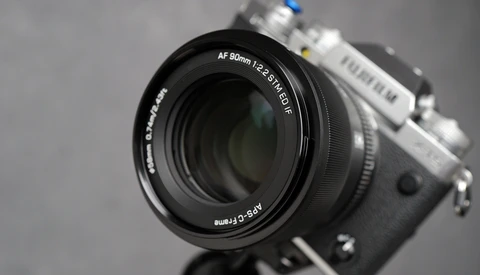
We Review the Viltrox AF 90mm f/2.2 EVO Lens
The Viltrox AF 90mm f/2.2 EVO is the company's latest in its budget-friendly, compact line of lenses for APS-C systems, and it offers excellent image quality and value for the dollar.
Fstoppers gear reviews are written by photographers who actually use the equipment — not benchmark testers looking at spec sheets. This section covers cameras, lenses, lighting, accessories, bags, software, and everything else in a working photographer's kit. The goal is always the same: give you an accurate picture of whether something is worth your money before you spend it.
The Viltrox AF 90mm f/2.2 EVO is the company's latest in its budget-friendly, compact line of lenses for APS-C systems, and it offers excellent image quality and value for the dollar.
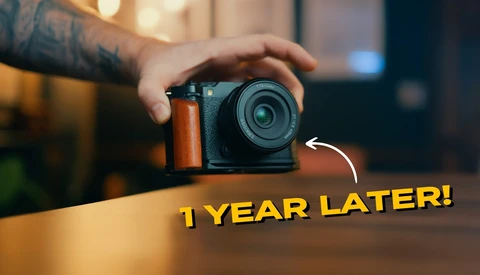
The Fujifilm X-M5 sits at around $800 and punches well above that price with 6.2K open gate video, a 26-megapixel APS-C sensor, a mechanical shutter, and a hot shoe — specs that most competitors at this price point simply don't offer. After a full year of real-world use, McClure has a clear-eyed take on where this camera succeeds, where it falls short, and who it actually makes sense for.
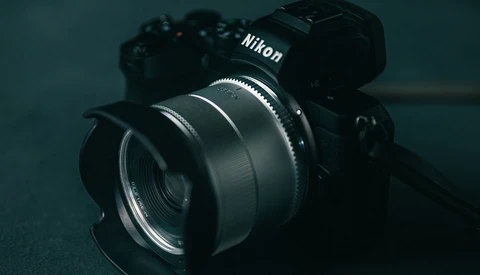
When it comes to focal length choice, my photography goes in cycles. For a few years now I've been shooting 28mm and 35mm, but recently decided it was time to move back to the 50mm focal range.
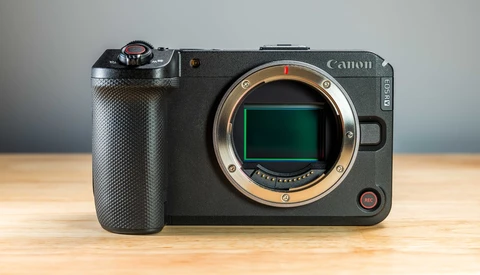
The Canon EOS R6 V lands at $2,500 with active cooling, IBIS, open gate 7K, and internal Raw — a spec sheet that would have cost you significantly more just a couple of years ago. The obvious question is how it actually performs against cameras like the Sony FX3 at $4,300 and the Canon EOS C50 at $3,900, and whether the gap in price reflects a meaningful gap in real-world image quality.
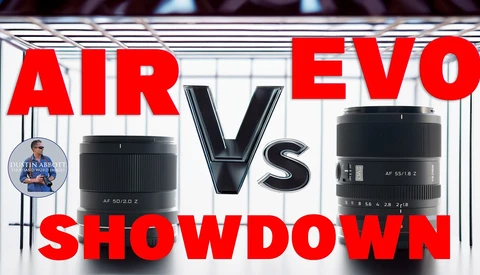
Choosing between the Viltrox 50mm f/2 Air and the newer Viltrox 55mm f/1.8 Evo isn't just a matter of budget. At $199 versus $370, these two lenses represent genuinely different philosophies, and if you already own the Air, you might be wondering whether the Evo is worth the jump.
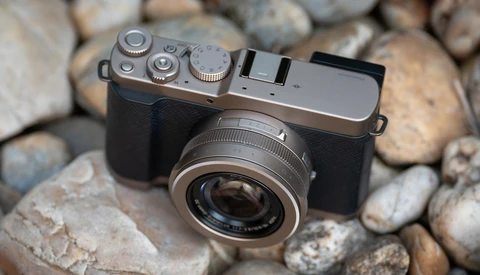
Compact cameras are making a serious comeback in 2026, and the Panasonic Lumix L10 is one of the most compelling arguments for why that matters. It pairs a 26.5-megapixel Micro Four Thirds sensor borrowed from the Lumix GH7 with a 24–75mm f/1.7–2.8 equivalent zoom lens in a body that's genuinely pocketable.
The Sony a7 V is a serious tool for street photography, and the question of whether its most powerful features cross a line worth thinking about. Pre-capture, silent shutter, and subject-tracking autofocus all raise real questions about what street photography actually demands from you and your gear.
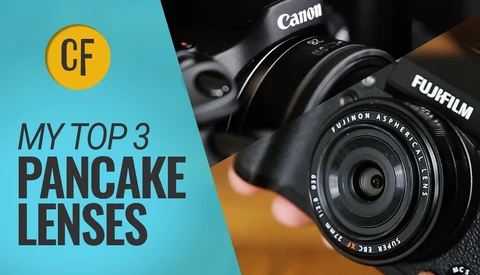
Pancake lenses are a niche obsession, but they solve a real problem: full-size image quality in a package small enough to actually carry. Most of them cut corners on sharpness to hit that tiny footprint, but a handful genuinely don't.
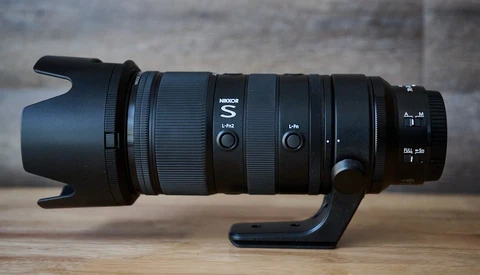
Today, I'd like to have a chat about Nikon's latest version of its workhorse 70-200mm zoom lens, the NIKKOR Z 70-200mm f/2.8 VR S II.
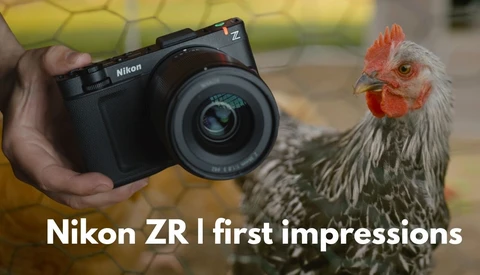
The Nikon ZR is built around the Nikon and RED collaboration, and on paper it looks like a specialist tool most people would pass on. But Matt Day's hands-on experience with it over several weeks raises real questions about whether it punches above its weight, even for everyday use.
Everybody has different ways of traveling, and that's why bags, tripods, and even camera gear come in different shapes and sizes. Peak Design took note of that and has come out with more options.
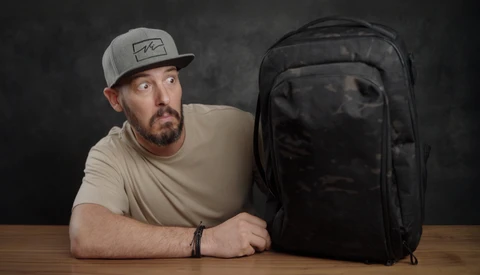
If you travel with camera gear even a few times a year, you already know the problem. Sometimes you're heading to a wedding with a full kit and your clothes are checked. Sometimes it's a weekend trip where you need a few lenses and room for a change of clothes. And sometimes you don't need any camera gear at all and you just want a normal bag. The issue is that most bags are built for one of those scenarios, not all of them. So you end up owning three or four bags and playing a guessing game before every trip.
The Atlas One is the first bag I've used that actually solves this.
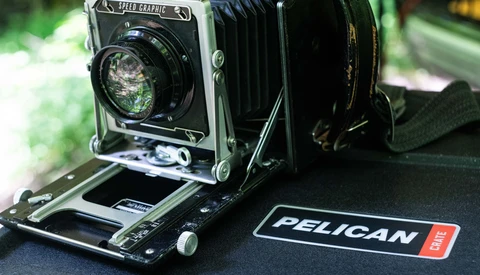
Modular. Configurable. Stackable. The Pelican CRATE system could be one of the most rugged photography gear cases on the planet, even if it doesn't realize it yet.
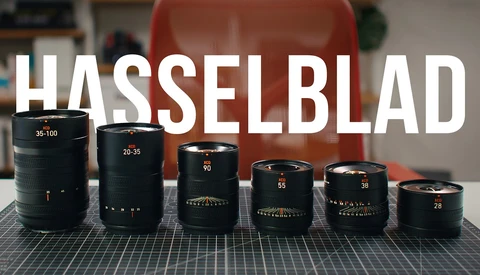
Shopping for Hasselblad glass is not a casual decision. These lenses sit at the top of medium format photography, and knowing exactly what each one delivers in real-world shooting can save you from a very expensive mistake.
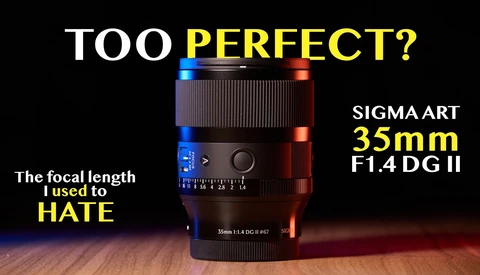
The Sigma 35mm f/1.4 DG DN Art is one of the most talked-about lenses in the Sony E-mount ecosystem right now, and for good reason. At around $1,000, it sits in a crowded tier alongside the Sony FE 35mm f/1.4 GM and the Viltrox 35mm f/1.2 AF.
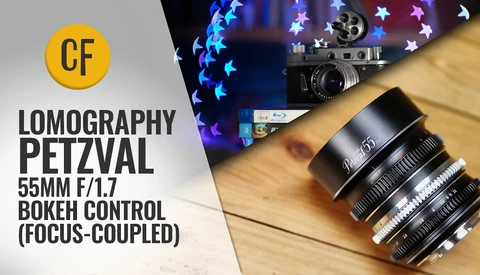
The Lomography Petzval 55mm f/1.7 is one of the most distinctive lenses you can put on a camera, and its new focus-coupled version changes the case for buying it in ways that aren't obvious at first glance. If you've ever been curious about swirly bokeh lenses but hesitated because of how awkward they are to use, this update is worth your attention.
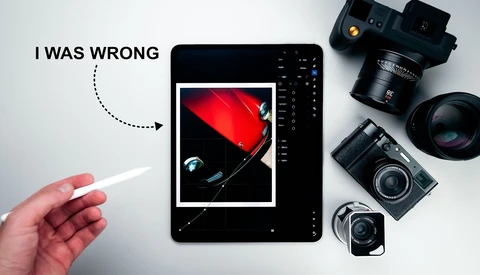
The iPad Pro has tempted photographers for years with its portability and touchscreen display, but most people who try it for serious editing eventually drift back to their laptops. Evan Ranft spent six months with the M5 iPad Pro figuring out exactly why that happens and what to do instead.
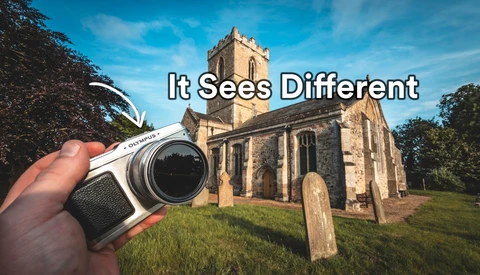
Infrared photography turns familiar landscapes into something almost otherworldly, with blown-out white foliage, dark skies, and a contrast you simply can't replicate in post.

Fujifilm's GFX system produces some of the most detailed, tonally rich files available to working photographers today, and the lens lineup is both the system's greatest strength and its most significant financial commitment. After six years of building out a GFX kit, Samuel Elkins has opinions on what actually earns its place in the bag and what doesn't.
The Fujifilm X-E5 is a compact, rangefinder-style APS-C camera with a 40-megapixel sensor, in-body stabilization, and a $1,700 body-only price tag. That combination sounds compelling on paper, but the real question is whether the image quality holds up when you push past the base ISO.

Is the old way of retouching dead? With various AI plugins, the world of classical retouching is definitely changing. Recently, I tried out Retouch4Me and some of their plugins, and these are my thoughts as a working pro on whether it is something that would fit into my workflow or not, as well as where it excels and where I find it to struggle more. Retouch4Me has a suite of different plugins across frequency separation, dodging, burning, healing, cloning, fabric removal, dust removal on a backdrop, and many more.
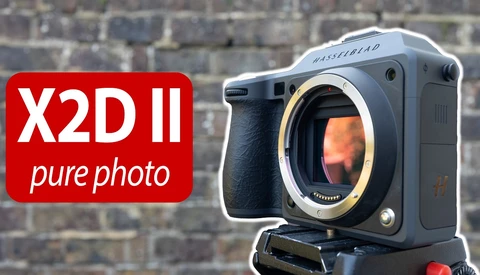
Shooting with a 100 MP medium format camera sounds like it should be complicated, slow, and demanding. The Hasselblad X2D II 100C makes a strong case that it doesn't have to be any of those things, and it's doing something with HDR imaging that no other camera has managed to execute.
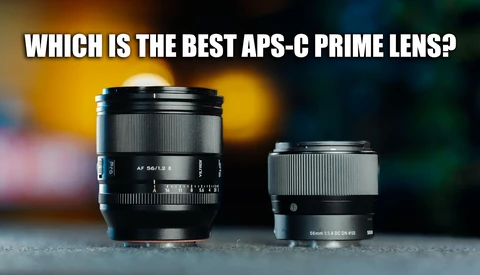
The Sigma 56mm f/1.4 has long been one of the most popular prime lenses for Sony APS-C shooters, but the Viltrox 56mm f/1.2 has been making a serious case for dethroning it. This head-to-head comparison puts both lenses through a structured scoring system across every meaningful category, from autofocus to bokeh to corner sharpness.
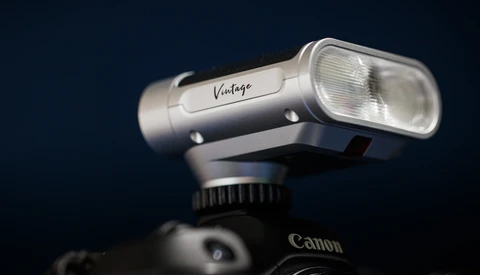
There are probably as many portable flash options on the market now as there are roads that lead to Rome, and just as many reasons to use one. But if we are talking about one that has a classically inspired design, is portable, and delivers professional functionality with studio-grade lighting, we might just have a reason to get one. We are talking about the latest release by Viltrox, the Vintage Z1 Pro Retro On-Camera Flash.
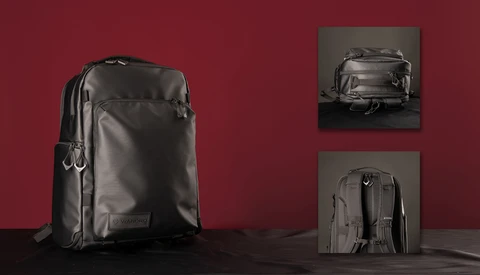
There are some pieces of gear you expect to be good, and then there are the rare ones that change your expectations altogether. I recently tested the 31L version of the new Wandrd Prvke Pocket Bag, which is an item you don't fully appreciate until you're halfway through a trip, standing in the rain, juggling passports, tech, and camera gear. This article discusses my experience with the bag, traveling long-haul.
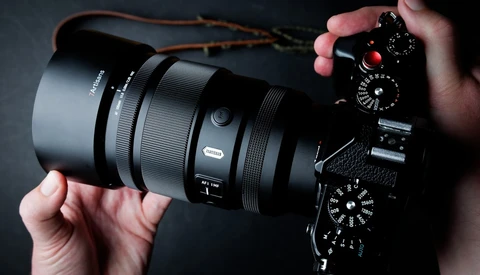
The 7Artisans 135mm f/1.8 is a fast telephoto prime available for Nikon Z, Sony E, and L mount systems at around $650. At that price, a lens with this spec sheet raises an obvious question: what's the catch?
Picking the sharpest 85mm lens on the market is harder than it sounds, because the gap between the top options is razor thin. Seven lenses made Christopher Frost's final cut, spanning a wide range of prices and maximum apertures, and the differences between them required serious pixel peeping to untangle.
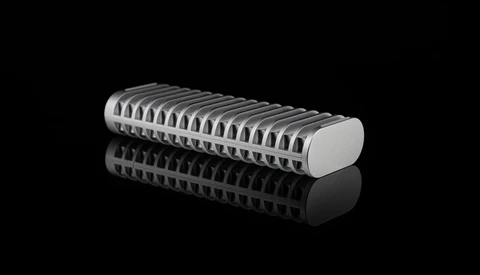
Following the strong reception of its D1 Plus and Pro models, TerraMaster has introduced the D1 SSD Enclosure, and its timing couldn't be better. As AI and machine learning workloads continue to drive unprecedented demand for flash storage, SSD prices have climbed sharply, forcing creators to rethink how they invest in capacity. Instead of committing to expensive, fixed solutions, the D1 offers a more flexible approach to pair with the SSD that fits your budget and your needs.
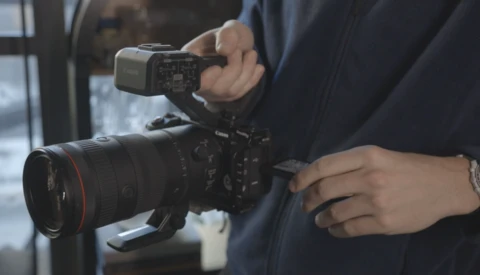
Recently I got to go hands-on with the all-new Canon C50 for a couple of projects, and ultimately I wanted to see if this could be the right compact cinema video camera, delivering high-quality video up to 7K that would work not only for content creation and brand videos but also for some indie filmmaking projects.
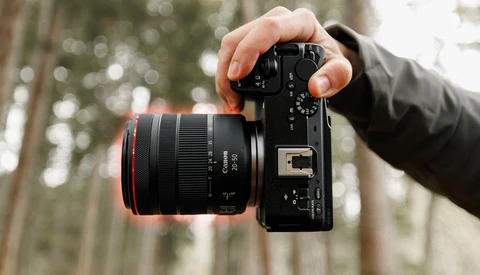
The Canon RF 20-50mm f/4 L IS USM is one of the more interesting lenses Canon has released in a while, and the weight alone makes it worth a serious look. If you've been building a run-and-gun or content creation kit around a Canon EOS R6 Mark III, this lens changes the math on what that rig actually costs you in terms of bulk and fatigue.
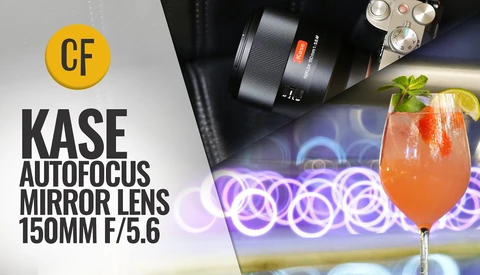
Choosing a telephoto lens usually means choosing between size, cost, and autofocus capability. The Kase 150mm f/5.6 autofocus mirror lens is trying to hit all three at once, and that's not something any lens has really pulled off before at this price point.
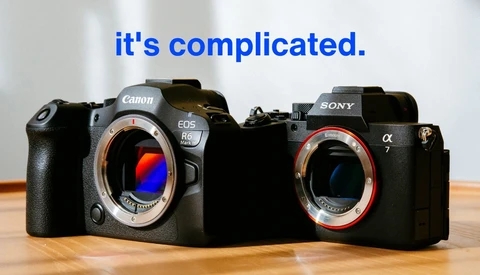
Choosing between the Canon EOS R6 Mark III and the Sony a7 V is one of the more genuinely difficult calls in full frame photography right now. These are the two cameras sitting at the top of the hybrid market, and the differences between them are real but subtle enough that the wrong choice is easy to make.
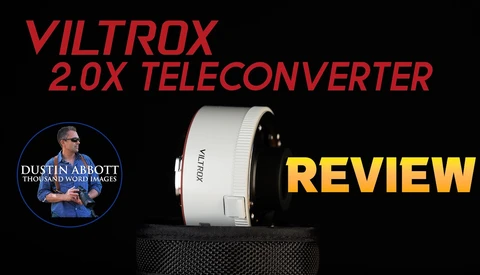
The Viltrox TC 2.0 is the first third-party 2x teleconverter for Sony E-mount, and it cuts into Sony's own $600 option at just $280. That price gap alone is worth paying attention to, but the real question is whether the performance holds up.
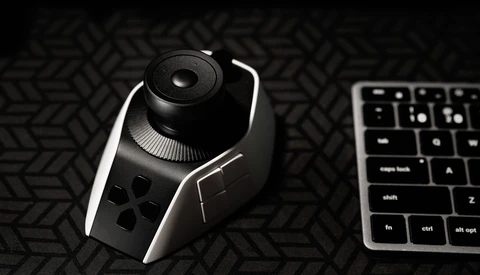
Imagine your editing workflow being enhanced by something that resembles the controllers you once played video games with. That, plus customizable efficiency, is what this editing console offers.
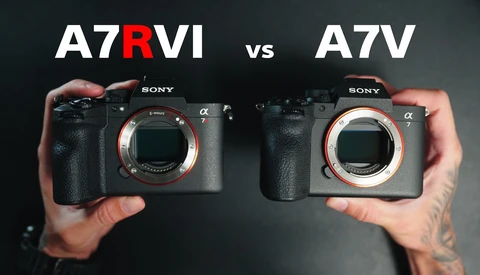
Choosing between the Sony a7R VI and the a7 V isn't straightforward, even though one costs significantly more than the other. The sensor architecture, video specs, and body features differ in ways that could genuinely change which one makes sense for how you actually shoot.
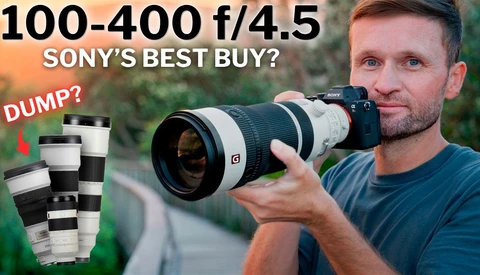
The Sony FE 100-400mm f/4.5-5.6 GM OSS has been a staple of wildlife and action shooting for years, but Sony just rebuilt the concept from scratch. The new version brings a constant f/4.5 aperture to a zoom range that has never had one before, and that single change reshapes how the lens competes against the rest of Sony's telephoto lineup.

Shooting the same Tuscan scene for two hours straight and walking away with a dozen completely different images isn't luck. It comes down to reading how light moves across a landscape.
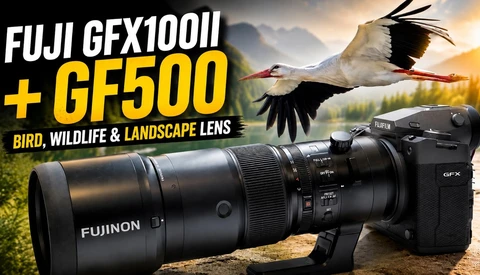
The Fujinon GF 500mm f/5.6 is one of the more unusual lenses you can buy right now. Pairing a 500mm telephoto with a medium format sensor is a rare combination, and the results raise real questions about where medium format ends and wildlife work begins.
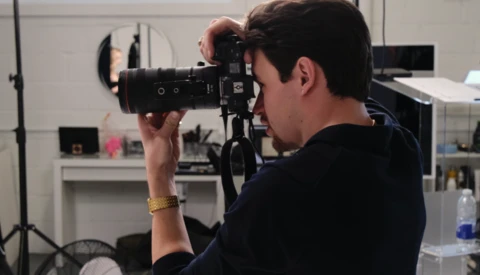
Recently, I had the chance to go hands-on with the Canon RF 24-105mm f/2.8 zoom lens to see exactly who this lens is for and if it is something that would fit into my existing workflow and maybe make it better.
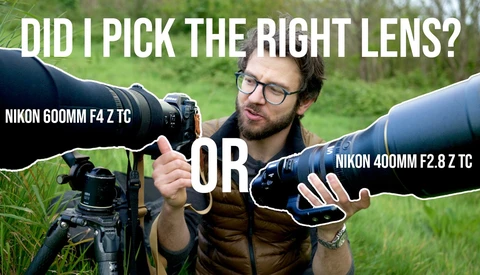
Spending $15,000 on a single lens is not a decision you make lightly, and getting it wrong is an expensive mistake. Tom Mason owns the Nikon Z 600mm f/4 TC VR S and has put it to work as a professional wildlife shooter for years, but he's the first to admit it might not be the right call for everyone.
Choosing a 35mm lens for wedding and portrait work is genuinely difficult when the options range from compact primes to heavier, more ambitious glass. The Viltrox AF 35mm f/1.2 Lab II lands squarely in that debate, and it's making a strong case for itself.

Picking the right cinema camera for run-and-gun work is rarely straightforward, and the Nikon ZR raises real questions about whether its feature set justifies its size and complexity for everyday shooting. This video puts that to the test not on a studio set or controlled shoot, but on a full movie-location road trip through Flagstaff, Arizona.

Today, I'll have a look at the new Laowa CF 4.5-10mm f/2.8 Fisheye Zoom and share a few thoughts.
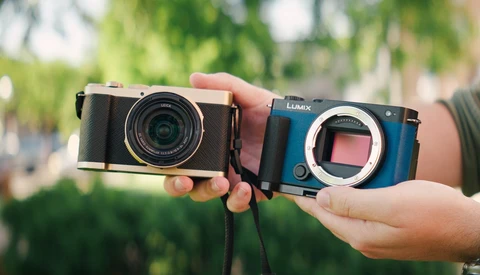
The Lumix L10 is a compact camera built around a 26 MP Micro Four Thirds sensor, a fixed Leica-branded zoom lens, and a spec sheet that will make you question whether Panasonic even knows how to make a simple camera. At $1,500, it sits in a crowded space occupied by cameras like the Fujifilm X100VI, and the question worth asking is whether it can hold its own.
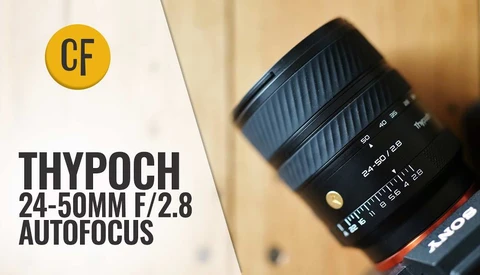
Thypoch built its reputation on manual focus prime lenses, so when the company announced an autofocus zoom, nobody saw it coming. The Thypoch 24-50mm f/2.8 is not only the brand's first zoom lens, it's the first autofocus zoom lens to come out of China entirely, and it lands at $619 on Sony E-mount, undercutting the Sony 24-50mm f/2.8 G by roughly half.
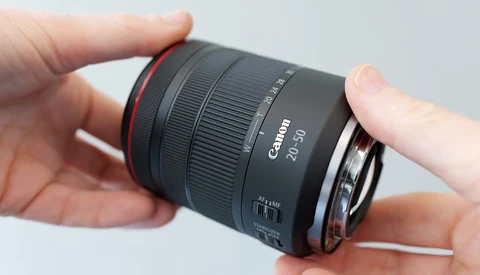
Canon's new RF 20-50mm f/4L IS USM PZ covers ultra-wide to standard focal lengths in a compact, lightweight body with a powered zoom and optical stabilization. At around $1,400, it sits in a competitive price bracket where Canon already has some well-established options.
The Sony FE 100-400mm f/4.5 G Master is Sony's answer to what a professional telephoto zoom should look like when price is no object. At roughly $4,300, it sits in a category where the competition is thinner and the stakes are much higher.
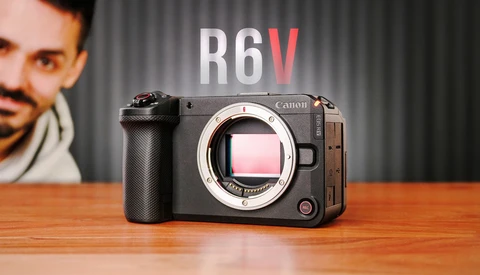
The Canon EOS R6 V sits in a genuinely interesting spot in the lineup, and if you're trying to decide between it, the Canon EOS R6 Mark III, and the Canon EOS C50, the answer is not as obvious as Canon's marketing might suggest.
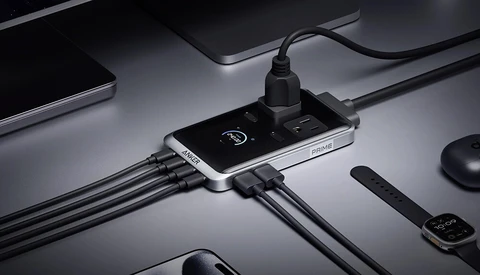
Chargers are the gear no one thinks about — at least until there is a need. Anker sent their Anker Prime Charging Station (8-in-1, 240W), a smart charger with app control. Who might benefit from this? And why might they need app control?

Sony has officially announced the new FE 100-400mm f/4.5 GM OSS, a super-telephoto zoom designed for wildlife, birding, sports, and photojournalism work.