More Posts in: Concert Photography
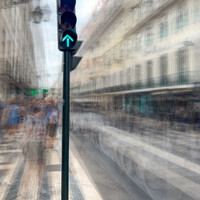
A couple of old photos taken while the Amtrak was stopped - somewhere in Colorado, I think?
(And yes, I like that the vertical leans!)
Just a heads up for anyone that may be interested (and as things are slow in the group.....).
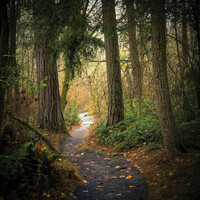
Symphony of the Woods - A study of texture, light, and depth in the heart of Oregon's wetlands.
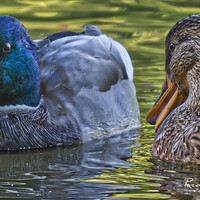
The attitude of these birds seemed me as human , so I took it.
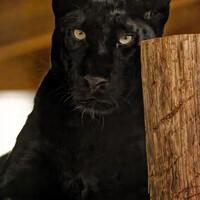
This female has arrived at Hamerton. This place rescues animals from all over the world, mainly endangered species, and they breed when they can.







8 Comments
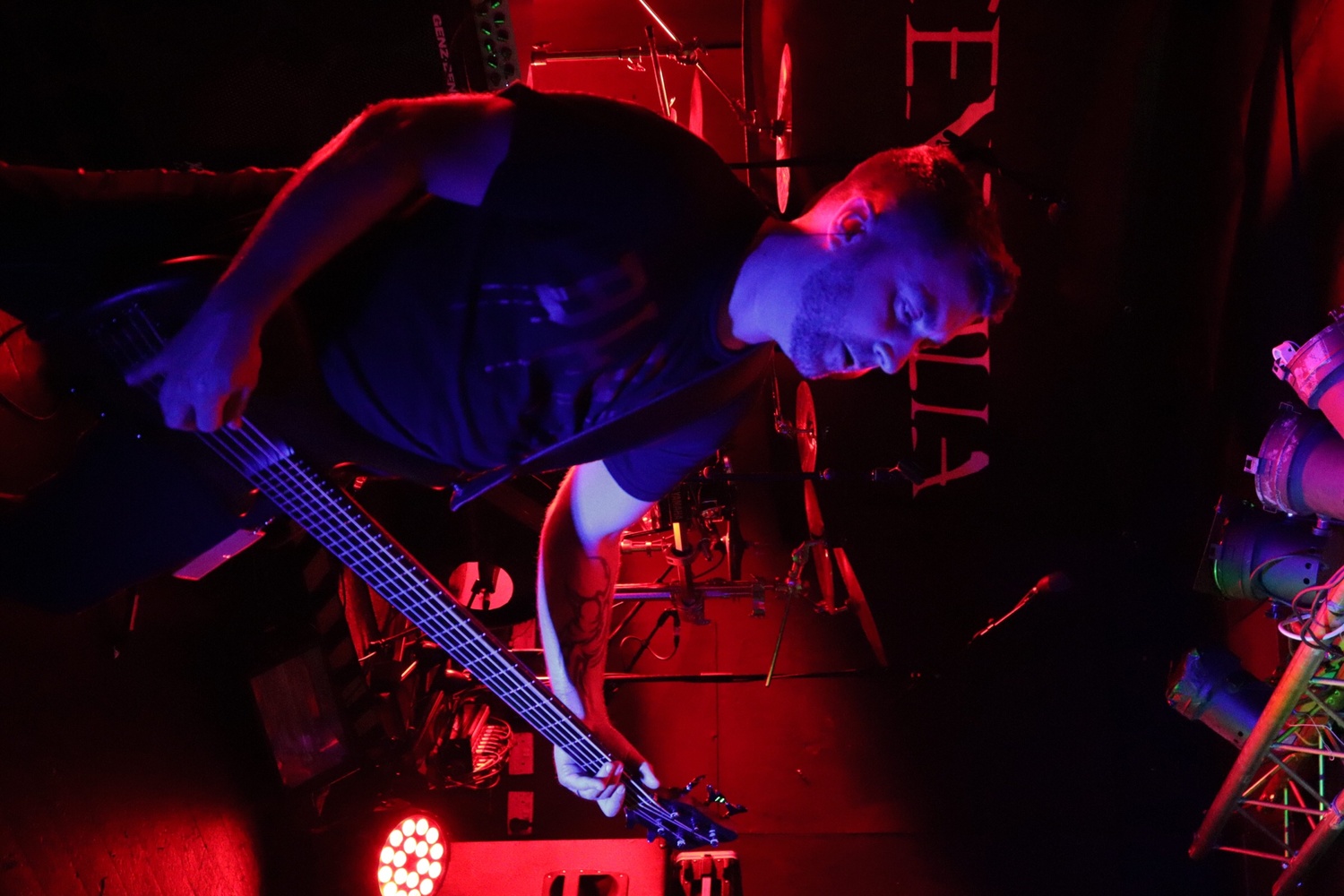
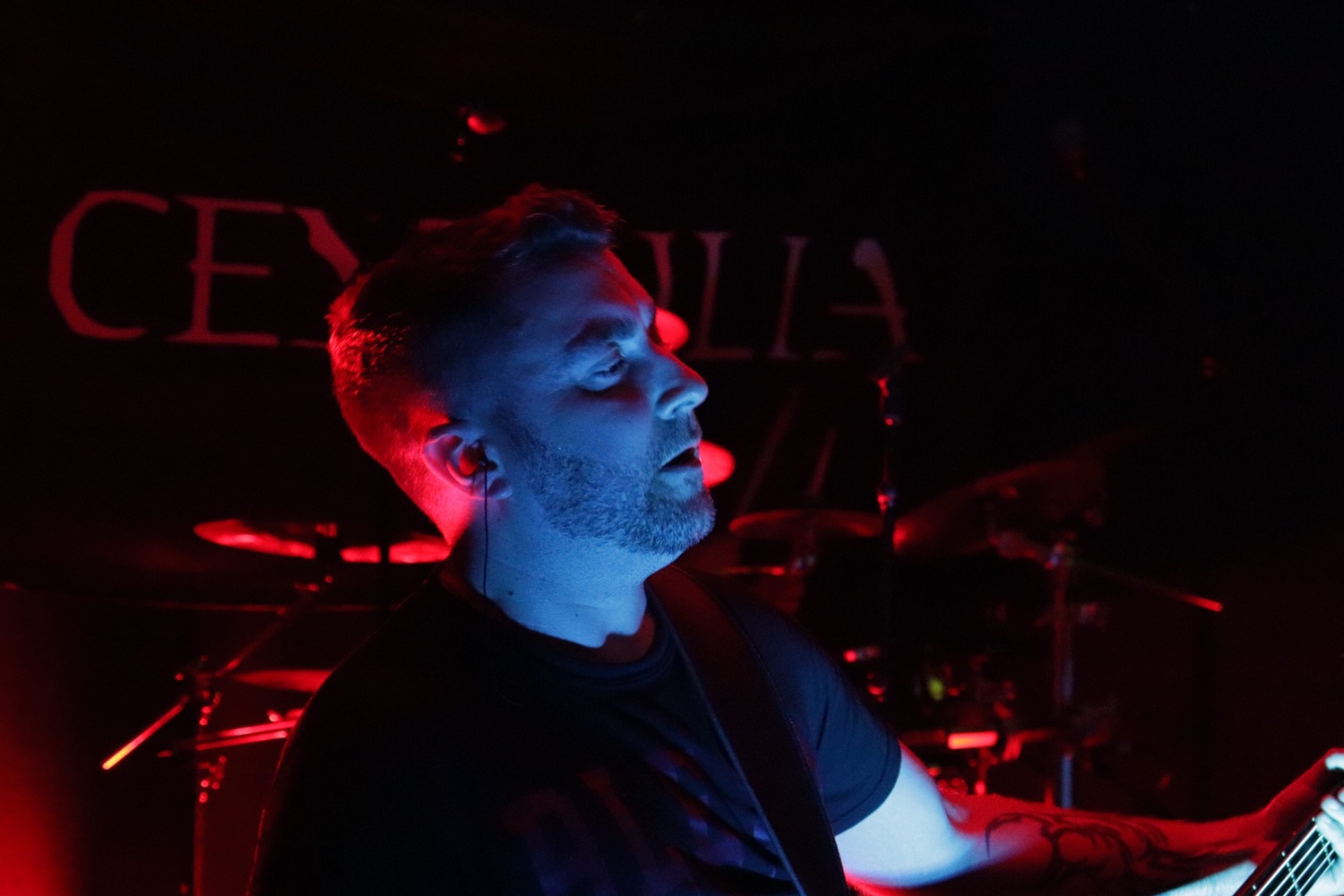
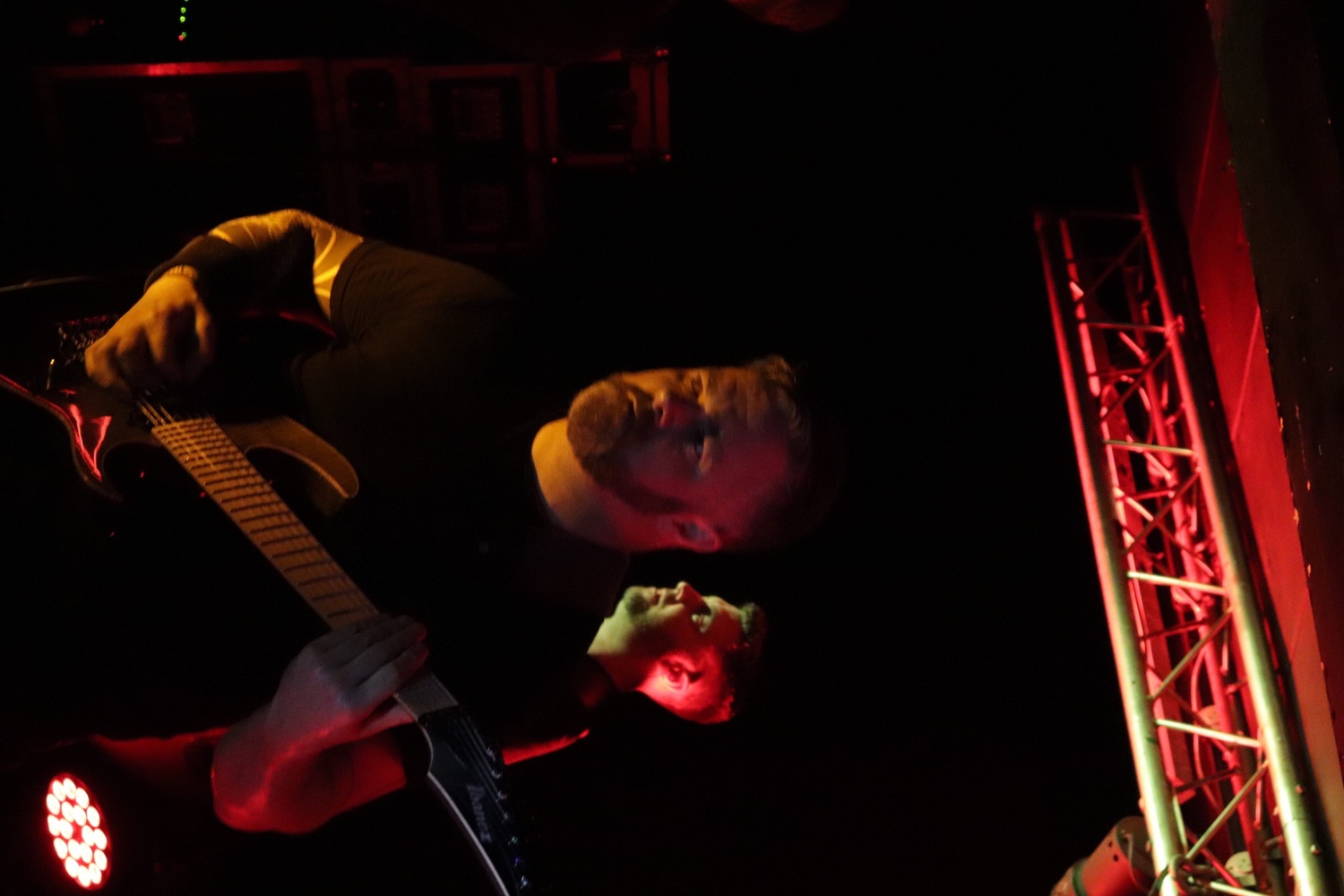
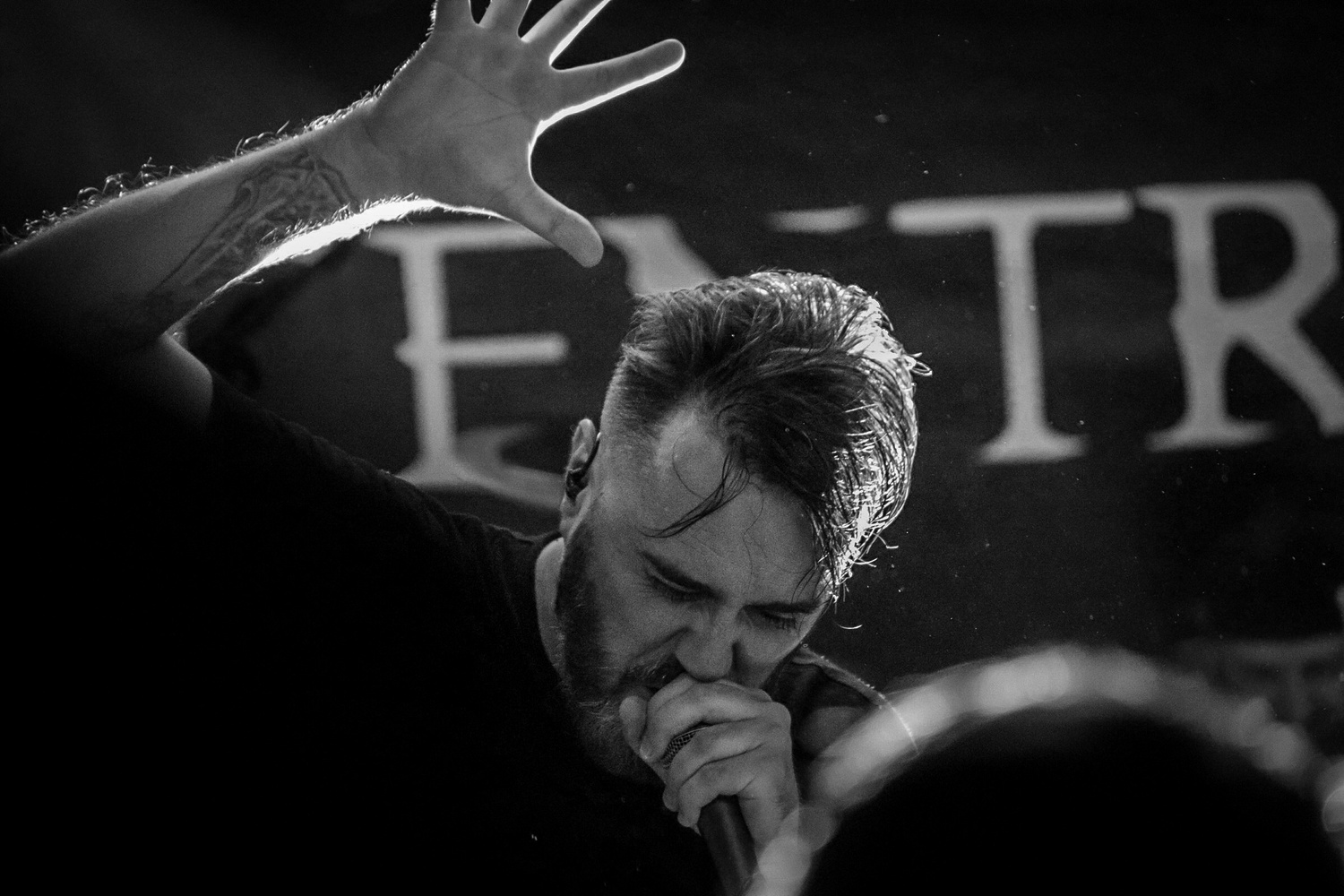
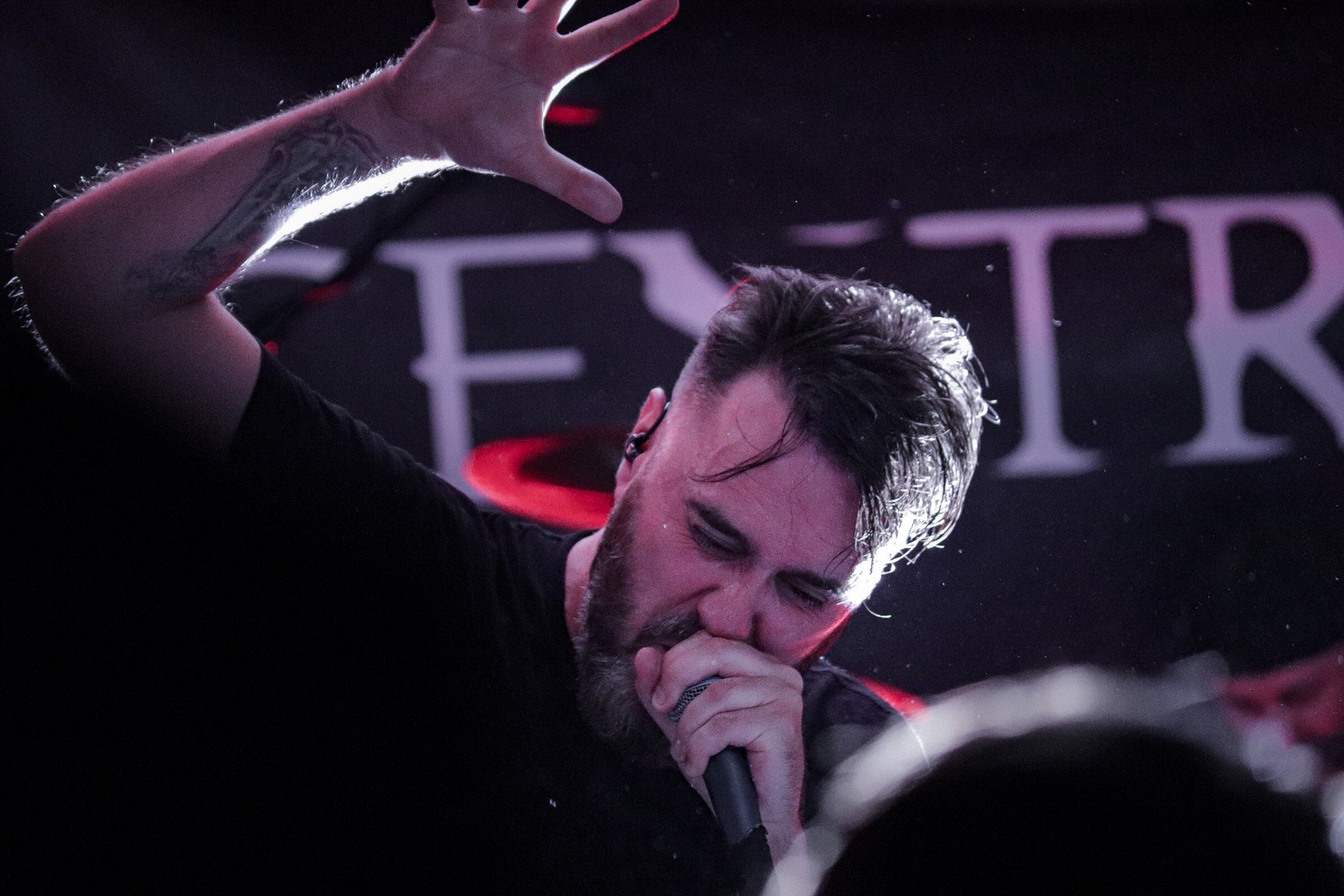
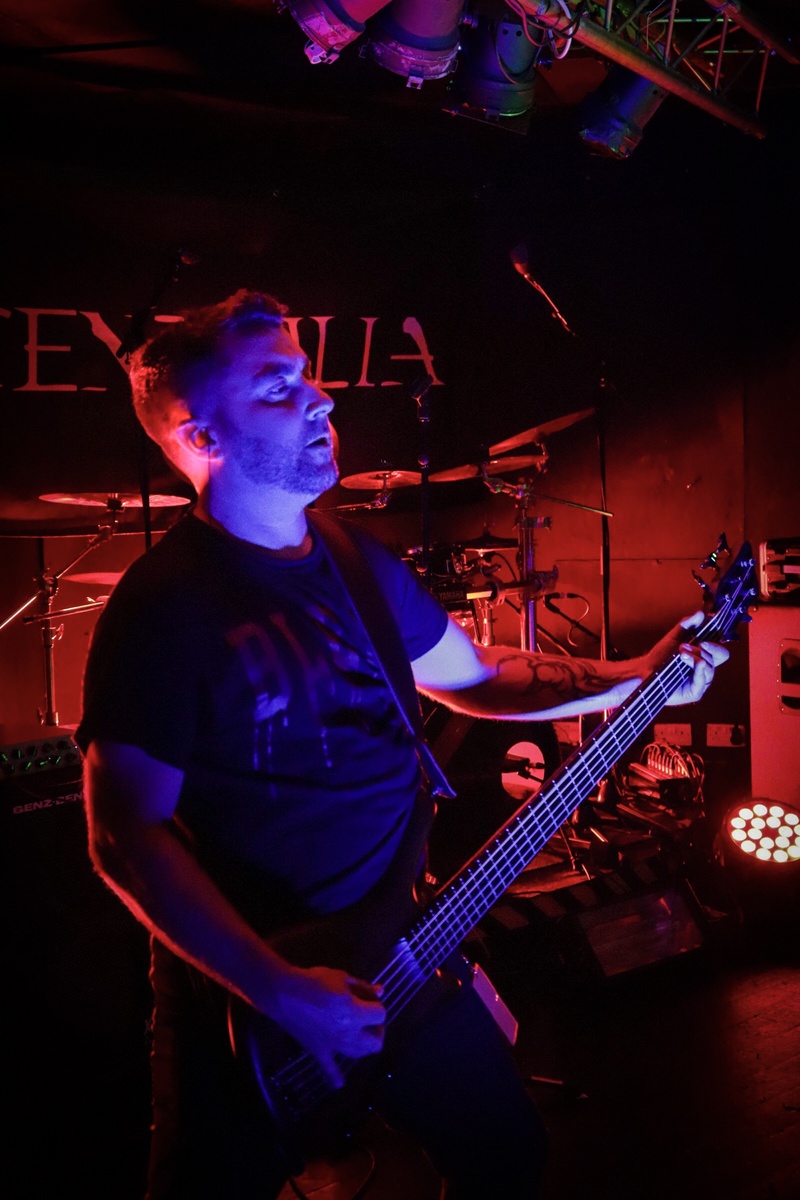
It's true the lighting at a small concert rarely cooperates, but these aren't bad (the best of the night, perhaps?).
I would recommend a 85mm portrait lens (ƒ1.8 or better) for small club photography. That's my go-to lens for every concert I've shot (not a pro music shooter—just an enthusiast) and it has served me well. Everyone should own a fast 85 anyway, so this is a good excuse to buy one.
A fast 50 would be good, too, but you'd have to get really close to or on the stage for some tight shots of the musicians and I find the 85 allows me to isolate individuals on a crowded stage.
Some examples of what you can get with a 85/1.4 (though I usually shoot at ƒ2.0):
Thanks for this I have planned to get a 50mm, but may save the extra and get the 85mm, thanks for the feedback and tips 😁
It's a great investment. I have the Fuji XF56mm f1.2 which is the APS-C equivalent of the 85mm prime for full frame and it's hands down my favorite lens.
Agree with Philip's comment. The cheapest way to go is with some fast primes. In small clubs with APS-C sensor I would say 24 and 50 would do nicely. The other option would be the 2.8 zoom lenses but that's another price class. F4-5.6 only really works in well lit arenas or with very static performers :)
Thanks for the advice, I am going to look at either an 85mm or a 50mm depending on budget
I love shots 4 & 5. The B&W and color both look great.
Shooting low light is very challenging even with the right equipment and a lot of experience. Getting "technically" adept shots that are also compelling is not easy, but worth the effort. A lot of life's best moments happen in the dark in small clubs with unknown bands who may never play a big stage. If you can hone your craft there, the big venues with bright lights are a cakewalk.
It's like the Karate Kid washing the car (and learning to block a punch at the same time).
A lot of good advice has already been given here! A couple things I would add are (in addition to getting 1 or 2 faster, higher quality lenses)...
1. Since you will likely always have your aperture wide open, don't be afraid to push your ISO so you can get a high enough shutter speed to freeze the motion. Don't be afraid of a little grain under these brutally low-light conditions. Personally, I shoot a minimum of 1/200th and push my ISO as needed because even though you can shoot slower and sometimes get it sharp, the "way" motion blur manifests in slower shutter speeds tends to just look like poor focus. Personal preference, but I prefer a little more grain in a tack-sharp image to soft edges due to motion blur.
2. Definitely shoot raw! (which you probably are already doing!) Maximize your post-processing flexibility from the start. This is personal preference, but I always intentionally under-expose by almost a full stop. This allows me to achieve my minimum shutter speed of 1/200th, and is easily corrected by boosting exposure in post. It also helps protect the highlights in rapidly changing lighting conditions.
3. Set your white balance to something static instead of auto for more consistent color shot to shot. Again, just personal preference, but this makes it easier for me to get nice and mostly correct color. A lot of photographers don't even bother and just go straight to B&W because it's a hassle to fix the wildly changing white balance they might get when set to auto.
Thanks for the feedback, some great tips there. I was reluctant to go super high on iso, because my camera 200d does get a bit too noisy for my liking but maybe should have. Overall I was generally happy with the photos but definitely have room for improvement.
Cheers for the advice, appreciated 😀
100% agree with advice given.
I set my WB to 7000K when lots of red and blue lights are used on deck, on my Canon 6DM2.