Featured Articles


Fstoppers Community
Photo of the Day
Oct 16

Montepulciano

Oct 15

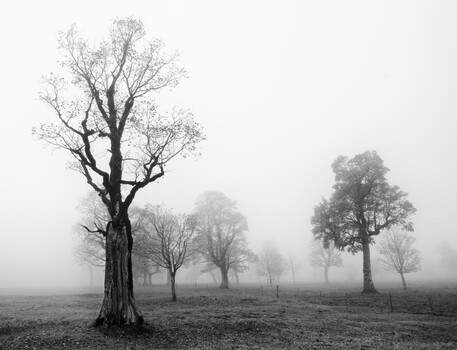
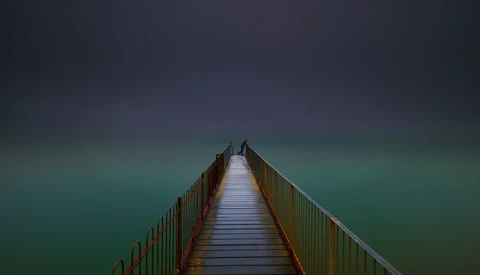
In the Silence of Fog
Oct 14

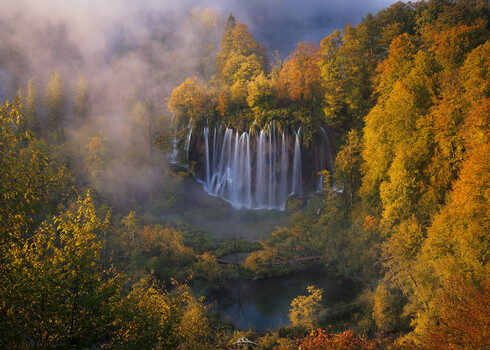
Eldamar’s Hidden Sanctuary
Oct 13

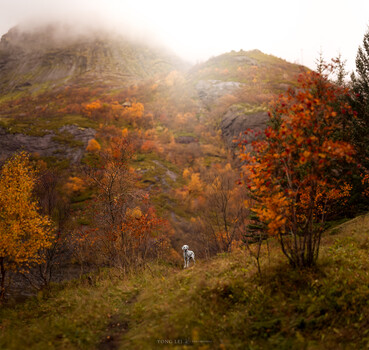
Autumn walks
Oct 12

Grote Geelstaart @ Getoese Festival 2026

Oct 11

Salar de Uyuni

Oct 10

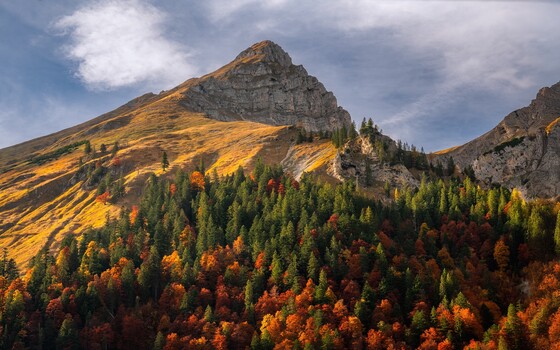
Autumn mountain
Oct 9

Maëlle

Oct 8

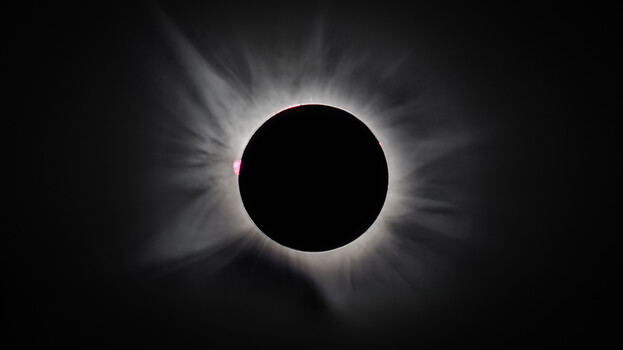
Solar eclipse August 12 2026
Oct 7

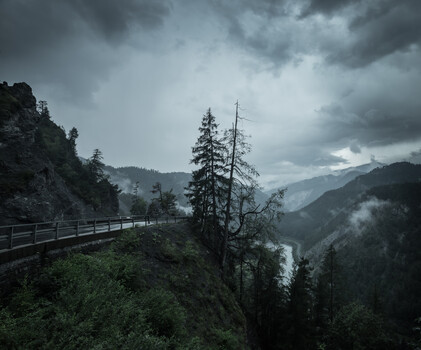
Ruinaulta
Oct 6

Under the Black Sun

Oct 5

Glass breath

Oct 4

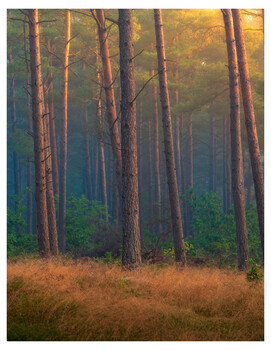
Sunset in the Woodland
Oct 3
Bentonite

Oct 2
His Shadow Below
Editors' Picks














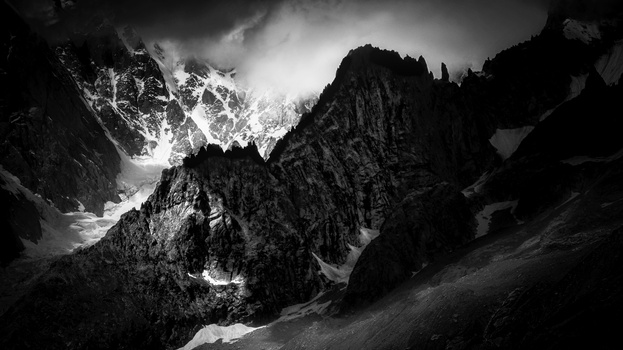

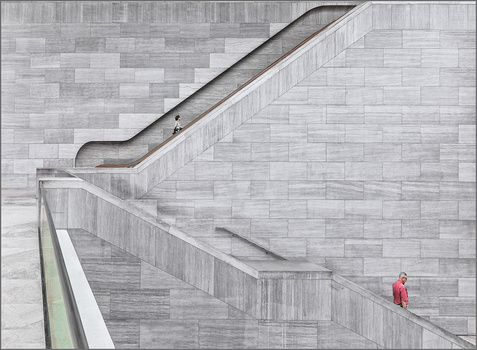

Why Your Background Blur Doesn't Match the Tutorial
The f-number on your lens tells you how bright your exposure will be, and it says far less about how blurry your background will turn out. If you've ever copied a recommended aperture and ended up with a frame that looked nothing like the example, the gap usually traces back to the size of your sensor and how far you stood from your subject.
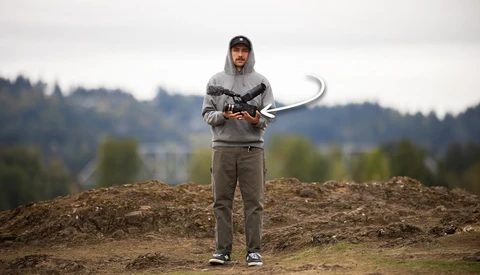
Can the Sony FS100 Still Handle Real Interview Work?
The Sony FS100 records 1080p to 8-bit files, has no built-in ND filters, and is well over a decade old, yet plenty of filmmakers relied on it for documentaries and corporate interviews. Cheap used cinema cameras like it raise a fair question about how much of a good image comes from the camera and how much comes from the person running it.
Latest Gear Reviews


Active Contests
6
132
We want to see the images that still give you chills
Welcome to the October installment of the Critique the Community! This month's critique theme is going to be "Scary," and we want to see your best photographs that scared you in some way.

The New iPad mini Gets a Beautiful OLED Screen
Apple's new iPad mini replaces its LCD with an 8.5-inch OLED display that reaches 1,200 nits on HDR content, in a body 5.4 mm thin with an IP67 rating for water and dust. It's the best screen Apple has ever put in its smallest tablet, with true blacks, a 2,000,000:1 contrast ratio, and HDR highlights that glow in a way the old LCD never could.
Fstoppers Exclusives


Why Passport Photo Rules Are So Strict: The Biometric Science of a Boring Picture
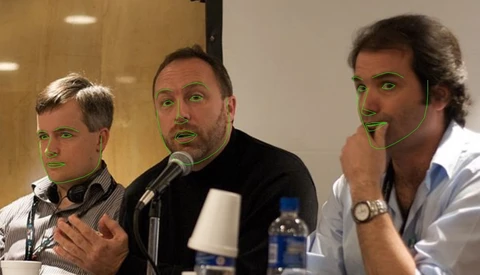
Your passport photo got rejected because of a shadow. Not a dramatic one. A soft gradient under your jaw, maybe a quarter-shade darker than your cheek, the kind of thing you would never notice and the clerk who handed the print back probably could not have described either.
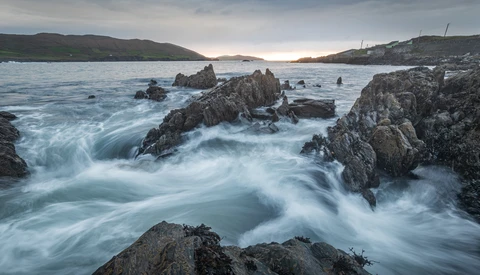
Why I Take the Chance When Planning a Landscape Photography Trip
Planning a landscape photography trip is something I spend a considerable amount of time doing, and living here in Ireland means that checking the weather is an important part of that process. The conditions can change quickly, and even when you use several weather forecasting apps, there is never a guarantee that things will work out as you hoped.
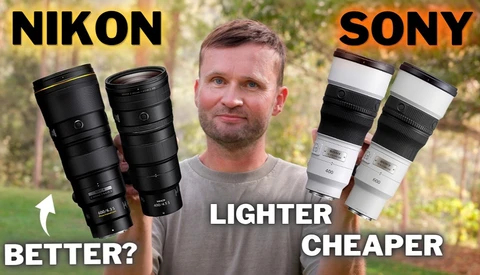
Sony and Nikon Built the Same Bird Lenses, So Which One Do You Pick?
Sony's new 400mm f/4.5 and 600mm f/6.3 primes come in lighter and cheaper than the Nikon lenses they closely resemble, and that puts a real decision in front of anyone who shoots birds and wildlife. Long glass is usually the most expensive and physically demanding part of a wildlife kit, so a few hundred grams and a four-figure price gap can shape what you carry for years.
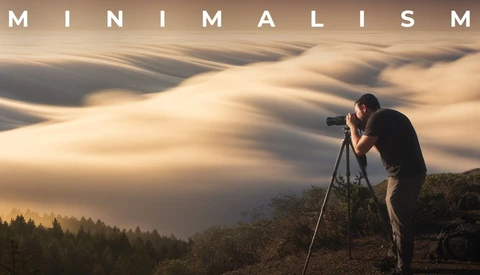
What a Telephoto Lens Can Do With a Sea of Fog
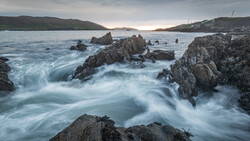
A telephoto lens pointed at a sea of fog turns one broad, washed-out view into dozens of small pictures: a single ridge, a clump of treetops, a slow waterfall of mist spilling over a hill. Fog shifts by the minute and the best light on it can vanish in seconds, so the decisions you make before anything happens determine whether you come home with frames or just a nice morning.

Why Flawless Retouching Now Looks Like AI
For about a decade, glass-smooth skin and spotless frames marked a careful retoucher, and that exact look is now what image generators produce best. If a client scrolling your portfolio can't tell your work from a prompt, they have one less reason to book you.
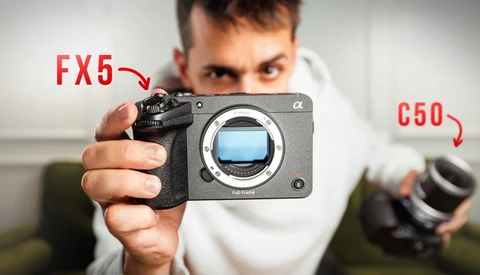
Sony FX5: Do Open Gate, IBIS, and Anamorphic Desqueeze Work Together?
Open gate recording, in-body stabilization, and anamorphic desqueeze have become the most requested features on compact cinema cameras, and the Sony FX5 is the first Sony to offer all three in one body. Whether those features can run at the same time affects how you rig, monitor, and shoot, especially if you work handheld with anamorphic glass.

How a Lagos Ballet Photo Won the $10,000 Flickr x Black Women Photographers Grant
The children chose the spot. Nyancho NwaNri was photographing a ballet class at a free school in Lagos, Nigeria, when she asked the young dancers where else they wanted to be photographed, and they led her outside to a worn concrete platform.
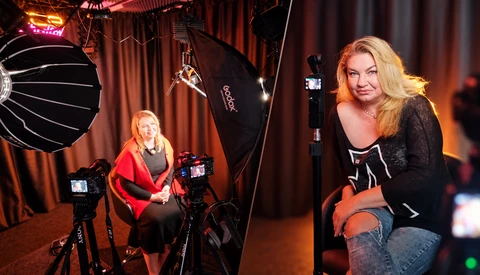
More Cameras, Less Production: Can a Smaller Setup Help Your Subject Be More Natural on Camera?
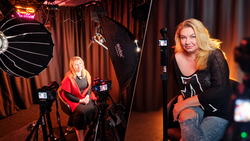
Small cameras are no longer only a compromise. For interviews with people who are not used to being filmed, a two- or three-camera pocket setup can reduce the visible footprint of production while still giving the editor real multicam coverage. The question is whether that can also help the person in front of the camera behave more naturally.
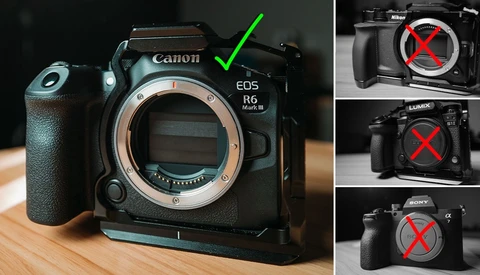
Is Canon Still the Safest Camera Brand for Paid Video Work?
When you pick a camera system for video, you're also picking a lens mount, a color pipeline, and the answer you'll give every time a producer asks what you shoot on. Canon, Sony, Nikon, and Panasonic Lumix all make capable full frame mirrorless bodies, so the choice comes down to how each one holds up on paid jobs and what it costs you over the years.
Stop Picking Shutter Speeds at Random
Most people learn to treat shutter speed as the last piece of the exposure puzzle, the number you dial in once aperture and ISO are set and the meter stops complaining. That habit hands one of your most expressive choices to the light meter, since shutter speed decides how motion looks in every frame, from a frozen athlete to a smeared highway at dusk.

How to Add Glow to a Sunset Photo in Lightroom
A sunset frame that looked luminous through the viewfinder often opens in Lightroom dark, a little noisy, and short on the warmth you remember. Getting that glow back is mostly a matter of the order you work in and how much room you leave yourself before you start masking.
Should You Quit Your Job to Become a Professional Photographer?
Every reason to make photography your full-time job has a flip side, and that flip side usually shows up after you've already left the steady paycheck behind. If you're weighing a jump from shooting on weekends to shooting for a living, the hard part is figuring out which of those tradeoffs you can actually live with.
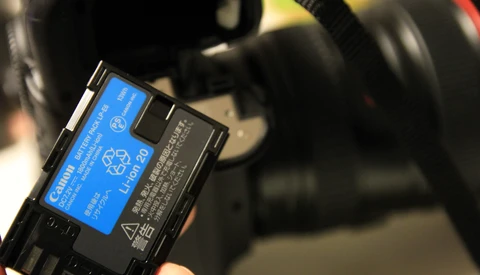
One of the Best Things Canon and Nikon Have Done That Almost No One Notices
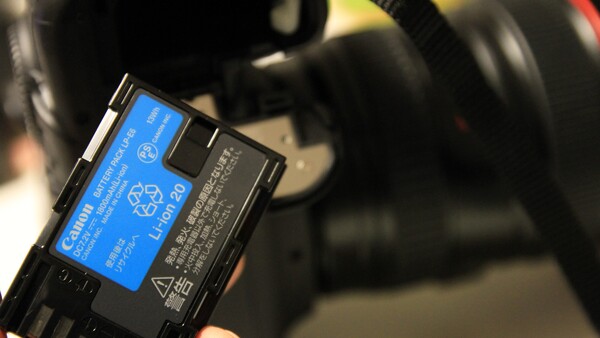
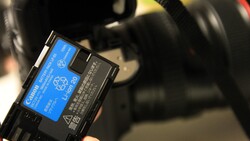
Buy a Canon EOS R7 this afternoon, and the manual will tell you that you can register up to six LP-E6P, LP-E6NH, LP-E6N, or LP-E6 battery packs to it. That last one is the cell Canon put on sale in the EOS 5D Mark II in November 2008, nearly ten years before the RF mount existed.
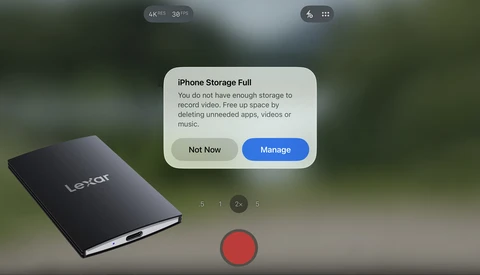
Lexar's SL500 Might Become Part of Your Everyday Kit
Phone-based content creation has moved well past quick behind-the-scenes clips. Photographers are now shooting more polished promo videos with their phones on a regular basis. That workflow shift changes what your phone needs to be capable of, and internal storage and speed are usually the first barriers.
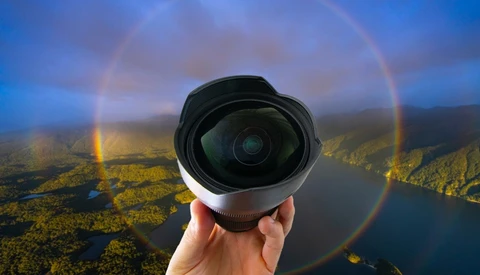
Why Your Ultra-Wide Landscape Photos Look Flat
An ultra-wide lens can make a landscape feel like you're standing inside it, or it can shrink a dramatic scene into a flat strip of distant shapes. The difference usually comes down to where you put your feet and how you aim the camera, which makes it one of the hardest lenses to use well and one of the most rewarding once you get the hang of it.
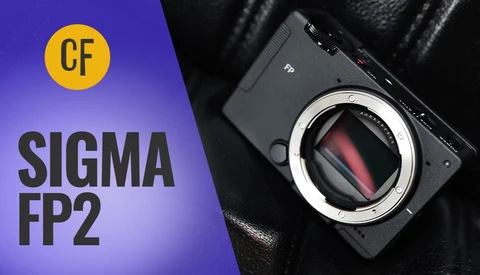
Sigma Fixed a Lot With the fp II, but Is It Enough?
At $2,199 for the body alone, plus roughly $500 more if you want the optional electronic viewfinder, the Sigma fp II asks a lot for a camera with no mechanical shutter and no in-body stabilization.
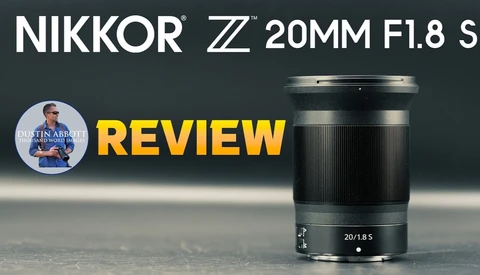
How Well Has the Nikon Z 20mm f/1.8 S Aged?
Nikon's NIKKOR Z 20mm f/1.8 S is the biggest, heaviest, and most expensive lens in a series that was supposed to be the lighter, more affordable side of the S-line. Six years after its release, it still has almost no native autofocus competition at 20mm and f/1.8 on Z mount, so how it performs today decides whether you get a bright ultra-wide prime at all without reaching for an adapter.

TTArtisan vs. Viltrox: Who Makes the Better Tiny Autofocus Lens?
Viltrox's 28mm "Chip" showed that an autofocus lens barely thicker than a body cap could make a full frame camera feel close to pocketable, and now TTArtisan has a $99 lens that follows the same design almost line for line.

Leica Was Effectively Bankrupt in 2005, and the Investor Who Bought It Had Never Run a Camera Company
On February 17, 2005, Leica Camera AG issued a Verlustanzeige, the notice German stock law requires once a company has lost half its share capital and has to say so to its shareholders. Four days later, it told the market that its banks had partially canceled its credit lines.
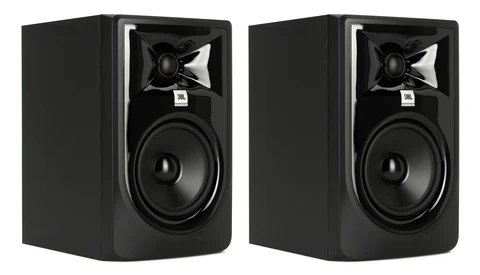
JBL 305P MkII Studio Monitors Drop to $99 Each
The JBL 305P MkII is down to $99 per speaker, 41% off its $169 list price, and it's the studio monitor I ended up recommending as the best speaker for the money after testing six of them on my desk.

I'm Looking for Beta Testers Who Want AI to Run Their Business
For the last few months, I've been doing something that has completely changed how I run my businesses. I set up agentic AI to handle the parts of business I've always hated: email, bills, bookkeeping, taxes, client follow-ups and advertising. It watches everything, it never forgets anything, and when it needs me, it asks a quick question and I tap an answer.

Going Mirrorless Without the Stress: Sell Your DSLR Kit and Fund the Switch With MPB
You have decided to transition from DSLR to mirrorless, and that should feel exciting, with a whole new way of shooting waiting for you. Changing systems does mean planning around the cost, but you may already own more of the funding than you realize. The DSLR kit sitting in your bag can pay for a good part of the switch, and how you sell it decides how smooth the whole process feels.