
Twilight and sky replacement
had a job out in new york that requested twilight shots. what process do you all use to edit it out?
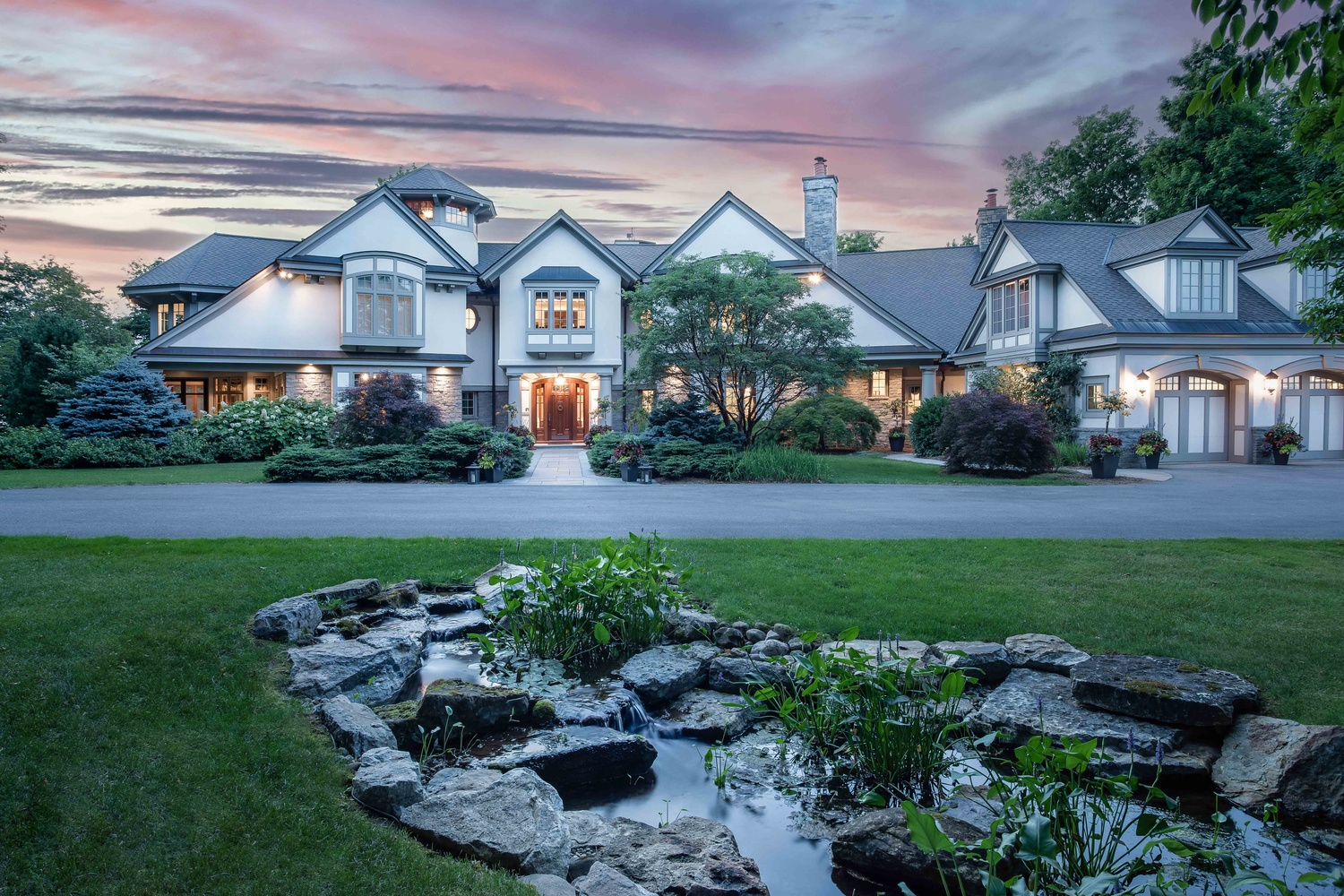
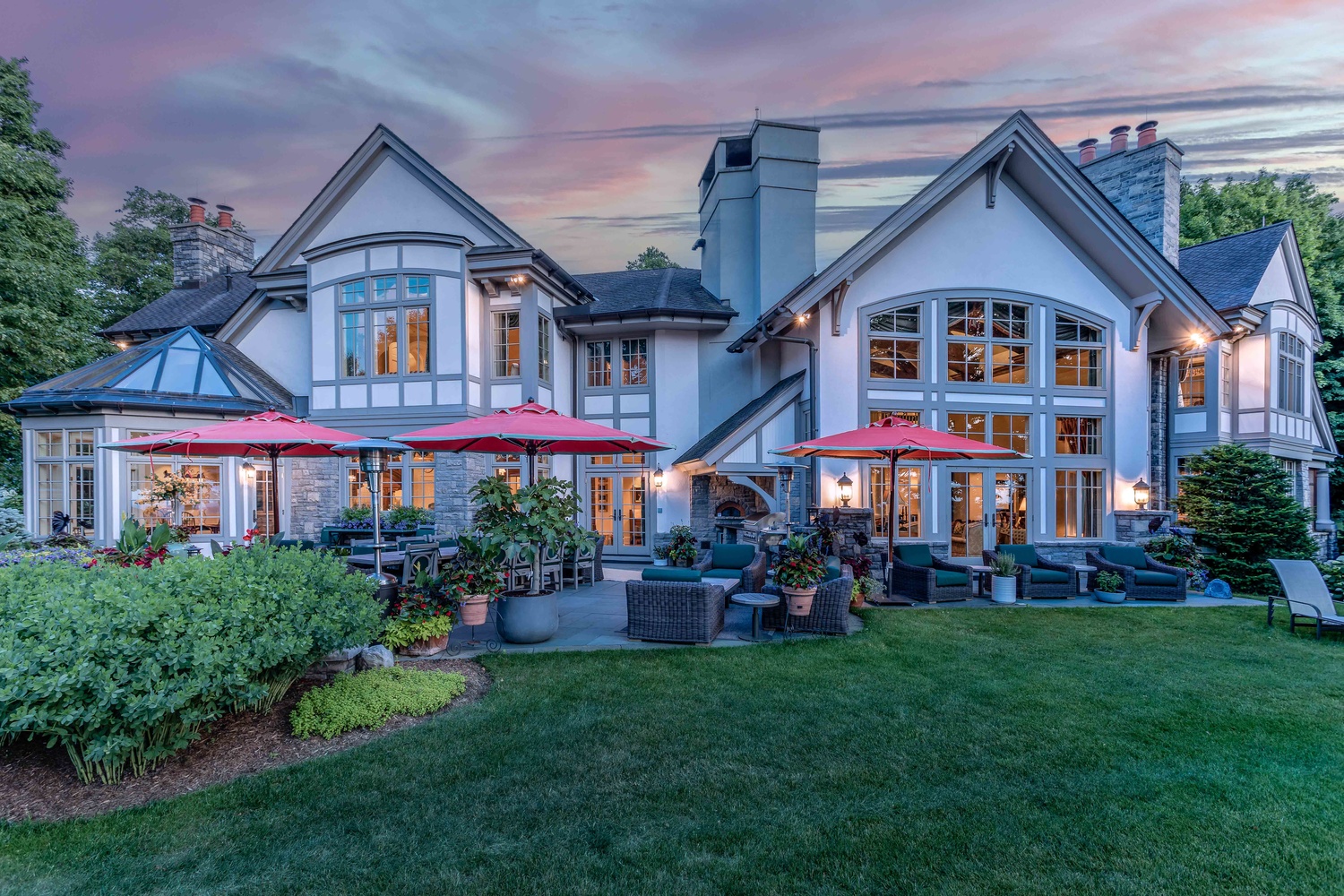
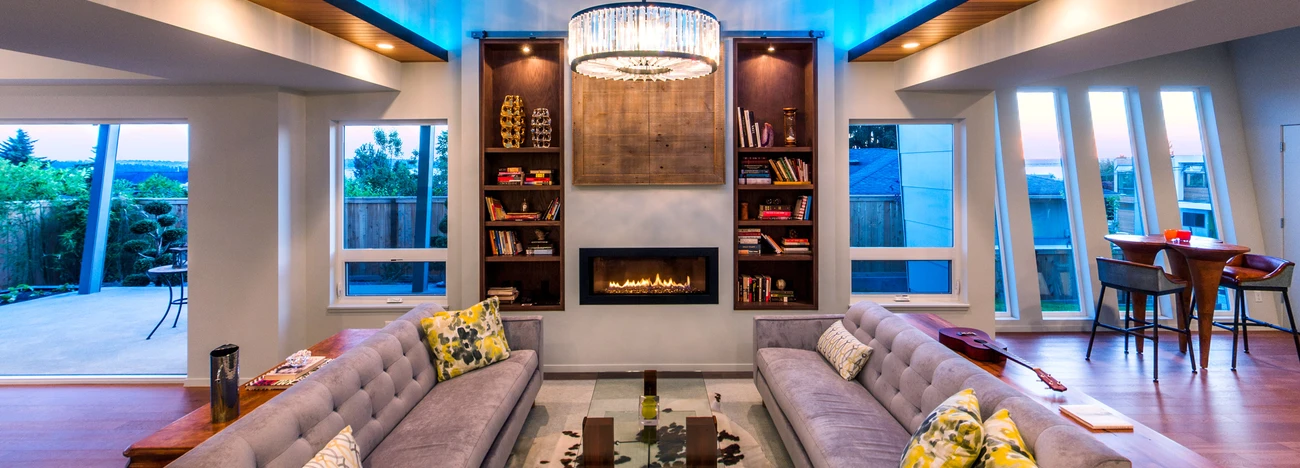
had a job out in new york that requested twilight shots. what process do you all use to edit it out?

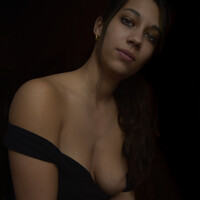
I've photographed Ady a few times now. We get better each time as a team. This image was a fave from our latest session. I hope you like it to.


Just a heads up for anyone that may be interested (and as things are slow in the group.....).
I've photographed Ady a few times now. We get better each time as a team. This image was a fave from our latest session. I hope you like it to.
I've photographed Ady a few times now. We get better each time as a team. This image was a fave from our latest session. I hope you like it to.

Available and natural light only, classic boudoir shooting in a fin de siècle hotel.


2 Comments
Hi Ian,
Not sure I totally understand the phrasing of your question but I think your sky replacement is the source of the issue.
In the first shot the new sky has some gaps that need to be filled and the second has caused some contrast issues in the top half of the image (see attached image). See how the gables are dull compared to your first shot. I believe either a "Relight" feature took over or your mask wasn't very crisp.
I do a lot of architectural work and use the older Luminar 4 or AI for sky replacements because it gives the best results and most control. (Luminar Neo has some bugs still and missing features). In some rare cases Photoshop works better.
More importantly is finishing off with a good color grade that uses micro-contrast to give your images some punch. In a good dusk shot the artificial lights should be the star. If you have the time, a good dusk shot usually is a combination of pre-sunset and post sunset exposures which are exposure blended to a single image.
Good luck,
Daniel
you answered my question perfectly. I was curious as to the process of getting a good final image. so thank you.