More Posts in: Astrophotography
Hiking in this beautiful region is like a present.Also standing at high elevation and looking to the king of Austria.The first snow the changing coloursand all the combination with the weather cond
A Eurasian owl showing off his muscles as he prepares to take flight to grab a bite to eat.
I just happened to look up at the right time.
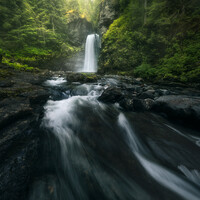
One of my favorite waterfalls I've photographed in recent years. deep in the backcountry of Vancouver Island lies this pristine oasis.
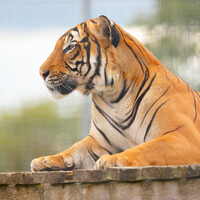
These are a highly endangered species, and the rescue center has this young male tiger, which they hope will breed with their already existing female Malayan tiger.







6 Comments
I am new to the site/community and new to astrophotography as well. I am really enjoying the challenge of learning a style of photography totally new to me! Happy to find such a group!
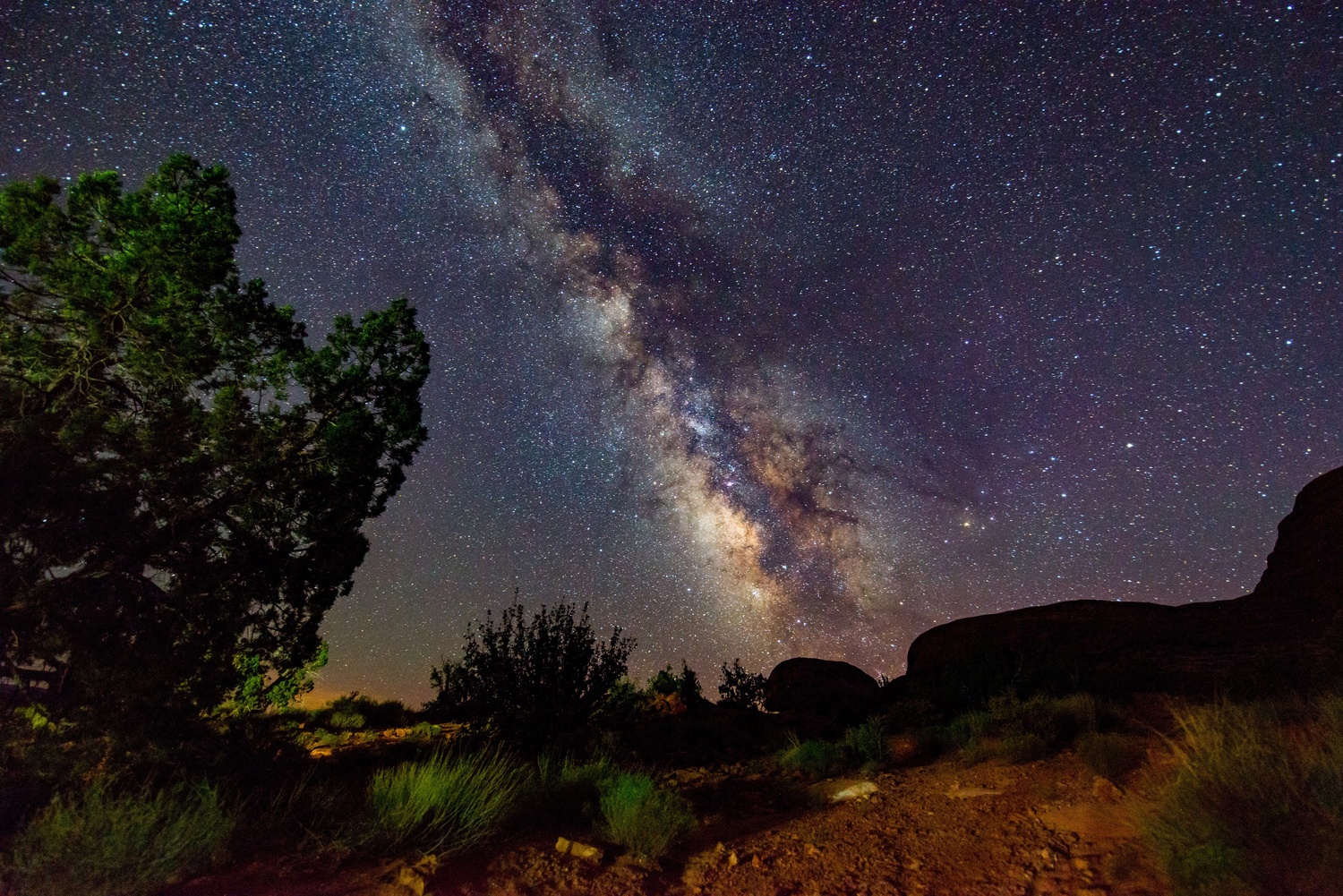
Wow the core is really jumping out at you, amazing! Love the colour of the ground in the foreground too, leads you towards the earthy colours you have brought out where the core meets the horizon. Very cool. This winter will be my first milky way season as such, very much hoping to be able to produce this kind of colour and detail. What exposure settings did you use and how do you choose your manual white balance setting?
This is my best effort yet. The summer milky way in Australia, taken about 2 weeks ago. Just a hint of the core peeking above the horizon at dawn. Still working on the post processing side of things to bring out the best in the images. Would love to hear some thoughts about the general exposure and also the editing. Happy for all input!
Hi Darren astro is all over the net but go to a forum and no one talks about it .
Ive put some pics up from York WA at night. Ive used a technique called luminosity in Photoshop to target different light tones and bring out the stars a but more.
Thank you for starting this group. Does anyone have suggestion on locations that have truly dark skies?
Ron, depends on where your at in the world, but the further you can get from cities and towns the better - If you're in the western US, you can find EXTREMELY dark skies in parts of Utah, Nevada, Montana, and Idaho - heck even California has some really dark skies away from the big cities as well. Where are you at? Perhaps we can help find some for you?
Another resource: http://darksitefinder.com/maps/world.html
This map shows where light pollution is minimal in darker areas of the map.