
What Could I do to improve this
I am stil learning photoshop so what could I do to this photo to improve it

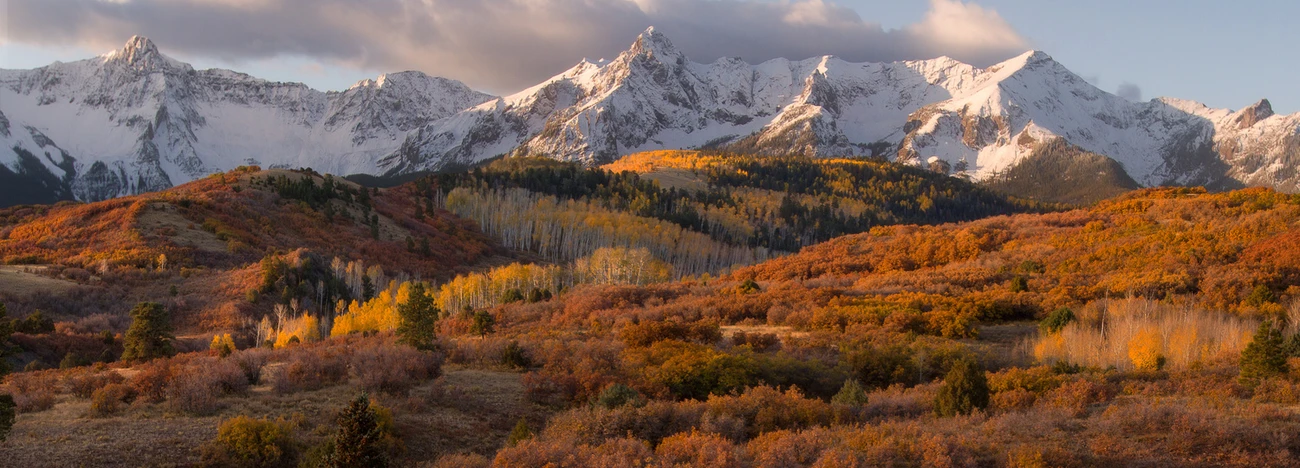
I am stil learning photoshop so what could I do to this photo to improve it

A couple of old photos taken while the Amtrak was stopped - somewhere in Colorado, I think?
(And yes, I like that the vertical leans!)


Just a heads up for anyone that may be interested (and as things are slow in the group.....).

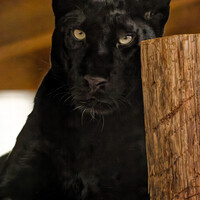
This female has arrived at Hamerton. This place rescues animals from all over the world, mainly endangered species, and they breed when they can.

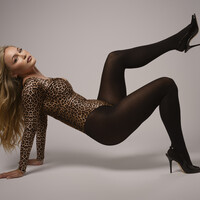
I've photographed Ady a few times now. We get better each time as a team. This image was a fave from our latest session. I hope you like it to.


2 Comments
Firstly, beautiful work. Did you shoot this or is it entirely Photoshop? Either way, nice job. Second, perhaps try a cropped down version? I also feel there's a bit too much negative space in the image (hence cropping in), but also could also benefit from a little desaturating and overall color & temp. adjustments. Just my 2 cents, but perhaps the intent was to go for more of a 'surreal' or dreamscape look? Nevertheless, thanks for sharing.
...Lightroom much?
Hey Zach, interesting shot. I think you're making some progress with Photoshop here, but my caution would be to guard against over processing. The pano format is nice for this shot, but there's too many points of interest: the glacier, the ice bergs, the town on the right, the aurora, etc. Andrew is right, there is a lot of negative space on the left side. The sky in the center is too light, somehow doesn't fit with aurora and stars, and the blue is over saturated. The mountain range is too de-saturated, the overall tone of the image is very cool blue, so the peaks should reflect that tone also, or the warm color of a low sun.
Photoshop can be a very powerful tool, but needs a light touch to bring out the beauty you saw in the moment. No one will argue that dodging and burning are essential tools, but manipulation can often lead to saturation issues that need to be corrected. The way to learn this tool is just like you are, over-do something to see it's effect, but then get control of it to reproduce not just the actual image, but also your interpretation of that image.
If you want to do creative editing of your images, I would suggest learning about luminosity masking. This allows you to manipulate sections of the image in a gentle, controllable manner. Keep learning, you've made a good start.