More Posts in: Landscape and Nature Photography
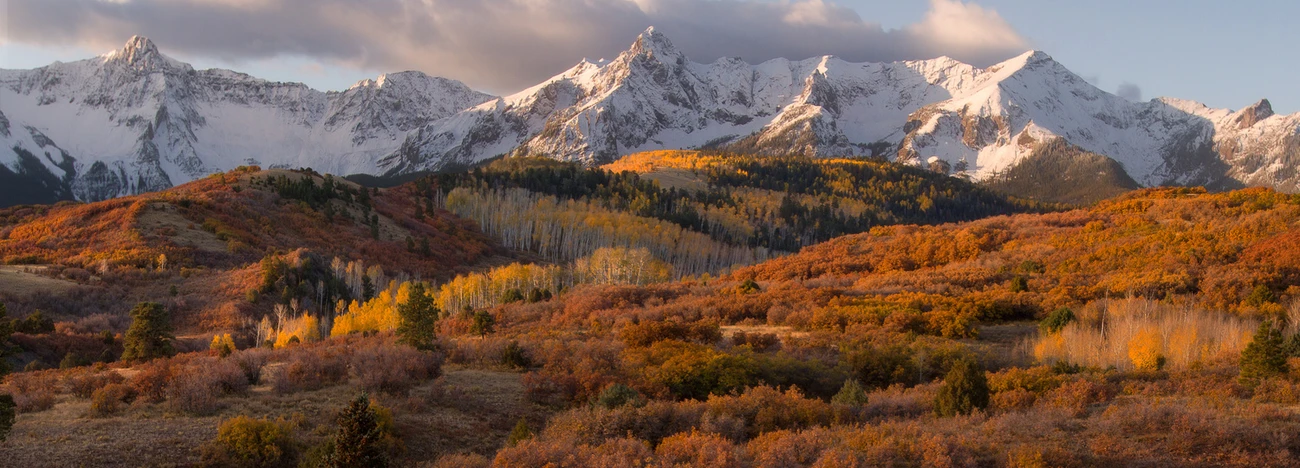
A couple of old photos taken while the Amtrak was stopped - somewhere in Colorado, I think?
(And yes, I like that the vertical leans!)
Just a heads up for anyone that may be interested (and as things are slow in the group.....).
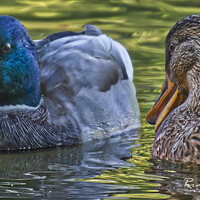
The attitude of these birds seemed me as human , so I took it.
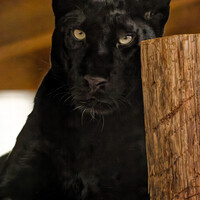
This female has arrived at Hamerton. This place rescues animals from all over the world, mainly endangered species, and they breed when they can.
I've photographed Ady a few times now. We get better each time as a team. This image was a fave from our latest session. I hope you like it to.









5 Comments
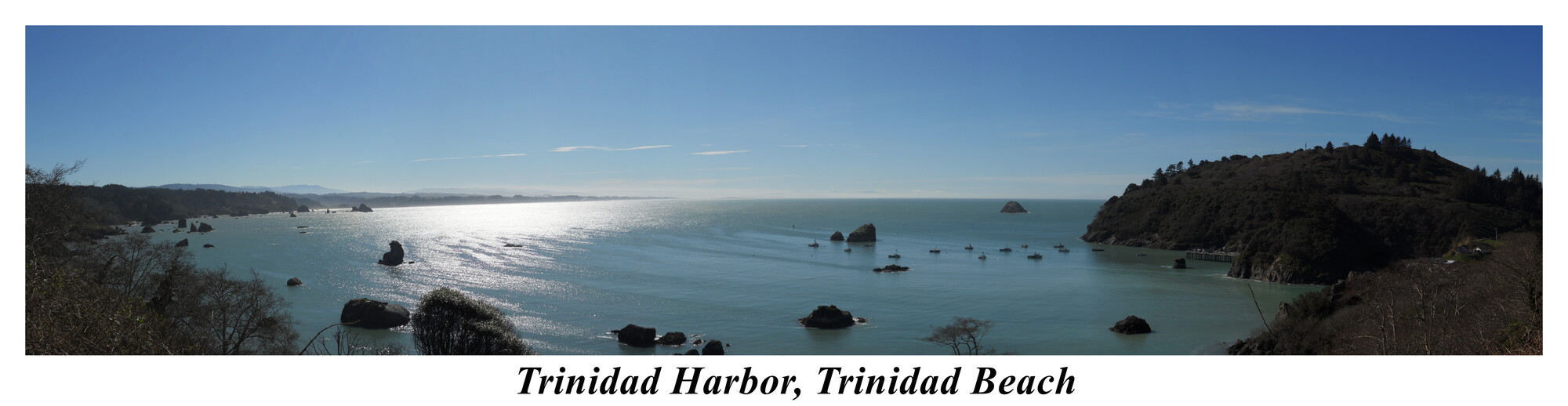
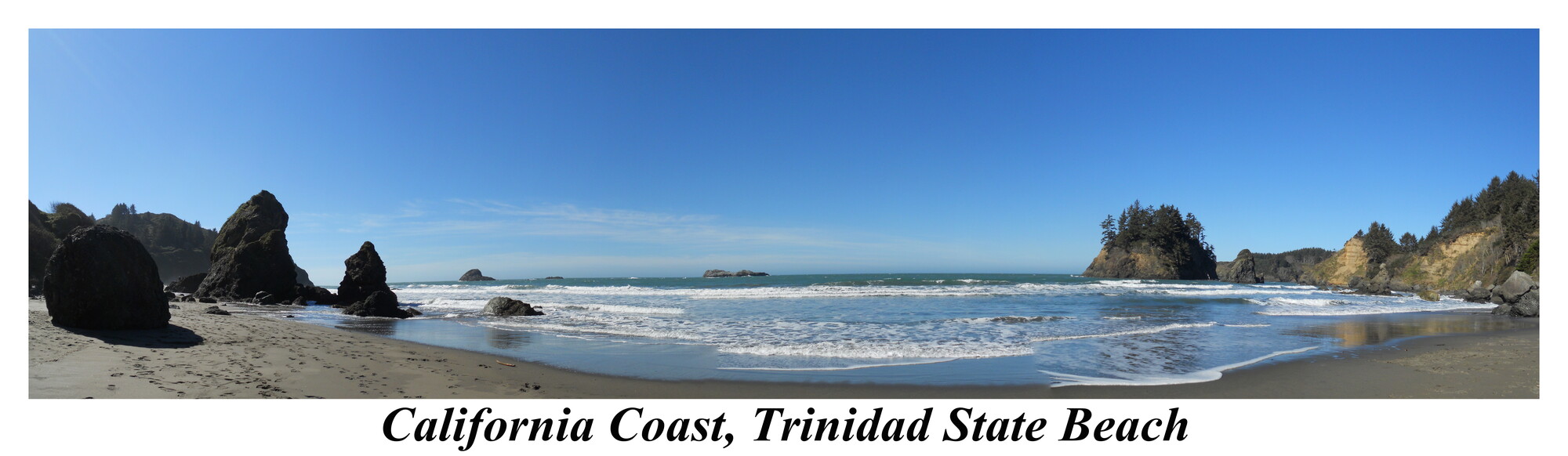
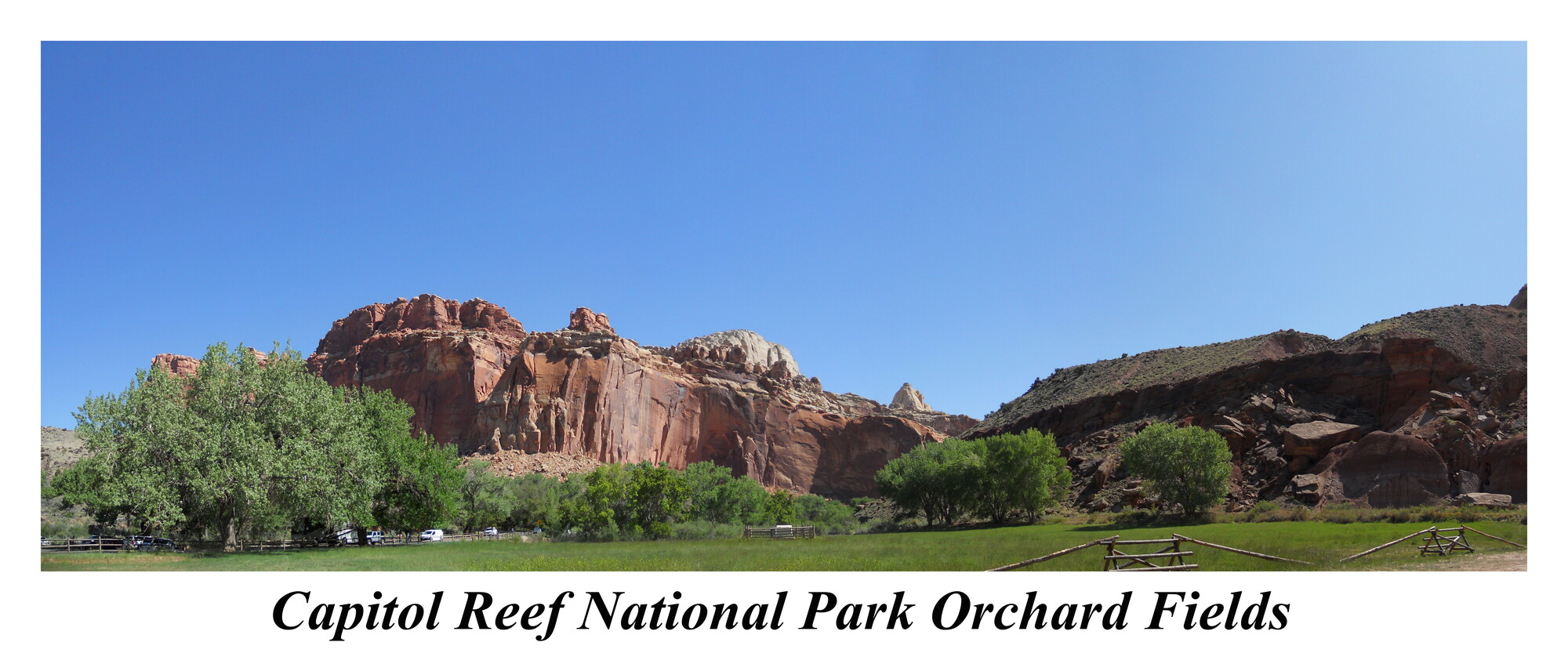
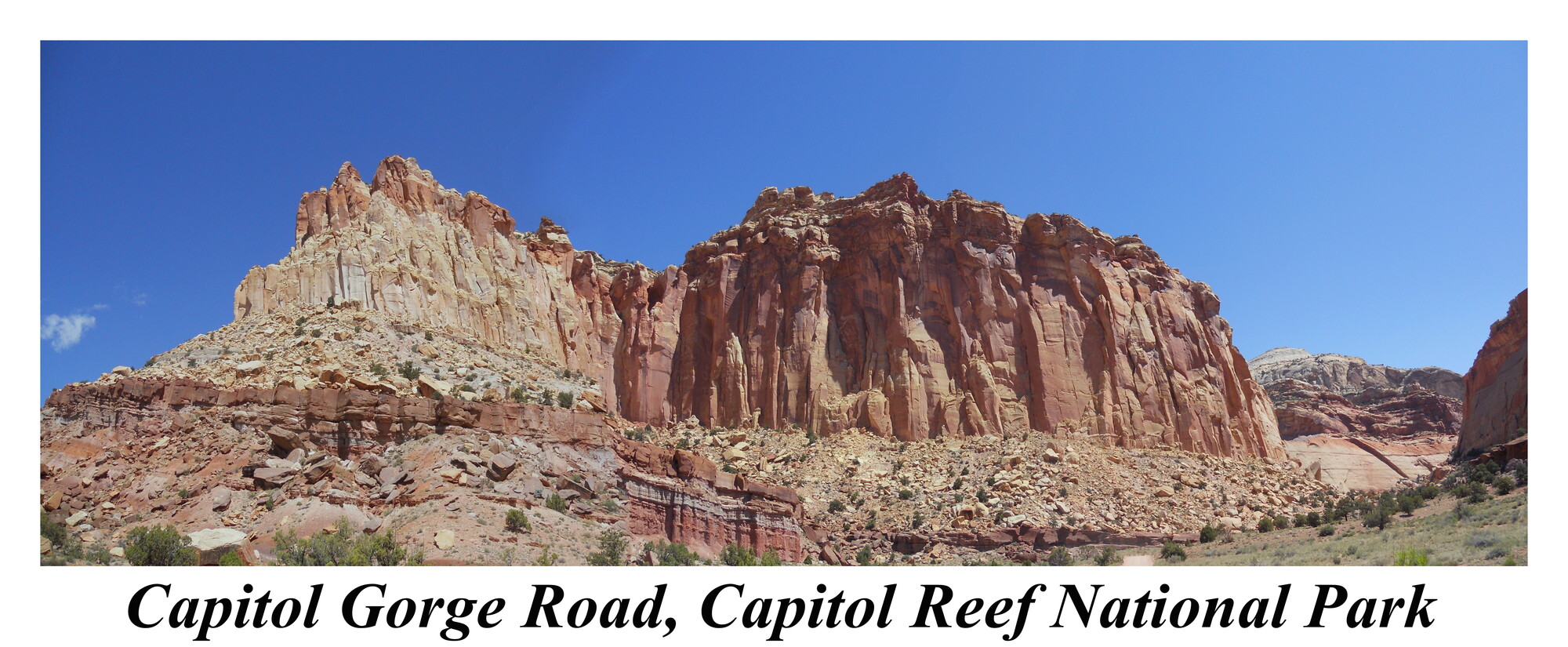
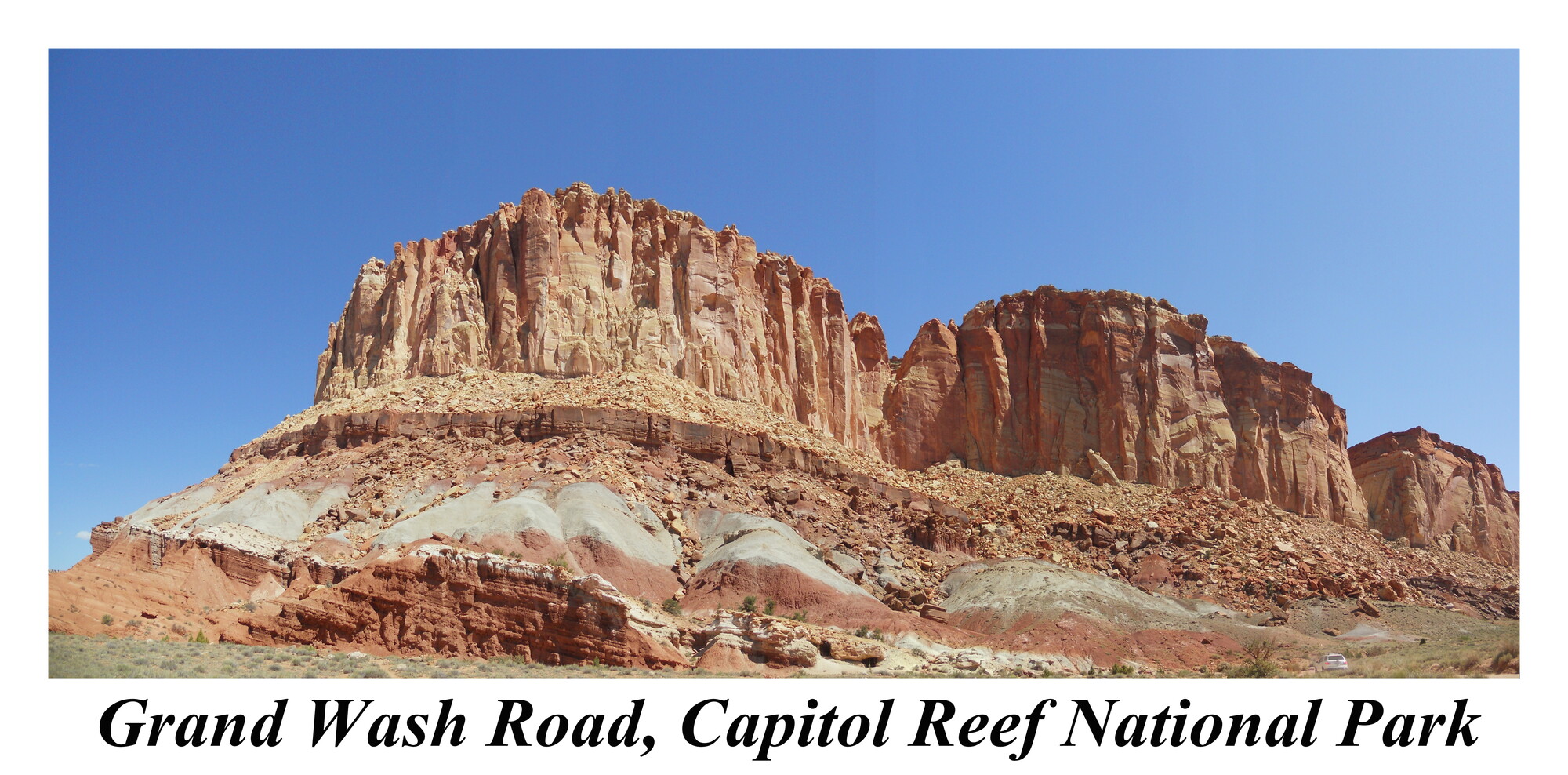
The panoramas are nicely stitched and look really natural and good. Now starts the challenge to take them with interesting sky, in the morning or evening. Best of luck with the projects to come
How would I take those at night, especially with a small compact digital camera?
Nice panos, especially the Capitol Reef NP ones.
One thing to watch for (shown quite clearly in the California Coast image) is the breaks in the moving waves that show along the stitch lines. This is very difficult to avoid and can take an enormous amount of post-processing to remove. If anyone has any suggestions on how to capture such a scene so as to minimise this affect, I would be very interested.
How do you do that in post-processing to minimize the effect?
Hi Paul
You're right, it can be a problem, like every moving part.
I think the first solution to try is to compose the panorama around those waves, trying to have most of them in a single shot.
You can also take a series of several images, every 1 or 2s for example, and select the matching ones.
The last option would be to compose long exposure shots which will mitigate the movements.