
Wave shots critique
I took these pictures after a typhoon (hurricane) hit the island where I live. I don't have any experience taking photos of the ocean. I'd like advice on taking seascape photos and any other ocean photo.
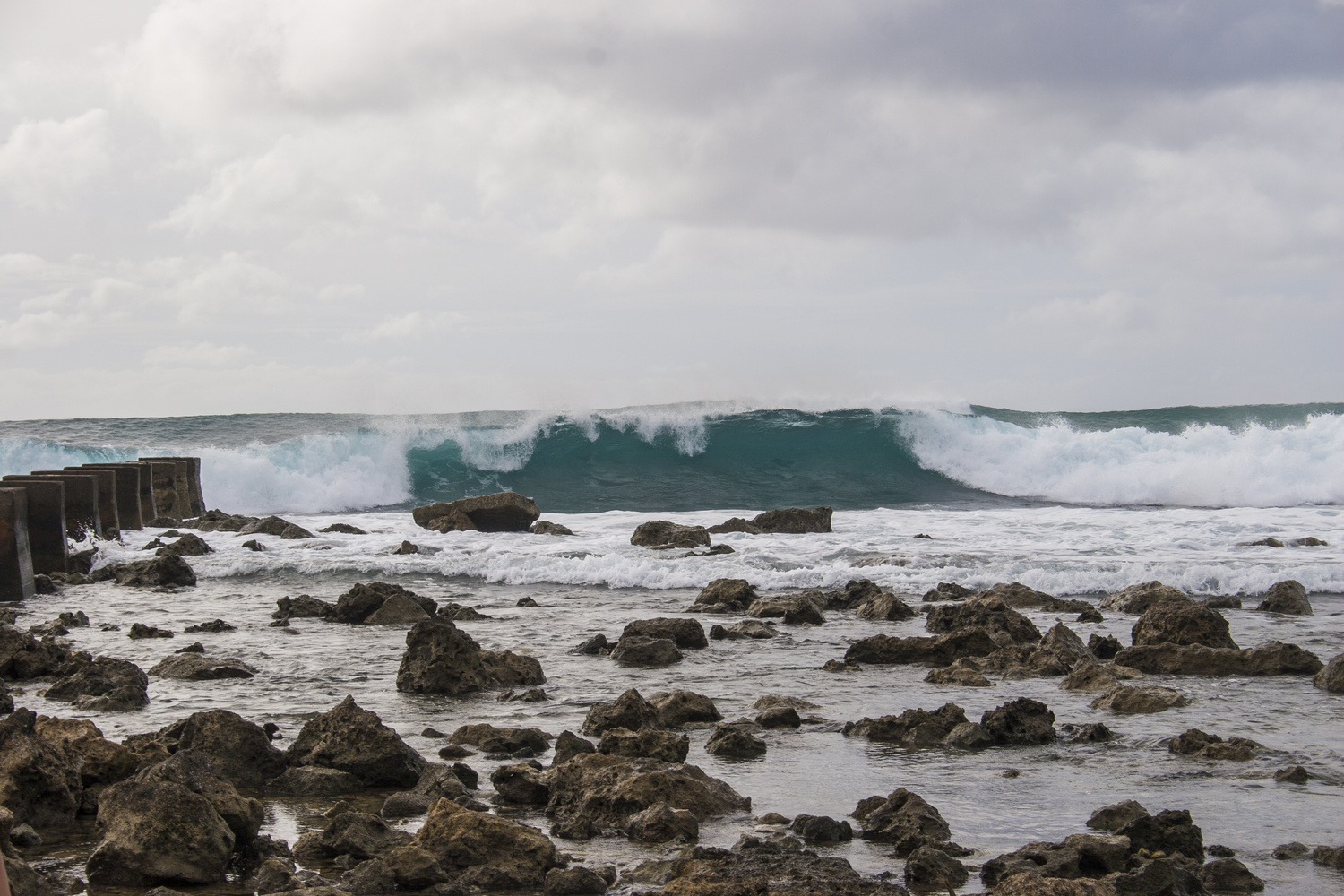
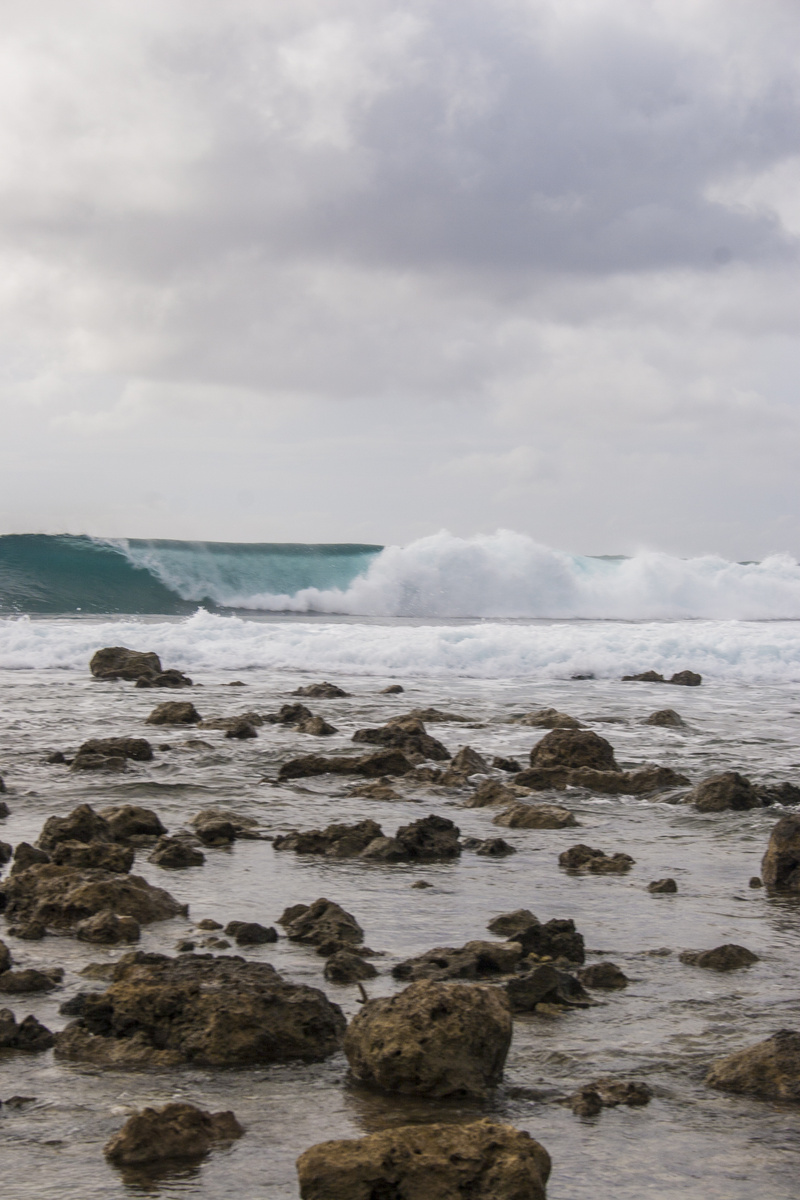
I took these pictures after a typhoon (hurricane) hit the island where I live. I don't have any experience taking photos of the ocean. I'd like advice on taking seascape photos and any other ocean photo.

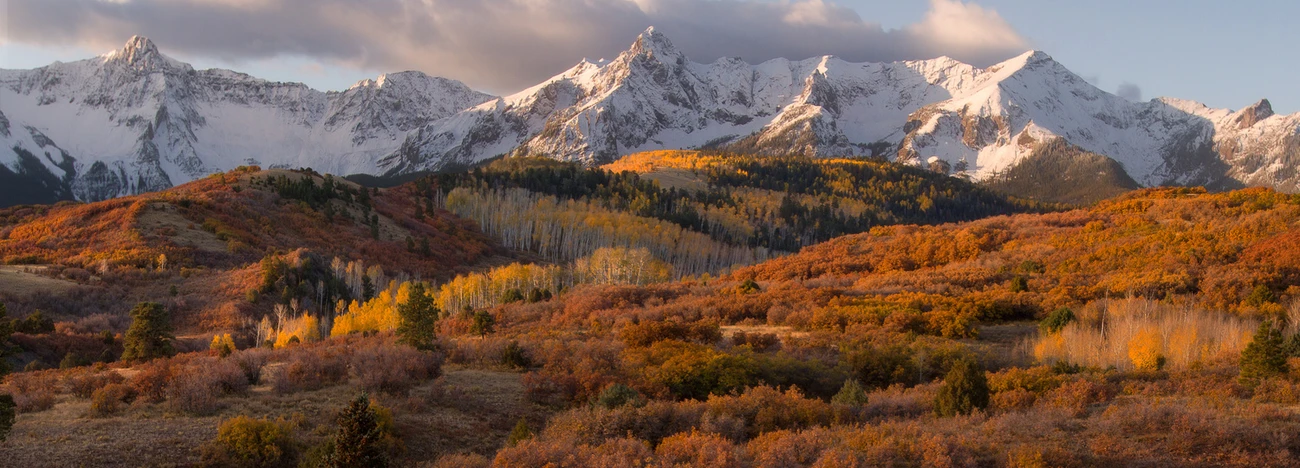
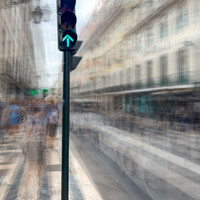
A couple of old photos taken while the Amtrak was stopped - somewhere in Colorado, I think?
(And yes, I like that the vertical leans!)


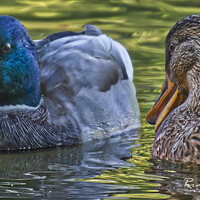
Just a heads up for anyone that may be interested (and as things are slow in the group.....).


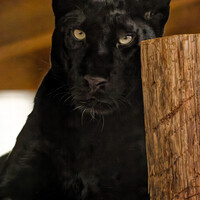
This female has arrived at Hamerton. This place rescues animals from all over the world, mainly endangered species, and they breed when they can.

I've photographed Ady a few times now. We get better each time as a team. This image was a fave from our latest session. I hope you like it to.



2 Comments
Ocean shots are hard, mostly due to the motion of the waves. I kinda think you want to be in one of 3 brad areas when it comes to capturing wave motion: 1) very fast shutter speeds to freeze all motions and keep things cirsp and clear 2) moderately slow shutter in the 1/8 - 1/2 sec range to show definitive motion but with lots of good detail or 3) very long exposures of 30 seconds to many minutes or more to totally smooth out the ocean and show clouds in motion. What people most often end up with is between 1 and 2 above, not slow enough to show motion, but too slow to freeze details, and the shot will just look blurred in the water. I think you have some of that going on your pics. I'd look at modifying ISO to allow for faster or slower shutter speeds to move solidly into 1 or 2.
Other things to keep an eye on are your horizon, keeping it level. The rule of thirds and moving you horizon up or down to sit on a thirds line. And maybe getting in closer or zooming in for a tighter simpler foreground (assuming the waves are the star).
Check out Rachael Talibart (rachaeltalibart) on Instagram, she's a master of ocean and wave photography. Lots to look through in her feed.