
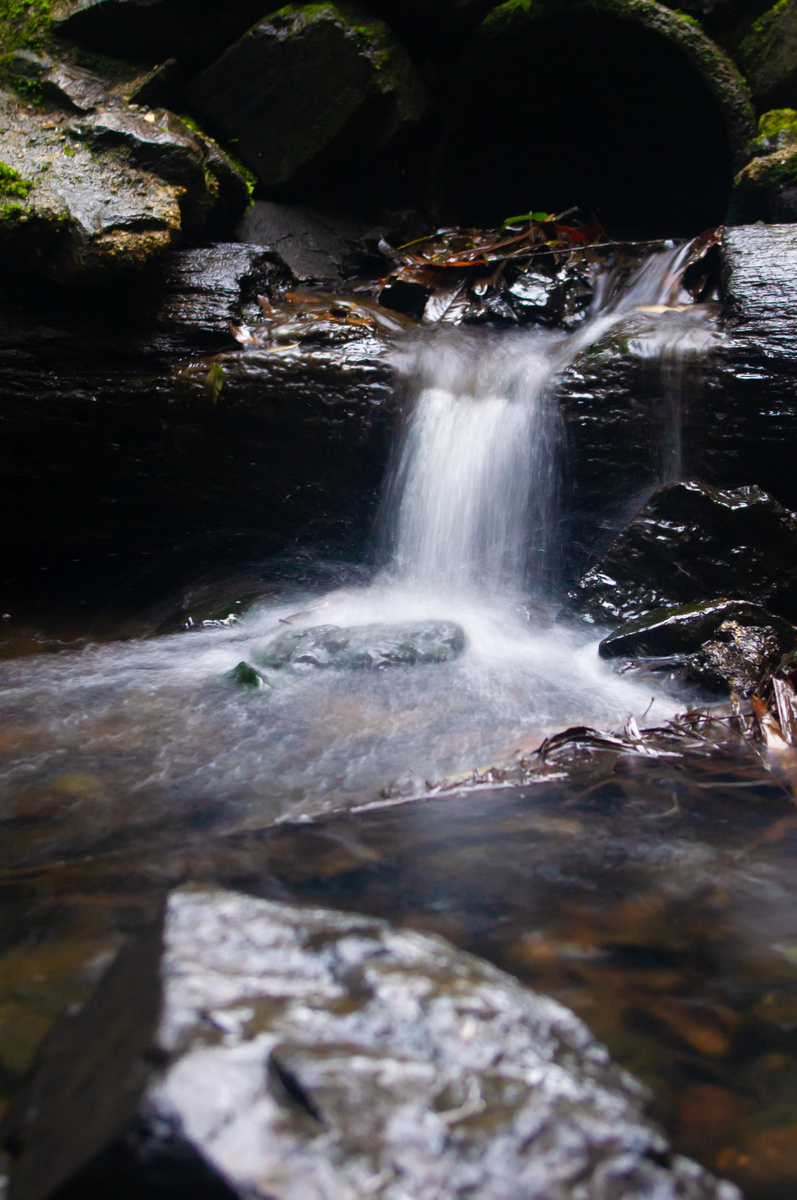
Mini waterfall
Mini water fall
taken with a Pentax k-x and a Pentax 18-55 kit lens
Mini water fall
taken with a Pentax k-x and a Pentax 18-55 kit lens

This female has arrived at Hamerton. This place rescues animals from all over the world, mainly endangered species, and they breed when they can.

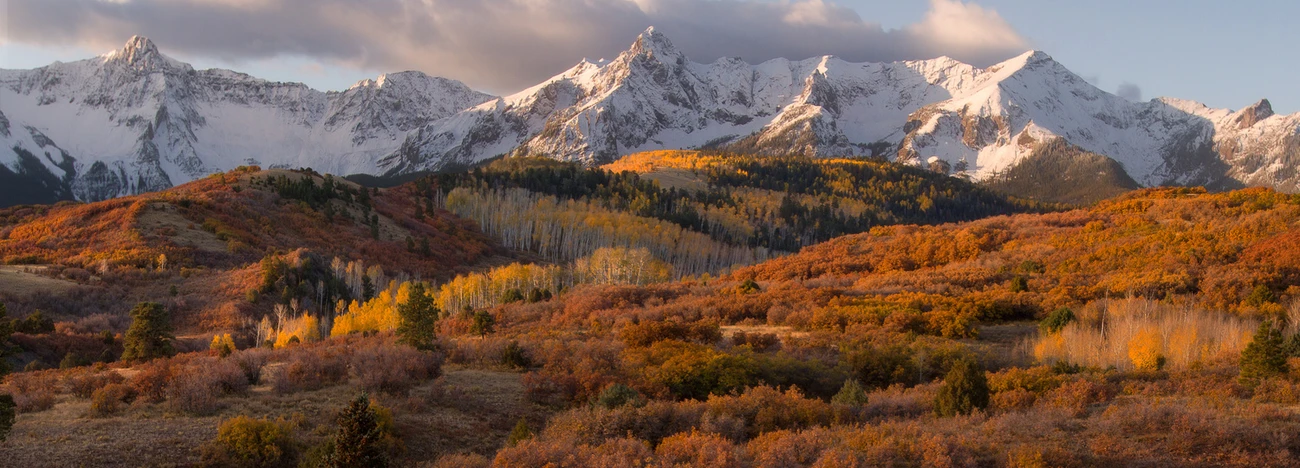
A couple of old photos taken while the Amtrak was stopped - somewhere in Colorado, I think?
(And yes, I like that the vertical leans!)

I've photographed Ady a few times now. We get better each time as a team. This image was a fave from our latest session. I hope you like it to.


Just a heads up for anyone that may be interested (and as things are slow in the group.....).
I've photographed Ady a few times now. We get better each time as a team. This image was a fave from our latest session. I hope you like it to.

3 Comments
1. This could stand more depth of field. The bright, out of focus rock in the foreground is distracting and you would be better served were it in focus and somewhat dimmer relative to the waterfall itself.
2. At least on my screen, you seem to have lost most of the shadow detail, so the waterfall appears to be simply emerging from the rock rather than falling down something. This could be a little tricky.
3. I'm not certain what you intended for the waterfall movement. Either the exposure is too short or too long. This is sorta in-between. An investment in an ND filter may be calling to you.
thanks andrew
I agree with Andrew here, Jeremy. You seem to have shot wide open; if you'd stopped down to f/16 or f/22 you'd have more DOF and several seconds' exposure - even more if you'd dropped your ISO. So you wouldn't need an ND filter in this particular case, if you wanted really wispy blurred water. Unless you focus-stacked or used a tilt lens, you'd never really get that foreground rock sharp along with the "falls". Shooting down, from higher up would reduce the DOF needed.
It's very contrasty - a major difficulty with many waterfalls - especially the "mini" ones like this; I have many similarly-toned images with brown rocks and logs looking almost black, and rather stark contrast. If you raise the shadows, or overall exposure, you get rather a brown, muddy look with these, in my experience. Just reducing contrast seems to always yield a sickly, dull effect. It can all work better with more light coming from behind the camera, rather than looking into the light, which is more the case here. A polariser could cut the glare on the rocks.
It needs brighter-coloured rock, or green moss, or something else to liven up these scenes and provide the makings of a good photograph, at least for me.