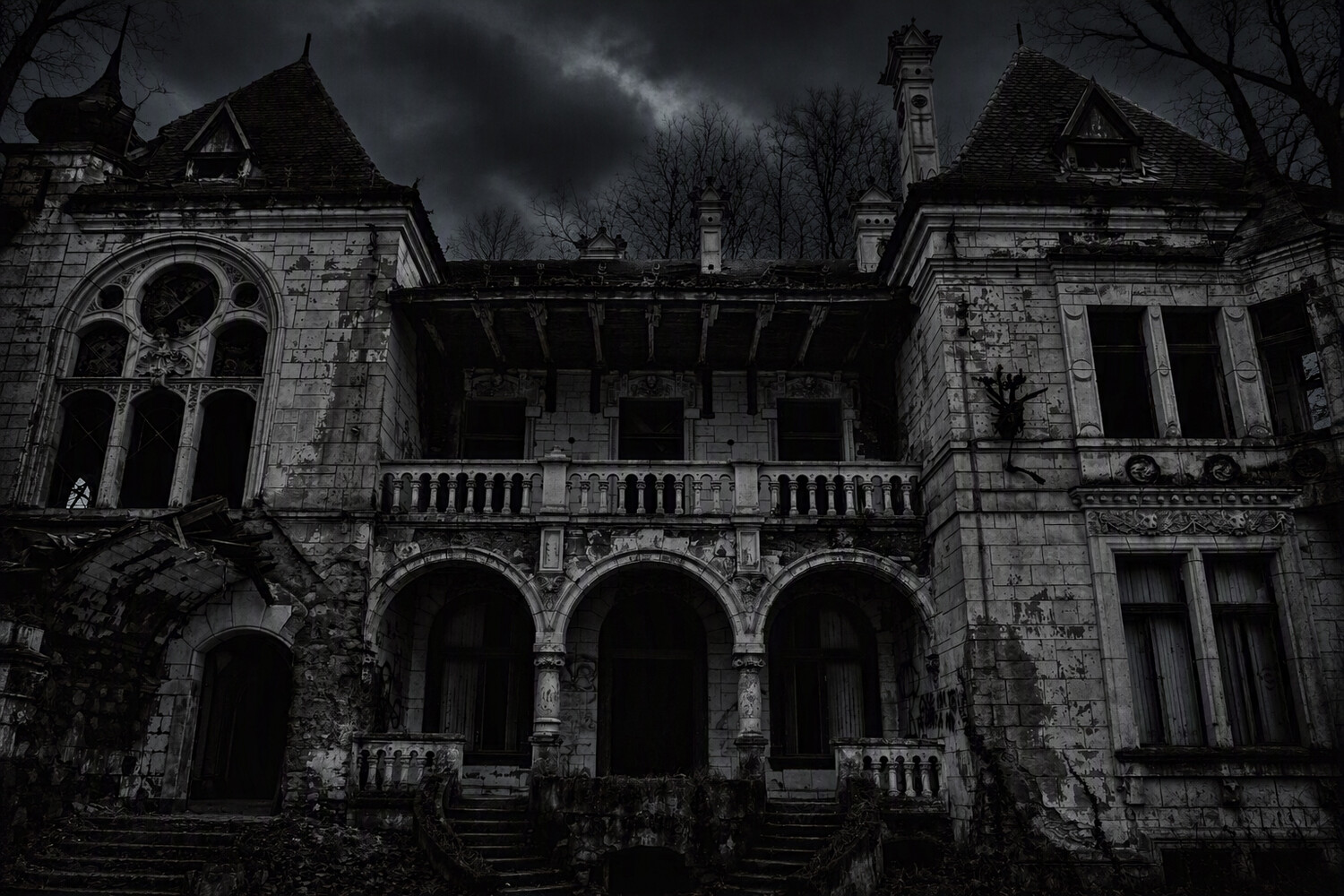

On the slopes of Fruška Gora, in the heart of Beočin, stands one of the most unusual and enigmatic buildings in Vojvodina (Serbia): Spitzer Castle. Once a symbol of wealth, industrial success, and architectural extravagance, it now survives as a magnificent ruin that continues to captivate historians, photographers, urban explorers, and lovers of abandoned places.
Built in the late 19th century for the wealthy Spitzer family, prominent industrialists and co-owners of the famous Beočin Cement Factory, the castle reflected the prosperity of an era when Beočin was an important industrial center within the Austro-Hungarian Empire.
The castle was designed by the renowned Hungarian architect Imre Steindl, best known for creating the iconic Hungarian Parliament Building in Budapest.
The Spitzer family left Beočin shortly before World War II. During the war, the castle served as the headquarters of the German military command, and after the conflict it was nationalized. Over the following decades it housed a library, cultural center, radio station, sports organizations, a home for disabled war veterans, and eventually an exclusive restaurant with guest accommodations. With each conversion, parts of the original interior disappeared, and much of its former splendor gradually faded.
A turning point came after the privatization of the company that managed the property. Left without a permanent function or maintenance, the castle entered a period of rapid decline. Roofs began to collapse, moisture damaged the walls, and the once-grand interiors fell victim to time, neglect, vandalism, and decay.
Yet even in ruin, Spitzer Castle has lost none of its power to inspire. Visitors often describe their first encounter with it as something out of a forgotten fairy tale hidden behind a curtain of mist. Its monumental arches, shattered stained glass, abandoned halls, and vegetation-covered staircases create an atmosphere more reminiscent of a Gothic novel or a haunted mansion than a historic residence.
The image used for this edit was captured in 2014. with an Olympus E-410 and an Olympus Zuiko Digital 14-42mm lens. Subsequent digital processing was used to emphasize the castle's dark, haunting atmosphere and the almost surreal character of this once magnificent architectural gem.





No comments yet