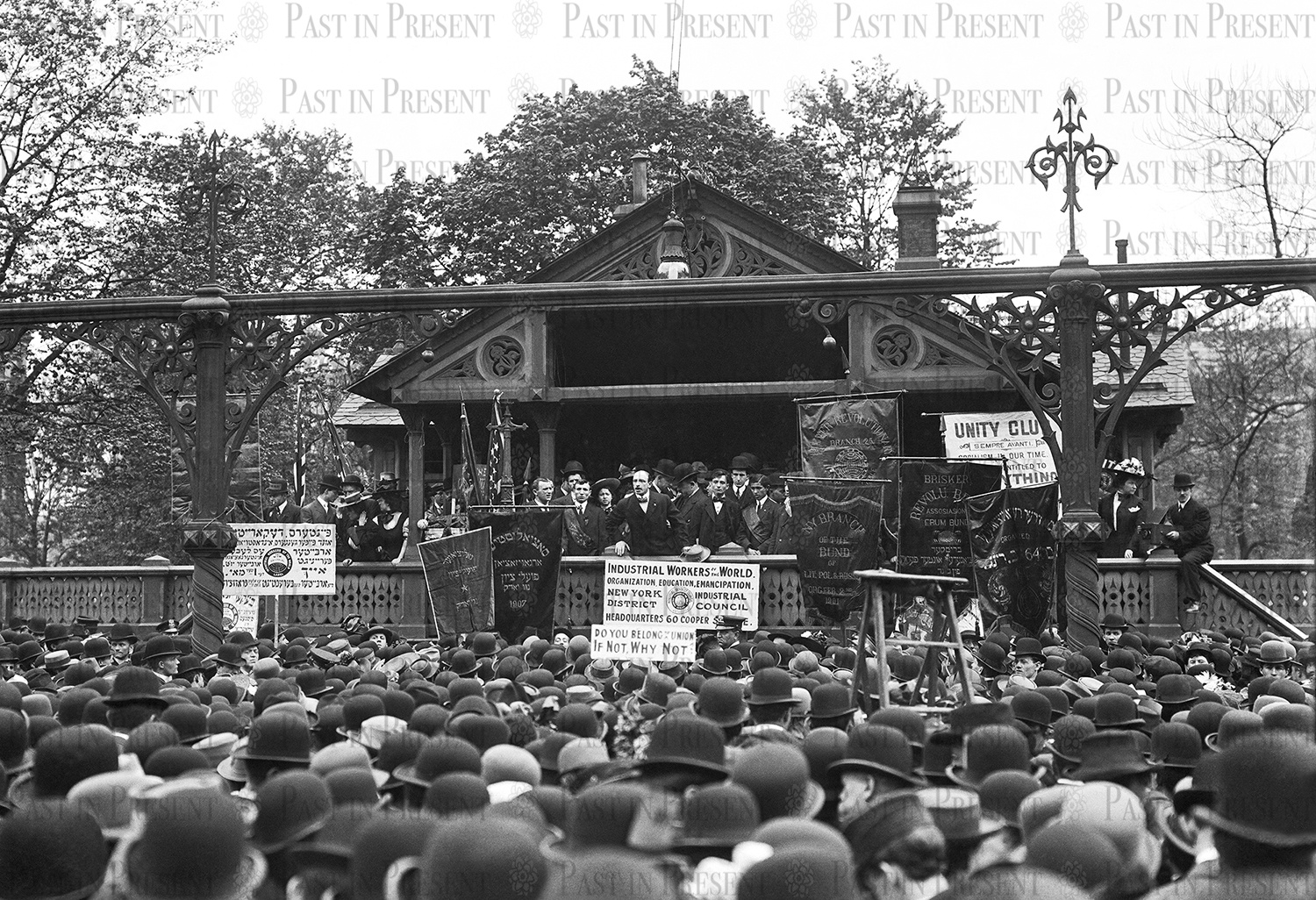
NYC Union Square IWW Rally with Alexander Berkman & Jewish Labor Banners, 1914 — A Moment of American Revolt.
This extraordinary image freezes a dramatic and turbulent moment in early-20th-century New York: an Industrial Workers of the World (IWW) mass rally in Union Square, 1914, where thousands of immigrant workers crowded beneath the iron arches of the park pavilion to hear the radical voice of Alexander Berkman—anarchist, author, and one of the most electrifying labor speakers of his time.
At the center of the wooden platform, Berkman leans forward intensely, gripping the railing as he urges the crowd toward unity and emancipation. His speech echoes the slogans on the banners behind him:
“Organization. Education. Emancipation.”
“Do You Belong to a Union? If Not — Why Not?”
Surrounding Berkman is a sea of Jewish immigrant labor groups, their banners and signs written boldly in Yiddish. These include branches of the Bund, the great Jewish socialist workers’ movement born in the Russian Empire and carried to America by exiles who had fled pogroms, sweatshops, and political repression. Their cloth standards read:
“Brisker Revolutionary Bund, Branch 25”
“New York Branch of the Bund of Lithuanian, Polish & Russian Jews”
“Organized 1901”
At left, another large sign in Yiddish declares the solidarity of cutters, tailors, and garment workers—industries dominated by Jewish immigrants crowding the Lower East Side. These banners are not just decorations; they represent entire communities united by labor, identity, and hope.
Union Square: Birthplace of American Labor Movement
Since the 1880s, Union Square had been the beating heart of New York’s political dissent — a gathering ground for anarchists, socialists, suffragists, and the IWW. By 1914, with rising prices, brutal working conditions, and the shadow of war in Europe, the square filled almost daily with rallies demanding dignity and fair labor. The crowd in this image produced from original vintage glass camera negative — endless rows of bowler hats and caps — is a living portrait of that historical moment: immigrant men and women, mostly Jewish, Italian, and Eastern European, who worked long hours in garment factories, bakeries, print shops, and machine shops. Many had survived czarist repression, only to find themselves fighting again — this time for the American dream.
“The People Rise — Industrial Workers of the World & The Jewish ‘Bund’ at Union Square, NYC 1914"
Join the Fstoppers community for free
-
Post comments and join in the discussions
-
Browse the site ad-free
-
Share your work and get featured in the community
-
Compete in the photo contests for fun and prizes
More From Arthur Boginsky

Spectacular Ticker-tape parade on Broadway, Low Manhattan NYC June 18th, 1910.

“Gateway to Greenwich Village — Washington Square Arch and Fifth Avenue, New York City, c.1900s”

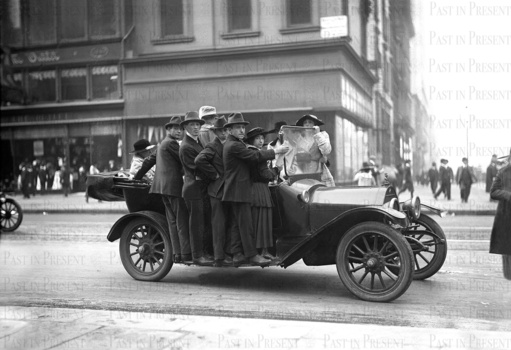
“Stranded City: New Yorkers Cling to a Jitney During the Great Streetcar Strike, 1916”
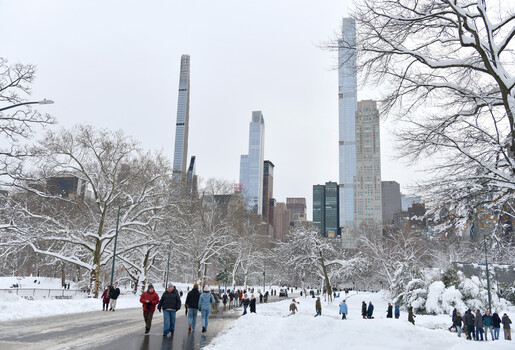
“Snowmen, Footprints, and Skyline Views — Central Park in Winter”

“The People Rise — Industrial Workers of the World & The Jewish ‘Bund’ at Union Square, NYC 1914"
“Snowmen, Footprints, and Skyline Views — Central Park in Winter”

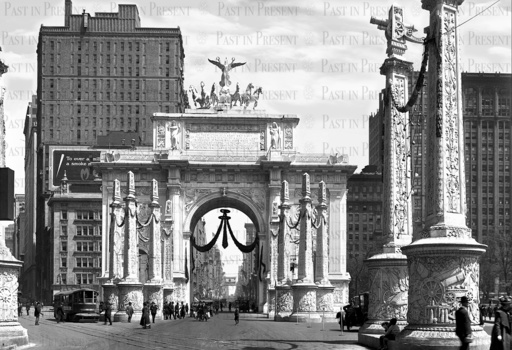
Triumph and Remembrance — The Victory Arch at Madison Square, NYC, 1919
“Snowmen, Footprints, and Skyline Views — Central Park in Winter”

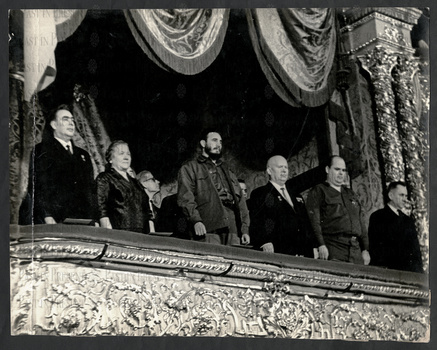
Balcony of Power — Fidel Castro and Nikita Khrushchev at the Bolshoi, May Day Moscow 1963
“Snowmen, Footprints, and Skyline Views — Central Park in Winter”
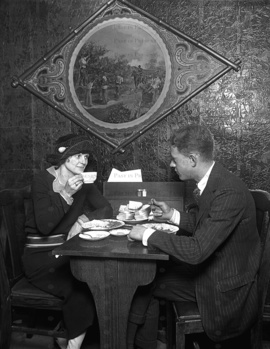
“President T. Roosevelt’s Kids – Double R Coffee House, NYC.”
“Snowmen, Footprints, and Skyline Views — Central Park in Winter”

Ascending Into the Frozen Sky: U.S. Army Observation Balloon, West Point c.1900

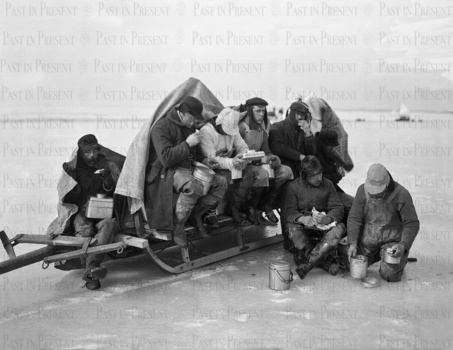
LI Great South Bay Oyster Crew Ice Fishing, Winter Lunch Break, c.1910s