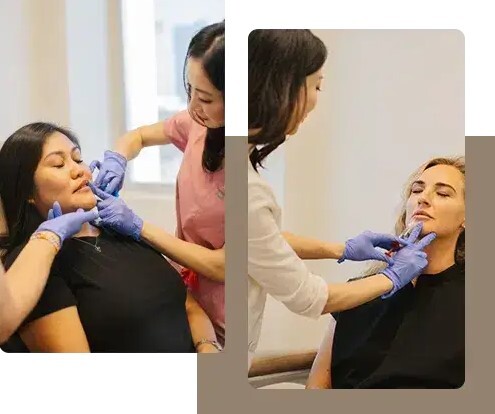

The physical changes that occur in the lower face and neck can have a profound emotional impact on how we perceive ourselves in the mirror. For many people, the gradual loss of definition along the jawline and the appearance of loose skin below the chin can create a noticeable disconnect between their internal energy and their outward appearance. You might feel youthful, active, and highly capable, yet the reflection staring back tells a completely different story. This discrepancy often leads to self-consciousness, causing individuals to hide behind high-collared clothing, carefully arrange scarves, or consciously alter the angles at which they take photographs. Understanding that these feelings are entirely normal and shared by many is the first step toward reclaiming your personal confidence and feeling comfortable in your own skin once again.
The anatomy of the neck area is particularly vulnerable to the natural ageing process. The skin in this region is notably thinner than the skin on the face, making it highly susceptible to environmental damage and a rapid loss of elasticity. Beneath the surface, the platysma muscle, which runs down the front of the neck, can begin to weaken and separate over time. This separation often creates vertical banding that becomes highly visible when speaking or turning the head. Additionally, small deposits of fat can begin to accumulate under the chin, further obscuring the natural angles of the jaw. These combined factors—thinning skin, muscle laxity, and fat accumulation—work together to soften the crisp contours that typically define a youthful lower face.
While non-surgical treatments can offer some mild improvements for early signs of ageing, they often fall short when addressing moderate to severe tissue laxity. Injectable treatments and energy-based devices cannot physically remove excess skin or tighten underlying muscle structures. When the structural foundation of the neck has significantly weakened, these less invasive options simply cannot provide the necessary mechanical lift. Patients often spend considerable time and resources trying various superficial treatments, only to feel disappointed when the underlying physical drooping remains unchanged. Recognising the limitations of non-surgical options is important for setting realistic expectations and deciding when a surgical approach might be the most appropriate path forward.
For those experiencing significant laxity, a surgical intervention offers the most definitive and long-lasting solution. Choosing to undergo a neck lift Honolulu allows a skilled surgeon to carefully address all three layers of the problem simultaneously. The procedure involves removing excess fat deposits, surgically tightening the platysma muscle to eliminate visible vertical bands, and gently redraping the skin to restore a smooth, firm contour. This comprehensive approach does not simply pull the skin tighter; it rebuilds the internal supportive framework of the lower face. The result is a highly natural-looking refinement that avoids the artificial, overly tight appearance often associated with older surgical techniques.
The recovery process following a lower face procedure requires patience and a commitment to proper aftercare. It is completely normal to experience swelling, mild bruising, and a feeling of tightness during the first few weeks. These physical sensations are temporary and signify that the tissues are healing and settling into their new positions. Having a strong support system at home and strictly following all postoperative instructions provided by your surgical team will make this healing phase much more comfortable. Taking the necessary time to rest and allowing your body to recover fully is essential for achieving the best possible aesthetic outcome. The temporary downtime is a small investment for the long-term emotional and physical benefits.
Managing personal expectations is a significant part of the surgical journey. The goal of lower face refinement is not to completely alter your fundamental appearance or make you look like a different person. Instead, the objective is to restore the natural contours that you have gradually lost over the years, allowing you to look like a more rested, refreshed version of yourself. When the physical signs of ageing are carefully softened, the psychological burden often lifts simultaneously. Many patients report a renewed sense of freedom in their daily lives, no longer feeling the need to hide or carefully manage their appearance in social situations.
Building a trusting relationship with your chosen surgical team is essential for a positive overall experience. From the initial consultation to the final postoperative follow-up, you should feel heard, respected, and thoroughly supported. An experienced medical professional will take the time to deeply understand your specific aesthetic concerns, clearly explain the anatomical realities of your situation, and guide you toward the most effective treatment plan. Open communication ensures that you are fully prepared for every step of the process. By partnering with a compassionate and skilled team, you can approach your aesthetic journey with confidence, knowing that your safety and ultimate satisfaction remain their highest priorities.
Conclusion
Addressing the visible signs of ageing in the lower face and neck is a deeply personal decision that goes far beyond simple aesthetics. By understanding the anatomical changes and considering surgical options to restore lost definition, individuals can bridge the gap between how they feel and how they look. This thoughtful approach to rejuvenation can significantly improve daily confidence and overall quality of life.
Call to Action
If you are tired of feeling self-conscious about changes in your jawline or neck area, we invite you to schedule a private consultation. Allow our compassionate team to listen to your concerns and help you explore the best options for restoring your natural, youthful contours.
No comments yet