Most Bookmarked Articles

Below are the most bookmarked articles by our members.

Log in or register to add your own bookmarks.

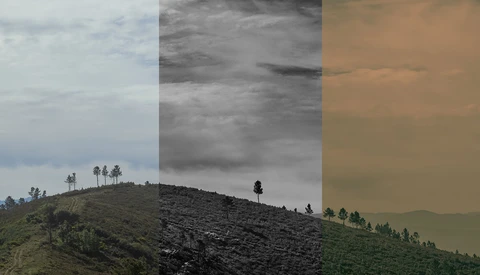
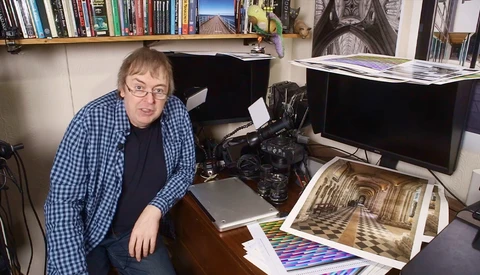
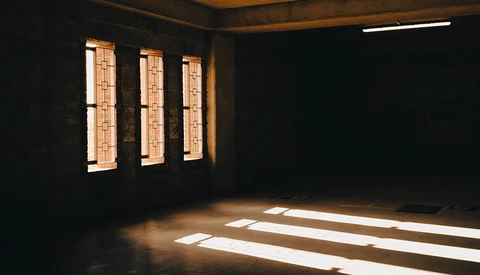
Advanced Lightroom Masking Made Simple

Lightroom Classic offers tools that can elevate your photo editing significantly, but some of the most powerful features remain underused. One of these tools, intersecting masks, allows you to refine your edits with precision. It’s versatile, easy to use, and adaptable to almost any photography genre, from portraits to landscapes.
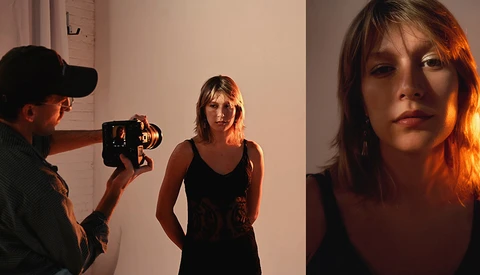
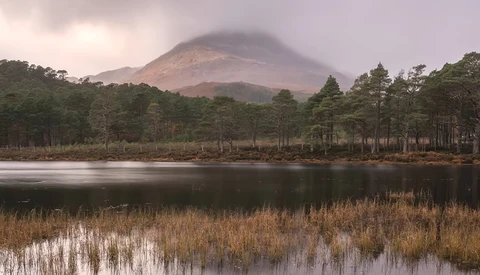
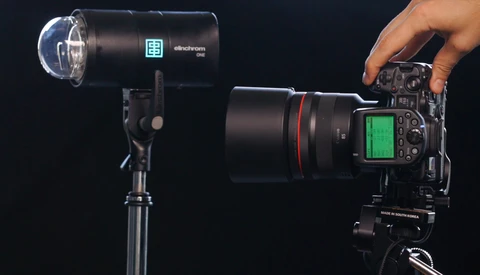
How One Light Can Create Three Dramatic Photo Styles

Lighting is the backbone of photography. It determines mood, color, and texture in your images. Without the right lighting, even the best model and location won’t translate into the shot you envision. Learning to control and experiment with light is one of the most impactful ways to elevate your work.

Overcoming Barriers in Landscape Photography: Insights and Tips

Landscape photography presents unique challenges, but mastering them can lead to stunning results. One of the biggest hurdles isn’t technical—it’s psychological. Many struggle with motivation, making it hard to leave the house and commit to a shoot. Whether it’s the early mornings or the uncertainty of success, the mental barriers often outweigh the physical ones.

A Beginner's Guide to Core Photoshop Concepts

When you first start using Photoshop, understanding the basics of its interface can set the foundation for everything you’ll do. Photoshop's layout consists of two main views: the Home Screen and the Workspace. Each plays a crucial role in organizing your projects and tools efficiently.

Do You Know What Macro Stacking Is and How it Works?

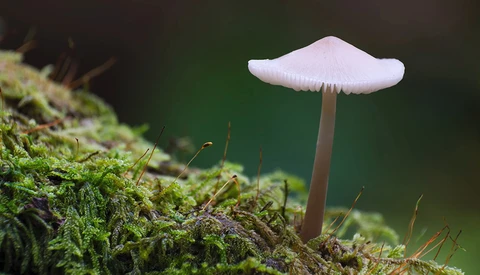
Macro photography is one of the more niche techniques of the craft, but it has applications in a number of genres, so it's a skill worth having. The question is: do you know how one of its fundamental methods works, and can you do it?

Are You Struggling With Sharp Landscape Photos?

A frequent challenge for landscape photographers is capturing sharp images. There are several nuances to sharp landscape photography photos; there is more to it than just always using an aperture of f/11 or so. This video looks at some of those nuances to help you get sharp images.

Techniques for Beautiful Snowy Portraits

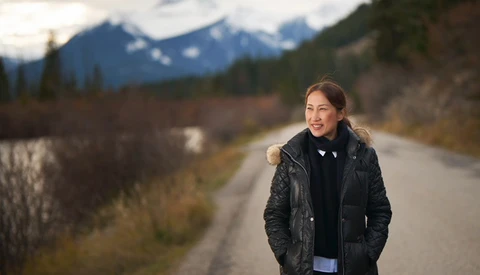
Photographing in snow presents unique challenges. The light is harsh, reflections are intense, and the cold can affect your equipment. But with the right techniques, you can transform a snowy scene into a beautifully lit portrait. This video focuses on using light direction, ambient light, and composition to elevate your snowy portraits, offering practical tips for handling these tricky conditions.

Breaking the Rules of Lighting for Stunning Results

Lighting plays a crucial role in shaping a portrait, and sometimes, it’s worth bending the rules to capture a unique shot. When you’re working in a stunning location, balancing ideal lighting techniques with the composition can push you to make creative decisions that break away from the norm.

A Hidden World of Images

Long exposures and intentional camera movement (ICM) open up a side of photography that’s impossible to capture with the naked eye. They create ghostly, dynamic images that capture the essence of movement, emotion, and atmosphere, transforming everyday scenes into ethereal, dreamlike compositions.

Editing Ideas For Midday Landscape Photography

Rumor has it landscape photography on bright sunny days with blue skies is not a good idea. I would disagree. Here are a few ideas for editing photos shot in the midday sun that might just inspire you to go out and shoot more in bright conditions.

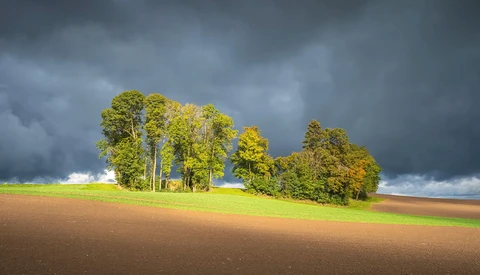
Color Contrast in Lightroom for Stunning Fall Photos

Color contrast can completely transform a landscape photo, adding depth and drama that draw in the viewer. This tutorial explores how to use Lightroom to balance color tones for maximum effect in autumn shots, from the initial HDR merge to targeted adjustments that bring out the richness of each part of the image.

How TTL Flash Can Simplify Your Photography

Choosing the right flash setting can make or break a shot, especially in challenging lighting. TTL, or “through the lens” flash metering, is a powerful option for streamlining exposure in dynamic environments. This method lets your camera analyze light as it passes through the lens, using that data to adjust the flash automatically. For those who shoot in changing light conditions, like during events or outdoor sessions, TTL offers the advantage of quick adjustments without needing to dive into settings constantly.

A Beginner’s Guide to Editing Landscape Photos in Lightroom

Creating a strong image is more than just pointing a camera—it’s a detailed process of planning, capturing, and finally, editing. The editing stage in particular is where you bring out the colors, light, and mood you intended, creating a finished piece that truly reflects the moment and story you envisioned.

How to Use Ambient Light and Flash for Stunning Outdoor Portraits

Using natural light effectively can make or break a shot, especially in outdoor portraiture where the light source and your subject’s position work together to create the image’s mood. Understanding how to position yourself and control lighting lets you create depth and definition without overwhelming your subject with artificial light.

The Simple Step to Better Photo Consistency

Ensuring your images look the way you intend on any screen is a challenge you may not often think about, but it’s critical for presenting your work accurately. While you may put considerable effort into editing, adjusting colors, and fine-tuning contrast, the truth is, if your screen isn’t calibrated, your images may look entirely different to someone else.

How to Add Depth and Detail to Eyes in Photoshop

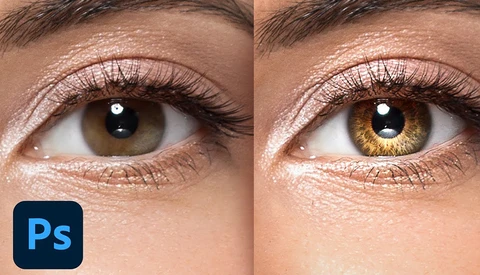
Eyes are often the focal point of a portrait, and enhancing them can take your images to a new level. With a few creative Photoshop techniques, you can add captivating detail and depth to the eyes, making them stand out without looking overdone.

DIY Theatrical Portraits: Using a Spotlight

I've been seeing spotlights used in shoots everywhere, so I wanted to jump on the trend and put my own twist on a spotlight shoot. Here’s how my creative partner, David, and I created a theatrical portrait session using a spotlight.

How to Use Selective Color Adjustments in Photoshop

Understanding how colors interact within an image can make a profound difference in how it’s perceived. Color adjustments can separate elements, guide the viewer’s focus, and even bring a certain “depth” to your photos.

Don't Fall for the Lies That 'Real' Photographers Want to Tell You

The best thing about the internet is that there are so many sources of photography education out there. The worst thing about the internet is... that there are so many sources of photography education out there. So how do you sort facts from lies told so often that they’ve acquired the status of fact?

Using Lightroom to Restore Vibrant Colors in Night Photography

When shooting landscapes after sunset, colors often fade, leaving your image looking a little flat and lifeless. But with the right editing techniques, you can bring back some of that warm, vibrant glow, creating a visually compelling result.

Photography When Conditions Aren’t Right

Foggy mornings and moody atmospheres can add a surreal quality to your landscape shots, but capturing the perfect image isn’t always easy. Sometimes, you have to keep returning to the same spot, waiting for the right conditions. And when you’re determined to get that postcard-worthy shot, persistence becomes just as important as your technical skills.

5 Tips for Capturing Stunning Forest Scenes

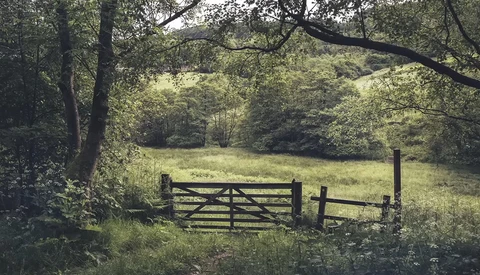
Photographing forests isn’t always straightforward. It’s easy to feel overwhelmed by the dense trees, tangled branches, and layers of textures that can make it difficult to find a clear shot. The forest can seem chaotic, but with a few simple techniques, you can transform a seemingly complex scene into a captivating photograph.

Why a Single Workflow Doesn’t Fit All Photography

Choosing a photography workflow isn’t about following a set formula. Each step you take—from picking up the camera to final editing—is part of a sequence that can shift depending on your style, subject, and even personal preferences. There’s no “correct” way to approach it, so flexibility is key.