Critique the Community
Repetition
Submit Your Best Photos with "Repetition"
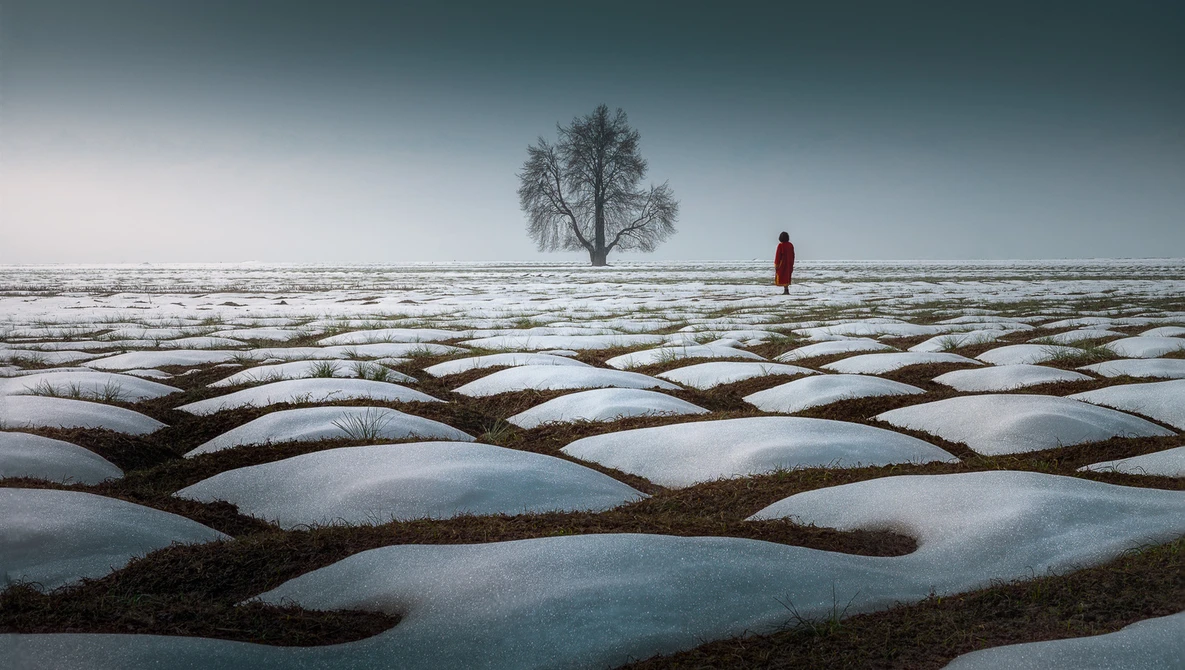
Submit Your Best Photos with "Repetition"
For this critique, my own mother rated the images.
We had some fantastic submissions for this critique. If you'd like to join the next one, go to Fstoppers.com/Contests.
For this critique/contest, we want to see your best photos that incorporate repetition.
This theme is pretty broad so almost any genre should work, we just want to see repeating details that make the photo stand out.
Each photographer is allowed to submit up to 3 images. The highest-rated and one random image will win a tutorial from the Fstoppers Store.
Featured image by: SANDEEP MATHUR
Fri, 07/02/2021 - 13:15
This contest has ended.
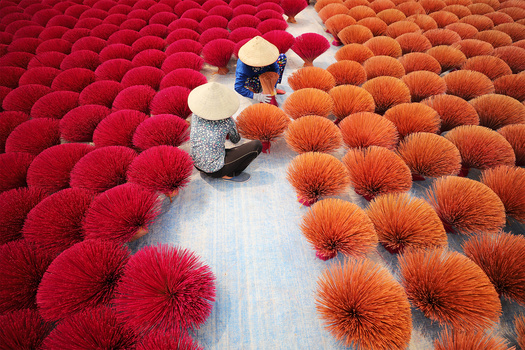
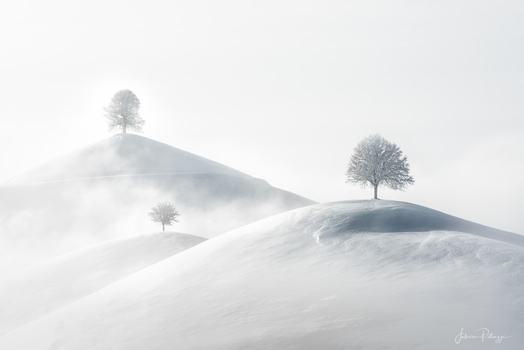
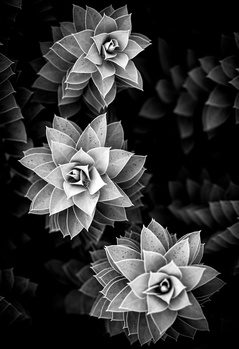
Click on the thumbnails below to comment and rate each image.
Click here to learn about the Fstoppers rating system and what each star value means.












5 Comments
Very excited to finally make a critique - especially since I know how you feel about flower photos. Lee was exactly right - the flowers were all natural and most of that contrast comes from the BW conversion.
Also, what ever happened with the Aerial critiques?
https://fstoppers.com/critique-community/aerial-aviation-photography
We had a glitch in the website and I disabled a couple of old critiques that were showing up like they were still active.
This critique had to be quick because I'm going to the states and I needed to knock it out before leaving.
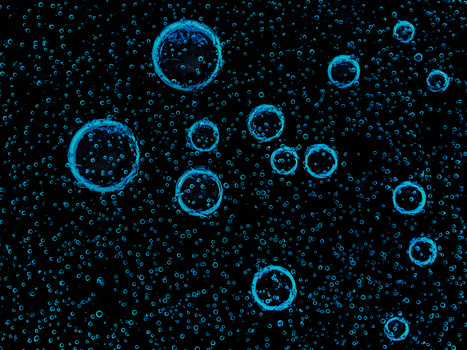
Hello, Lee!, I was surprised I made it to the critique. I´m the photographer who took the glacier bubbles photo that entered the last. The photo is actually taken with my mobile, and is part of a series I shot of closeups and textures on the Perito Moreno glacier, in Argentina, where I worked as a trekking guide. It is an up-down view (zenith) of a very small cryoconite, which is a typycal formation from temperate glaciers, in which there is a whole made by material deposited over the ice. As it is darker than the ice, it warms up with the sun and radiates, so it starts melting and drilling the ice. Eventually, some layers of ice are denser than others, and that dark sediment takes longer to melt the ice while forming a uniform flat surface. In this case, it was a very shallow but rather wide pool, with a depth of about 5-7cm (2-3inches) and probably a width of around 6-7 inches. When you zoomed in you saw two things, a lack of acuity, because the photo was shot on an old phones camera and focused around 2 inches from the bubbles, and the reflection of both, the phone and the clear blue sky on the upper part of the bubbles, which I did not cover with the phone. The big bubbles could have been 4-5mm wide and the small ones around 1mm. They occur at the beginning of the winter, as there begins to be some freezing in the surface of the water, but in the meantime the air trapped in the ice keeps getting freed, but still trapped by the layer in the surface. So, tu sum it up: the dark background is the dark sediment. The blue hues of the bubbles is the result of light refraction on water-based prisms and their corresponding light-absorbing properties. And, by the way, I agree, the photo of the patio furniture IS better. Although I havent thought about the difference in the viewing size, as it could result a bit cluttered, but I like it better anyway. You can see some more of the bubbles images in www.instagram.com/yosoytato MANY THANKS FOR SHOWING IT!! Your mom is great. Really clever and funny.