
The Kodak Snapic A1 is a lot of fun. I've been using this slimline 35mm film camera for the last three months, taking it everywhere with me — including on a two-week holiday to Japan. In this article I'll tell you why it's so fun, sharing highlights from my first five rolls.
What Is the Kodak Snapic A1?
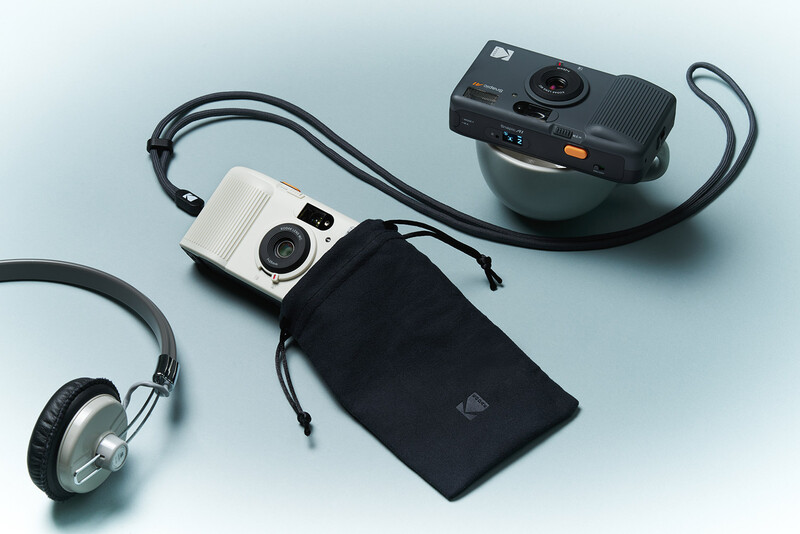
The Kodak Snapic A1 is the latest camera from Reto, Kodak’s production partner in Hong Kong. It features some impressive advancements over previous Reto cameras like the Reto Pano. These include:
- 3-element glass lens
- 2-zone focus
- Top LCD panel
- Auto film loading and advance
- Easy-to-use double exposure mode
It's not just the functionality that's had an upgrade. The Snapic has a fresh new look and comes in 2 colors: Rhino Grey and Ivory White. To top it off, it retails for a super competitive price of just $99.
Looks Like a GR, Not Quite a GR
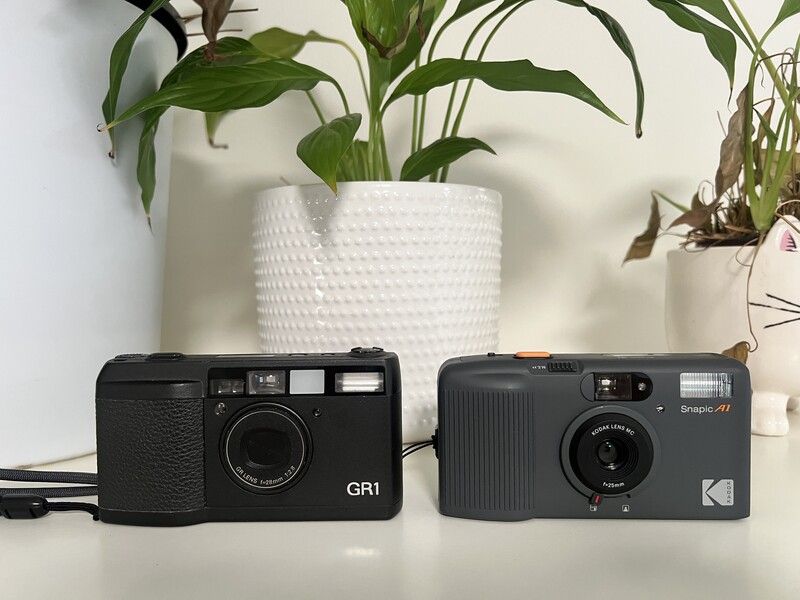
The sleek form factor of the Snapic might look a little familiar to longtime film shooters. Many have pointed out that it bears a resemblance to a classic '90s point and shoot — the Ricoh GR1. With Gen Z becoming more and more obsessed with "dupes" of luxury items, whoever made the decision to design the camera like this needs a raise.
What's the Downside?
It's not quite all good news. Despite the new bells and whistles, the Snapic is still a fairly basic camera. It has a fixed f/9.5 aperture and fixed 1/100 second shutter speed, with no way to set film speed.
This means you need to be careful when deciding which film to load. Color negative film is a good choice as it's very forgiving exposure-wise. If you're shooting indoors or in bright sunny conditions, 200-speed film is fine. More overcast or cloudy weather calls for 400-speed film.
Some have questioned the Snapic's raison d'être, saying it's just a glorified disposable. While this is true in theory, the extra bells and whistles are welcome, and there's no reason why you can't take cracking photos with the Snapic.

Why Is the Snapic So Fun?
It's not just me; I've heard other film photographers describe the Snapic in glowing terms. Here are the three main reasons why the camera appeals to me.
Light and Slim
The Snapic weighs in at just over 4 oz or 117 g. Being slim like the GR1 means it's no bother to slip it in your pants pocket or jacket, or even have it dangling around your neck. The form factor alone makes it an ideal everyday carry — and the price means you don't have to baby it like a Contax T3.
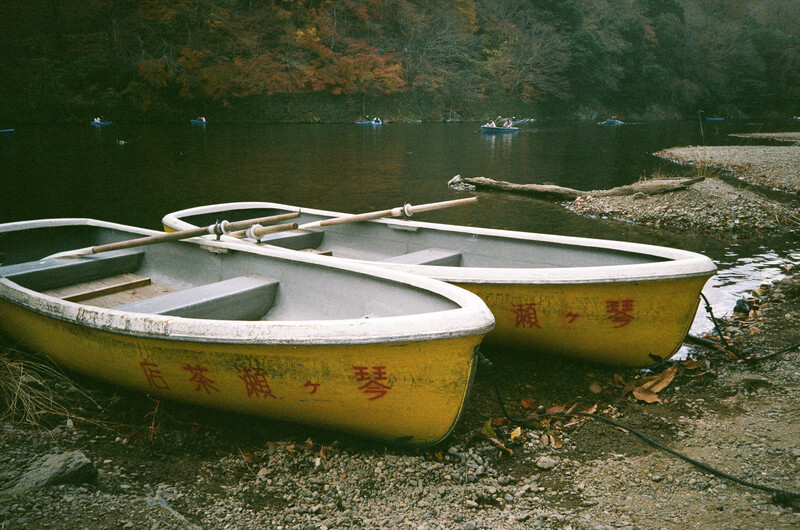
The Snapic was perfect when I was out and about doing fun activities in Japan. For example, I took it on a boat ride down the Hozugawa River in Kyoto — there's no way I would've chanced a more expensive camera for this use case.

Auto Loading, Auto Film Advancing
This may seem like a bit of an odd reason, but hear me out. Most other budget film cameras on the market have a wheel you need to turn to advance the film to the next frame. Even mid-range options like the Pentax 17, the Lomo MC-A, and the Rollei 35AF have gone with film advance levers.
When you're out and about snapping photos with the Snapic, it's liberating to take photo after photo. There's no need to take your eye away from the viewfinder, no fiddling with film advance mechanisms, just snap, snap, snap.
Double Exposures
The Snapic makes double exposures easy. Read the instruction manual and follow the prompts on the LCD panel and you'll have overlaid masterpieces (hopefully) in no time.

Let's take a look at some of the images the Snapic produces roll by roll.
Snapic Roll 1 - Fujifilm 400
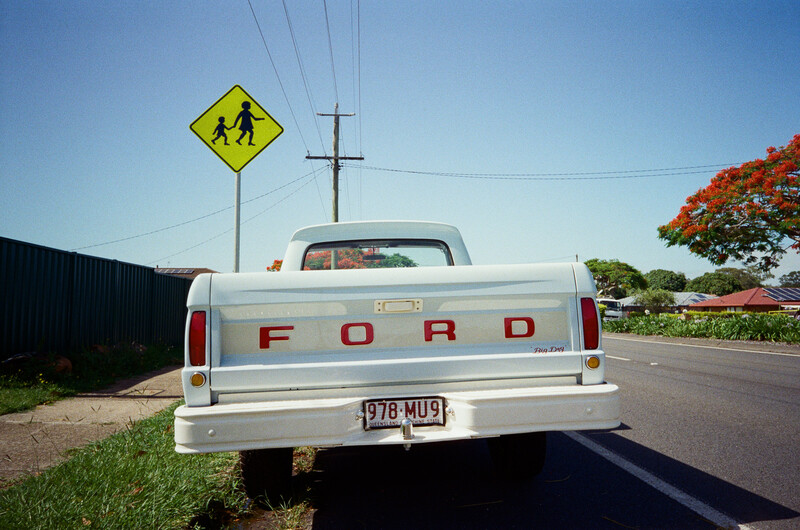
First cab off the rank was a roll of "made in the USA" Fujifilm 400. When reviewing the images, I was immediately struck by two things:
- The lens is genuinely sharp.
- The camera has a noticeable vignette, which is even stronger when using the flash.

Snapic Roll 2 - Lucky 200
Next up I gave Lucky's new 200-speed color negative film a try. Although this film doesn't seem to have quite the latitude of Fujifilm/Kodak stocks, almost every image looked well exposed.


Snapic Roll 3 - Fujifilm C200
It was then time to take the Snapic on vacation. In December, I spent 16 nights in Japan, bringing this new camera with me along with two of my more highly regarded point and shoots, the Fujifilm Klasse S and the Ricoh GR1.
I shot a series of side-by-side photos on the Snapic and the GR1, though due to inclement weather, they ended up being on different films. Despite this, I think it's an interesting comparison with how the Snapic held up against its much more fancied rival. Can you tell which is which from the image below? Watch the video below to see if you're correct.


Can you tell which image is the Ricoh GR1 shot on Kodak Ektar and which is the Kodak Snapic A1 shot on Fujifilm C200?
Snapic Rolls 4 and 5 - Fujifilm 400
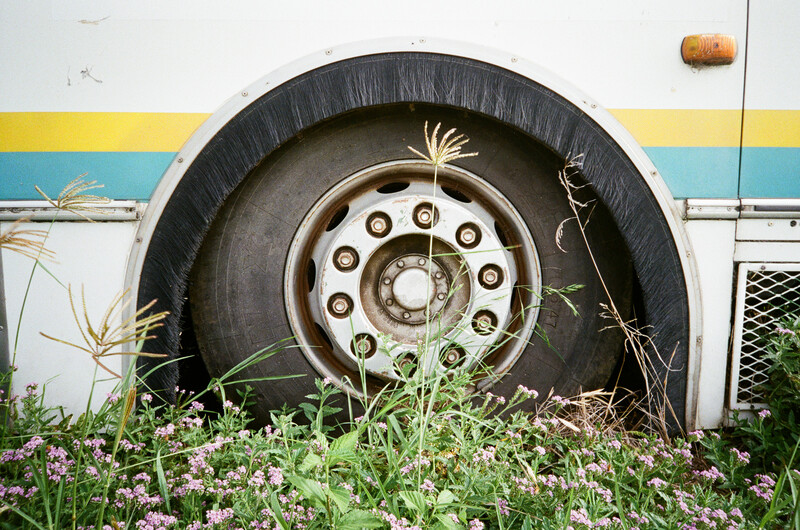
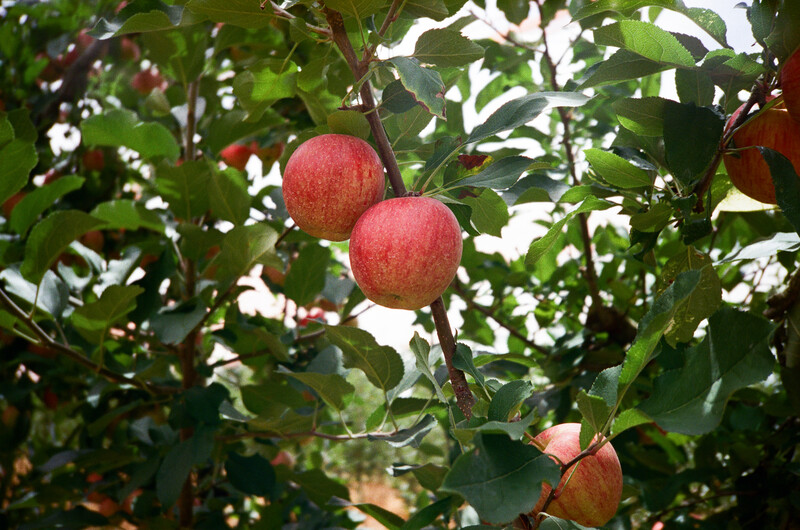
I shot rolls 4 and 5 alongside the Lomo MC-A on a road trip to Queensland's Southern Downs. Unfortunately not everything went to plan with my comparison video — my MC-A had some film transport issues, but thankfully Lomography replaced it. The Snapic continued to perform well though, with some super sharp photos.

Final Thoughts
Five rolls in, how do I feel about the Snapic? I love it.
The 3-element glass lens produces sharp results, the form factor makes it an excellent everyday carry, and there's enough creative options like flash and double exposures to keep you interested.
To top it all off, it might just be the best value film camera on the market right now, selling for around $99. I've seen other reviews write off the Snapic and steer people towards cheaper options in the Kodak/Reto stable, but for newbies, the auto film loading and rewinding alone is worth the extra money.
For more experienced users, there are a couple of nice features. The Snapic keeps the leader of the film out when it rewinds — perfect for those who develop at home. Reto have also fixed an issue which is the bane of many — the Snapic actually remembers your flash settings when you turn it off then on again.
The most exciting thing for me though is not the release of this camera — it's the possibility of what may come in the future if Reto release new models in this line. It's not too difficult to imagine future versions of the Snapic featuring more aperture and shutter speed options, or even autofocus.


Join the Fstoppers community for free
-
Post comments and join in the discussions
-
Browse the site ad-free
-
Share your work and get featured in the community
-
Compete in the photo contests for fun and prizes
No comments yet