Let’s discuss crucial errors even experienced photographers make, covering the importance of shooting in bad weather, properly setting shutter speed to optimize ISO, ensuring pin-sharp focus and depth of field, using negative exposure compensation to prevent blown highlights in backlit scenes, and much more.
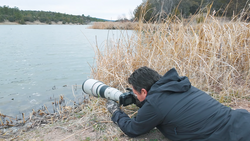
Mark Dumbleton, a leading wildlife photographer from South Africa, uses practical examples to highlight common mistakes and their solutions in wildlife photography.
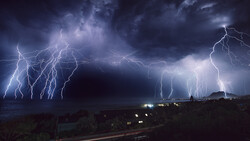
As a landscape photographer myself, I believe in the mantra that "pain is temporary, but memories are forever." Unless a situation is life-threatening, nothing should deter you from getting the shot and stepping out of your comfort zone. Mark precisely emphasizes that there’s no such thing as bad weather for a wildlife photographer. One must be prepared to take photographs in various conditions. He demonstrates this through stunning images captured during rainy weather, while many of his fellow photographers chose to stay behind.
One important insight I gained from Mark's video is the tendency for beginners to rely too much on fast shutter speeds. While it's common to instinctively increase ISO and use a wide-open aperture to achieve the fastest shutter speed possible, this approach isn’t always the best, as it comes at the cost of lower image quality due to high ISO. Experience shows that there are lower limits to the shutter speed you can use while still capturing a perfectly sharp and focused shot of an animal, especially when animals are still, and you can still get better results in camera.
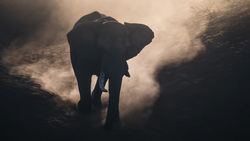
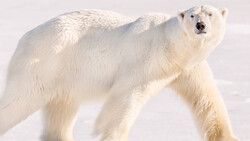
Additionally, the video addresses an important aspect of photography that applies not just to wildlife photography but to all forms: reading your histogram properly. Beginners often feel overwhelmed when they see a histogram on the back of their cameras, but it's crucial to understand it while shooting. This ensures you avoid overexposed images, particularly in backlit conditions where an animal's fur or body outline catches rim light.
Wildlife photography requires patience and an understanding of animal behavior, along with technical skills that are essential for creating inspiring and unique images. Avoiding common mistakes increases your chances of success.
Join the Fstoppers community for free
-
Post comments and join in the discussions
-
Browse the site ad-free
-
Share your work and get featured in the community
-
Compete in the photo contests for fun and prizes
2 Comments
Mujahid wrote:
"One important insight I gained from Mark's video is the tendency for beginners to rely too much on fast shutter speeds."
Agreed. Most hobby and amateur wildlife photographers have a really whacked mindset about how fast of a shutter they need. Unless you are trying to freeze subject motion, you can get great results at well below 1/100th of a second. I mean you can shoot a 600mm lens handheld and get super sharp results at 1/60th or 1/80th of a second, no problem. Yet there are extremely misguided people thinking they need to be at 1/500th or 1/1000th or whatever, They are so wrong. They miss so many of the very best opportunities because their mindset has been poisoned with this twisted thinking.
Here's one I just shot a couple hours ago, right before sunrise, at 1/60th of a second. No need for more light. No need for a faster shutter. It was plenty bright enough to get perfectly sharp images at 1600 ISO.
Thank you for sharing this gorgeous image and your point of view that confirms what Mark says.