Wildlife and Animal Photography

Animals don't take direction, wait for the light, or hold still on command — and that's exactly what makes photographing them so rewarding. From safari wildlife and birds in flight to backyard creatures and studio pet portraits, this section covers the gear, patience, and technique it takes to capture animals at their best. Expect advice on long lenses, fast autofocus, understanding animal behavior, and finding the moments that make a frame come alive.

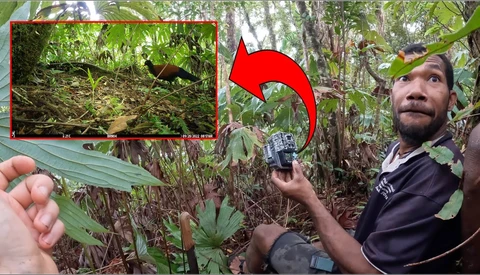
A Camera Trap Rediscovered a Bird Lost to Science for 140 Years

A motion-activated camera captured the first confirmed images of a black-naped pheasant-pigeon since 1882. The rare ground-dwelling bird, known locally as Auwo, was photographed on Fergusson Island in Papua New Guinea only two days before the expedition was scheduled to end.


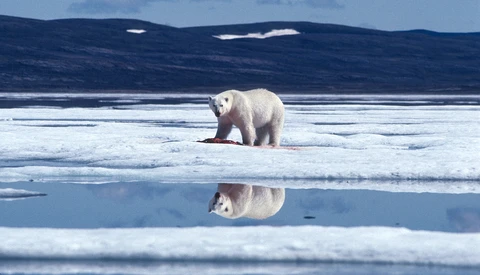
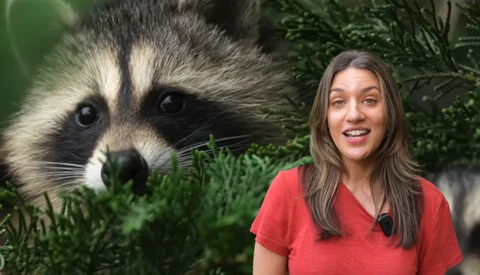
Polar Bears International: Can Photography Save the World?

Over the last two decades, polar bears have become a popular symbol for climate change. To evaluate the threat, let's consider that the scientific community has reached a consensus: if we continue our current consumption and emission patterns, certain polar bear subpopulations will very likely reach a point of no return as early as the 2030s to 2040s.

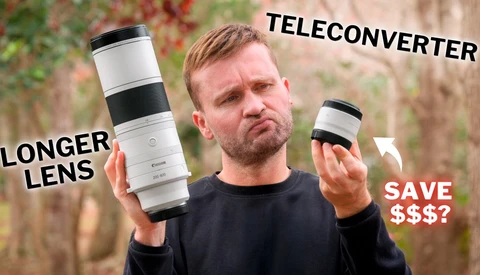
When a Teleconverter Helps and When It Wrecks Your Shot

Teleconverters split photographers into two camps: people who swear by them and people who say they wreck image quality, slow autofocus, and belong in a drawer. Both camps are right, and which one you land in comes down entirely to how you shoot. 

Researchers Warn AI Animal Videos Are Harming Real Wildlife Science and Perception

A growing wave of AI-generated animal videos is spreading across social media, and researchers say these fabricated clips are quietly reshaping how the public understands real wildlife. The concern is not just that the videos are fake, but that they present impossible or invented behavior as if it were documented fact.


A Camera Trap Just Caught One of India's Rarest Cats

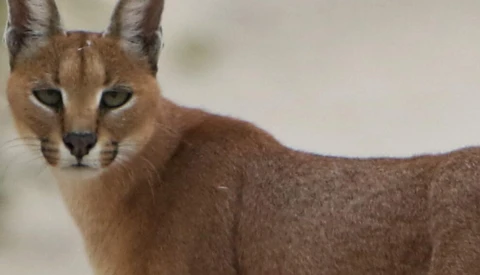
Two camera traps in Madhya Pradesh's Kuno National Park caught a lean, long-legged wildcat with black-tufted ears moving at night. The animal was a caracal, one of the least-seen wild cats in India, recorded in the same landscape where the country's cheetah reintroduction project is running.


How Your Focal Length Data Might Be Telling You to Buy a Different Lens

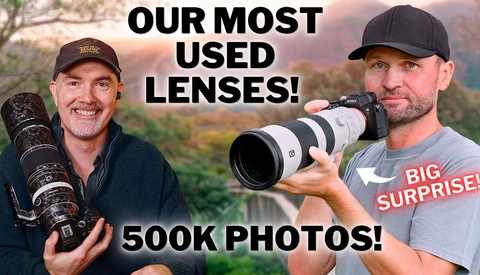
If you shoot wildlife and you've never looked at which focal lengths you actually use most, you're probably making lens decisions based on guesswork. Jan Wegener and Duade Paton did exactly that analysis, and what they found challenges some of the most common assumptions about which lenses wildlife shooters actually need. 

Photographing Urban Wildlife: First Steps Into the Wild Next Door

Wildlife photography is often associated with iconic species such as lions on the savannah, elephants crossing golden plains, or bears roaming in areas like Yellowstone National Park. These adventures are extraordinary, but they are also expensive and not always accessible to beginner photographers. 

Handholding a Telephoto Lens Wrong Is Costing You Sharp Wildlife Shots

Handholding a long telephoto lens is one of the fastest ways to come home with a memory card full of soft, blurry shots. Even small movements get amplified at long focal lengths, and if your technique is off, no amount of image stabilization will fully bail you out. 

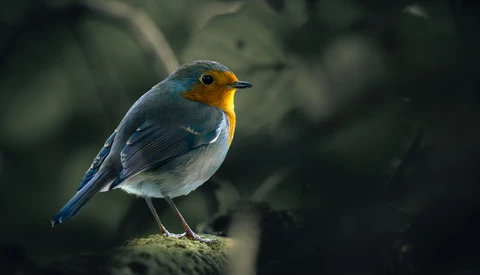
Hummingbird Photography: Lessons Learned From 10 Years Behind the Lens

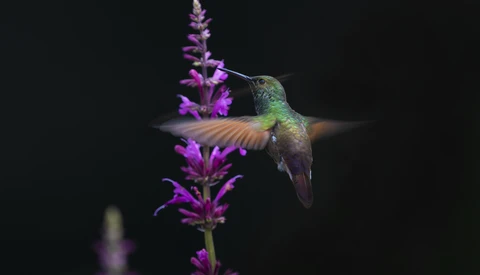
They say that bird photography is all about the gear—that as long as you turn on burst mode, you’ll be fine. While most of these statements are true, many other factors come into play when photographing birds, especially when your main subject is a hummingbird. 

Wildlife Light Mistakes That Are Ruining Your Safari Shots

When your wildlife images all start to look the same, it usually comes down to a few habits you repeat without noticing. Breaking those habits matters if you want your time in the bush to produce more than documentary shots of animals. 

Five Hidden Bird Photo Mistakes Quietly Ruining Your Best Shots

Bird images fall apart in quiet ways: lazy planning, slow reactions, and small habits that sneak softness and clutter into your frame. If you keep coming home with flat, lifeless files while others seem to nail crisp, intimate shots, these five recurring mistakes are likely right in front of you. 

7 Wildlife Photography Mistakes That Ruin Shots

Let’s discuss crucial errors even experienced photographers make, covering the importance of shooting in bad weather, properly setting shutter speed to optimize ISO, ensuring pin-sharp focus and depth of field, using negative exposure compensation to prevent blown highlights in backlit scenes, and much more. 

Exposure Mistakes: Why Most Photographers Get It Wrong

Let’s discuss the challenges of achieving the correct camera exposure and gain insights from professional photographer Mark Dumbelton on metering modes and exposure compensation techniques. By understanding how cameras interpret light—especially in wildlife photography—you can achieve an exposure that preserves the details of crucial elements in a scene. 

The 7 Principles of Exceptional Wildlife Photography

Let’s discuss the essential discipline and habits required for successful wildlife photography, as highlighted by expert photographer Mark Dumbleton. These habits of highly effective wildlife photographers are advanced photographic techniques that elevate your imagery beyond basic settings and equipment. 

Affordable Wildlife Photography Gear That Delivers

Wildlife photography doesn't have to drain your bank account, but choosing the right gear matters if you want professional-quality images without massive expenses. You probably want great shots without spending thousands on top-tier lenses and cameras, and luckily, solid options are out there. 

Operating Hands Free With Peak Design In Challenging Environments

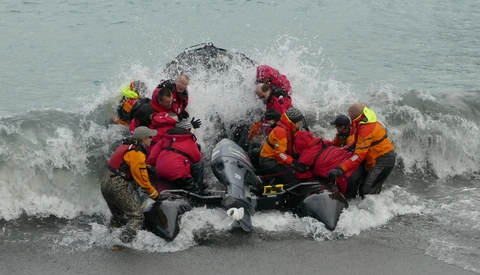
I work in some pretty extreme environments. Day to day, I'm hopping on and off boats, climbing steep grades, and walking on some very slippery surfaces. Some days we're climbing mountains or glaciers, walking on shale beaches, dodging fur seals, watching out for polar bears, or even driving zodiacs. I'm also responsible for helping my guests navigate many of these same obstacles.

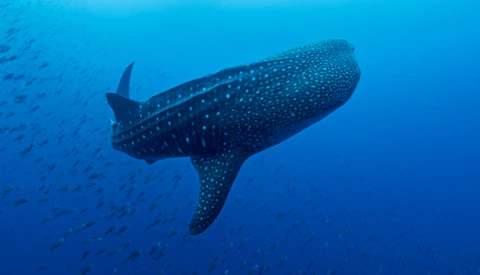
Galapagos Whale Shark Project: Can Photography Save the World?

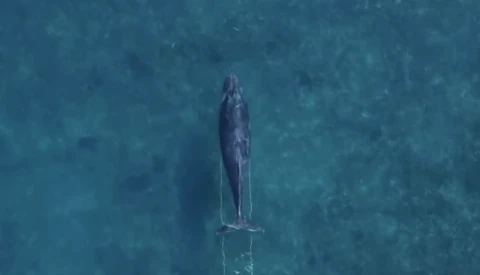
Why do we take photographs? Is aesthetic beauty the only value to photography? Can we use our tools and talents to create something with a deeper purpose? Although there are those who may disagree, objectively, our planet is in trouble. Let's consider, then, whether photography can save the world.

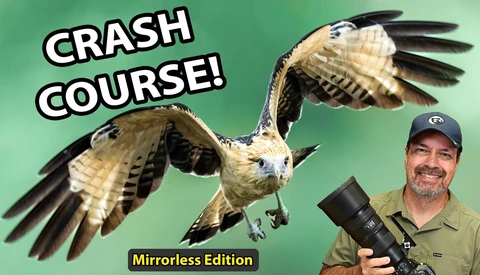
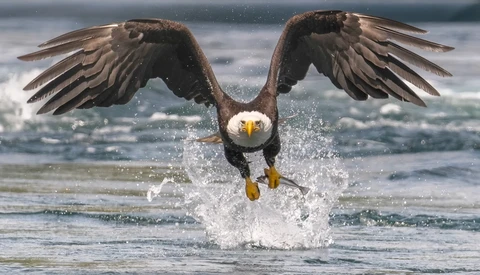
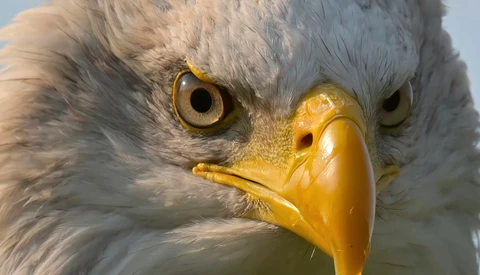
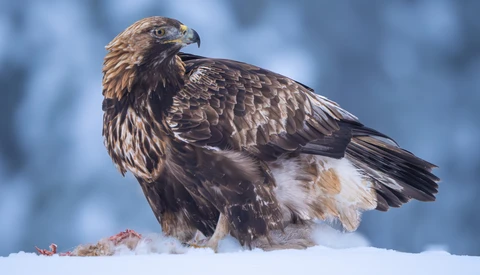
Pro Tips for Stunning Eagle Shots

Photographing eagles requires patience and precision, and understanding how to adapt quickly in changing conditions makes all the difference.  

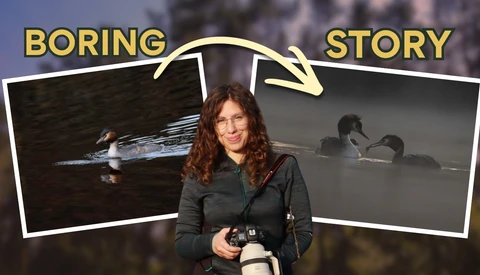
Behind Every Bird Photo Is a Story Nobody Sees

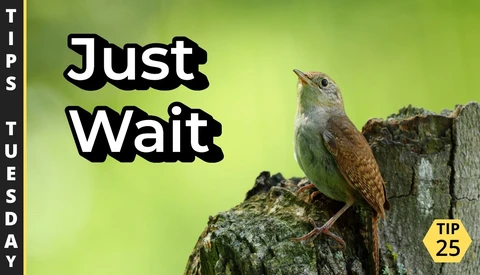
Bird photography is more complicated—and more rewarding—than you might expect. From unexpected hours spent waiting in unbearable conditions to moments where the world narrows down to you and the perfect subject, the process stretches far beyond gear and technique. 

3 Reasons Your Wildlife Photos Are Blurry and How to Fix Them

Taking sharp wildlife and bird photos isn't easy, and understanding exactly why your images aren't crisp can be frustrating. Tackling the top reasons behind blurry wildlife shots can drastically improve your work, giving you the clarity you're after and making your images pop. 

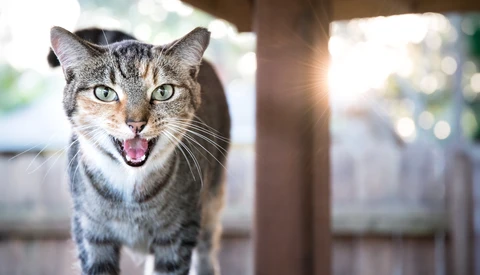
How to Shoot a Cat (and Other Living Creatures)

In my first portfolio review, my critic was drawn to the cat photos, “because I know how hard that is,” he said. I didn’t let on that it’s not so hard. I volunteer at a local shelter and have learned a trick or two. And it turns out that best practices for cats also apply to dogs, horses, birds, and, come to think of it, people. 

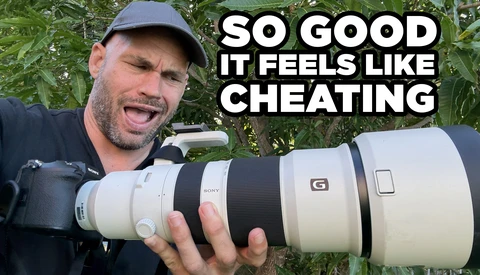
The Best Camera/Lens For Wildlife Photography Today

I've been a professional photographer for 23 years and I've never been interested in or attempted wildlife photography. All that changed when Sony sent over the a9 III and their brand-new  FE 400-800mm f/6.3-8 G OSS Lens. This gear, and this genre of photography has renewed my love for photography, but it's also got me worried.  
Poachers Posed as Wildlife Photographers to Illegally Hunt Deer

Two men in upstate New York have pleaded guilty to a wildlife poaching scheme that involved posing as a female wildlife photographer on social media. The duo used the fake profile to befriend real photographers, gaining inside information on the locations of large deer in no-hunting zones. 

Autofocus Tricks You Need to Know to Get the Hardest Shots

Autofocus has been an unfathomably large jump in user experience for photographers, but it doesn't solve all focus problems. Although it is almost always better than manual focus, it has plenty of problems that mean there is skill to mastering the use of autofocus. 

The Secret to Capturing Stunning Wildlife Photos

Finding the right location can be the difference between frustration and incredible shots. Birds and wildlife follow predictable patterns, but if you don’t know where to look, you’ll miss out.  

Why Your Wildlife Photos Look Soft (It’s Not Your Lens)

Heat haze ruins sharp images, and you might not even realize it’s happening. You can have the best lens, perfect settings, and great timing, but if you’re shooting through too much turbulent air, your images will come out soft. Wildlife photography is especially vulnerable to this problem, and if you’re shooting at long distances, the effect is even worse. 

400mm vs. 600mm: Which Telephoto Lens Should You Choose?

Wildlife photography often demands a significant investment in gear, especially when choosing between two of the most versatile telephoto lenses: the 400mm f/2.8 and the 600mm f/4. Each has its strengths, but finding the right fit depends on your shooting style, subjects, and typical distances. 

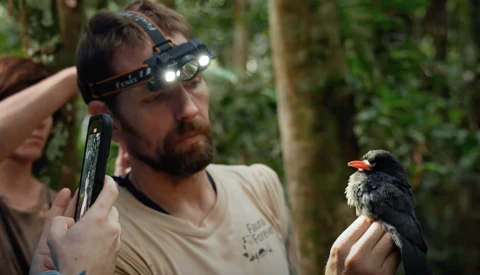
Bird Banding in the Peruvian Amazon: New YouTube Docuseries

Ever wonder what it’s like to do bird research in the Amazon jungle? 

This YouTube short series offers a glimpse into what it is like to be a biologist in the Amazonian jungles of Peru. Follow each team of biologists as they describe what their day-to-day work looks like in a remote jungle. Learn how to join the team yourself and how to get started.

Don't Fall for the Lies That 'Real' Photographers Want to Tell You

The best thing about the internet is that there are so many sources of photography education out there. The worst thing about the internet is... that there are so many sources of photography education out there. So how do you sort facts from lies told so often that they’ve acquired the status of fact? 

Essential Tips for Shooting Wildlife in Wet Weather

Wildlife photography in the rain offers opportunities you won't find in fair weather. The atmospheric mood, unusual animal behaviors, and transformative effect of rain on landscapes can make your images stand out. Beyond the challenges of staying dry, rain brings scenes to life in ways that fair weather simply cannot, adding depth and story to your photos. 

The One Time a Photographer Should Be Mean

Are you kind? That sounds like an odd question to ask in a photographic article, but it impacts your work profoundly. However, there is one circumstance where you should be mean to other photographers.