Not long ago, "hybrid" was a polite way of saying a camera did two jobs and neither one well. That is over. The bodies in this guide shoot 45-megapixel raw stills at 20 frames per second and internal raw video in the same afternoon, and the compromises that used to define the category have shrunk to the point where most working photographers no longer keep a separate cine body at all. The decision is no longer whether a camera can do both. It is which of two very good things you want it to be slightly better at.
Three things decide a hybrid purchase in 2026, and none of them is megapixel count. The first is sensor readout speed, because a fast stacked or partially stacked sensor kills the rolling-shutter skew that ruins pans and fast action. The second is how deep the video toolkit runs: internal raw, open-gate capture, 4K at 120p, and how long the body records before it overheats. The third is the part spec sheets hide, which is whether the camera is pleasant to shoot stills with once you have set it up for video. We have organized the picks around who you actually are, from the photographer who films weddings on the side to the solo creator who lives in video and shoots the occasional frame. Prices below are current B&H figures for the body only and move often, so treat them as a snapshot.
At a Glance
- Best Overall Hybrid: Nikon Z8
- Best Full Frame Hybrid for Most People: Canon EOS R6 Mark III
- Best for Video-Leaning Shooters: Panasonic Lumix S1 II
- Best Hybrid for Stills-First Shooters: Sony a7 V
- Best APS-C Hybrid: Fujifilm X-H2S
- Best Value Hybrid: Panasonic Lumix S5 IIX
- Best Cine-Style Hybrid: Canon EOS C50
- Best for Solo Video Creators: Nikon ZR
Best Overall Hybrid: Nikon Z8
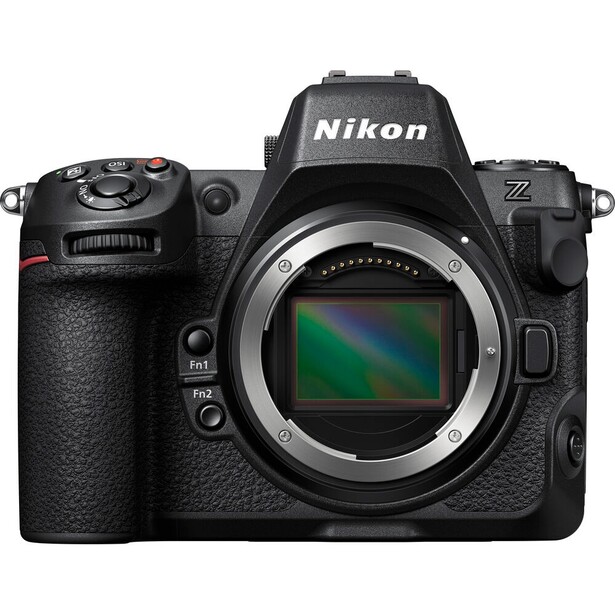
- Sensor: 45.7 MP stacked BSI CMOS full frame
- Continuous shooting: 20 fps raw, up to 30 fps JPEG, 120 fps at 11 MP
- Video: 8.3K/60p N-RAW and 8K UHD/30p internal, 4K/120p, internal ProRes RAW HQ
- Stabilization: 5-axis in-body VR, up to 6 stops
- Viewfinder: 3.69m-dot OLED
- Card slots: 1x CFexpress Type B/XQD, 1x UHS-II SD
- Weight: 910 g with battery and card
- Price: $3,696.95 (B&H)
The Z8 wins this category because it refuses to pick a side. It is a genuine Z9 in a smaller body, with the same 45.7-megapixel stacked sensor and EXPEED 7 processor, which means it shoots stills like a sports camera and video like a cinema tool without asking you to accept a weak version of either. The stacked sensor reads out fast enough that rolling shutter is a non-issue for both, so you can pan across a moving subject in video or fire a silent 20 fps raw burst without the skew that betrays cheaper hybrids.
On the stills side it is a wildlife and event photographer's camera first. When we shot with it after years on Sony bodies, the thing that stood out was how little the camera asked of us: subject detection covers people, animals, vehicles, and aircraft, and the eye-tracking sticks through erratic movement in a way that lets you concentrate on framing. The 45.7-megapixel files hold enormous crop latitude, and the mechanical-shutter-free design means the only moving part is the sensor's electronic readout, so there is nothing to wear out or slap at speed. Switch the top toggle to video and the same body records 8.3K N-RAW internally and ProRes RAW HQ, with 4K/120p for slow motion, and the record times are long enough that overheating rarely enters the conversation in normal use.
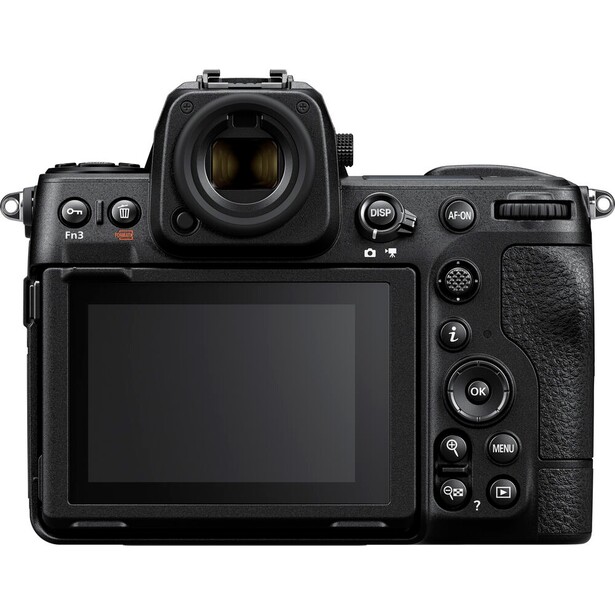
The honest limitation is size and file weight. At 910 g it is closer to a small pro body than to the compact full frame hybrids further down this list, and 45.7-megapixel raw files plus 8K N-RAW clips will fill CFexpress cards and hard drives faster than you expect. There is no built-in flash and no fully articulating screen in the vlogging sense, since the tilt mechanism favors a photographer at eye level rather than a creator filming themselves. For the working shooter who needs one camera to cover a paid photo job and a paid video job with no asterisks, nothing here does it more completely. If your work genuinely spans both disciplines at a professional level, check the current price of the Nikon Z8 at B&H.
Read our full review: Trying Nikon After Again After 7 Years With Sony
What We Like
- Z9 sensor and processor in a smaller, cheaper body
- Stacked readout eliminates rolling shutter for stills and video
- Internal 8.3K N-RAW and ProRes RAW HQ with long record times
- Subject detection that holds through fast, unpredictable action
What Could Be Better
- Large and heavy next to compact full frame rivals
- 45.7 MP raw and 8K files demand fast cards and big storage
- Tilting screen is built for photographers, not self-filming
Best Full Frame Hybrid for Most People: Canon EOS R6 Mark III
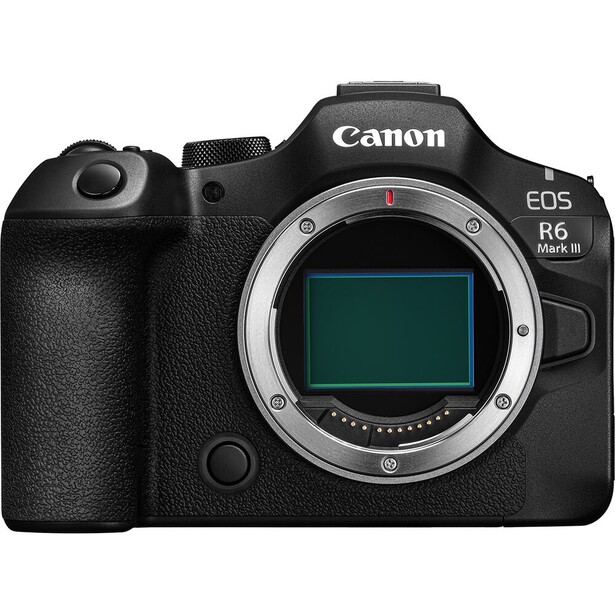
- Sensor: 32.5 MP full frame CMOS
- Continuous shooting: 40 fps electronic, 12 fps mechanical, with pre-capture
- Video: 7K/60p raw internal, open-gate 7K/30p, 4K/120p, Canon Log 2
- Stabilization: up to 8.5 stops coordinated IS
- Viewfinder: 3.69m-dot OLED
- Card slots: 1x CFexpress Type B, 1x UHS-II SD
- Weight: 699 g with battery and card
- Price: $2,799 (B&H)
The original R6 line built its reputation on being the sensible full frame Canon, and the R6 Mark III is the version that finally closes the gap to the flagships on video without losing what made it easy to recommend. Canon bumped the sensor to 32.5 megapixels, added internal 7K raw capture and open-gate recording, and kept the body under 700 g. For a photographer whose paid work is 70 percent stills and 30 percent client video, this is the camera that handles both without feeling like a specialist tool you have to fight.
Autofocus is the reason people buy Canon, and Dual Pixel CMOS AF II remains the most intuitive system in the class for a shooter coming from stills into video. When we reviewed the body alongside Canon's 45mm f/1.2 STM, it tracked eyes and faces with a confidence that makes handheld interview work forgiving, and the 40 fps electronic burst with pre-capture means you rarely miss the peak of an action sequence. Canon carried over the familiar 3.69m-dot viewfinder rather than upgrading it, but the up to 8.5 stops of coordinated stabilization make handheld low-light stills and locked-off video genuinely usable without support.
What holds it a step below the Z8 is resolution headroom and the way the video features tax the body. At 32.5 megapixels it gives up cropping latitude to the Nikon, and pushing the highest-bitrate 7K raw modes brings record-time limits and heat management back into the conversation on long takes. For most people that ceiling is theoretical, since the everyday 4K and open-gate modes run cool and long. The buyer this suits is the wedding, event, or portrait photographer who is being asked for video more often and wants a familiar Canon body that will not embarrass them when they say yes. If that is you, check the current price of the Canon EOS R6 Mark III at B&H.
Read our full review: Canon EOS R6 Mark III: Midrange Powerhouse for 2025
What We Like
- Dual Pixel CMOS AF II is the friendliest system for stills shooters moving into video
- Internal 7K raw and open-gate capture in a sub-700 g body
- Up to 8.5 stops of coordinated in-body stabilization
- 40 fps burst with pre-capture for action
What Could Be Better
- 32.5 MP gives up cropping room to higher-resolution rivals
- Top raw modes bring record limits and heat into play on long takes
- RF mount still limits affordable third-party lens choice
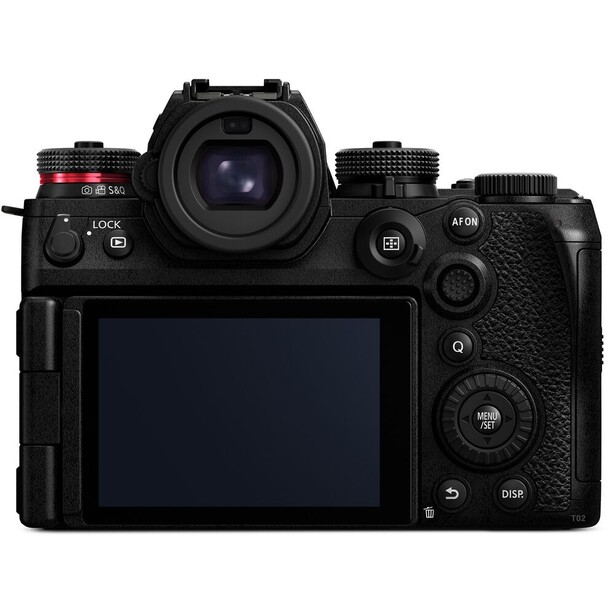
Best for Video-Leaning Shooters: Panasonic Lumix S1 II
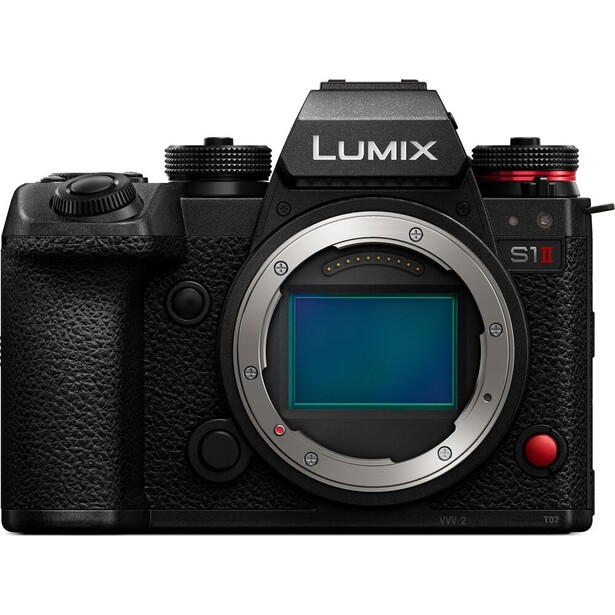
- Sensor: 24.1 MP partially stacked BSI CMOS full frame
- Continuous shooting: up to 70 fps electronic with autofocus
- Video: 5.9K/60p, open-gate 6K/30p, 5.1K/60p, 4K/120p, internal ProRes RAW
- Stabilization: up to 8 stops in-body
- Viewfinder: 5.76m-dot OLED
- Card slots: 1x CFexpress Type B, 1x UHS-II SD
- Weight: 795 g with battery and card
- Price: $2,897.99 (B&H)
Panasonic has always built the deepest video toolkit of any stills-camera maker, and the S1 II is where that reputation finally meets an autofocus system good enough to trust. The new 24.1-megapixel partially stacked sensor reads out fast, which brings open-gate 6K capture, 5.1K at 60p, 4K at 120p, and internal ProRes RAW to a body you can still shoot photos with. For the creator whose income is video first and stills second, no other body here hands you this much filmmaking hardware.
The feature that sells it is open gate. Recording the full 3:2 sensor area lets you deliver a horizontal edit and a vertical social cut from a single take, reframing in post instead of shooting everything twice, and Panasonic's implementation here reaches 6K. When we reviewed it, we came away calling it the best hybrid video camera in the world with one significant flaw, and the toolkit is why the first half of that verdict holds: waveform monitors, real-time LUT application, and the exposure tools video shooters expect, all in a body that takes a stills lens. The up to 8 stops of stabilization make handheld gimbal-free shooting realistic, and the 5.76m-dot finder is excellent for the moments you do raise it to your eye.
The catch is that Panasonic still trails Canon, Nikon, and Sony on autofocus for the most demanding stills work. The phase-hybrid system is a large step up from the contrast-based approach of older Lumix bodies and holds subjects well in video, but for fast, erratic action photography it is not the first camera we would reach for. At 800 g it is also no lightweight. If your work is filming with occasional photography, and you value open gate and internal raw over the last few percent of autofocus tracking, check the current price of the Panasonic Lumix S1 II at B&H. Also consider the Panasonic Lumix S5 IIX below if you want most of the video toolkit for a good deal less money.
Read our full review: Lumix S1 II, The World's Best Hybrid Video Camera With 1 Major Flaw
What We Like
- Open-gate 6K capture for simultaneous horizontal and vertical delivery
- Internal ProRes RAW and a deep, pro-grade video toolkit
- Up to 8 stops of stabilization for handheld work
- Excellent 5.76m-dot viewfinder
What Could Be Better
- Autofocus still trails rivals for fast action stills
- Heavier than most compact full frame hybrids
- L-mount lens catalog is smaller than Sony's or Canon's
Best Hybrid for Stills-First Shooters: Sony a7 V
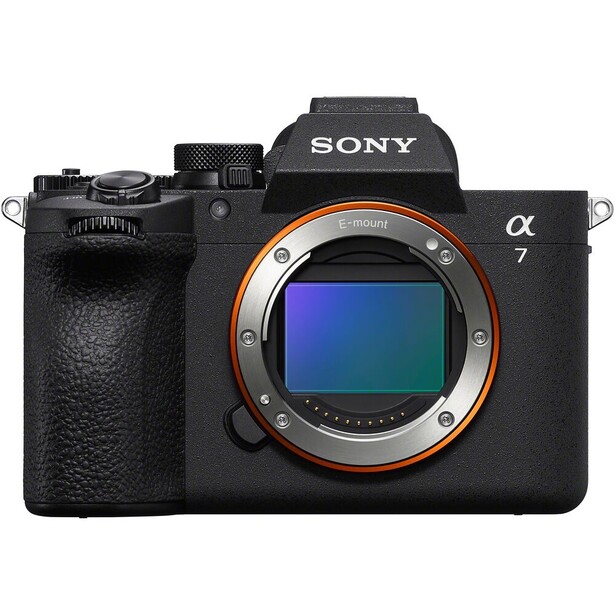
- Sensor: 33 MP partially stacked Exmor RS BSI CMOS full frame
- Continuous shooting: up to 30 fps blackout-free electronic
- Video: 4K/60p oversampled from 7K, 4K/120p in a Super 35 crop, 10-bit 4:2:2
- Stabilization: up to 7.5 stops in-body
- Viewfinder: 3.69m-dot OLED
- Card slots: 2x CFexpress Type A / SD
- Weight: 695 g with battery and card
- Price: $2,898 (B&H)
The a7 V is the do-everything E-mount body that leans, just slightly, toward the photographer. Its new 33-megapixel partially stacked sensor sits between the resolution of the outgoing a7 IV and the speed of the stacked flagships, and Sony's AI-driven autofocus is still the benchmark the rest of the industry chases. If you shoot mostly stills and want video that never lets you down when a client asks, this is the camera that makes the fewest demands on you to learn a second discipline.
Autofocus is the headline. Its AI-based processing recognizes human pose and movement, not just eyes, so tracking holds when a subject turns away or is momentarily obscured, and the 30 fps blackout-free burst captures sequences that used to require a dedicated sports body. We spent a week shooting it in Aruba, across harsh midday sun, water, and moving subjects, and the hit rate on portraits and candid frames was the thing we kept coming back to. On the video side the a7 V oversamples 4K/60p from 7K for genuinely crisp footage, adds 4K/120p in a Super 35 crop, and gives you 10-bit 4:2:2 internally, which is more than enough for most commercial and social delivery. The deep E-mount catalog, including a wall of affordable Sigma, Tamron, and Viltrox glass, remains the strongest argument for buying Sony at all.
The compromises are on the video-purist side of the ledger. The 4K/120p mode carries a Super 35 crop rather than using the full width, and the partially stacked sensor, while fast, does not match the near-zero rolling shutter of the fully stacked Z8 for the most demanding pans. Sony also still asks you to live with menus that reward memorization. For the stills-first shooter who wants the best autofocus on the market and video that quietly overdelivers, check the current price of the Sony a7 V at B&H.
Read our full review: Sony a7 V Real-World Review: One Week in Aruba
What We Like
- Class-leading AI autofocus for stills and video
- Balanced 33 MP resolution with 30 fps burst speed
- Oversampled 4K/60p and 10-bit 4:2:2 internal capture
- The deepest affordable lens ecosystem of any pick here
What Could Be Better
- 4K/120p is limited to a Super 35 crop
- No internal raw video
- Menu system still has a learning curve
Best APS-C Hybrid: Fujifilm X-H2S
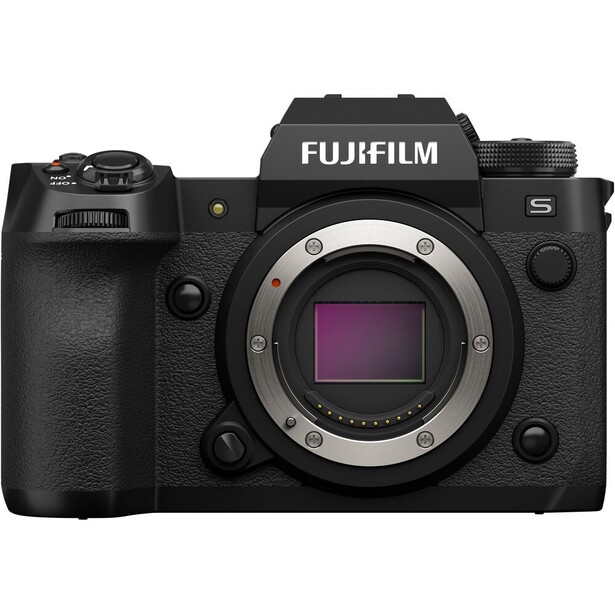
- Sensor: 26.1 MP APS-C stacked BSI X-Trans CMOS 5 HS
- Continuous shooting: 40 fps electronic, 15 fps mechanical
- Video: 6.2K/30p, 4K/120p, 10-bit 4:2:2 internal, internal ProRes, F-Log2
- Stabilization: up to 7 stops in-body
- Viewfinder: 5.76m-dot OLED
- Card slots: 1x CFexpress Type B, 1x UHS-II SD
- Weight: 660 g with battery and card
- Price: $2,899 (B&H)
If you want stacked-sensor speed without the size and cost of full frame, the X-H2S is still the APS-C hybrid to beat. Its 26.1-megapixel stacked X-Trans sensor gives it the fast readout that the rest of the crop-sensor field lacks, which shows up as clean 40 fps bursts, minimal rolling shutter, and 4K/120p video from a body that weighs 660 g. Fujifilm also gave it a proper video spine: 6.2K internal capture, 10-bit 4:2:2, internal ProRes, and F-Log2 for grading latitude. We have not run this one through a full Fstoppers review, so what follows is grounded in Fujifilm's current specifications and the camera's documented design.
What makes it a real hybrid rather than a video body with a stills mode is that it handles action photography. The stacked sensor and X-Processor 5 drive subject-detection autofocus for birds, animals, and vehicles, and the 40 fps electronic burst with a deep buffer makes it a credible wildlife and sports camera at a fraction of the flagship price. The tracking does not match Sony's, but it locks onto subjects and holds them well enough for paid work. Fujifilm's film simulations carry over too, so the footage and the stills come off the card with a finished look that saves grading time on quick-turnaround work. The X-mount lens catalog is deep and characterful, with strong, affordable primes that suit the body's size.
Two things temper the recommendation. The APS-C sensor gives up low-light headroom and shallow-depth control to the full frame picks, so it is not the camera for dim receptions or the dreamiest background separation. More pressing, the X-H2S has been on the market since 2022, supply has grown uneven, and it sits late in its product cycle, so you are buying near the end of a run. That is fine if you want a proven, discounted body and do not need the newest thing. For the crop-sensor shooter who wants flagship speed and serious video in one light package, check the current price of the Fujifilm X-H2S at B&H. Also consider the Sony a6700 if you want a more current body and Sony's autofocus in a smaller shell.
What We Like
- Stacked APS-C sensor with genuinely fast readout
- 40 fps bursts and subject-detection tracking for wildlife and sports
- 6.2K internal video, ProRes, and F-Log2 in a 660 g body
- Film simulations that finish stills and footage in camera
What Could Be Better
- Smaller sensor gives up low-light and background blur
- Late in its product cycle after a 2022 launch
- Supply has become uneven at some retailers
Best Value Hybrid: Panasonic Lumix S5 IIX
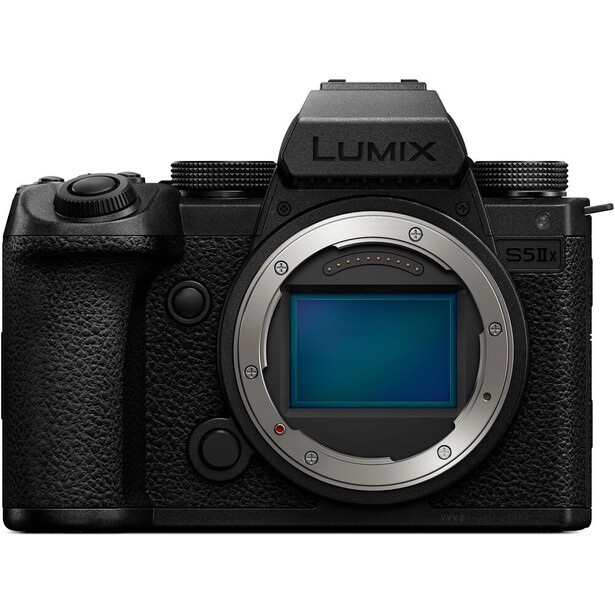
- Sensor: 24.2 MP full frame CMOS
- Continuous shooting: up to 30 fps electronic, 9 fps mechanical
- Video: open-gate 6K/30p, C4K/4K/60p 10-bit, internal All-Intra, raw over HDMI, USB-SSD recording
- Stabilization: up to 6.5 stops with Dual I.S. 2
- Viewfinder: 3.68m-dot OLED
- Card slots: 2x UHS-II SD
- Weight: 740 g with battery and card
- Price: $1,897.99 (B&H)
The S5 IIX is the smart-money hybrid, the body that gives you most of what the S1 II does for meaningfully less. It is the video-loaded, blacked-out version of the S5 II, built on the same 24.2-megapixel full frame sensor and the phase-hybrid autofocus that finally made Panasonic competitive for tracking. For a creator on a budget who films more than they shoot, it is the most video capability per dollar in the guide. We have not put this specific variant through a full Fstoppers review, so the assessment below rests on Panasonic's current specifications and its shared hardware with the S5 II.
The IIX badge adds the professional recording features that video shooters actually use: internal All-Intra codecs, open-gate 6K, raw output over HDMI to an external recorder, direct recording to a USB SSD so you are not burning through expensive cards, and IP streaming. None of that costs you the stills experience, because the S5 IIX is a perfectly good 24-megapixel photo camera with dual SD slots, up to 6.5 stops of stabilization, and a clean, logical menu system that shames some of its rivals. The full frame sensor also gives it low-light performance the APS-C pick cannot match.
The tradeoffs are the ones you expect at this price. The sensor is not stacked, so rolling shutter appears on fast pans and the electronic-shutter burst is best reserved for static subjects, and 4K/60p comes with a Super 35 crop. Autofocus, while much improved, is a notch below Sony and Canon for the hardest action. For a hybrid shooter who wants full frame, a deep video toolkit, and the freedom to record to an SSD without paying flagship money, check the current price of the Panasonic Lumix S5 IIX at B&H.
What We Like
- Most video capability per dollar of any pick here
- Internal All-Intra, open-gate 6K, and direct USB-SSD recording
- Full frame low-light performance with clean menus
- Dual SD slots keep media costs down
What Could Be Better
- Non-stacked sensor shows rolling shutter on fast pans
- 4K/60p carries a Super 35 crop
- Autofocus trails Sony and Canon for the hardest action
Best Cine-Style Hybrid: Canon EOS C50
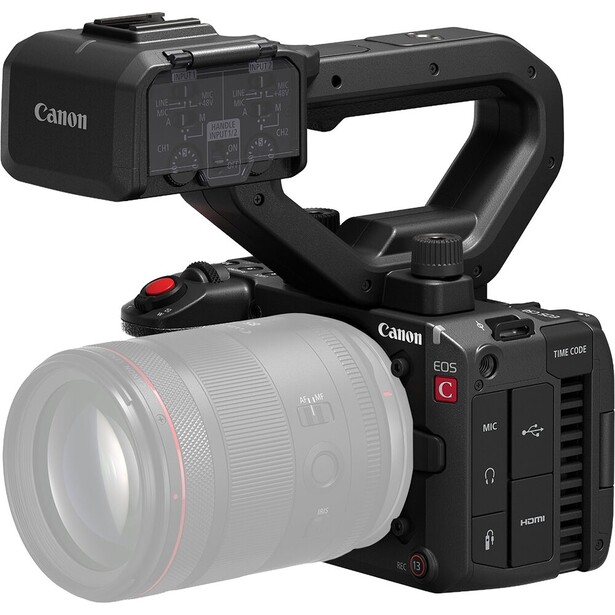
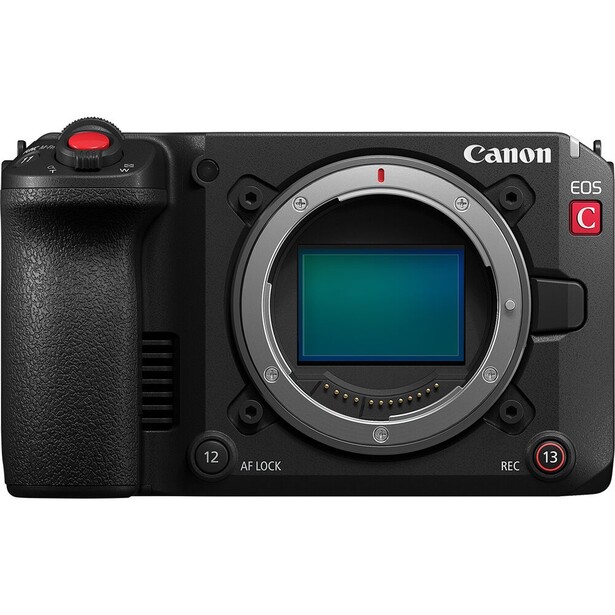
- Sensor: 7K full frame CMOS, 32 MP stills
- Continuous shooting: up to 40 fps electronic with pre-capture, 20 fps high speed, 5 fps low speed
- Video: 7K/60p Cinema RAW Light internal, open-gate 3:2, 4K/120p, Canon Log 2
- Stabilization: electronic, coordinated with lens IS (no IBIS)
- Viewfinder: none, rear touchscreen only
- Card slots: 1x CFexpress Type B, 1x SD
- Weight: 665 g body only
- Price: $3,699 (B&H)
Shrink a cinema camera far enough and it starts to double as a stills body. That is the C50, Canon's smallest and lightest Cinema EOS model, built around a new 7K full frame sensor that records 7K/60p Cinema RAW Light internally, shoots 3:2 open gate, and still captures 32-megapixel stills in photo mode. For the shooter whose heart is in filmmaking but who occasionally needs a real photograph, this is the rare cine body that does not treat stills as an afterthought. We tested the C50 on a couple of shoots, where it handled a few hours of 7K open gate work without overheating, and the rest of this entry comes from Canon's current specifications.
What you get over a mirrorless hybrid is a body designed around video ergonomics from the start. The dual base ISO of 800 and 6400 holds clean footage across a huge exposure range, Canon rates it at 15-plus stops of dynamic range in Canon Log 2, and the detachable top handle brings two XLR inputs and physical audio controls that a stills-shaped body simply cannot house. The RF mount opens the full Canon lens catalog, and EF and PL adapters make it a viable B-camera on larger productions. Both card slots record simultaneously even in raw, which matters when you cannot reshoot.
The limitations are the flip side of its cinema focus. There is no in-body stabilization, so you lean on lens IS, a gimbal, or a tripod, and there is no electronic viewfinder, which means composing on the rear screen in bright sun can be a struggle without a loupe or external monitor. The stills mode is capable but built around a video interface, so it is not the camera for a fast-moving photo assignment. For the video-first professional who wants cinema features and internal raw in a body that can also shoot a proper 32-megapixel frame, check the current price of the Canon EOS C50 at B&H.
What We Like
- Internal 7K/60p Cinema RAW Light and open-gate 3:2 capture
- Dual base ISO and 15+ stops of gradeable dynamic range
- Detachable handle with dual XLR inputs and real audio controls
- Full 32 MP stills in a true cinema body
What Could Be Better
- No in-body stabilization
- No electronic viewfinder
- Stills mode is built around a video interface
Best for Solo Video Creators: Nikon ZR
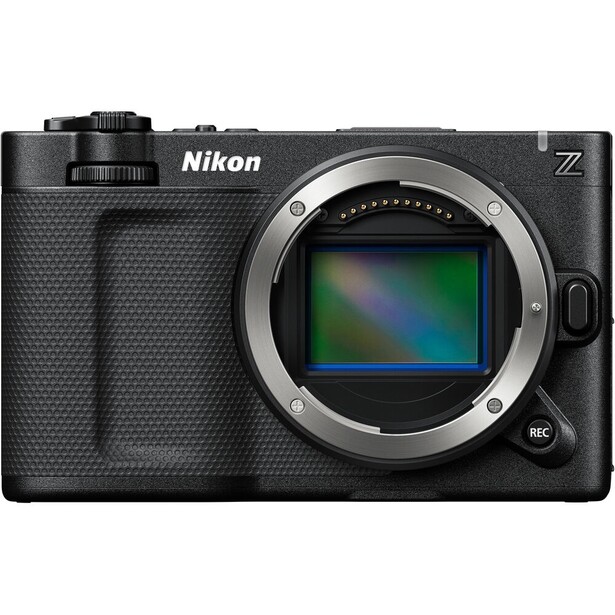
- Sensor: 24.5 MP partially stacked full frame CMOS
- Continuous shooting: 20 fps electronic (extended high speed), plus 30, 60, and 120 fps frame-capture modes
- Video: 6K/60p internal R3D NE raw, 4K/120p, dual base ISO 800 and 6400
- Stabilization: up to 7.5 stops in-body
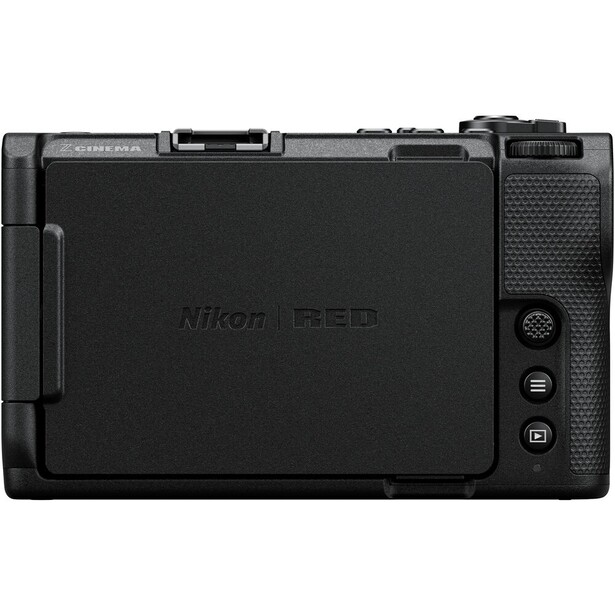
- Viewfinder: none, 4.0-inch vari-angle touchscreen only
- Card slots: 1x CFexpress Type B, 1x microSD (UHS-I)
- Weight: 540 g body only
- Price: $2,196.95 (B&H)
The ZR is the first camera born from Nikon's ownership of RED, and it aims squarely at the solo creator who lives in video. It pairs the 24.5-megapixel partially stacked sensor and EXPEED 7 processor from the Z6 III with RED's color science and the R3D NE raw codec, so you get internal 6K/60p raw and a genuinely cinematic image out of a body that weighs 540 g. This is the compact video tool for the person shooting alone, most often on a gimbal, who wants a professional pipeline without a professional-sized rig.
It is built for the way solo creators actually work. There is no viewfinder, and in its place sits a huge 4-inch, 1,000-nit DCI-P3 touchscreen you can see outdoors and flip to face yourself, which in our hands-on time was the single feature that most changed how we shot. It is the world's first cinema camera with 32-bit float audio recording, built in and external, which effectively removes the risk of clipping or losing dialogue when you are running the shoot single-handed and cannot ride levels. Up to 7.5 stops of in-body stabilization smooths handheld work, and RED's LUTs give footage a finished, gradeable look straight out of the camera. It shoots stills too, sharing the Z6 III's sensor, though that is clearly the secondary job.
The compromises define who it is not for. There is no EVF at all, so bright-day stills composition is awkward, and the microSD second slot is a step down from the dual full-size media the cine crowd expects. The single CFexpress slot handles the raw duties, but the ZR is unapologetically a video-first body, and photographers who want a true dual-discipline hybrid should look higher up this list. For the solo shooter, the run-and-gun documentarian, or the creator who needs RED color and internal raw in a pocketable body, check the current price of the Nikon ZR at B&H. Also consider the Nikon Z6 III if you want the same sensor in a conventional hybrid with a viewfinder and a mechanical shutter.
Read our full review: Nikon ZR Cinema Camera: First Impressions
What We Like
- Internal 6K/60p R3D NE raw with RED color science
- World's first cinema camera with 32-bit float audio
- Huge, bright 4-inch screen built for self-filming
- 540 g body with up to 7.5 stops of stabilization
What Could Be Better
- No electronic viewfinder
- microSD second slot instead of dual full-size media
- Stills are clearly the secondary function
How to Choose a Hybrid Camera
Start by being honest about your ratio. A camera that is 80 percent about stills and 20 percent about video points you toward the Sony a7 V or Canon R6 Mark III, where the photo experience leads and video overdelivers quietly. Flip that ratio and the Panasonic bodies, the Canon C50, and the Nikon ZR make more sense, because they were designed around video ergonomics and codecs first. The mistake is buying a video-first camera because the spec sheet dazzled you, then discovering it is clumsy for the photography that actually pays your bills. If video turns out to be a rare favor rather than a real part of the job, you are paying for hardware you will not use, and our best cameras for photography guide is the better place to start. If the prices here are simply out of range, our best budget cameras guide covers what you give up under $1,000.
The spec that matters more than people think is sensor readout speed. A stacked or partially stacked sensor reads the frame fast enough to suppress rolling shutter, which is the skew that bends vertical lines during a pan and warps fast-moving subjects. It is the single biggest difference between a hybrid that feels professional in motion and one that betrays its price the moment the camera or subject moves quickly. The Z8 and X-H2S use fully stacked sensors, the R6 Mark III, a7 V, S1 II, and ZR use partially stacked designs, and the S5 IIX and C50 use conventional sensors, which is why the S5 IIX sits where it does on price.
The spec that matters less than the marketing suggests is peak resolution. Once you are past roughly 24 megapixels, more resolution mostly fills cards and drives faster, and for video almost everything ends up as a 4K or 6K deliverable regardless of sensor count. Pay more attention to codecs and workflow. Internal raw and open gate change how you edit and reframe, 10-bit 4:2:2 gives you grading latitude, and the ability to record to an SSD or an external recorder saves real money over a camera's life. Then weigh the boring, decisive factors: overheating on long takes, battery life, whether the lens system you can afford has the glass you need, and whether the body is comfortable enough that you will actually carry it.
What We're Looking For
Our picks weigh how well a camera serves both disciplines at once rather than how it scores in either alone: sensor readout speed and rolling-shutter control, the depth and practicality of the video toolkit, autofocus reliability across stills and motion, record times and heat behavior, and whether the body is genuinely pleasant to shoot photos with after it has been set up for video. Every specification here was verified against current manufacturer and retailer sources at the time of writing, and prices are the current B&H figure for the body only. Where we have put a camera through a full hands-on Fstoppers review we link it; two of these bodies, the X-H2S and the S5 IIX, we have researched thoroughly rather than tested in the studio, and we say so rather than imply testing we have not done.
Frequently Asked Questions
What makes a camera a good hybrid rather than just a stills or video body?
A good hybrid does both jobs without a meaningful penalty in either. In practice that means a fast sensor readout to control rolling shutter, a deep video toolkit like internal raw or open gate alongside strong burst shooting and autofocus for stills, sensible heat management on long takes, and controls that let you switch between the two without fighting the menus. A camera that is excellent at one and merely acceptable at the other is not a true hybrid.
Do I need internal raw video?
Most people do not. Internal raw formats like N-RAW, ProRes RAW, and Cinema RAW Light give the most grading latitude and the cleanest path to color work, which matters for commercial and cinema jobs. For social content, events, and most client video, 10-bit 4:2:2 in a log profile is plenty and produces far smaller, easier-to-edit files. Buy raw capability if your paid work demands it, not because the spec sheet lists it.
Is a full frame hybrid better than an APS-C one?
Full frame wins for low-light performance and shallow depth of field, which is why most picks here use it. APS-C bodies like the Fujifilm X-H2S are smaller, lighter, and cheaper, and a stacked APS-C sensor can outrun a slower full frame one for action. If you shoot dim receptions or want the creamiest background separation, choose full frame. If size, reach, and budget matter more, a strong APS-C hybrid gives up less than you would expect.
Will a hybrid camera overheat during long video takes?
It depends on the mode. Everyday 4K recording runs cool and long on every pick here, but the highest-bitrate raw and 8K modes generate real heat, and record times shorten in warm conditions. If your work involves long, uninterrupted takes, prioritize a body with active cooling or a proven record-time record, and test the specific mode you plan to use before you rely on it for a paid job.
Fstoppers may earn a commission from purchases made through links in this article. Our picks are made independently by our editorial team.