A print is the only place your photography stops being a file and starts being an object, and it is also the only place your color management gets graded. Most photographers who say they hate prints are really saying they once uploaded a raw conversion that looked gorgeous on a bright, uncalibrated laptop, got back a muddy rectangle in the mail, and gave up. Which lab you pick decides how easy that is to fix. The labs that publish ICC profiles let you see the problem before you pay for it. The labs that do not are asking you to trust them.
This guide splits the market the way it splits in practice: professional labs built for photographers who sell prints and need repeatable color, consumer labs built for people who want a wall piece by Friday, book specialists whose value sits in binding and paper rather than color science, and fine art shops running pigment inks on cotton rag. A service that is excellent at one of those is frequently mediocre at another, and no single vendor wins the category.
Two ground rules. Fstoppers has not run a controlled, side-by-side print test across these nine labs, so nothing here is written as a first-person testing claim. Each entry is built from the lab's current published specifications and names the paper stock and color-management workflow you are actually buying. Prices at these vendors move constantly and the consumer services run near-permanent promotions, so treat any list price as a ceiling.
At a Glance
- Best Overall Print Lab: Printique
- Best Professional Lab: WHCC
- Best Photo Book: Artifact Uprising
- Best Budget: Nations Photo Lab
- Best Fine Art and Giclée Prints: FinerWorks
- Best Canvas and Metal Prints: Bay Photo
- Best Fast Turnaround: Mpix
- Best Value Layflat Album: Saal Digital
- Best for Everyday Prints and Gifts: Shutterfly
Best Overall Print Lab: Printique
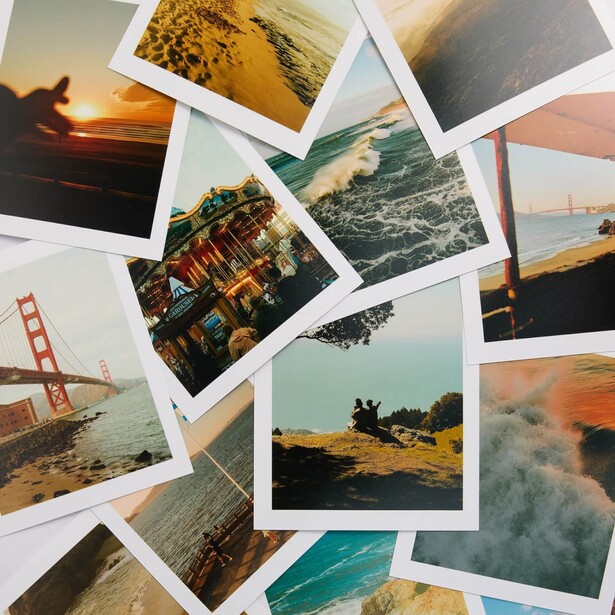
- Print process: silver halide (Digital Type C) on Kodak Professional Endura; pigment inkjet on the fine art papers
- Papers and surfaces: luster, glossy, matte, deep matte, silk, metallic, plus three Hahnemühle fine art textures (Bamboo 290, Albrecht Dürer 210, German Etching 310)
- Sizes and formats: 3.5x5 to 16x20 inches standard, plus poster prints
- Other products: layflat books and albums, metal, acrylic, canvas, wood, framing
- Color management: optional color correction, sRGB working space; Printique states it does not offer ICC profiles
- Production time: quoted per item at checkout, rush available
- Starting price: see current pricing at Printique
Printique takes the overall slot because it is the rare lab that does not force a choice between professional output and a usable ordering experience. It is Adorama's lab, it prints at its own facility in Brooklyn, and it runs true silver halide on Kodak Professional Endura, the chromogenic paper the pro labs use, rated for 100 years of typical home display and 200 in dark storage. Luster, glossy, matte, deep matte, silk, and metallic cover the photographic range, three Hahnemühle textures sit above them for fine art work, and the account that prints a 4x6 will print a layflat album or a metal panel.
Color correction is a checkbox in the ordering flow rather than a fixed part of the service, and it is the feature most new customers misunderstand. Leave it on and a pass pulls your file toward what their printers like, so a casual upload comes back better than it deserved. That is a service for the photographer who has never calibrated a monitor and an irritation for the one who has. Printique tells you outright to leave it unselected if your files already carry a deliberate look, borders, or a color treatment you do not want stripped.
The honest weakness is color management. Printique says plainly that it does not offer ICC profiles, so you cannot soft proof against their papers the way you can with WHCC, Bay Photo, Nations, or FinerWorks, and their answer is to submit sRGB files and order small proofs until you learn the offset between your screen and their printers. That works, and it costs time a downloadable profile would save. Cancel an order after it has gone to print and you eat a 50 percent restocking fee, so the proofing habit is not optional here. For everyone between the snapshot printer and the gallery artist, archival paper, human inspection before shipping, and a catalog covering prints, books, and wall art from one cart is the most useful package here, so check the current price at Printique before ordering elsewhere. Also consider Bay Photo if wall art is the bulk of what you buy.
What We Like
- True silver halide on archival Kodak Endura paper
- Deep matte and metallic surfaces most consumer labs skip
- Three Hahnemühle fine art textures alongside the photographic papers
- Every print is inspected before it ships
What Could Be Better
- No ICC profiles, so no soft proofing
- A 50 percent restocking fee once an order has gone to print
- Albums and gilded-edge products carry long lead times
Best Professional Lab: WHCC
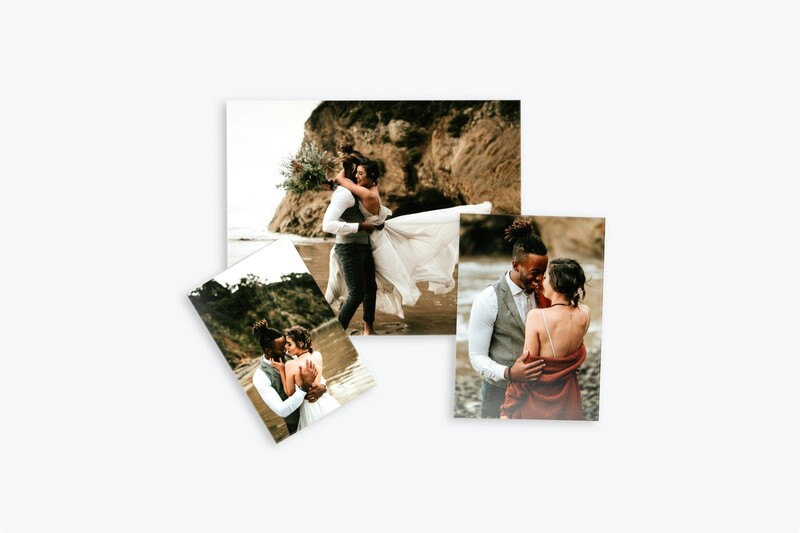
- Print process: silver halide photographic prints, plus giclée pigment ink fine art
- Papers and surfaces: Fujifilm Lustre 242 gsm, Deep Matte 242 gsm, Pearl 255 gsm; seven fine art papers
- Sizes and formats: to 30x45 inches photographic, to 40x60 inches fine art
- Other products: albums, wall art, cards, client packaging
- Color management: downloadable ICC profiles for their printers and papers, once you have an account
- Production time: 1 day photographic, 1 to 2 days fine art; free 2 to 3 day shipping on orders over $18
- Starting price: see current pricing at WHCC
Photographers who sell prints tend to end up at WHCC, and they stay for a reason that has nothing to do with any one product: the output is repeatable. Print the same file on Lustre in January and again in October and you get the same print, which sounds unremarkable until a client compares two portraits a year apart. WHCC publishes ICC profiles for its papers, so a calibrated monitor, Photoshop's soft-proofing view, and a gamut warning preview exactly what will arrive.
The paper lineup is tight rather than sprawling. Three Fujifilm photographic surfaces, Lustre and Deep Matte at 242 gsm and a newer Pearl at 255 gsm, cover portrait work through gallery-look black and white. Above that sits a fine art line printed with archival pigment inks on seven papers, including Hahnemühle Photo Rag Matte at 308 gsm, an Arches Aquarelle Rag with a watercolor tooth, and a Photo Rag Baryta with darkroom gloss. Photographic prints run a one-day production time and fine art one to two days. Free shipping applies above an $18 order minimum, and as of July 8, 2026 standard delivery on prints, books, and cards moved from two days to two to three, with albums still shipping in one.
The catch is who WHCC is for. This is a business-to-business lab. You create a client account by filling out a questionnaire about your photography business, and the interface, from the Studio design tools to the packaging options, is built around delivering to a client rather than hanging a picture in your own hallway. To print six family snapshots, this is more machinery than you need. If you sell prints or want the industry's most predictable color, this is the standard, so check the current price at WHCC and download the profile pack before your first order.
What We Like
- Downloadable ICC profiles make real soft proofing possible
- One-day production on photographic prints
- Serious fine art line on Hahnemühle and Arches papers
What Could Be Better
- Built for photography businesses, not casual buyers
- Account setup requires a questionnaire
- Prices rose an average of about 5 percent in July 2026, and free standard delivery slowed to two to three days
- Fewer photographic surfaces than Bay Photo or Nations
Best Photo Book: Artifact Uprising
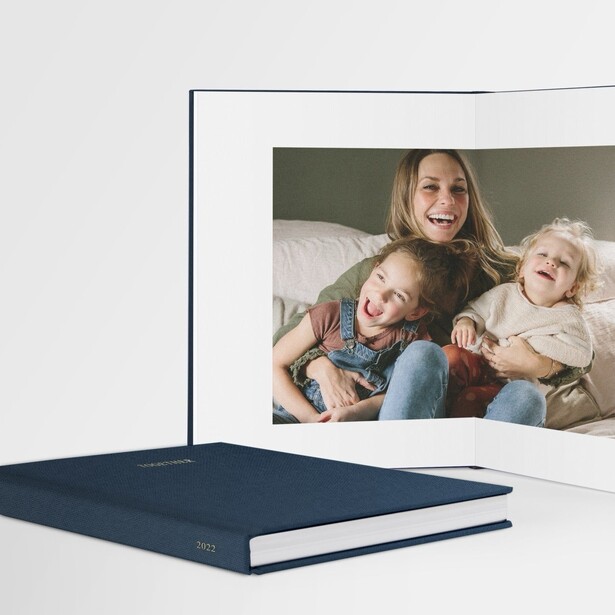
- Print process: press printing on Mohawk paper stock
- Papers and surfaces: Mohawk ProPhoto lustre or Mohawk Superfine eggshell; softcover books use 100 percent recycled pages
- Sizes and formats: layflat album from 20 pages (10 spreads) to 90 pages; hand-mounted layflat binding, plant-based linen covers, foil stamping in gold, copper, silver, or white
- Other products: hardcover and softcover books, board books, prints, wall art, cards
- Color management: no ICC profiles published, sRGB only
- Production time: 5 business days for the Layflat Photo Album, 8 for the Signature Layflat, plus shipping
- Starting price: see current pricing at Artifact Uprising
Photo books are judged in the hand, not on a spec sheet, and Artifact Uprising understands that better than anyone else selling to photographers. The Layflat Photo Album earns the slot: hand-mounted pages built from multiple thick sheets so a spread crosses the gutter without a seam eating the frame, a plant-based linen cover that does not feel like laminated cardboard, and a title foil-stamped in gold, copper, silver, or white. Paper comes from Mohawk, ProPhoto in lustre or Superfine in eggshell, and eggshell is the one to pick if the book should read as a keepsake rather than a catalog.
The design software is deliberately restrained. Where Shutterfly hands you stickers, borders, and dozens of background patterns, Artifact Uprising gives you a small set of clean layouts and very little rope to hang yourself with. The softcover line prints on 100 percent recycled pages and works as a client leave-behind.
Nothing here is cheap, and the price is the honest weakness. The layflat album costs multiples of a comparable Shutterfly book, and the signature layflat costs multiples of that. The other cost is control. Artifact Uprising publishes no ICC profiles and prints on a press rather than photographic paper, so color is a house look rather than a match to your calibrated screen. Deep shadows come back heavier than they look on a bright monitor, standard press behavior worth compensating for before you upload. Production takes five full business days before shipping even starts, and the Signature Layflat takes eight. For the book you hand someone and watch them slow down while turning the pages, check the current price at Artifact Uprising. Also consider Saal Digital below for photographic paper and layflat binding at less money.
What We Like
- Hand-mounted layflat pages with no gutter loss
- Linen covers and foil stamping that feel like a published book
- Restrained templates that make good design the default
What Could Be Better
- The most expensive book per page in this guide
- Press color, with no profiles and no soft proofing
- Five business days of production before anything ships, eight for the Signature
Best Budget: Nations Photo Lab
- Print process: silver halide on Fujicolor Crystal Archive
- Papers and surfaces: Crystal Archive DPII Lustre, Super Type CN Glossy, Crystal Archive Pearl, optional linen texture on any of them
- Sizes and formats: more than 60 sizes, from wallet prints to 30x45 inches
- Other products: mounted prints, canvas, metal, framing, books, cards
- Color management: in-house ICC profiles made on an i1Pro2 spectrophotometer; color correction is optional
- Production time: 2 business days in lab for prints, plus 1 to 10 business days shipping depending on tier
- Starting price: see current pricing at Nations Photo Lab
Cheap and good rarely appear in the same sentence in this category, and Nations Photo Lab is the exception. Their prints run on Fujicolor Crystal Archive, the DPII lustre stock as the workhorse with a glossy Super Type CN alongside it, the same paper family the expensive labs use, and pricing on small sizes and in volume sits closer to a consumer service than a pro one. If you shoot events or sell prints at markets, this is where the math works.
What separates Nations from every other budget option is that they generate their own ICC profiles in house, on an i1Pro2 spectrophotometer, for the exact paper and printer combinations they run. Download the RGB profiles, load them into Photoshop or Lightroom, and you can soft proof against the actual stock before spending a cent. Their canvas, press, and dye-sublimation profiles are CMYK and load only in Photoshop, which matters if Lightroom is your whole workflow. Color correction is offered rather than forced, so a soft-proofed file can go through untouched.
You pay in time. In-lab production is two business days rather than the one day WHCC and Mpix hold to, and the economy tier, the one that ships free above $89, runs three to 10 business days in transit, so an order placed Monday can land two weeks later. Pay for faster transit and the savings evaporate. The ordering site is also the least polished here. For prints where the paper matters and the deadline does not, check the current price at Nations Photo Lab.
What We Like
- In-house ICC profiles you can genuinely soft proof against
- Fujicolor Crystal Archive paper at consumer-lab pricing
- More than 60 sizes and a wide mounting menu
What Could Be Better
- Two-day in-lab time, slower than the fastest labs
- The free economy shipping tier can run 10 business days
- Canvas and press profiles are CMYK and will not load in Lightroom
Best Fine Art and Giclée Prints: FinerWorks
- Print process: giclée with Canon Lucia aqueous pigment inks on Canon imagePROGRAF PRO-series printers
- Papers and surfaces: 23 fine art stocks, including Hahnemühle Photo Rag 308 gsm, William Turner 310 gsm, and Moab Exhibition Luster 300 gsm
- Sizes and formats: up to 40x96 inches
- Other products: canvas, metal, framing, cards, print-on-demand fulfillment
- Color management: a downloadable ICC profile for every paper
- Production time: 1 to 3 working days on giclée paper, 3 to 7 business days for framed work
- Starting price: see current pricing at FinerWorks
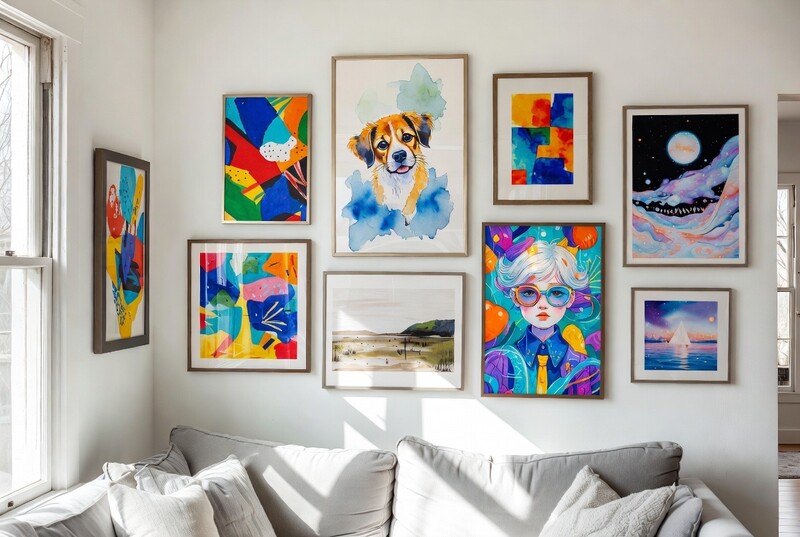
Fine art printing is a paper conversation, and nobody here brings more paper to it than FinerWorks. The San Antonio shop lists 23 fine art stocks, and the list is not padded: Hahnemühle Photo Rag at 308 gsm for the classic smooth cotton look, William Turner at 310 gsm for mould-made texture under a monochrome landscape, German Etching and Torchon for heavier tooth, Photo Rag Baryta at 315 gsm for darkroom gloss, and Moab's Exhibition Luster and Slickrock Metallic Pearl for a coated surface rather than a rag one.
Printing runs on Canon PRO-series machines with Lucia aqueous pigment inks, the correct answer for archival work: pigment, not dye, on acid-free cotton. Every paper carries a downloadable ICC profile, which turns a fine art order from a gamble into a process. Soft proof on a calibrated display, watch what a matte rag does to your deepest blacks, and adjust before you print. Anyone learning that workflow will get there faster with Fstoppers' Mastering Adobe Lightroom, which covers the soft-proofing panel properly.
FinerWorks also runs print-on-demand fulfillment with hooks into Shopify, Etsy, Squarespace, and WooCommerce, so a photographer selling limited editions can drop-ship without warehousing anything. The weaknesses are real. The site behaves like it was built a decade ago, and pricing often appears only after you have configured a print. Their published turnaround times are averages rather than promises, and busy months add days. There are no photo books at all. For the photographer whose print is the product, the paper list and per-paper profiles are worth the friction, so check the current price at FinerWorks and order the sample pack before committing to a stock.
What We Like
- 23 fine art papers, including most of the Hahnemühle catalog
- Pigment inks and an ICC profile for every stock
- Prints up to 40x96 inches
What Could Be Better
- Dated site, with pricing hidden behind the configurator
- Turnaround stretches during busy periods, by their own admission
- No photo books or albums
Best Canvas and Metal Prints: Bay Photo
- Print process: dye sublimation infused into coated aluminum; silver halide and giclée on paper
- Papers and surfaces: MetalPrints in High Gloss, Mid-Gloss, Satin, Sheer Glossy, and Sheer Satin
- Sizes and formats: MetalPrints in standard and custom sizes up to 48x96 inches
- Other products: canvas, acrylic, wood, framing, photographic and giclée prints
- Color management: published ICC profiles and soft-proofing guidance by product
- Production time: 2 to 3 business days for standard metal and canvas, 6 to 7 for framed metal, 7 to 8 for face-mounted acrylic, 1 day for photographic prints under 30 inches
- Starting price: see current pricing at Bay Photo
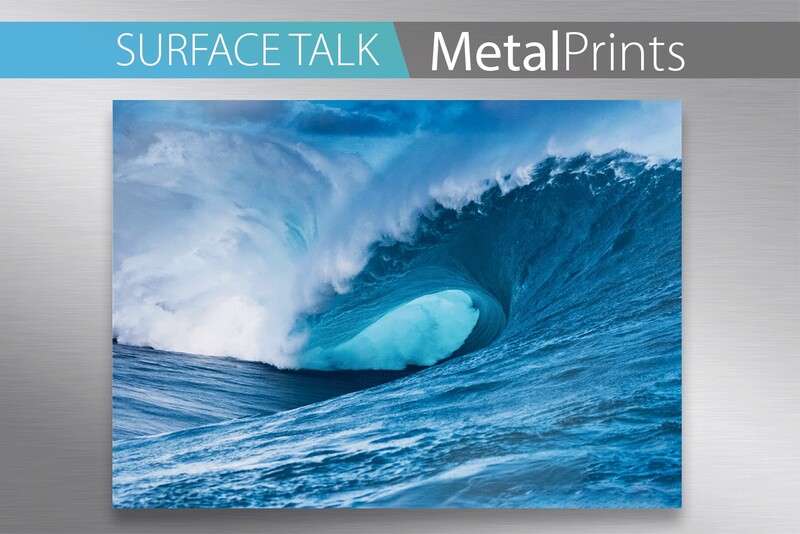
Wall art is where the labs separate, and Bay Photo has been the metal reference since before most competitors offered it. Their MetalPrints are dye sublimation, so the image is infused into a coated aluminum sheet rather than laid on top of it, which produces a luminosity paper cannot match, a scratch-resistant surface, and no glass to bounce a room's lighting back at the viewer. Five surfaces give real control: High Gloss for maximum saturation on a landscape, Satin when a client's living room has a window opposite the wall, and the Sheer options, which leave the aluminum visible through the image so highlights read as actual metal.
Standard and custom sizes run up to 48x96 inches, and the mounting menu is the deepest in the category: float mounts, inset frames, standoff posts, exhibit mounts, more than 89 framing mouldings, wall clusters and splits. An outdoor-rated Performance EXT metal, offered in High Gloss, Satin, and Sheer Glossy, is rated to last five or more years in direct sunlight without noticeable fading. The standard surface is waterproof but will fade in direct sunlight like any photograph, a caveat Bay Photo states plainly instead of burying. They also publish ICC profiles and soft-proofing guidance, so a metal order can be proofed rather than guessed at.
What Bay Photo is not is fast or cheap. Standard MetalPrints take two to three business days, but a framed metal piece runs six to seven and a face-mounted acrylic seven to eight before it even ships. Rush service is priced as a percentage of the order: 50 percent to halve the production time, 100 percent to quarter it. Signing up for their email list gets 25 percent off a first order, which softens the entry. For metal, canvas, and acrylic, check the current price at Bay Photo, and give framed pieces two weeks of runway before you need them on a wall.
What We Like
- Five MetalPrint surfaces, including sheer finishes that expose the aluminum
- Sizes to 48x96 inches and the deepest mounting menu here
- Published ICC profiles and soft-proofing guidance
What Could Be Better
- Framed metal and face-mounted acrylic take up to eight business days to produce
- Rush service costs a 50 or 100 percent surcharge on the order
- Premium pricing across the board
Best Fast Turnaround: Mpix
- Print process: silver halide on Kodak Endura; a 7-ink dye-based inkjet system for giclée
- Papers and surfaces: E-Surface semi-gloss and Metallic; giclée in Fine Art 200 gsm, Black and White 254 gsm, Semi Gloss 254 gsm, High Gloss 276 gsm, Deep Matte 240 gsm
- Sizes and formats: more than 30 photographic sizes, to 24x36 inches; panoramics from 5x15 to 12x36 inches; giclée to 30x40 inches
- Other products: books, canvas, metal, framing, cards, gifts
- Color management: complimentary human color correction on calibrated monitors; no published ICC profiles
- Production time: printed and shipped within one business day
- Starting price: see current pricing at Mpix
Speed is a feature, and Mpix sells it better than anyone here. Orders are printed and shipped within one business day, the difference between a wall piece that arrives before a birthday and one that arrives after it. Mpix is the consumer-facing arm of Miller's Professional Imaging in Pittsburg, Kansas, so the machinery behind a cheap 4x6 is the machinery behind a wedding photographer's client order. E-Surface, the default, is a semi-gloss Kodak Endura stock rated for 100 years in home display and 200 in dark storage, with Metallic alongside it for images with hard specular highlights.
Every order gets a complimentary color correction pass, done by a person looking at your image on a monitor calibrated to their printers, adjusting density, color, and contrast. That is a different service from an automated curve, and it is why Mpix prints so rarely disappoint photographers who have not built a color-managed workflow. If you have built one, decline the correction. The giclée line adds Fine Art, Black and White, Semi Gloss, High Gloss, and Deep Matte surfaces, rated for up to 100 years in home display and 300 in dark storage.
The limits show up in the corners. Two photographic surfaces is a thin menu next to Bay Photo or Nations, photographic prints stop at 24x36 inches, and the giclée line uses dye-based rather than pigment inks, which makes it the weaker choice against FinerWorks or WHCC for work headed to a gallery wall. Mpix does not publish per-paper ICC profiles either, so soft proofing is off the table. None of that matters if what you want is honest prints on good paper, out the door tomorrow, so check the current price at Mpix when the deadline is the constraint.
What We Like
- Printed and shipped within one business day
- Human color correction on calibrated monitors, at no charge
- Kodak Endura paper behind a consumer-level price
What Could Be Better
- Only two photographic surfaces
- Photographic prints stop at 24x36 inches
- Giclée line uses dye-based rather than pigment inks
- No per-paper ICC profiles for soft proofing
Best Value Layflat Album: Saal Digital
- Print process: photographic printing on Fujifilm Crystal Archive HD at 368 gsm
- Papers and surfaces: glossy, matte, and a silk finish with a honeycomb texture
- Sizes and formats: 8x8, 12x8, 8.5x12, 12x12, and 16x12 inches, true 180-degree layflat panoramic binding
- Other products: standard photo books, prints, wall art, calendars
- Color management: downloadable ICC profiles and soft-proofing guidance in their professional zone
- Production time: quoted at checkout, then DHL Express shipping from Europe
- Starting price: see current pricing at Saal Digital
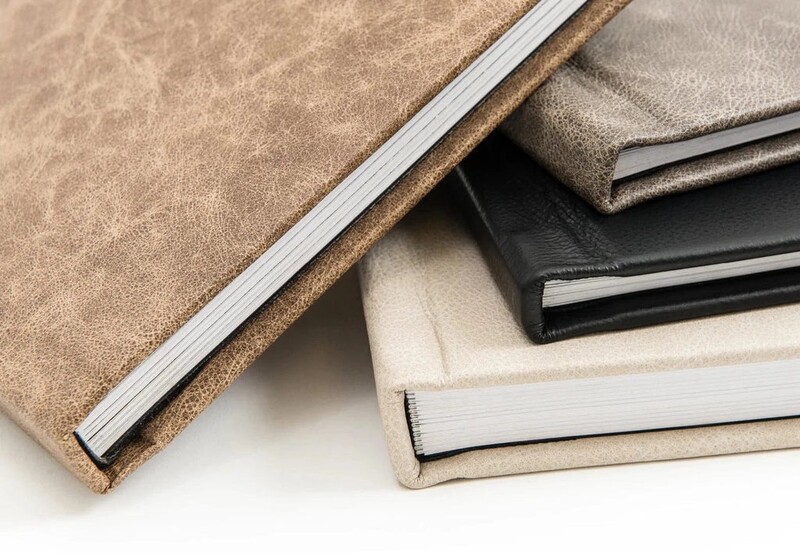
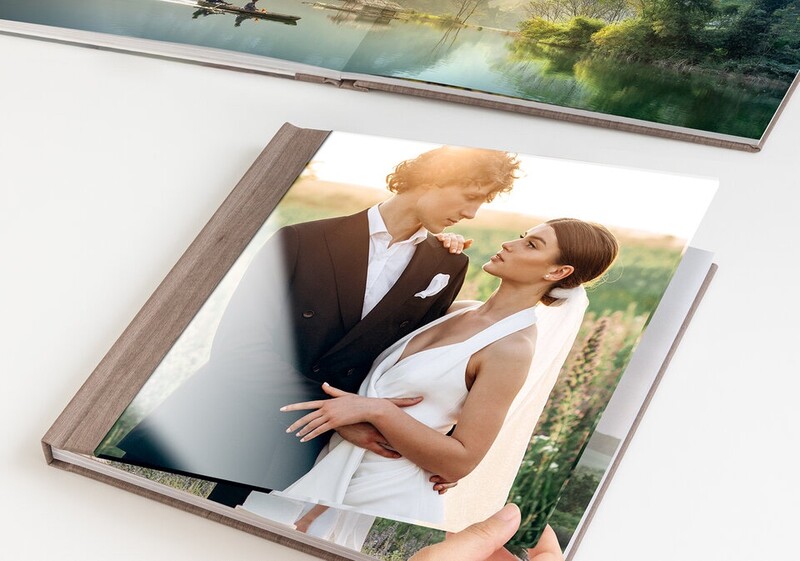
Photographers who deliver albums to clients tend to find Saal Digital sideways, usually from someone who has been quietly saving hundreds of dollars per album. The Professional Line book prints on Fujifilm Crystal Archive HD photographic paper at 368 gsm, a heavy photographic stock rather than a press sheet, in glossy, matte, or a silk finish with a honeycomb texture that flatters skin. Pages open to a full 180 degrees with no image loss at the center, so a panoramic spread crosses the gutter intact. The cover menu runs deep: acrylic glass and brushed metal for the premium end, leatherette in a range of colors, plus natural materials like linen, cork, and even a recycled ocean-plastic option, and every book is hand-finished.
Two things make this a value pick rather than merely a cheap one. Saal publishes ICC profiles and soft-proofing guidance in its professional zone, so an album can be proofed before it prints, which neither Artifact Uprising nor Shutterfly will let you do at any price. And the volume discounts are aggressive: 20 percent off from 26 pages, 25 percent from 70, and 30 percent from 100. A long wedding album is where Saal's pricing curve bends hardest in your favor.
The friction is logistical. Layout happens in a desktop application you download rather than in a browser. Books are produced in Europe and shipped to the US by DHL Express, so however fast production runs, transit adds days a domestic lab does not. Saal also runs near-constant promotions, so the list price is rarely the real price. Order a sample book on your own work before you put a client's wedding through it, then check the current price at Saal Digital.
What We Like
- Real photographic paper at 368 gsm instead of press stock
- True 180-degree layflat with no gutter loss
- ICC profiles and soft proofing, rare in the book category
What Could Be Better
- Ships from Europe, so transit time is unavoidable
- Layout requires a downloaded desktop application
- List prices are misleading given the constant promotions
- Support is slower than a domestic lab's
Best for Everyday Prints and Gifts: Shutterfly
- Print process: press printing
- Papers and surfaces: matte or glossy pages, standard layflat, deluxe layflat on double-thick pages
- Sizes and formats: books in 8x8, 8x11, 11x8, 10x10, 12x12, and 11x14 inches; deluxe layflat from 20 to 111 pages
- Other products: prints, canvas, mugs, blankets, cards, calendars, a very long gift catalog
- Color management: no ICC profiles published, sRGB only; optional 6-color printing upgrade on select books
- Production time: quoted at checkout, rush available
- Starting price: see current pricing at Shutterfly
There is a version of this guide where Shutterfly gets sneered at, and it would be dishonest. Nobody else covers the job of turning 300 phone photos into a book, four mugs, a calendar, and a blanket for the grandparents before the holidays, and the books are better than photographers assume. Sizes run from 8x8 up to 11x14 inches, a deluxe layflat book stretches from 20 to 111 pages, and the page menu goes from standard matte or glossy up to double-thick layflat pages that hold a panoramic spread without a seam. The Make My Book designer service is free, and a human lays out the whole book and drops it into your account within 24 hours.
It falls short exactly where you would expect. This is press printing with no ICC profiles and no soft proofing, so color is whatever the presses decide, and anyone used to a calibrated workflow will see it in the shadows and in saturated reds. The 6-color printing upgrade, which adds two inks to the standard four-color process, helps and is worth taking on the books that offer it. The editor is stuffed with borders and embellishments, and it takes discipline to make something that does not look like a scrapbook. A freshly printed book arrives with a strong ink smell that needs a few days of airing out.
The pricing model deserves its own warning. Shutterfly discounts so continuously that paying list price is a mistake, and a book that looks expensive on Tuesday will be half off by the weekend. For a portfolio or a client album, use one of the labs above. For the family book that has to exist and has to arrive before a holiday, check the current price at Shutterfly during a sale.
What We Like
- Deluxe layflat pages at consumer prices
- A free designer service that returns a finished layout in 24 hours
- Books up to 111 pages, in sizes to 11x14 inches
What Could Be Better
- Press color with no profiles and no soft proofing
- The editor encourages clutter
- A new book arrives with a printing odor that needs airing out
- List prices are meaningless; you must wait for a promotion
How to Choose a Photo Printing Service
Start with the process, because it determines everything else. Silver halide, also called chromogenic or C-type, exposes real photographic paper with lasers or LEDs and develops it in chemistry. Printique, WHCC, Nations, Mpix, and Saal Digital all use it, and it is the right default for photographs: smooth tonal transitions, deep blacks, archival ratings measured in decades. Giclée is archival pigment ink on cotton rag or coated art paper, the right answer for fine art work and for anything where the paper's texture is part of the image. Press printing, which is what most photo books use, including Artifact Uprising and Shutterfly, is ink on paper from an offset or digital press, cheaper at volume and less faithful in the shadows.
Color Profiles and Soft Proofing
The question that separates a lab you can work with from a lab you have to guess at is whether it publishes ICC profiles. A profile describes exactly which colors a specific printer and paper combination can produce. Load it into Photoshop's soft-proofing view or Lightroom's proofing panel, on a monitor calibrated with a hardware device, and you get a simulation of the print on screen, complete with a gamut warning highlighting the saturated colors that paper physically cannot reproduce. Matte and rag papers have the smallest gamut and will flatten your deepest blacks, which is why a soft proof on cotton rag frequently sends photographers back to lift shadows and add local contrast before printing.
WHCC, Bay Photo, Nations Photo Lab, FinerWorks, and Saal Digital all publish profiles. Printique, Mpix, Artifact Uprising, and Shutterfly do not, and their answer instead is automated or human color correction that pulls your file toward what their printers like. That correction helps an uncorrected file and damages a carefully edited one, so if you have soft-proofed, find the option to turn it off. Calibration is the prerequisite for all of this, and an uncalibrated monitor is why most prints come back too dark. Our monitors guide covers which displays hold a calibration and which drift.
Paper, Size, and Time
Lustre is the safe default for almost every print, glossy is for high-impact color under controlled lighting, metallic suits specular highlights and is a disaster on skin, and deep matte is where black and white work belongs. Order a sample pack from any lab you plan to use repeatedly, because paper choice matters more to the finished object than the editing decision you agonized over. Then check production times against your real deadline: a framed metal piece from Bay Photo takes six to seven days before it even ships, and Mpix ships in one business day. The fastest lab and the best lab are rarely the same lab.
What We're Looking For
We weighed the print process each lab actually runs, the papers on offer and their weights and manufacturers, whether the lab publishes ICC profiles you can soft proof against, published production times rather than marketing claims, and how honestly each service describes its own limits. Fstoppers has not conducted a controlled side-by-side print test across these nine labs, and we say so rather than implying a testing history we do not have. Every specification above was taken from each vendor's current published product and support pages at the time of writing. Most picks across our buying guides come from gear our writers have used and reviewed hands-on. Where we have not, as here, we say so in the entry.
Frequently Asked Questions
Why Do My Prints Come Back Darker Than My Screen?
Because your monitor is brighter than paper. A typical display runs far brighter than a print viewed under room light, so shadow detail that looks open on screen disappears on paper. Calibrate with a hardware device, set luminance closer to 100 to 120 cd/m2 for print work, and soft proof against the lab's ICC profile before ordering.
Is a Professional Lab Actually Worth It Over a Consumer Service?
Yes, if you sell prints or need the same file to print identically twice. Professional labs like WHCC publish ICC profiles, hold color consistent across orders, and print on stocks with stated archival ratings. For family snapshots, a consumer service like Mpix or Shutterfly is good enough and cheaper.
What Is the Difference Between Giclée and a Regular Photo Print?
Giclée is archival pigment ink sprayed onto cotton rag or fine art paper. A regular photo print is silver halide, meaning real photographic paper exposed by light and developed in chemistry. Silver halide gives smoother tonal gradation and costs less. Giclée gives you textured art papers, larger sizes, and the longest archival life.
Which Photo Book Service Has the Best Print Quality?
Saal Digital, because its Professional Line prints on Fujifilm Crystal Archive photographic paper at 368 gsm rather than on a press, and it publishes ICC profiles so you can proof the book first. Artifact Uprising wins on binding, cover materials, and design restraint. Shutterfly is the value option once a promotion is running.
Do I Need to Soft Proof Every Image Before Printing?
No, but soft proof anything with saturated color, deep shadows, or a paper you have not used before. Prints on lustre from a well-edited sRGB file usually land close without it. Matte and cotton rag papers have a much smaller gamut and will surprise you. If your editing workflow is still coming together, our photo editing software guide is the place to start.
Fstoppers may earn a commission from purchases made through links in this article. Our picks are made independently by our editorial team.