

The consultation is supposed to be the easy part. The client reaches out, you meet (in person, by phone, or over video), you discuss what they want, you explain what you offer, and you both walk away aligned on the vision, the scope, and the price. That is the theory. In practice, the consultation is where every mismatched expectation, unrealistic budget, and conflicting creative vision reveals itself, and your ability to navigate those reveals determines whether the conversation ends with a booking or a polite "I'll think about it" that means no.
None of these situations mean the client is a bad person. Most of them mean the client has never hired a photographer before and does not know how the process works. Your job in the consultation is not just to sell your services. It is to educate, set boundaries, and redirect the conversation toward a scope that serves both of you. Here are ten scenarios you will encounter and how to handle each one without losing the client or your sanity.
1. They Bring a Pinterest Board Shot by Five Different Photographers in Five Different Styles
The board has moody, desaturated editorial portraits next to bright, airy lifestyle images next to heavily composited fantasy work next to candid documentary shots. Each image was made by a different photographer with a different style, different gear, different lighting, and different post-processing. The client loves all of them equally and wants their session to look like the entire board.

What to redirect: Thank them for the inspiration and then help them identify what they actually respond to in each image. Is it the lighting? The emotion? The location? The color palette? Often, a client who brings five styles is responding to one underlying quality (warmth, intimacy, drama) expressed in different ways. Your job is to find that thread and show how your style delivers it. Pull up three or four of your own images that share the quality they are drawn to and say: "This is the version of that feeling that I create. Let me show you how we would get there together." You are not dismissing their board. You are translating it into something achievable within your style.
2. They Want a Four-Hour Shoot on a Two-Hour Budget
They have a long shot list: multiple outfit changes, three locations, group shots, individual portraits, candids, and detail images. The scope is clearly a half-day production. The budget they have in mind covers a one-hour session. When you explain the pricing, they ask if you can just work faster.
What to redirect: Do not compress the scope to fit the budget. Instead, show them what their budget actually buys: "For that investment, here is what we can do beautifully: one location, one or two outfit changes, and 25 to 30 edited images. That is a full session and most of my clients are thrilled with the results." Then explain what the expanded scope would cost: "If you want multiple locations and a longer timeline, that falls into my half-day package at [price]. Both options produce great work; it is really about how much variety you want." Let them choose. Most clients, when presented with a clear menu rather than a negotiation, will either book what fits their budget or upgrade because they now understand what the difference buys them. If you want a deeper framework for structuring packages that make these conversations easier, Making Real Money: The Business of Commercial Photography covers pricing architecture, client communication, and the business systems that turn consultations into bookings.
3. They Ask You to Replicate a Specific Photo That Required a Completely Different Location, Crew, and Budget
They show you an image from a major advertising campaign, a celebrity editorial, or a viral Instagram post shot in Iceland with a team of ten. They want you to recreate it. At a park. On Saturday. For $300.
What to redirect: Do not say "that is impossible." Say: "I love this image. Let me walk you through what went into making it so we can figure out what elements we can bring into your session." Then explain, briefly and without condescension, that the image involved a specific location, professional hair and makeup, a wardrobe stylist, multiple lights and modifiers, and extensive retouching. You cannot replicate all of those variables, but you can identify the one or two qualities that drew them to the image (the lighting direction, the mood, the pose, the color grade) and explain how you will create a version that captures that essence within your scope. Clients respond well to "here is my version of that idea" because it makes them feel heard without committing you to something you cannot deliver.
4. They Say "I Just Want Something Simple" and Then Describe Something That Is Not Simple at All
"I just want a few headshots. Nothing fancy. Maybe in a studio with a couple of different backdrops and some natural light and also some with a flash and maybe a few outside too if we have time and could we also do some with my product?"
What to redirect: When a client says "simple," they usually mean "I do not want to feel overwhelmed." They are not describing the scope; they are describing how they want the experience to feel. Acknowledge that: "Absolutely, we will keep it relaxed and straightforward." Then gently itemize what they actually described: "So it sounds like you are thinking studio portraits on two backdrops, plus some outdoor shots, plus product images. That is a really solid session. Let me map out the timing so we can fit everything in comfortably without rushing." You are not correcting them. You are organizing their wish list into a structure that has a realistic timeline and price, which is exactly what they needed but did not know how to ask for.
5. They Ask "What's Your Real Price?"
Your pricing is on your website. You stated it in the consultation. And the client responds with some version of "okay, but what is the actual price?" or "is there any flexibility there?" or "what can you do for me?" as if your published rate is a retail sticker waiting to be negotiated.
What to redirect: Do not negotiate against yourself. Do not flinch. Say: "That is the rate. It reflects the time, equipment, editing software, and experience that go into every session. I want to make sure you get the most value from your investment, so let me walk you through exactly what is included." Then detail the deliverables. Most clients who push on price are not trying to disrespect you. They are testing whether the price is firm, and the moment you confirm that it is (calmly, without defensiveness), they either book or they do not. Either outcome is better than discounting your rate and resenting the session.
6. They Say They Hate Having Their Photo Taken and Resist Every Suggestion
They booked the session. They showed up. And now they are stiff, uncomfortable, visibly anxious, and responding to every posing direction with "that feels weird" or "I do not look good like that." They want you to make them comfortable, but they are rejecting every tool you use to do it.
What to redirect: Stop posing. Start talking. The camera is secondary right now. Put it down or let it hang. Ask them about something unrelated to photography: their work, their kids, their weekend, whatever gets them talking without performing. Let them forget the camera exists for two minutes. Then, while they are mid-sentence, pick the camera up and take a frame. Show it to them. The expression will be natural because they were not thinking about it. That single image often breaks the wall. "See? That is what you actually look like. We are going to get a lot more of those." From that point, the session pivots from posing to conversation, and the images improve dramatically. If you want to develop the specific skills for making uncomfortable subjects look and feel natural in front of the camera, Perfecting the Headshot is built around exactly this challenge.
7. They Compare Your Pricing to a Photographer Who Charges a Third of Your Rate
"I found someone who does the same thing for $150. Why should I pay you $450?"
What to redirect: Do not badmouth the other photographer. Do not get defensive. Say: "That is a fair question. There are a lot of options at different price points, and the right one depends on what matters most to you." Then explain, without arrogance, what your price includes that a lower-priced option may not: experience, professional editing (not filters), consistent style, usage rights, turnaround time, backup gear, insurance, and a professional process from consultation through delivery. You are not saying the cheaper photographer is bad. You are showing the client what the price difference actually buys. Some clients will still choose the lower price. That is fine. They were not your client.
8. They Love Your Portfolio but Want You to Shoot in a Completely Different Style
They found you because of your work. They booked the consultation because they liked what they saw. And then they ask you to shoot something that looks nothing like anything in your portfolio. Moody and dark when your work is bright and airy. Heavily retouched when your style is natural. Editorial when you shoot documentary.
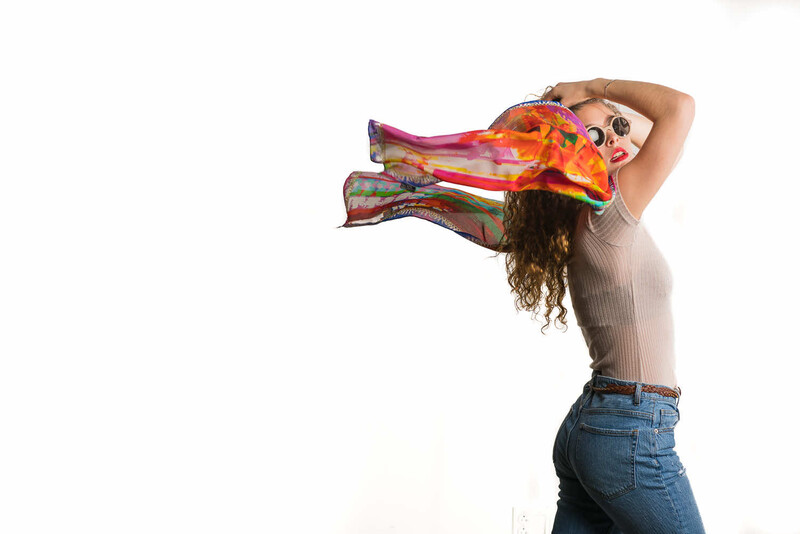
What to redirect: Be honest. "I appreciate you thinking of me, and I want to make sure you get exactly what you are looking for. The style you are describing is pretty different from the work in my portfolio, and I want to be upfront about that. I could push in that direction, but the result would not be as strong as what you see on my website, because that is where my strength is." Then offer two paths: "If you love the style you are describing, I can recommend a photographer who does it beautifully. Or if you are drawn to my work but want to explore a slightly different mood, I would love to show you how we can adjust within my style to get closer to what you are envisioning." This honesty builds trust, prevents disappointment, and often results in the client booking you for what you actually do best.
9. They Nod and Agree to Everything, Then Send a Follow-Up Email Changing Every Detail
The consultation went perfectly. They loved the plan. They agreed to the location, the timeline, the pricing, and the deliverables. You sent a confirmation email. Two days later, they reply with a completely different vision: new location, different number of outfit changes, additional people, a request for rush delivery, and a question about whether the price is still the same.
What to redirect: Respond warmly but precisely. "Thank you for the updated details. It sounds like the vision has evolved a bit since we spoke, which is totally fine. Let me map out what this new scope looks like so we are on the same page." Then re-quote. If the new scope costs more, say so: "The additions bring the session to [new price] because of the extended time and additional editing. Want me to send a revised proposal?" Do not absorb scope creep silently. The client is not being malicious; they went home, talked to someone, and got excited about more. Your job is to match the new scope to the correct price, every time, without resentment.
10. They Want All the Raw Files and Are Offended When You Explain That Is Not How It Works
"I'm paying for the session, so I should get everything you shot, right? Including the unedited ones?"
What to redirect: This is the most common raw-file conversation in photography, and it comes from a reasonable place: the client feels that they paid for the work, so they should own all of it. The disconnect is that they do not understand what raw files are or why delivering them would undermine both your work and their satisfaction.
Explain it simply: "The raw files are like the raw ingredients before a meal is cooked. They are flat, unprocessed, and not representative of the finished product. What I deliver are the finished images: color-corrected, retouched, and consistent with the style you hired me for. Delivering raws would be like a chef serving you unprepared ingredients and calling it dinner." Most clients laugh at this analogy and get it immediately. For the few who push further, you can add that your contract specifies edited deliverables and that your professional reputation depends on the quality of the finished images that carry your name. This is a boundary worth holding. The Photography Business Training System covers these client communication frameworks in detail, including contract language that prevents the raw-file conversation from happening in the first place.
Client consultations are where the work begins, not where the art begins. The photographer who handles these conversations well books more clients, experiences less scope creep, and spends more time shooting and less time managing conflict. Every difficult consultation is practice for the next one, and the scripts you develop through experience become the infrastructure of a business that runs smoothly.
If you want a comprehensive framework for pricing, packaging, and client management that makes these conversations shorter and more productive, Making Real Money: The Business of Commercial Photography covers the full business side. And if you are earlier in your career and still building the skills and portfolio that give you the confidence to hold your rate and direct the conversation, Photography 101 builds the foundation. The stronger your work, the easier every consultation becomes.



Join the Fstoppers community for free
-
Post comments and join in the discussions
-
Browse the site ad-free
-
Share your work and get featured in the community
-
Compete in the photo contests for fun and prizes
No comments yet