Why Technical Skill No Longer Protects Your Photography
Technical skill is no longer a filter. What remains of photography begins where execution stops protecting the work, leaving only judgment and intent.
Technical skill is no longer a filter. What remains of photography begins where execution stops protecting the work, leaving only judgment and intent.
In an era of AI perfection, your biggest asset is reality. Here is how to make your portfolio more authentic.
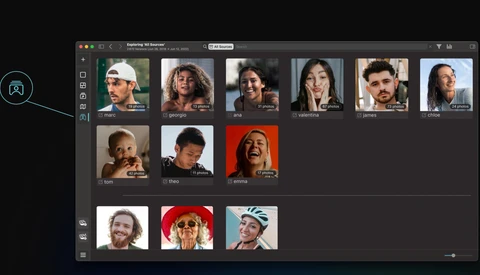
CYME has just announced Peakto 2.6, the latest version of its AI-powered media manager for Mac, introducing what is now the most comprehensive AI-driven culling and deduplication tool available for photographers and visual creators.
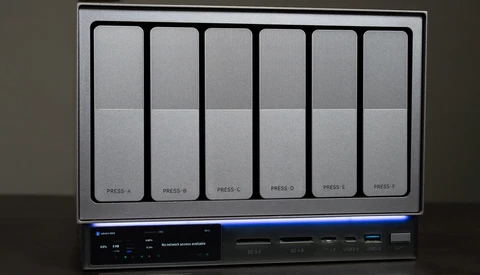
Network-attached storage is like mattress shopping for creators: incredibly useful, rarely exciting. But after trying the Zettlab D6, I came away feeling like this is one of the first pre-built NAS products that genuinely tries to be something more than a black box humming in the corner.
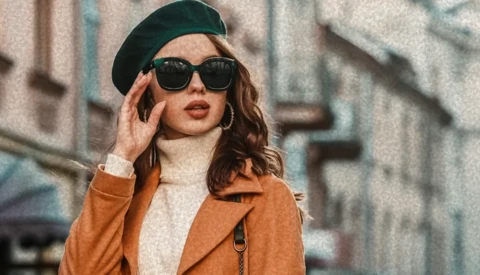
Using Adobe Photoshop inside ChatGPT changes the math on quick edits, especially when the job is small but time is tight. The catch is that the results can look polished one minute and sloppy the next, so knowing what it can and cannot do saves missed deadlines and rework.
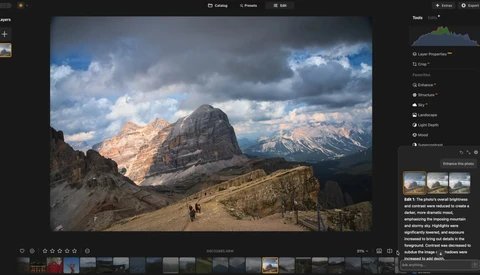
Current owners of Luminar Neo are getting a holiday update with some new and unique features. Besides the usual bug fixes and some speed increases, Neo has added what they call an AI Assistant.

AI masking in Lightroom has quietly turned into one of the fastest ways photographers change the mood and focus of an image without touching every slider by hand. If you shoot portraits and landscapes and want your edits to look polished but still natural, this walkthrough shows how to let the software do the heavy lifting while you keep control over the final look.
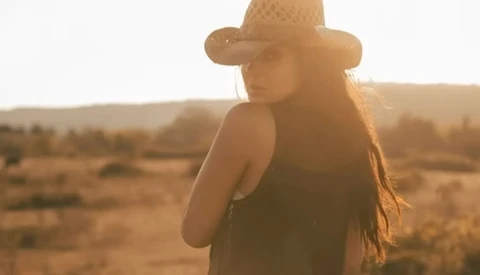
Generative Fill is no longer just about erasing small distractions or extending a background. With new partner models like Gemini 2.5 Nano Banana and FLUX Kontext Pro built directly into Photoshop, you can describe an entire scene change in plain language and watch the software rebuild your image around your idea.
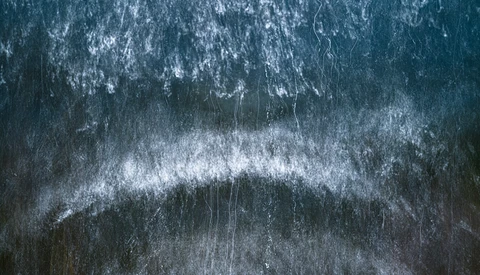
This is not a guide, but a way to think about abstraction as one way for photographers to regain control and meaning when technology learns every technique.
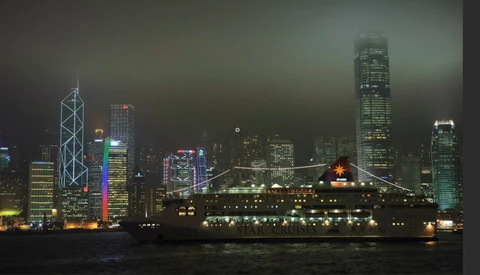
High ISO work no longer ruins detail or color. With current sensors and AI denoising, you can push exposure in dim scenes and still keep texture intact.

Adobe just made Photoshop’s AI tools more powerful and more expensive, and if you shoot real estate, these changes hit your workflow, your margins, and your client expectations. The mix of free tools, standard generative credits, and new premium credits now forces you to choose where speed and polish justify extra cost instead of treating AI as unlimited magic.
While artificial intelligence rapidly consumes entire segments of the photography industry, there's a silver lining that deserves attention. Certain specializations possess qualities that make them remarkably resistant to replacement by AI systems. These aren't careers that will merely survive by accident or good fortune.
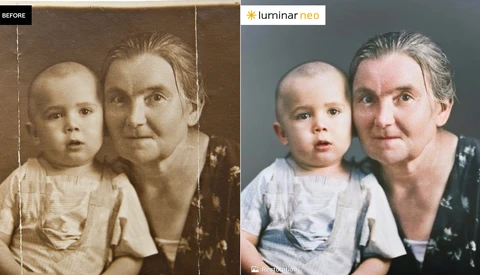
I've gotten my hands on a beta of the new, and I have to say improved, Luminar Neo fall release from Skylum. It keeps everything that's good in the current version and adds a couple of new features that will likely get non-owners of the current product on board.
There's no gentle way to say this: artificial intelligence has already infiltrated the photography industry, and its advance is outpacing what most professionals are willing to acknowledge. While photographers debate the artistic merit of machine-generated visuals, whole segments of the profession have quietly vanished through automation.
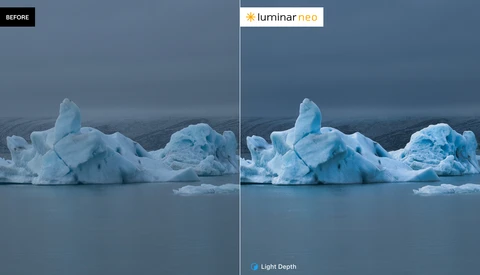
Skylum has announced a significant fall update for Luminar Neo coming in early November.
This version includes powerful enhancements to existing features as well as innovative new additions such as a Luminar Neo ecosystem, restoration, and an AI editing assistant.
Luminar Neo Ecosystem and Spaces
AI is changing how you edit and deliver real estate images, but it’s also creating new legal headaches. The line between an enhanced photo and a misrepresentation of a property is getting blurry, and that can cause serious issues for both you and your clients.
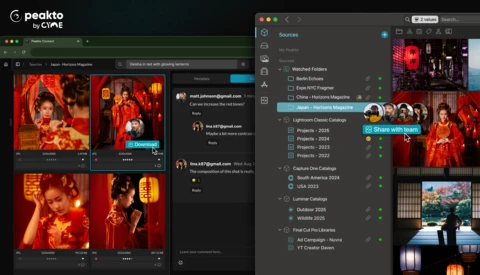
Peakto is releasing a 2.5 update to its excellent media management tool that frees it from the cloud while allowing robust search of all your media assets and enabling team sharing.

The photography community is in the midst of an existential crisis. Open any photography forum, Facebook group, or Reddit thread, and you'll find photographers convinced that artificial intelligence is about to obliterate their careers. Meanwhile, others dismiss these concerns entirely, insisting that "real photography" will always matter.

Photoshop’s beta just added third-party AI models to Generative Fill, and it changes how you edit. You can stack multiple instructions in one prompt, keep context from the original photo, and steer results without micromanaging masks or selections.
The photography world is buzzing with AI talk, but let's cut through the noise. While everyone's debating whether AI will replace photographers, smart professionals are quietly using artificial intelligence to streamline their workflows and deliver better results to clients. These aren't gimmicky features or experimental tools that might work someday.
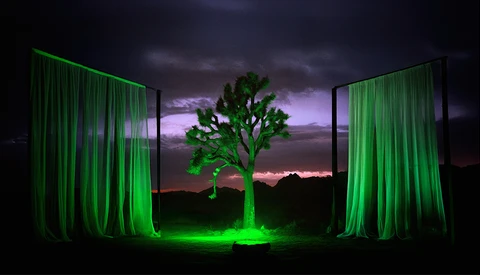
A few weeks ago, I was walking through Whole Foods when I saw a piece of broccoli that, oddly enough, reminded me of a Joshua Tree. Seriously. That random grocery store moment ended up sparking an entire photo shoot on the spot, and, more importantly, a deeper reflection on how I can use tools like AI in my photography without letting them take over.
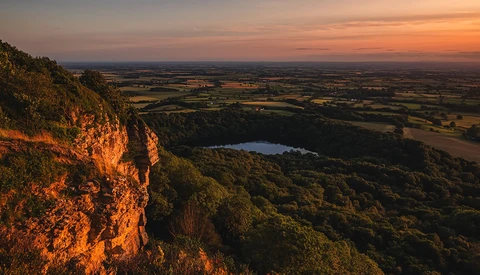
Finding fresh photography locations becomes increasingly challenging as you explore more of your local area. AI tools are now offering landscape photographers a practical solution for discovering hidden gems and overlooked shooting spots that traditional location scouting might miss.
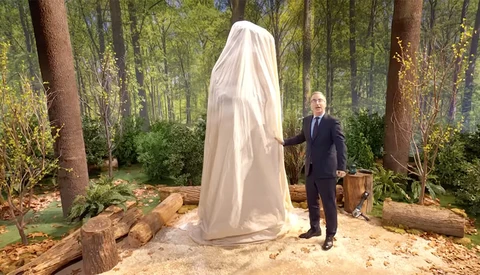
While Last Week Tonight host John Oliver is not someone you'd expect to see on a photography-oriented website, he just might have the most frightening and plausible take on the danger of AI-generated imagery yet. It's worth a watch.

Photography can help improve people's mental health. It’s a mindful activity that brings moderate exercise outdoors, which can help our mood. However, with every advantage in photography, there is always a disadvantage, and the damage photography does to our brains is exacerbated by AI.
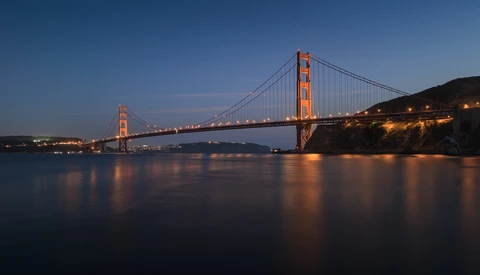
Adobe has released, without fanfare, a work-in-progress camera app for iPhones that shows tremendous promise, and I think it will excite photographers. The app is part of Adobe's Indigo Project.
Here are some Adobe-provided sample images:
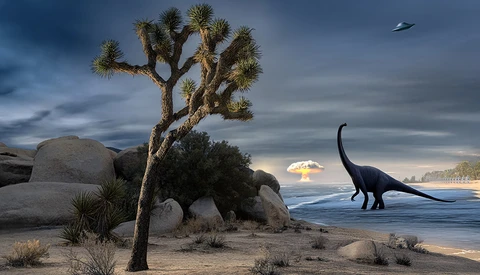
I can already see it. Many of you are clenching your fists and saying, "Never!" Certainly, there are many cases in which it's not acceptable to use AI-generated images for your photography. First, I'm going to discuss several instances of when it might be okay to use AI-generated images for photography. Then we'll examine the not-so-great applications.
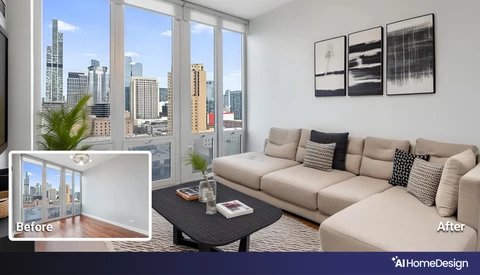
Real estate photography has always been about precision, speed, and aesthetic intuition. Photographers are the unsung heroes behind listings that sell fast and above the asking price. But as the housing market shifts faster than ever, the expectations for visual content have reached new heights. Enter artificial intelligence.
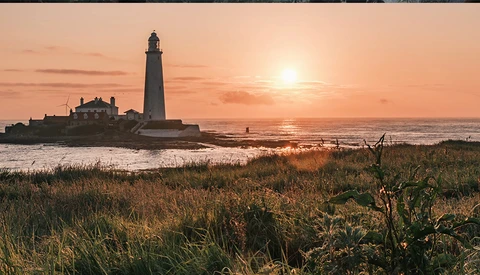
AI is increasingly shaping photography, and understanding its impacts, both positive and negative, is critical for your work.
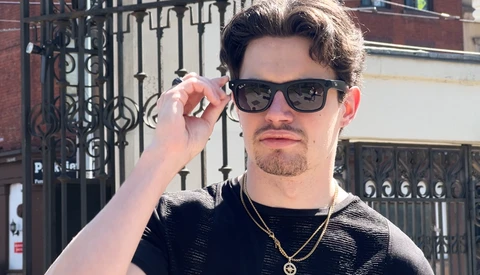
I’ve had the Ray-Ban Meta smart glasses for a while now, and this is what I think of them as a professional photographer, as well as why I picked them up and whether I would do so again. Smart glasses have come a long way from their initial inception many years ago.

On Monday, President Donald Trump signed the “Take It Down Act” into law, putting the United States among the first countries to impose criminal penalties on creators of non-consensual deepfake and revenge porn content.
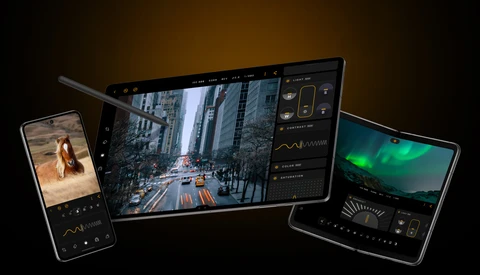
Skylum and Google have teamed up to bring Luminar Photo Editor to Android and ChromeOS. This move opens up powerful AI-driven editing tools to a wider range of mobile and Chromebook users.
Capture One just released a new public beta version, adding AI-powered retouching tools designed to streamline your workflow. Here's a look at how it performs.

Sitting with a Lightroom catalog that contains over 360,000 photos taken across a decade offers more than nostalgia—it presents a chance to analyze your photography habits. Understanding patterns in your shooting style can significantly enhance your photographic decisions.

Travel photography is at a crossroads, struggling between authenticity and uniformity. Smartphones, AI-generated images, and overtourism are transforming what it means to photograph places and cultures.
Skylum is rolling out a spring update to their popular AI-based editing program, Luminar Neo. Users should start seeing the update today when they launch the application.
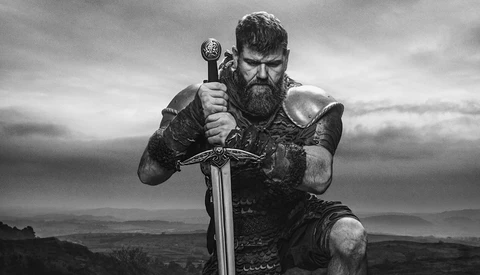
One of the toughest parts of photography isn’t mastering camera settings or lighting setups—it’s actually about keeping the person you're photographing engaged. Your excitement doesn't automatically transfer, so learning how to clearly convey your ideas becomes essential.

Adobe has been at the forefront of incorporating AI-based technology into its platforms, with the goal of allowing more people to take an idea from conception to finished product. Today, Adobe is announcing the incorporation of agentic AI across many platforms, including Acrobat, Express, Premiere Pro, and Photoshop.
Artificial intelligence isn't just for Photoshop anymore—Affinity Photo 2 is stepping into the game, aiming to offer powerful selection capabilities.
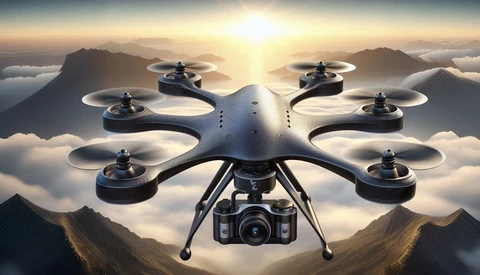
Forget AI-generated images like the one above. A leaked video on the dark web has revealed a fully automated, intelligent drone that does away with photographers.

Artificial intelligence is rapidly reshaping the filmmaking landscape, prompting both optimism and significant concern. Its growing presence raises important questions about creativity, authenticity, and the future of filmmaking jobs.
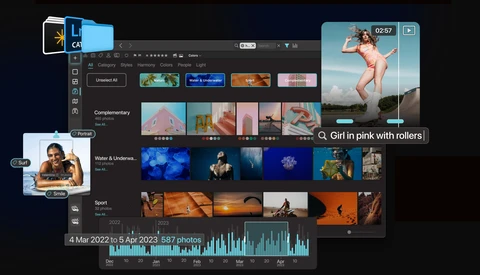
For Mac users, Peakto software has always been one of the premier solutions for cataloging and easily finding your media because it automatically sorts your media as it comes in, using AI to help you find images by content, colors, time of day, camera settings, and many other attributes.
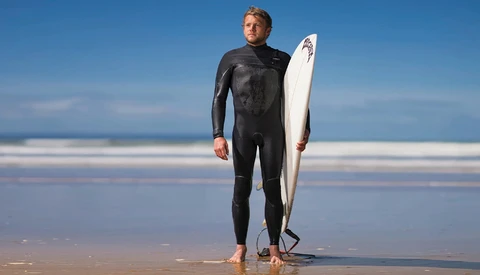
Getting natural-looking results when expanding your images can be frustrating, especially when relying solely on new AI tools. Knowing alternative methods can often yield far better outcomes.

Montana lawmakers are examining a proposal that would criminalize the creation and distribution of sexually explicit deepfakes generated by artificial intelligence. The measure targets content that portrays individuals in explicit scenarios without their consent, aiming to curb a practice that many believe has serious personal and societal repercussions.
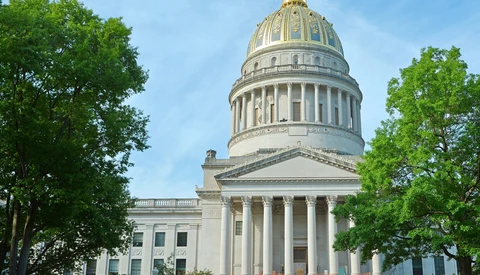
West Virginia lawmakers have advanced a bill that would require clear disclaimers on images altered by artificial intelligence when used in connection with elections. The new measure comes amid growing concern about how manipulated images can influence public opinion during critical electoral periods.
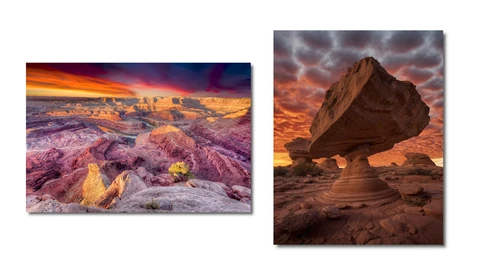
AI-generated images are becoming so convincing that even skilled photographers are being accused of faking their work.
Netflix's recent docuseries, American Murder: Gabby Petito, has ignited debate due to its use of artificial intelligence to recreate Petito's voice. Approximately 21 minutes into the first episode, viewers are informed that her journal entries and text messages are presented using voice recreation technology.

Media organizations and tech companies are increasingly adopting an open standard called Content Credentials to verify the authenticity of images and combat the spread of deepfakes. This standard, developed by a broad coalition, embeds provenance data and digital signatures into photos and videos, allowing anyone to check if and how a piece of media has been edited.
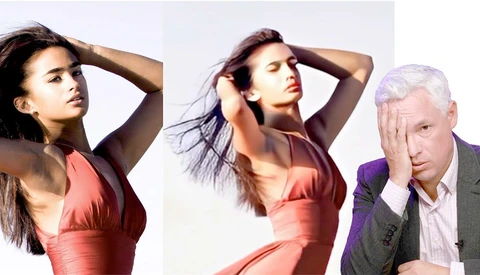
Adobe has just launched some AI video features as part of Firefly and, despite being beta and producing some terrifying results, Adobe is charging money for it.

If you thought that your relationship with your ex-wife was messy, you may not be the only one who feels like they’re in a game of relational chess. Elon Musk has thrown another curveball in his ongoing saga with OpenAI, offering to withdraw his jaw-dropping $97.4 billion bid. His one condition? OpenAI must abandon its pivot toward a for-profit model and return to its original nonprofit roots.

Photographers are increasingly concerned about AI's impact on their art. While huge arguments rage on about AI and copyright theft, artists are adopting two new tools that prevent their work from being scraped. It’s time photographers started employing them, too.