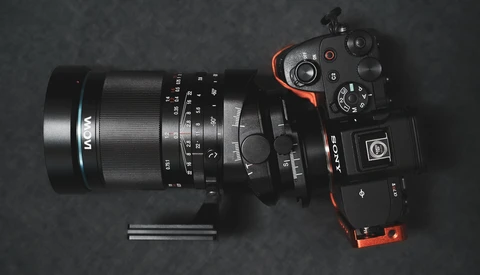
Review: Laowa Aksen 17.5mm and 45mm Ultra Macros 1x to 10x APO Zooms
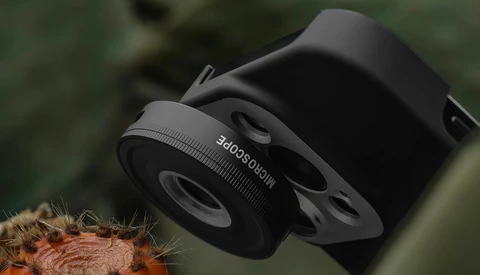
Today, let’s get close. Like, really close, with the new Laowa Aksen Ultra Macro zooms.
Macro lenses sit in a strange corner of the gear market: specialized enough that many skip them entirely, but capable of images that are hard to get any other way. The surge in macro photography during the COVID-19 lockdowns pushed manufacturers to release more options, and the category is now more crowded and more interesting than it's ever been.
Today, I decided to try something new. So, join me on a walk through the park with the NIKKOR Z MC 105mm f/2.8 VR S macro lens.
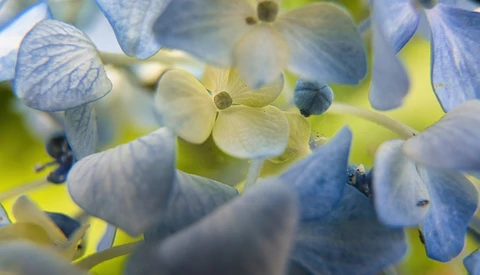
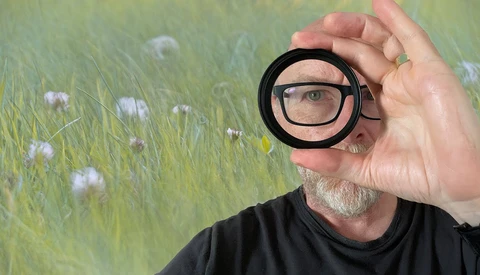
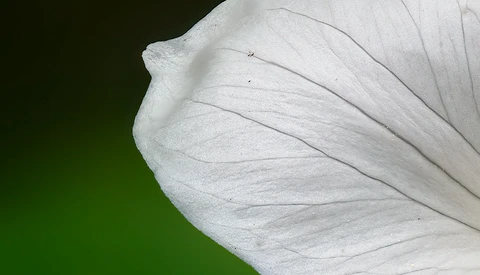
Macro and close-up photography is something we can all do, anywhere. We can find objects at home to photograph, or head outside into a local field or forest. It's a very enjoyable genre of photography. One of the more popular subjects to photograph is wildflowers.
Photography has become one of the most important tools for nature conservation. Our images can help us learn about wildlife species and can also inspire our audience to join existing conservation efforts. This is certainly not an easy task, especially when many animal species fall victim not only to myths and fears, but also to what humans label as "ugly" for failing to meet certain beauty standards.
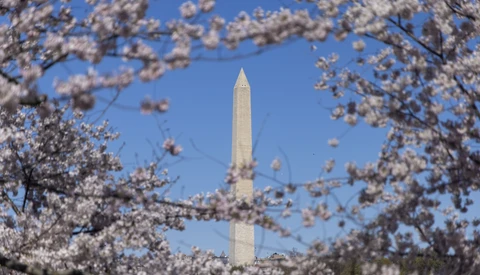
Every year, the cherry blossom trees around the Tidal Basin and throughout D.C. bloom in a spectacular display of pink and white petals. These annual events provide an opportunity to create stunning landscapes and captivating portraits. In preparation for this year's National Cherry Blossom Festival, here are some tips and tricks to help get you up to speed on where to get the best shots and when to shoot.
I wasn’t planning to shoot any macro photography that day because it is something I very rarely do. But I have such a huge respect for the macro masters I see and thought, "I would give it a proper go." After all, photography is very much about experimentation and creativity, so let's dive in, shall we?
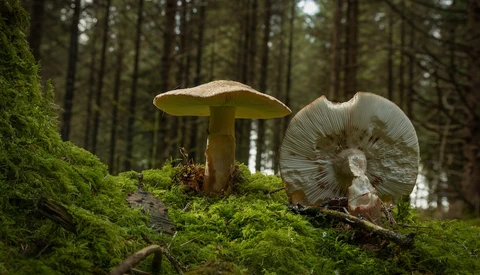
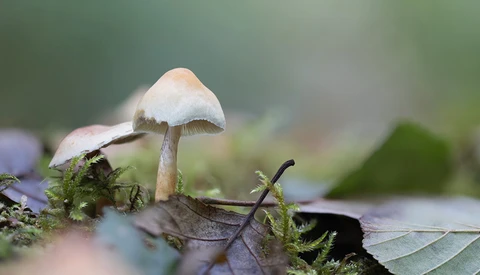
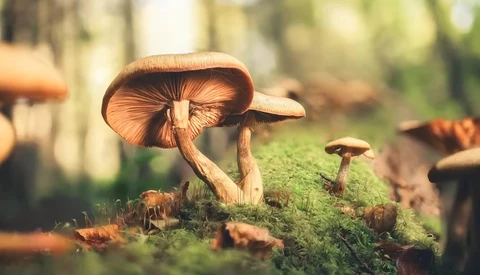
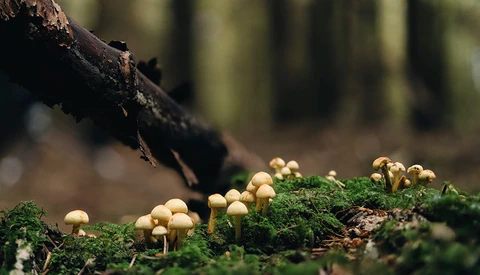
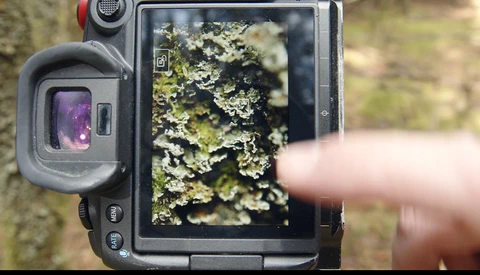
Every year when autumn arrives and the woodlands start to transform, I find myself turning my attention away from the sweeping landscapes and down to the forest floor. The change feels fitting — literally and figuratively — because photographing fungi is all about paying attention to the smallest details. It’s a slower, more deliberate process, where every small adjustment matters.
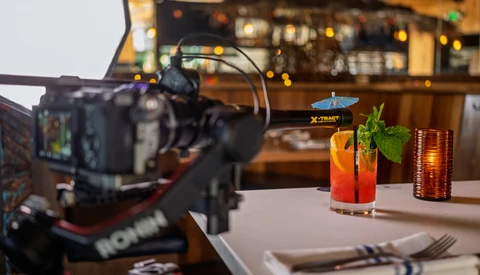
When shooting macro cinematography, you quickly realize just how much the right lens shapes the storytelling process. Many probe lenses tend to either be too rigid in focal length, difficult to balance, or less practical for fast-paced setups.
Mastering macro photography opens creative doors beyond traditional outdoor scenes. With controlled techniques and thoughtful setups, even your own living space can transform into a studio, allowing you to produce professional-grade images without elaborate equipment or spacious locations.
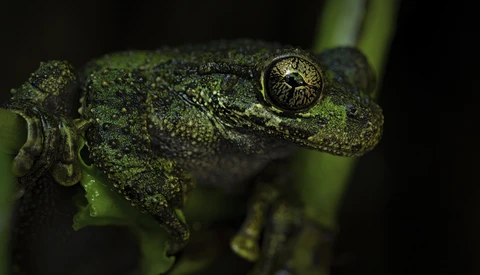
From a frog smaller than a fingernail to a crocodile longer than a boat, here are 10 tips that I remind myself of while photographing herps.
When you're starting macro photography, knowing what gear actually makes a difference is the fastest way to getting impressive shots. It's not about buying everything, but choosing exactly what matters to capture the small details you're after.
Macro photography sharpens your attention to detail and lighting, crucial skills whether you're exploring creative images at home or pursuing commercial work. Understanding how to effectively highlight small products, control lighting, and employ techniques like focus stacking can elevate your photography significantly, no matter what you shoot.
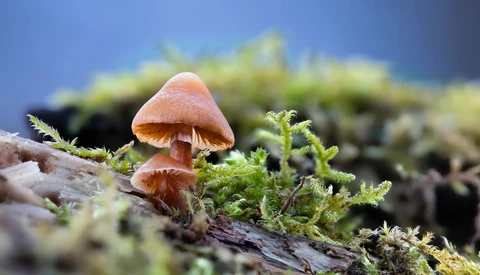
Macro photography opens up a world of detail that often goes unnoticed. Small subjects like fungi, moss, and intricate textures can turn into striking images when framed properly. But working at this level presents its own set of challenges, from finding the right focal length to dealing with distortion in certain lenses.
Macro photography projects can be some of the most creative ways to experiment with textures and colors at home. One fascinating technique involves using oil and water to create mesmerizing patterns, offering infinite possibilities for unique shots. It’s a simple setup, yet it delivers results that can rival more elaborate methods.
Tilt-shift lenses are specialized tools for photography and even video, and you can imagine the functionality expanding further when it is also a macro lens. But what exactly can you do with such a lens that literally bends for you?
Capturing the finer details in nature through macro photography requires a mix of creativity and technique. With the right approach, you can turn even the smallest subjects into visually compelling stories.
Focus stacking can take your macro photography to a new level by allowing you to capture every detail of a subject in perfect clarity, even when that subject has considerable depth. It’s especially helpful for macro shots, where your focus plane is often razor-thin. But capturing a sharp, focus-stacked image doesn’t end with taking hundreds of shots in the field; processing them correctly is equally crucial.
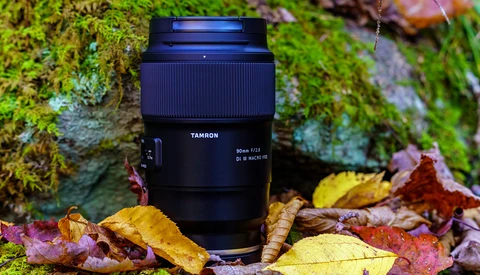
If you're in the market for a new macro lens for your Sony E or Nikon Z mount, you're definitely going to want to check out the new Tamron 90mm f/2.8 Di III VXD. I recently had the pleasure of testing this lens to review for you all, and I have to say, in price, quality, and features, it is spot on. Let's dive into it, and I'll share why.
Macro photography often brings to mind extreme close-ups and tight compositions, but what happens when you pair it with a wide angle lens? This setup offers a new perspective, giving your images context by incorporating the surroundings. Understanding how and when to use a wide angle macro can help you capture more dynamic and story-driven shots.
Macro photography lets you dive deep into nature’s hidden details, capturing the beauty in things most people miss. Whether it's the delicate textures of mushrooms or the subtle play of light, getting the techniques right can make all the difference.
Tamron announced its highly anticipated and newest lens for Nikon Z and Sony E mount, the 90mm f/2.8 Di III Macro VXD, on October 24, 2024, at $699/$949 CAD. Tamron is celebrating the 45th anniversary of the 90mm macro and building on its performance legacy with cutting-edge technology, inviting you to explore the possibilities in this latest lens.
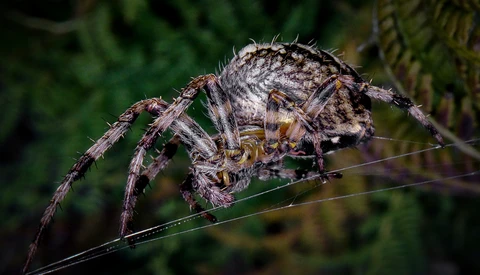
Getting started with macro photography, especially with insects, can be overwhelming. Mistakes with composition, focus, and lighting are common, but understanding these issues early on can significantly improve your results.
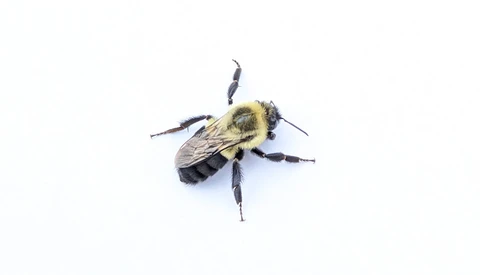
The Bumblebee Atlas Project focuses on the role of bumblebees in the broader ecosystem, helping to conserve species that are essential to pollination. Bumblebees and other pollinators help maintain the biodiversity that produces the vibrant, flourishing landscapes we all love to photograph.
You might think of yourself as a certain type of photographer, but that label can limit your creativity. It’s common to pigeonhole oneself into a specific genre, especially if you're a professional. However, breaking free from these labels can open up new avenues for expression and growth.
Extreme macro photography lets you explore a hidden world of minute details. This guide will help you capture these fascinating images with clarity and precision.
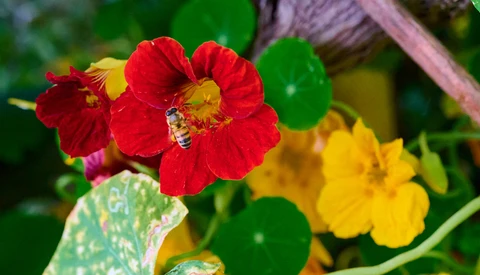
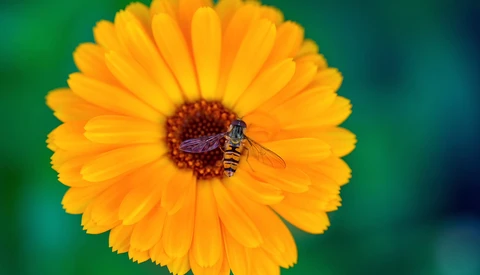
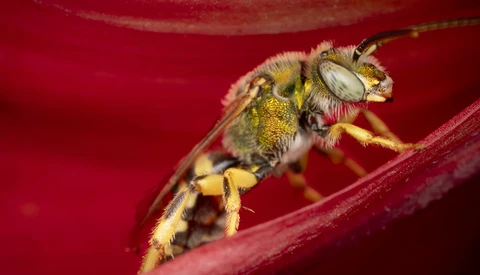
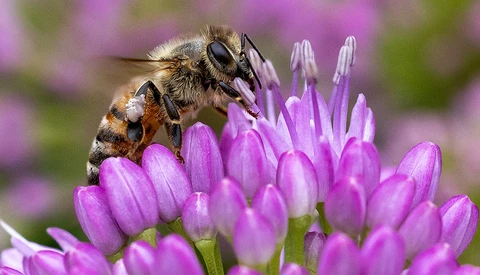
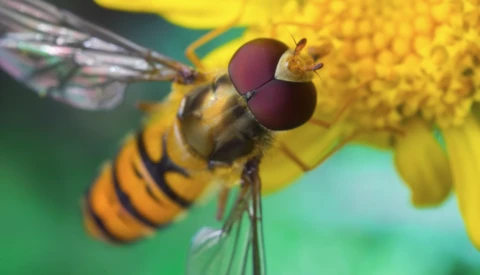
The bee photo is a summer rite of passage that any new (or old) photographer needs to take. It's not really officially summer until you get that photo, so here are some basic tips to get started photographing these colorful creatures.
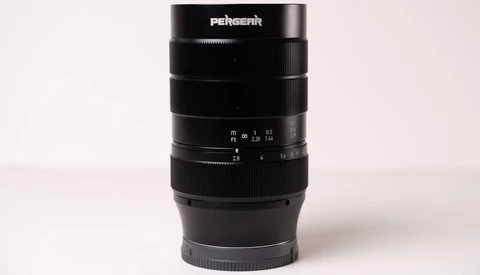
Truly affordable macro lenses, especially for hobbyists who are just starting out, are tough to find. The Pergear 60mm Macro lens promises magnification beyond the standard 1x reproduction ratio, but at just $200, can it really deliver usable results? In this hands-on review, I’ll test out this lens and take a detailed look at its performance.
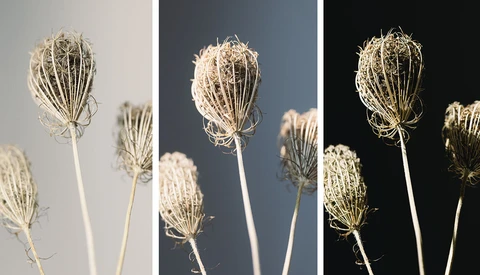
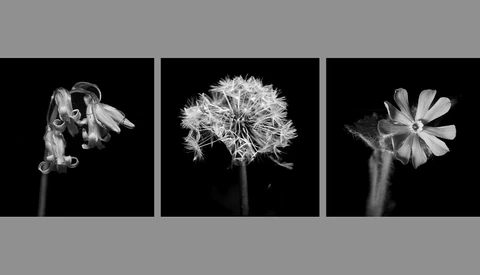
Springtime often inspires photographers to capture the vibrant colors of blooming wildflowers. While the allure of colorful floral photography is undeniable, there's a unique beauty in exploring wildflowers through the lens of black and white. By stripping away color, you can focus on the intricate textures, shapes, and forms of these delicate subjects, revealing a different dimension of their character.
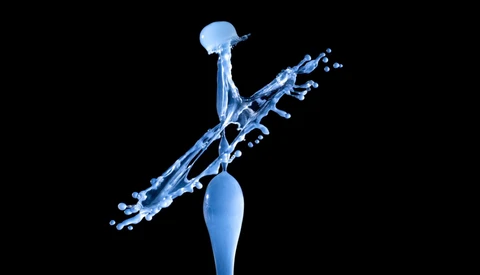
Creating stunning macro splash photographs requires precision and control, especially when capturing the intricate details of water droplets colliding. While manual methods can be time-consuming and yield inconsistent results, specialized tools offer a more efficient and reliable approach. This helpful video will show you how to use such a kit and how to create captivating results.
Macro photography presents a unique challenge: finding compelling subjects in a world often overlooked. While dedicated macro photographers might cultivate specific environments for tiny creatures or invest in specialized equipment, the reality is that macro opportunities exist everywhere, from your backyard to local parks. The key lies in training your eye to see the miniature landscapes and intricate details that most people miss.
Macro photography offers a unique perspective, revealing intricate details and hidden worlds often unseen by the naked eye. However, achieving sharp focus throughout the entire image can be challenging due to the inherently shallow depth of field. This is where focus stacking, a technique that merges multiple images with different focus points, becomes invaluable.
Macro photography opens up a world of detail often unseen by the naked eye, allowing you to explore the fascinating intricacies of small subjects. This is especially valuable for photographers seeking inspiration close to home, transforming everyday objects into captivating works of art.
Macro photography offers a unique lens through which photographers can explore the minutiae of the world around them, turning the ordinary into the extraordinary. This technique is particularly compelling because it allows for the exploration of texture, color, and detail in subjects that might otherwise be overlooked, all without the need to even leave your home.
The new Panasonic Lumix S 100mm f/2.8 Macro lens is remarkably small and portable for what it offers, making it an intriguing option for macro and portrait work alike. This excellent video review takes a look at the lens and the sort of performance image quality you can expect from it in usage.
Macro photography, a realm often overlooked, offers photographers a unique way to transform ordinary subjects into extraordinary images. This niche pushes the boundaries of creativity, turning mundane objects into captivating subjects, and is worth a try by anyone who enjoys the photographic process.
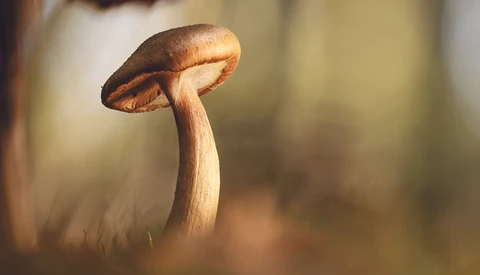
When autumn arrives, it's time to photograph mushrooms. Creating something unique can be challenging, but you don't need to use the most expensive or elaborate equipment, nor do you need a macro lens. I have some nice ideas for you when you go out photographing mushrooms.
The AstrHori 18mm f/8 macro 2:1 lens released a few months ago is the nearest competitor to the Laowa Optics probe lens and at half the price, it is something that should be considered by both macro photographers and videographers.
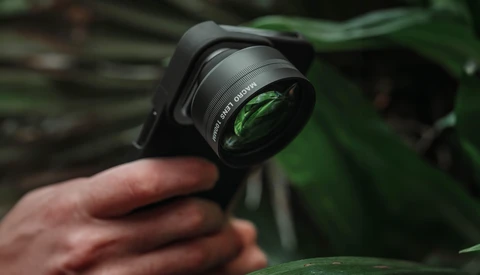
If you've wanted to try macro photography but didn't want to outlay on all the special equipment necessary, you're in luck. If you're an iPhone user, SANDMARC has a 100mm Macro lens you can screw onto your phone, and I put it through its paces.
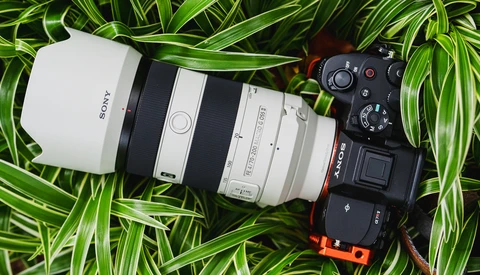
In a time when older cameras and lenses are getting new updated versions left and right, one of the best things to see is when the piece of gear gets an entirely new purpose. This is definitely something that no one expected from the new Sony f/4 telephoto lens.
Macro photography can be a tremendously rewarding pursuit that allows you to see a world that is all around us and yet, invisible to the naked eye. If you are new to the genre and wondering how to get started, check out this helpful video tutorial that features an experienced macro photographer sharing everything you need to know to get underway in just 10 minutes.
Many photographers who get into medium format come to it with large collections of full frame lenses, and as such, it would be great if they could work on their new gear. Two of the best candidates are Canon's TS-E 17mm f/4L Tilt-Shift lens and TS-E 24mm f/3.5L II Tilt-Shift lens, and these helpful videos take a look at how they hold up on a Fujifilm medium format sensor.
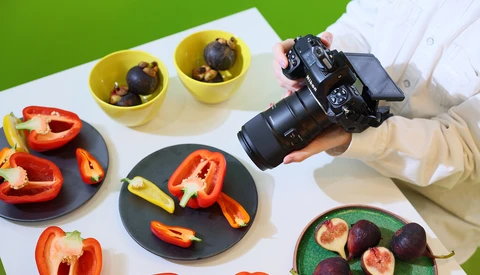
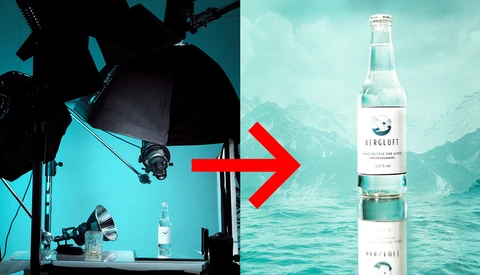
When it comes to product and food photography, lighting is critical and can make or break the final image. Achieving the perfect lighting can be a complex process, even more so if you are just starting out with this type of photography.
In our biggest FAQ about product photography yet, we discuss some of the most common questions a photographer at any skill level might have, from simple ones about settings to complex ones about the type of reflection a leather surface produces under hard light. This article was created to help you create better product images.
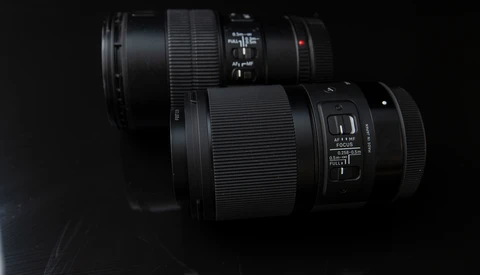
Once upon a time, Sigma was a brand thought of by many as the compromise lens if you couldn't afford the household names. Times have changed, though, and Sigma has gone beyond offering competitive lenses to making remarkable lenses and even some notable industry firsts. Being a photographer who works heavily in product work, I decided to put the Sigma 70mm f/2.8 DG Macro Art lens in a shoot-off against the Canon EF 100mm f/2.8L Macro, and the results were... well, read on and find out for yourself!
The beauty of macro photography is that you do not have to travel, book a model, or do anything involved to produce fantastic and compelling work. We are literally surrounded by potential subjects everywhere we go, and with a little bit of knowledge and patience, you can capture an entirely different world hidden in plain sight. If you are new to macro photography, check out this fantastic video tutorial that will show you everything you need to get started.
In this informative video, "The Outsiders," Rob Cottle and Geraint Radford head out into the wilds of South Wales to photograph deer. Along the way, they talk about wildlife photography techniques, the kit they use to get the photos, and dabbling in close-up and macro photography.