
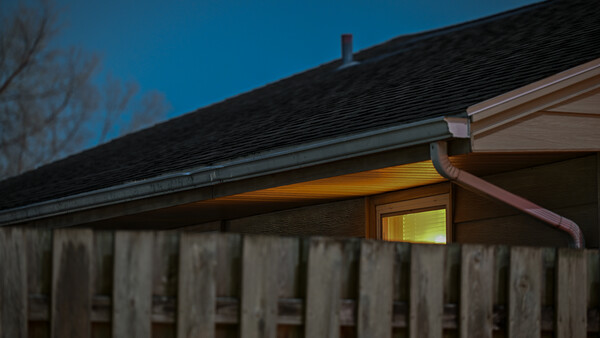
You can nail the exposure and still miss the photograph. How? Because numbers teach “correct,” but story teaches truth. A flawless histogram isn’t a finished narrative—and perfect light doesn’t guarantee a picture that speaks.
Think outside the box. I genuinely hate that saying. As a photographic educator, I instill in my clients the idea that there is no box. We know that we lose creativity and creative thinking when we, as creatives, confine ourselves to a box, thereby hindering our abilities. Why would I not start to think like there is no box, so we do not fall into the trap and confine ourselves to the box that we so desperately strive not to be in? Exposure falls into this line of thinking as well. We strive for the perfect histogram. Let’s ask ourselves this question: If the histogram is perfect, why does the image feel empty? It all comes down to whether we have exposed the image for the story we are trying to tell.
Where numbers teach correctness, story teaches the truth. What does this mean? Numbers are your exposure, teaching what we call correct exposure. At the same time, the story teaches the viewer the truth. Exposure isn’t a math equation; it’s an aspect of telling the story with light, and how we expose for the scene helps tell the story to the viewer.
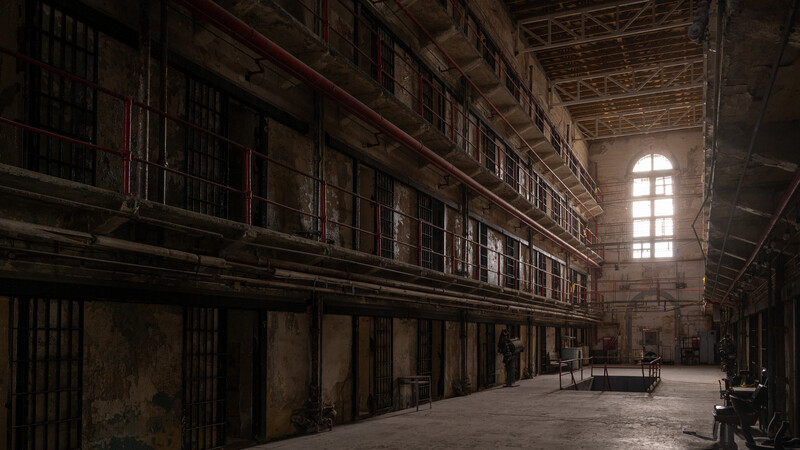
Obsession
In our early learning phases of photography, we are taught the concept of “correctness.” We were taught the rules of exposure, the right Sunny 16, and told not to clip the highlights. These things are the correct way for many. This marks the early beginnings of a photographer’s obsession. We start obsessing over exposure and striving for the perfect exposure in our photographs. Now, don’t get me wrong. There is such a thing as correct exposure for the picture we are taking. What I mean by that is that the light meter does not have to be 0.0 for the exposure to be correct. A perfectly exposed photo can still fail to convey a message.
All this can eventually become a crutch or an excuse for our photographs, and one will say that it is a perfect exposure. When this happens, we choose safety over expression, which ultimately leads to thinking inside the box again. When the exposure is about the exposure meter, the image looks right, but when the exposure is about the story, the image feels right.

From Numbers to Narratives
There is an issue that lies within the photo community that is more prevalent than it has been in the past. That problem: intent. I see so many photographs that have no intent behind them. These are no longer photographs, but snapshots. Within this realm, there also lies the concept of exposure intent. This leads to what we want our viewers to feel or take away from an image. Exposure is no exception; you need to make exposure decisions with intention.
Remember that light is more than illumination in photography; it’s about storytelling. Light—and how we use it in our photographs—can transform an ordinary picture into an extraordinary one, all with the use of light. You can ask yourself, “What emotion do I want the light to convey?” You can examine exposure intent within this framework.
-
Mood: What do I want the viewer to feel?
-
Priority: What matters most in the frame?
-
Sacrifice: What am I willing to lose (shadows/highlights)?
Exposure is more than balancing light; it’s language. Each tonal range speaks differently, shaping how viewers feel before they consciously think. When you adjust exposure, you’re not just managing brightness—you’re changing emotional tone.
- Shadows: weight, mystery, introspection. Underexpose slightly for gravity or loneliness.
- Highlights: hope, purity, openness. Overexpose slightly to give light room to breathe.
- Midtones: truth, presence, balance. Maintain midtones that are honest for realism and connection.
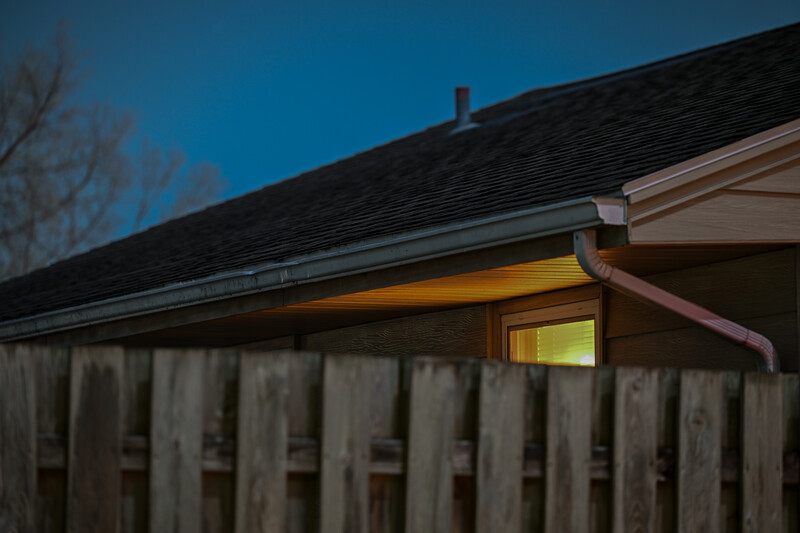
A Practical Method
I am a massive believer in having a solid process, whether out in the field or behind the desk editing. When you follow a process, you’re less likely to miss a step or two in the image-creating process. Same when it comes to exposure. Below are six steps to applying a thought process to exposure while in the field.
-
Define the Feeling: What do you want to convey or evoke in your viewer?
-
Define the Hero: What is the photo about (aka subject)?
-
Accept the Loss: Decide what you are okay with losing in your photograph.
-
Meter for Your Story: Decide on the story you are telling and determine your overall exposure to help tell it effectively.
-
Test, Adjust, and Verify: Meter and photograph the scene while constantly checking your exposure to see if the choice made is working for the image and story you are telling.
-
Fine-Tune: If the exposure doesn’t feel right, tweak it until it does.

Keeping the Intent Alive
Intent does not end with exposure. You have to keep it alive within your post-processing. Why spend all that time creating an image only to throw it away in your post-processing? Beyond losing your initial vision, you can also add and change the mood of your photographs. Remember, during the process, to preserve your mood and not normalize your tones in the image. Remember that you do not always need to make global adjustments to your pictures. Localized adjustments, such as curves, dodging, and burning, can make a significant difference in creating the look and feel of your photographs. Post-processing should protect your intention, not cover your mistakes.
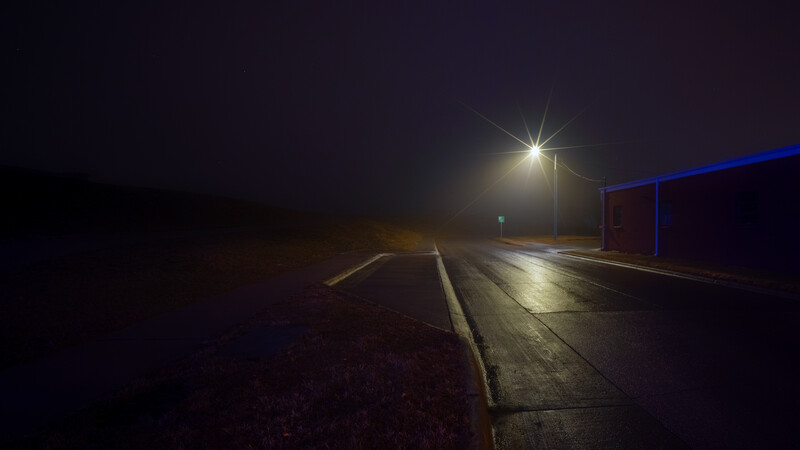
Over and Underexposing
In a world where exposure being correct is an absolute must for some, there comes a time when being over- or underexposed sets the mood and feel of the image. If you’re aiming for a moodier and darker image, underexposing is the way to go. Whereas, if you are looking to create a light and airy mood for a wedding, you would want to be overexposed. Now, these two images can have incorrect exposure, being either too over- or underexposed, and you can still overdo it.
Exercises: Training the Eye, Not the Meter
-
Three Moods, One Scene: Photograph the same subject as calm, tense, and hopeful.
-
Subject Priority Drill: Protect one part of the frame at all costs.
-
Black-and-White Meter Walk: Remove color; expose only for tone and feeling.
-
Write Your Exposure Intent: Before each shot, finish this sentence: “This photo should feel like ___.”
In the End
Exposure isn’t about always hitting 0.0—it’s about hitting the emotion. Exposure is still an essential part of the image-creating process, but one must remember to think outside the box, or as if there is no box. The story always comes first; the settings come second. If there is no storytelling in the image, then do we really have an image?






Join the Fstoppers community for free
-
Post comments and join in the discussions
-
Browse the site ad-free
-
Share your work and get featured in the community
-
Compete in the photo contests for fun and prizes
4 Comments
I really enjoyed reading this piece because it speaks to something I’ve lived as a maternity and newborn photographer — technical precision alone doesn’t make a photograph meaningful. The article points out that you can nail exposure in a technical sense, hit a perfect histogram, and still end up with an image that feels empty because it lacks intent and story.
In my work with expecting parents and newborns, there have been countless moments when the “correct” exposure wasn’t the one that told the story best. Early in my career, I remember adjusting every dial to please a meter, only to look back at those images and feel distant from the emotions I was trying to capture. What mattered more was how the light felt in the moment — the softness wrapping around a newborn’s tiny features, or the gentle glow that mirrored a mother’s anticipation. That connection can’t be measured in numbers alone.
This article sharpens that insight: exposure isn’t just about balancing highlights and shadows, it’s about conveying mood, prioritizing elements within a frame, and making deliberate choices that serve the narrative you want to share.
That’s something I think all photographers — whether in studio or on location — should carry with them: don’t let “correct exposure” become a crutch. Let intention and emotion lead, and let light be your ally in telling a story that resonates.
Thanks for the comment!
A response I posted in another forum site on a question about technique (again). There seems to be an absolute focus on technique rather than the visual - what draws you to take the photograph in the first place
I wholeheartedly agree with this article. Back when I used to teach a bit, and I still go by this is, I've always told newcomers who have bought a complex camera with no real idea on how to use it to 'Put it on P and learn how to see'
Technique can be learnt, vision is something completely different, hence focus on what makes something visually interesting and then work out how to use the camera
I'm sure we've all made and seen impeccably exposed, sharp, full of technique images that are absolutely soulless, but having a vision and desire to create it will almost certainly inspire those who are interested enough to learn what they need to know to achieve that vision
Love your thoughts on this!