Shooting a landscape and making it feel like a landscape are two different things. Steve O'Nions makes that case convincingly, and his approach to doing it with a Holga and fiber-based darkroom prints is worth paying attention to.
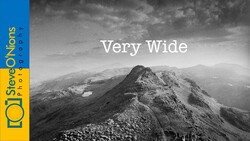
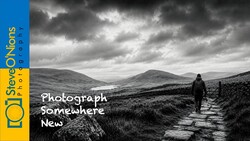
Coming to you from Steve O'Nions, this meditative video follows O'Nions through a landscape shoot, then into the darkroom to make prints from his preferred negatives. He opens with a point that cuts straight to the heart of landscape work: a technically perfect, high-resolution image of a beautiful location might represent what was there, but it can't make someone feel cold wind or smell the air. The person watching at home, on a bus, or at a desk is completely detached from the physical experience. That gap, O'Nions argues, is exactly why a straight photograph often fails where a more interpreted one succeeds. His solution is to depart from reality in order to convey it, which sounds contradictory until he explains it.
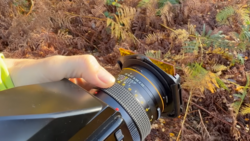
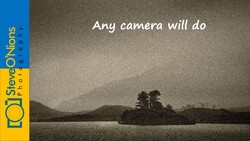
That's why O'Nions gravitates toward stark monochrome, heavy grain, and in some cases, a warm lith effect rather than clean black and white. He's deliberate about the word "monochrome" too, noting it implies more than one color and gives him room to work with tone in ways that "black and white" doesn't quite capture. He also shoots the same locations repeatedly with different cameras on different days, not to document change but to find which approach resonates and which he can rule out. The Holga he brings on this particular outing is crude by design, and that's the point.
The darkroom sequence is where the video really settles in. O'Nions prints on fiber-based paper, which he prefers over resin-coated stock despite the extra work involved in washing, drying, and flattening it. He uses split-grade printing to control contrast, dodging and burning in a way he directly compares to what he does in Lightroom, though he doesn't touch Photoshop for his digital work at all. He's also sensitive to sulfites, so he skips the clearing agent and lets the prints wash for close to an hour instead. One thing he addresses that often goes undiscussed in darkroom content is the wet-print problem: fresh fiber prints look higher contrast and more brilliant than they do dry, so you have to print lighter than your instincts tell you. He ends the session spotting dust marks by hand with tiny applications of ink, a slow and painstaking process he finds oddly satisfying. Check out the video above for the full darkroom walkthrough and O'Nions' thoughts on what makes a landscape photograph actually work.
Join the Fstoppers community for free
-
Post comments and join in the discussions
-
Browse the site ad-free
-
Share your work and get featured in the community
-
Compete in the photo contests for fun and prizes
No comments yet