
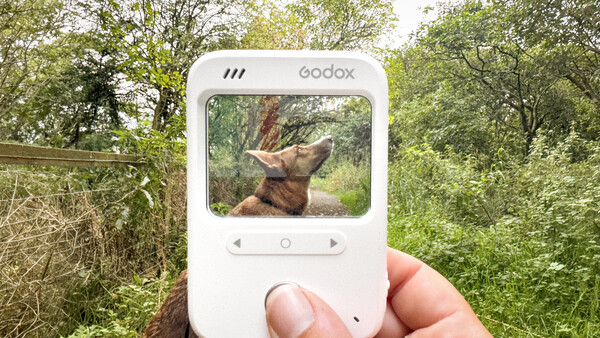
I love exploring photography in all its forms, and that extends to novelty cameras. When I saw the Godox C100, which looks like it belongs in the 1990s, I had to try it as a new way of making images. It has no rear screen, so you can't perfect your composition, and you can't check a shot after you take it either.
Without a rear screen or an electronic viewfinder, the Godox C100 changes how you shoot. You press the shutter and move on, so what you capture are snaps and memories of your day rather than perfectly captured shots. I stopped aiming for perfection because I couldn't properly plan for it, and I spent a very pleasant day off using this screen-free camera, away from my usual digital practice.
If you shoot mirrorless and miss looking through an optical viewfinder, this will scratch that itch. It's good practice for thinking about composition by looking through the frame, although its inaccurate framing limits its usefulness for teaching precise composition. It's certainly child-friendly too, being so lightweight and simple to use.
What's in the Box
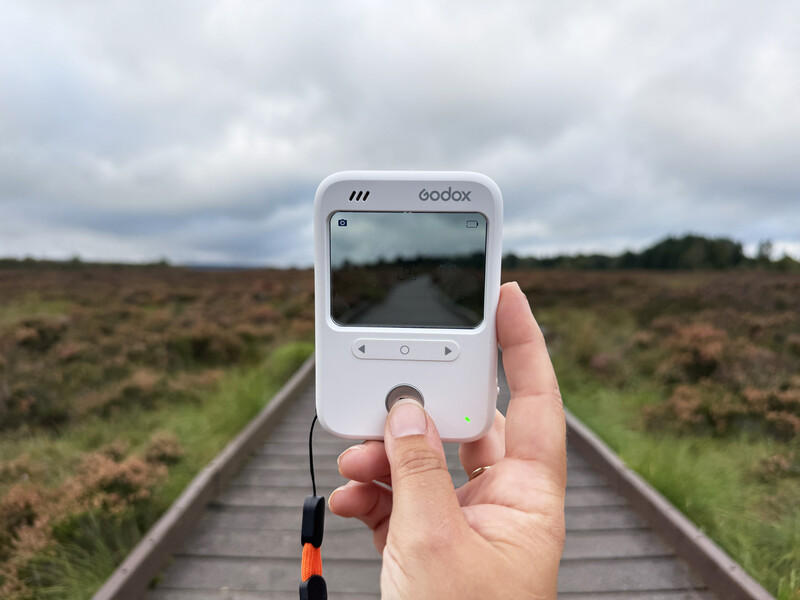
The standard C100 package includes the camera and a USB-C charging/data cable. A soft pouch and lanyard are available in a separate kit, and a microSD card is required for storage. Unofficially, you could also say that a light meter is included in the box too, because metering measures the brightness in the central 25% of the frame, which would make this little camera a good addition to your analog photography kit.
The Non-Viewfinder
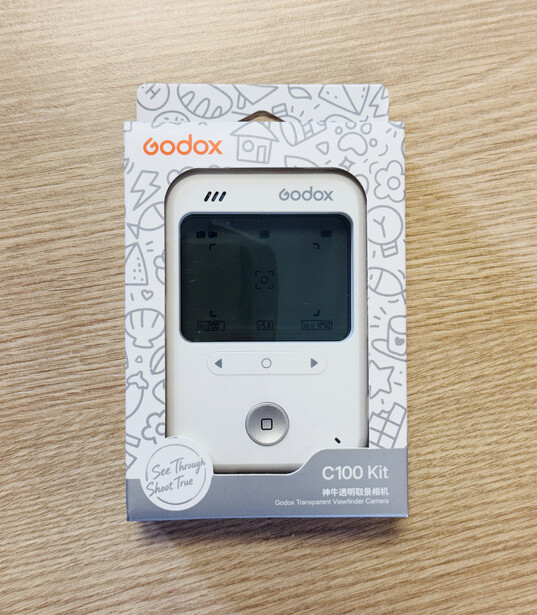
Instead of a screen for reviewing images, the C100 has a large, transparent optical viewfinder that you look straight through, a bit like a window. Godox rates it at over 50% light transmittance, and a display on the glass shows exposure data, frame lines, battery level, aspect ratio, and shooting mode. You're composing by looking at the real scene rather than a picture of it, and nothing appears after you press the shutter. Composition is quite hard to judge because it's difficult to tell exactly what's in the field of view, and the lens unit sits above the window rather than behind it. The field of view very much depends on how close or far you hold the camera from your eyes, so what you see isn't quite what you get. I wasn't looking for accuracy or perfection, and that's the point of the camera.
Key Specs
- Weight: 65 g
- Dimensions: 104 x 72 x 19 mm
- Sensor: CMOS
- Video: 1080p at 29.97 fps
- Battery life: Over 1.5 hours of continuous shooting (manufacturer rating)
- Aspect ratios: 16:9, 4:3, 3:2, and 1:1
- Storage: microSD up to 128 GB
- Connection/charging: USB-C
- Light meter: Center-weighted, reading the central 25% of the frame
Using It
There is no doubt about it, the C100 camera is very user-friendly. There's a single switch with four positions—photo, video, light meter, and power off—plus the shutter release and aspect ratio controls, and that's about it. The body is ergonomic, lightweight, and easy to hold. Battery life was good; it lasted a day of casual shooting. Charging and downloading images are both simple over USB-C.
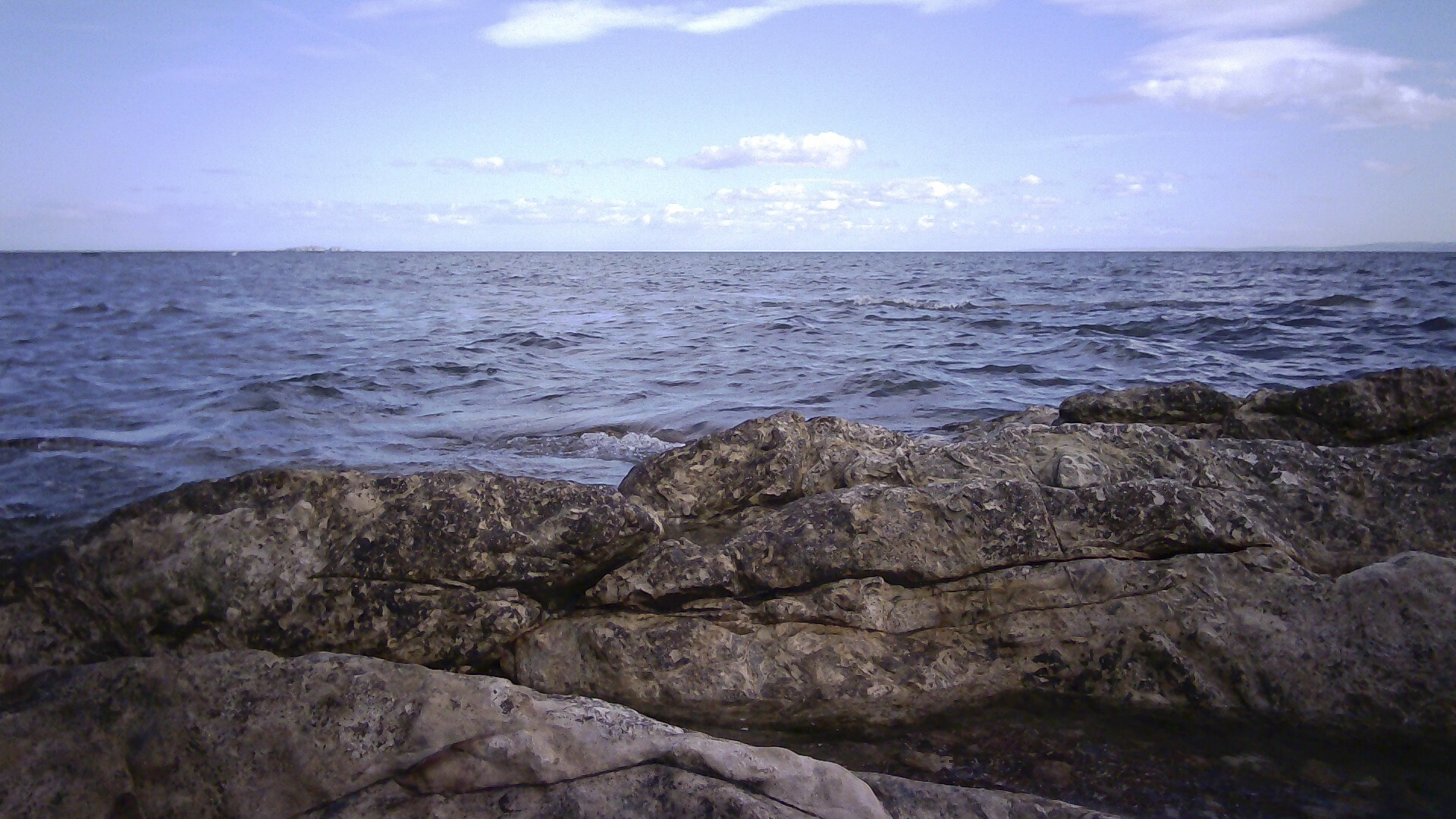

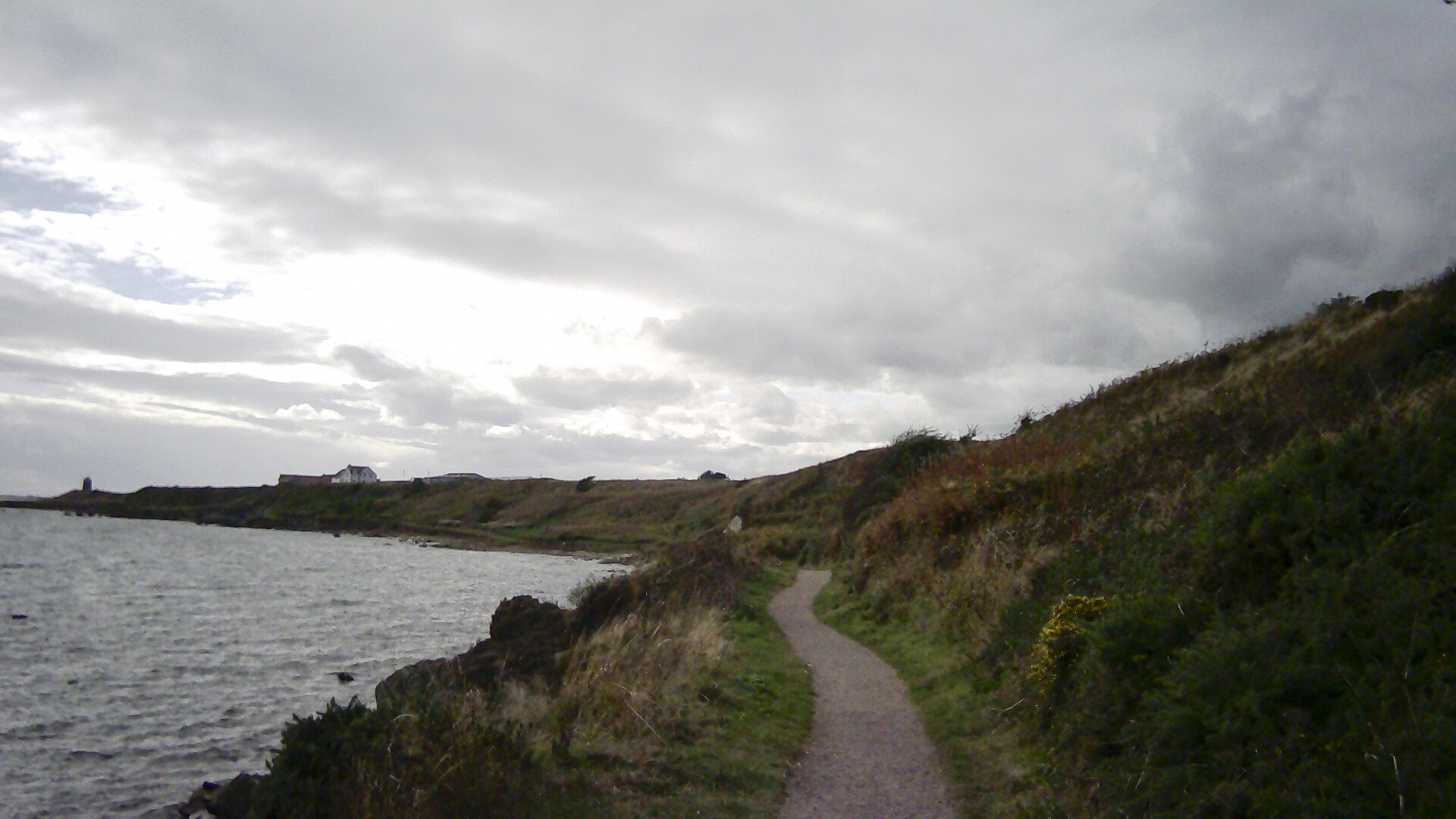

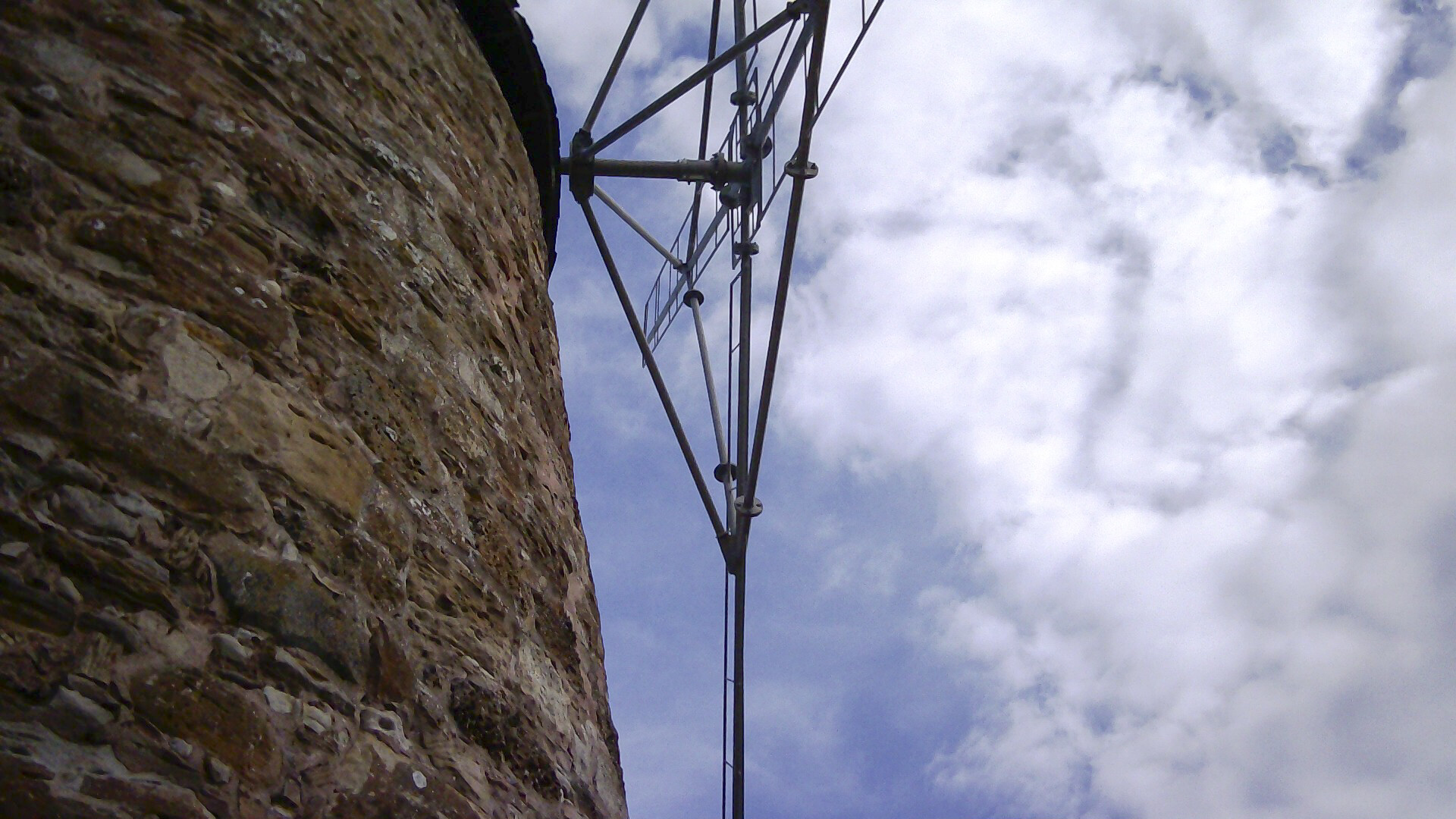
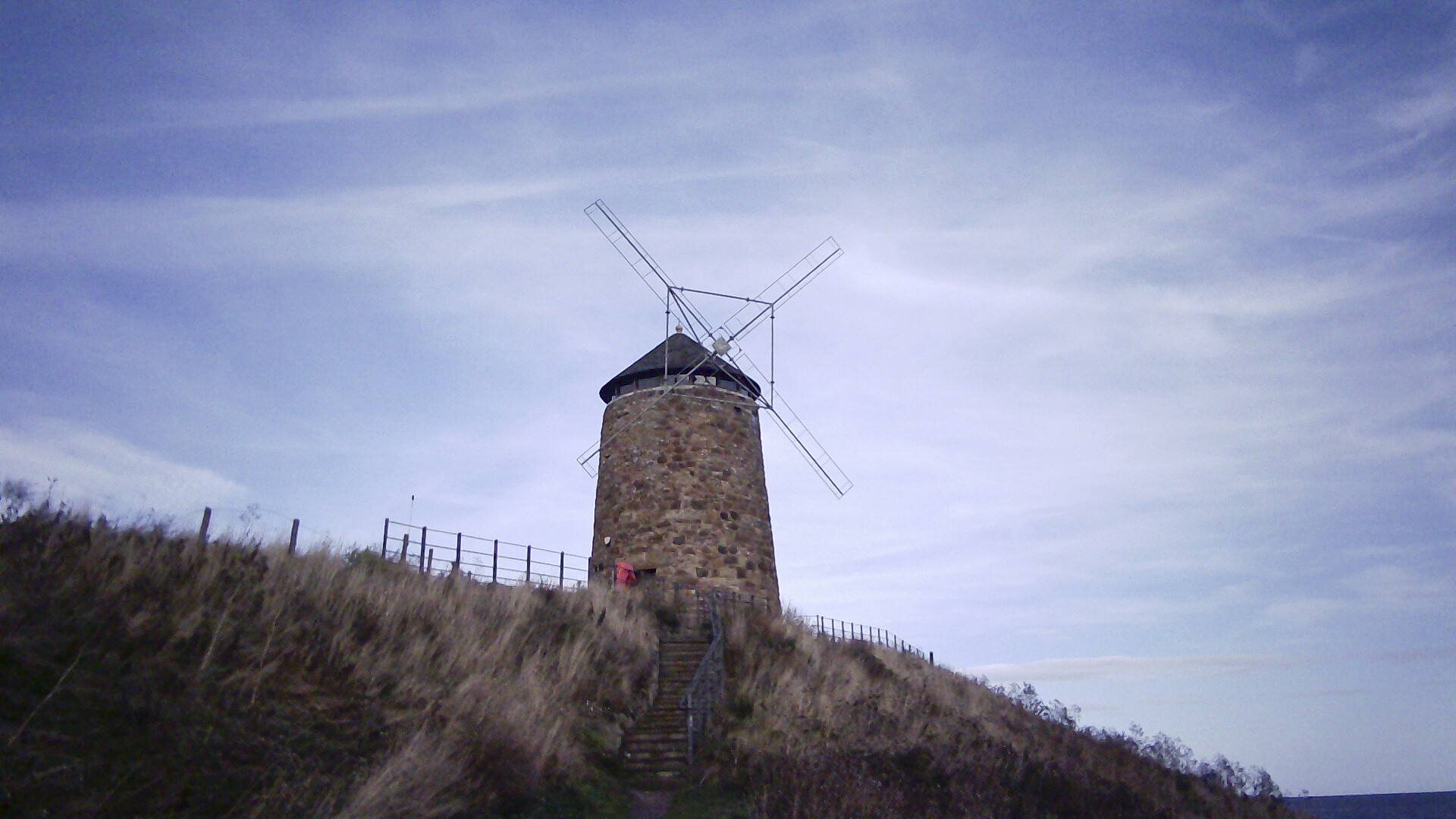
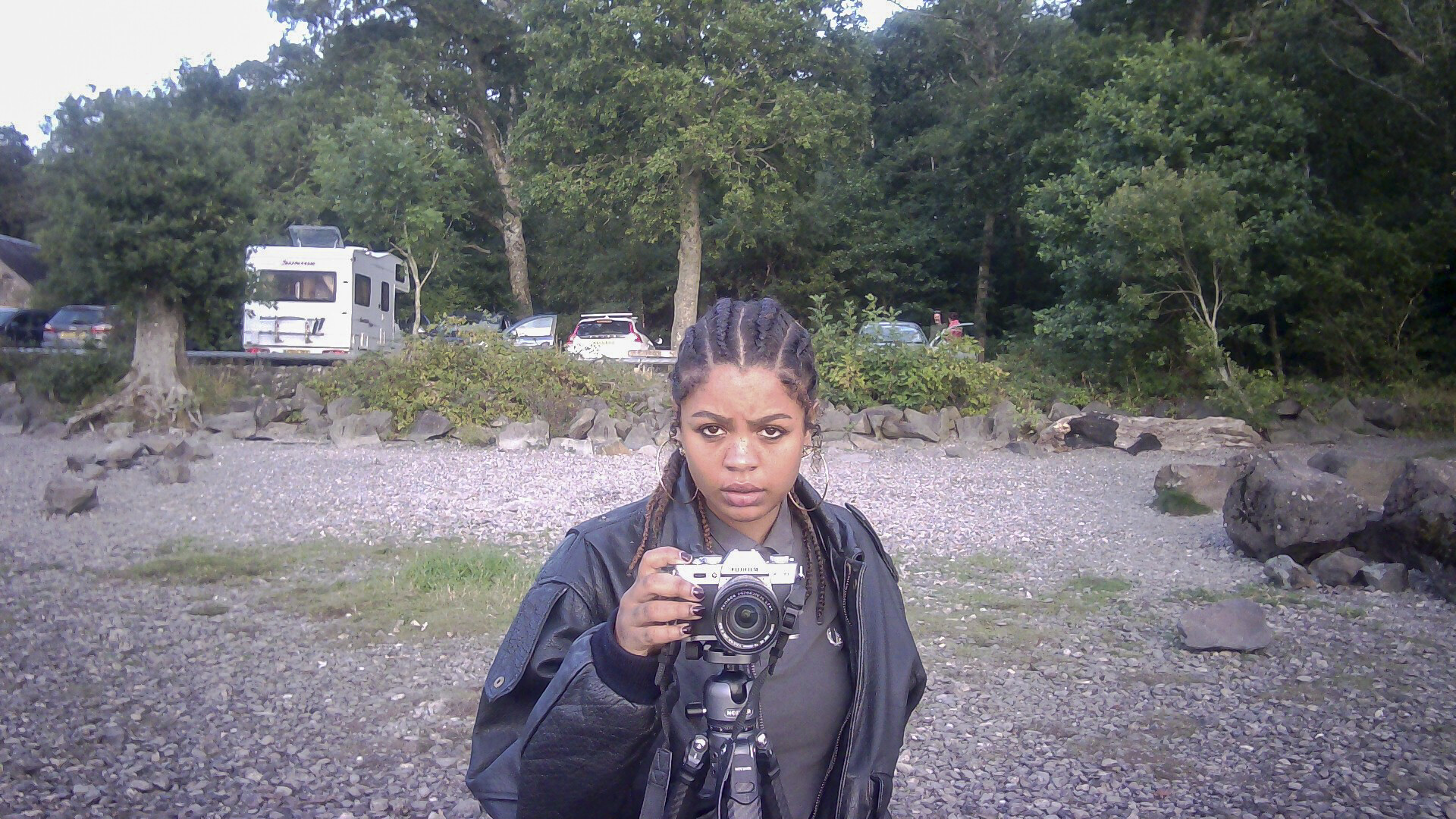
Image Quality
The quality of the images varies depending on the scene you have in front of you. If you shoot with the sun at your back or in even lighting, the camera does a great job, but it does struggle with backlit scenes, with highlights often blown. During my testing, I found the white balance inconsistent at times, so colors can shift from one frame to the next. The experience sits in the spirit of an early digital camera. If you want perfection, shoot with a pro camera. The C100 is something else, and it's more about the experience of making images than the technical quality of them.
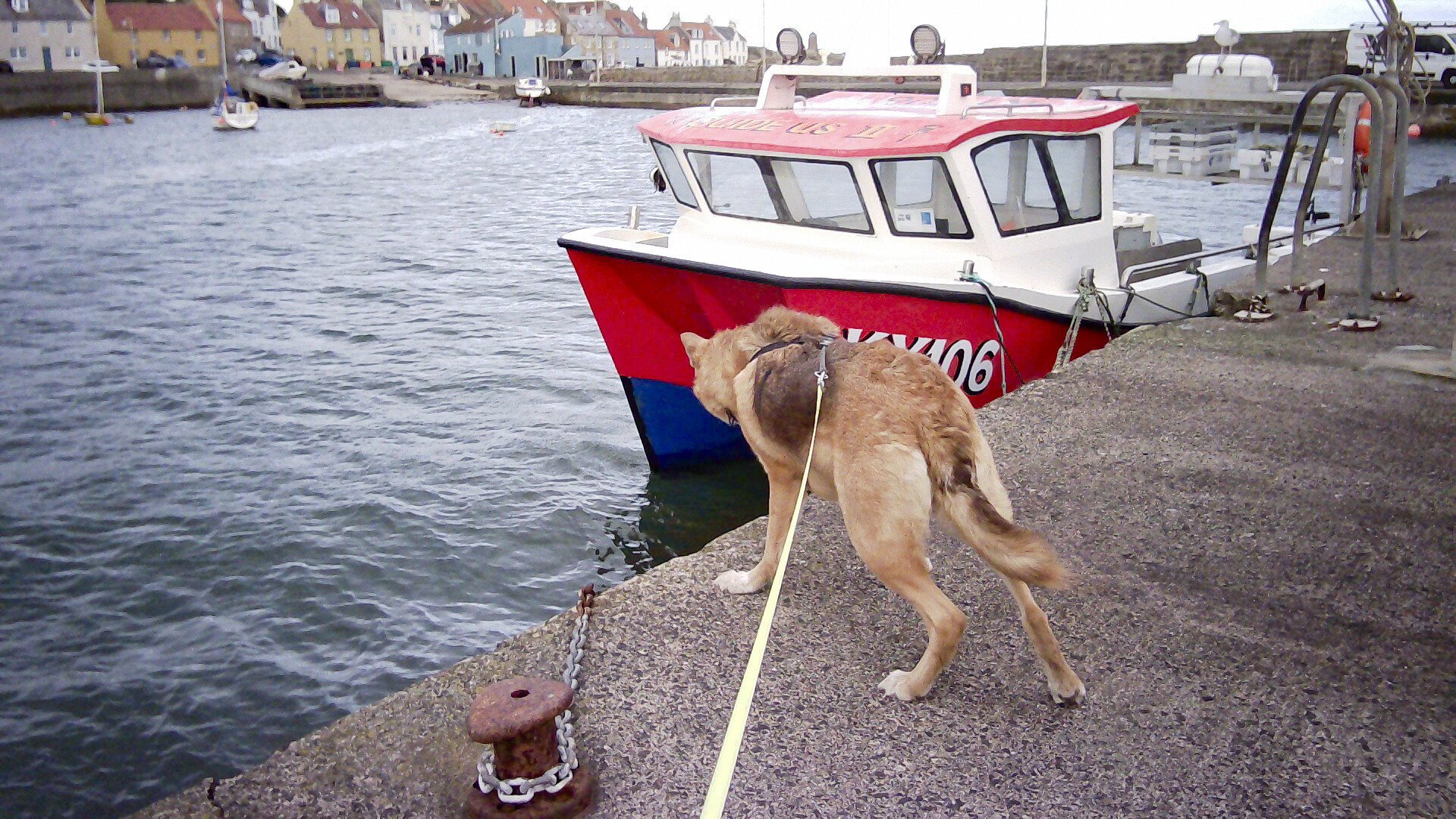
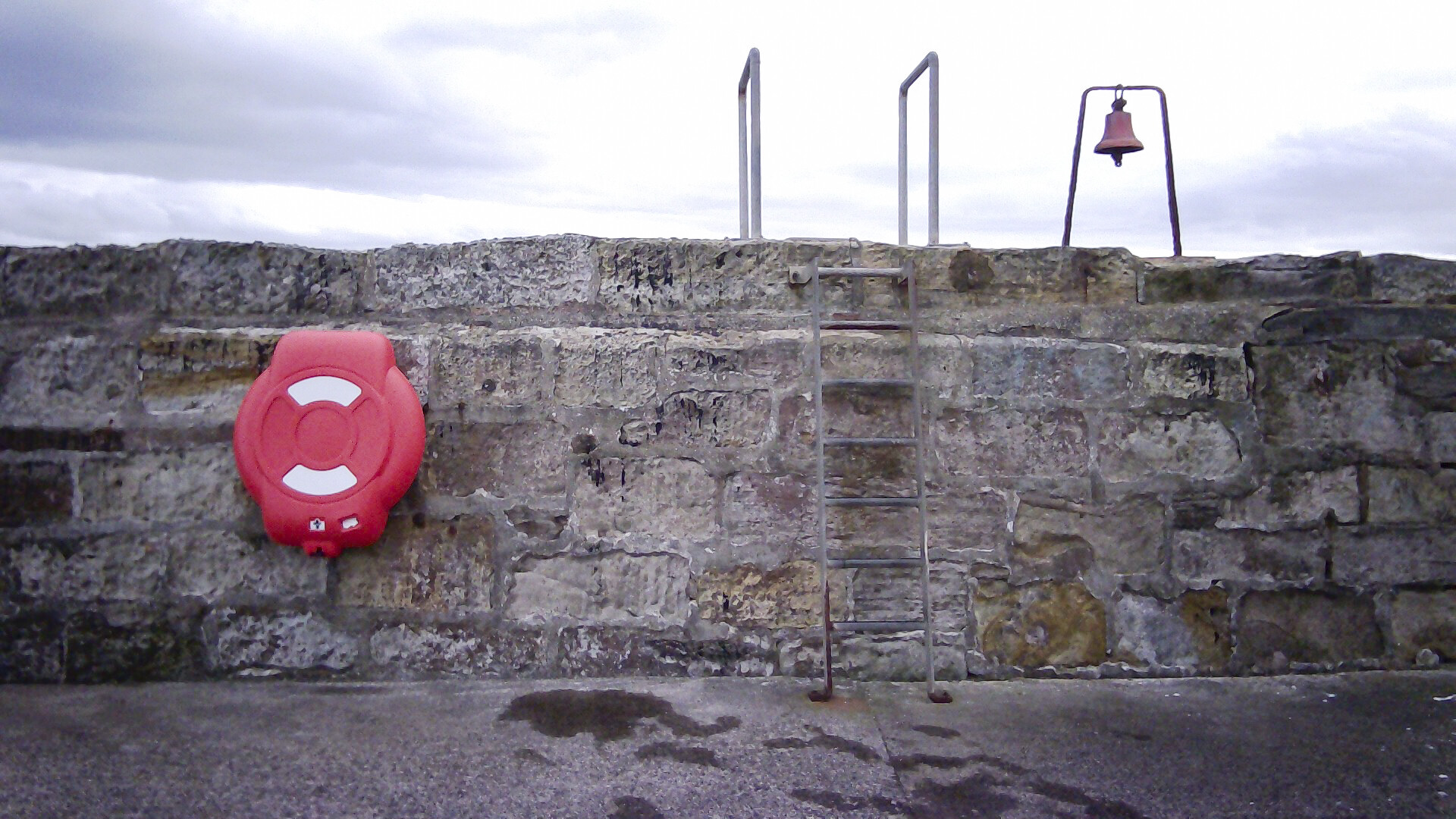
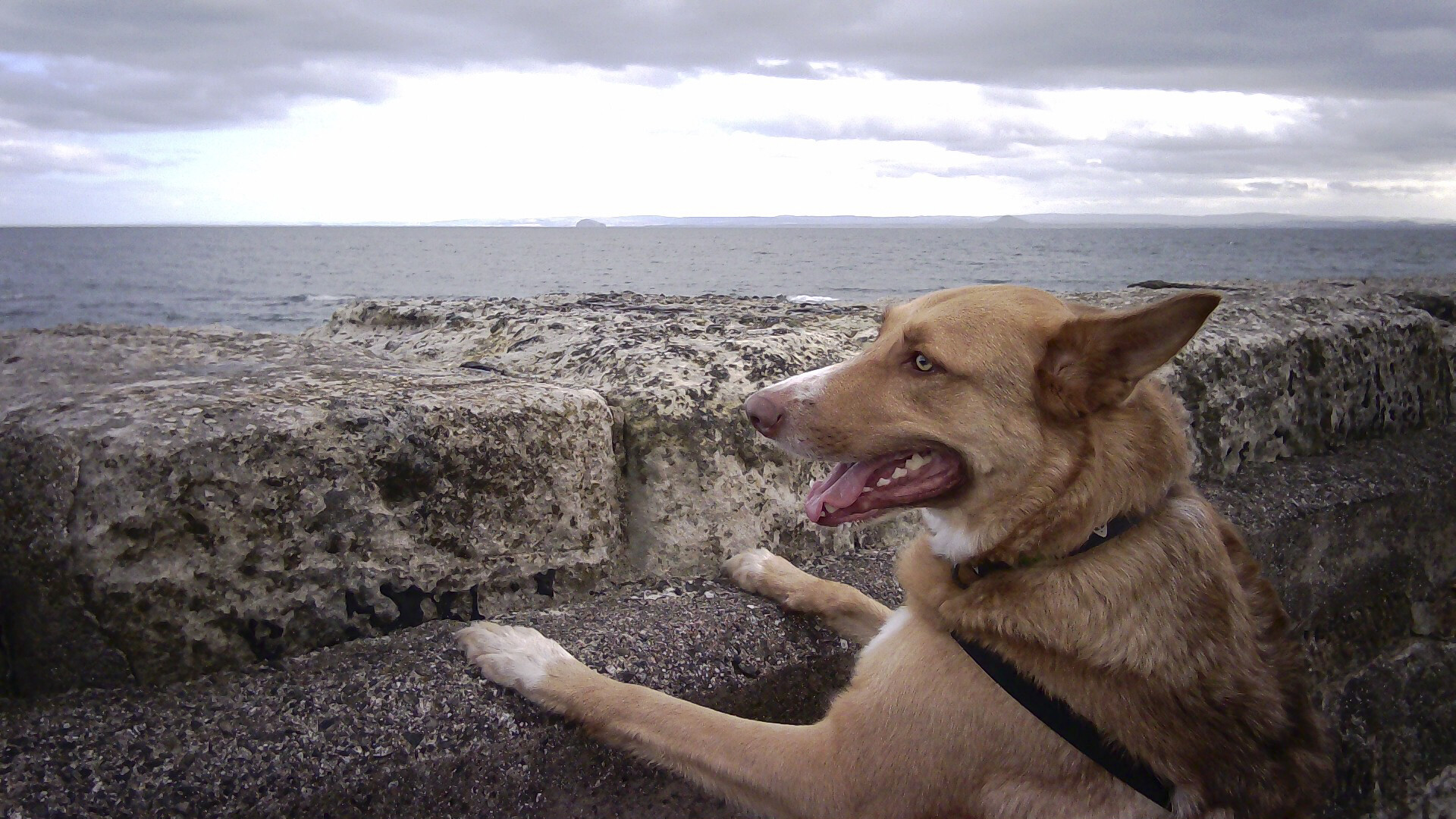

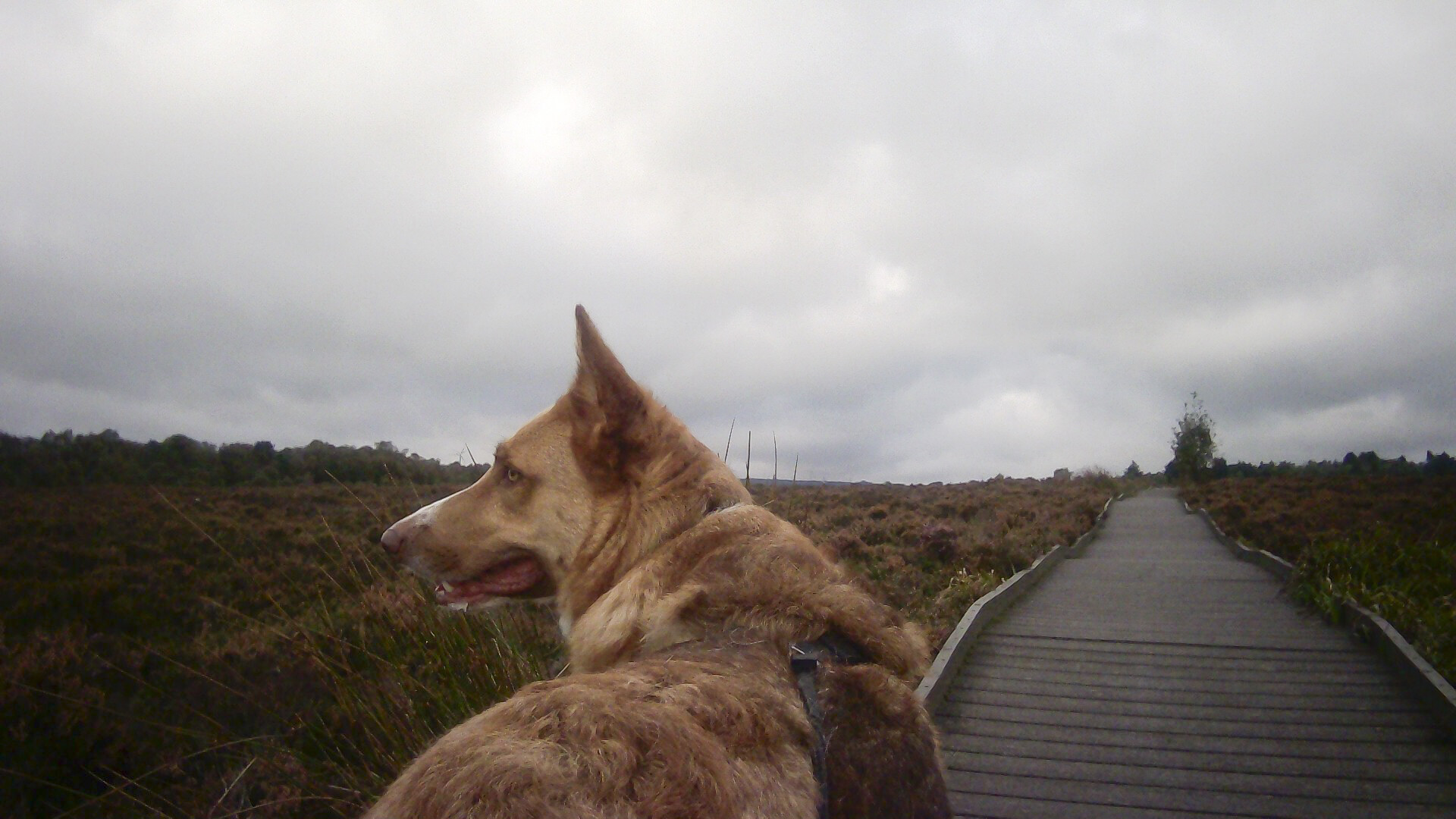
The C100 won't replace a pro camera, and it doesn't try to. But for a young photographer learning to see, a teacher looking for a way to encourage students to think about composition without relying on a screen, or anyone who shoots mirrorless and misses that analog view through an optical viewfinder, it's a cheap, fun way to remember what photography feels like. This would make a good gift for all types of photography enthusiasts.



Join the Fstoppers community for free
-
Post comments and join in the discussions
-
Browse the site ad-free
-
Share your work and get featured in the community
-
Compete in the photo contests for fun and prizes
No comments yet