
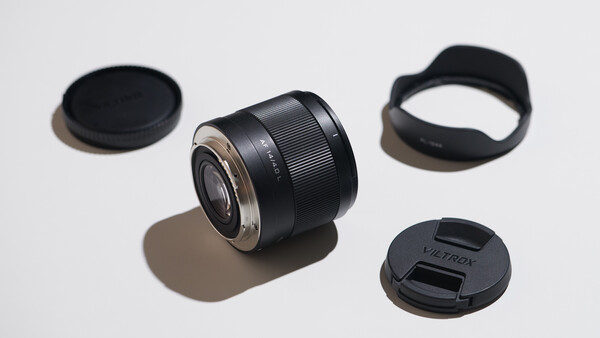
Since the inception of the L-Mount Alliance, there has been a gap in the market for affordable ultra-wide angle lenses. With the available options, you could either purchase an affordable lens that completely lacked autofocus or invest in an autofocus lens that was decidedly not cheap. The launch of the Viltrox AF 14mm f/4 for L-Mount drastically changes that landscape. This pocket-sized ultra-wide opens up an incredibly lightweight, budget-friendly autofocus option for Panasonic Lumix, Sigma, and Leica shooters.
Build Quality
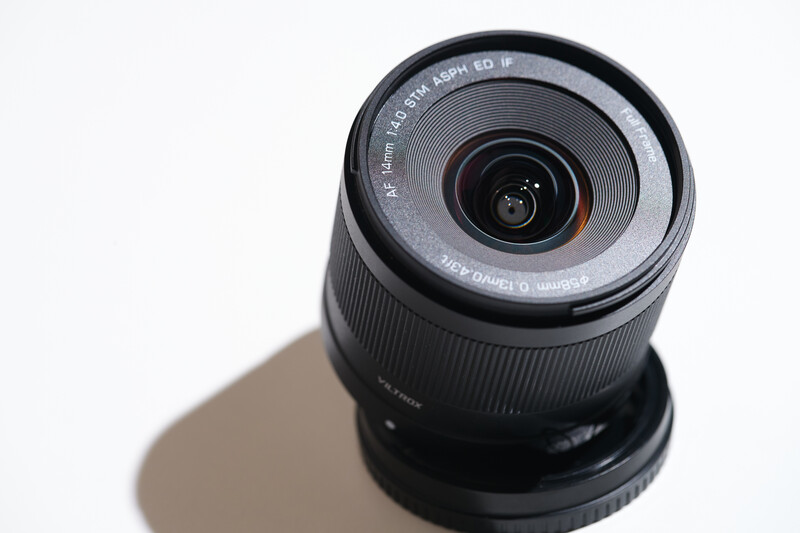
Having used older versions of wide angle lenses that weighed a ton and were gigantic, I was surprised by the physical footprint of the Viltrox AF 14mm f/4. While it is nowhere near as pocketable as the marketing claimed, it is still remarkably compact—almost toy-like (in a good way)—measuring just Φ65.1 x 54.4 mm. It is extremely lightweight too, weighing in at 172 g. Speaking from experience, I have no idea how this was even possible without compromise because wide angle lenses typically need a ton of elements for optical corrections. Viltrox engineers really did a good job here!
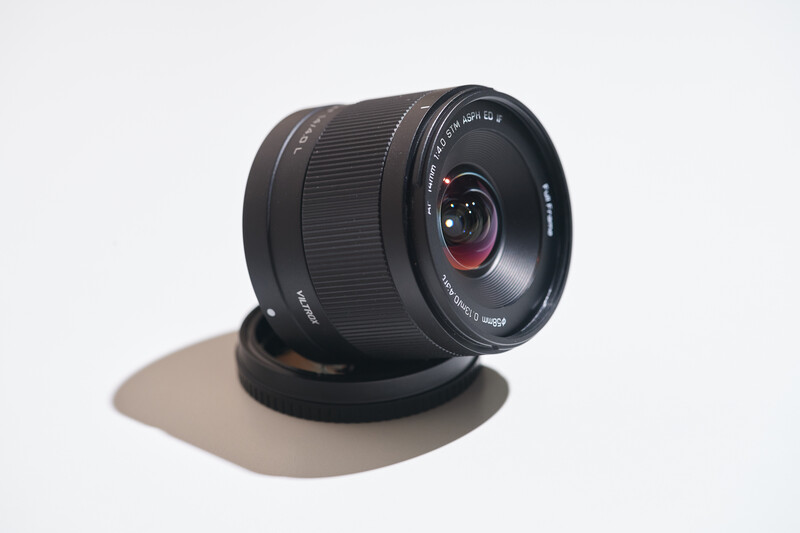
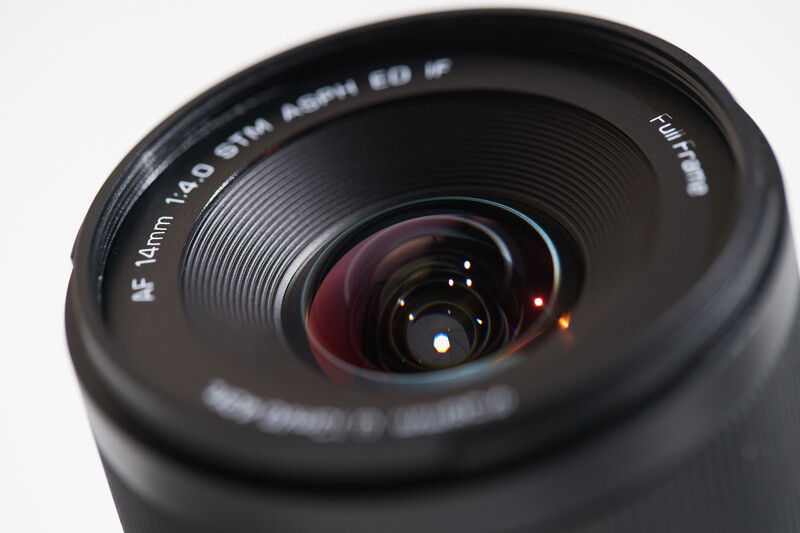
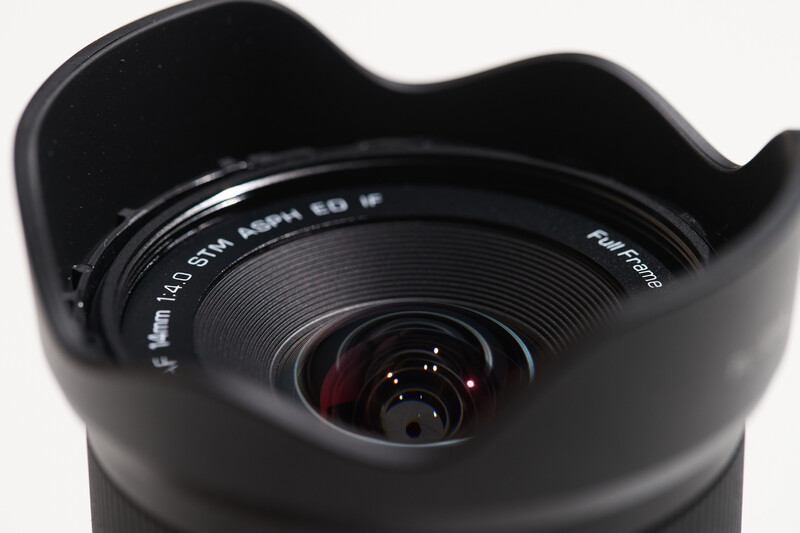
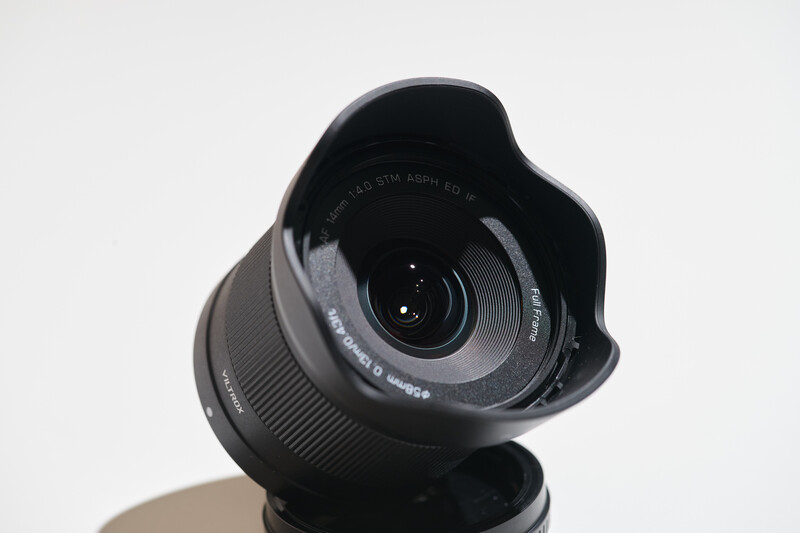
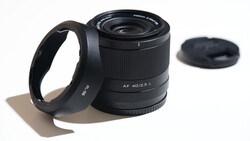
The surprise continues: for such a wide field of view, the lens features a bulbous front element that is recessed within its standard 58 mm front filter thread, which makes using a standard filter possible. It also ships with a cloth carrying bag and a petal-style PL-124A lens hood. The slim profile of this hood is aesthetically pleasing and keeps the setup minimal, though its real-world effectiveness against harsh glare will require practical field testing later. The lens hood, when mounted in the reverse (storage) position, still leaves enough of a gap on the lens barrel to perform manual focusing.
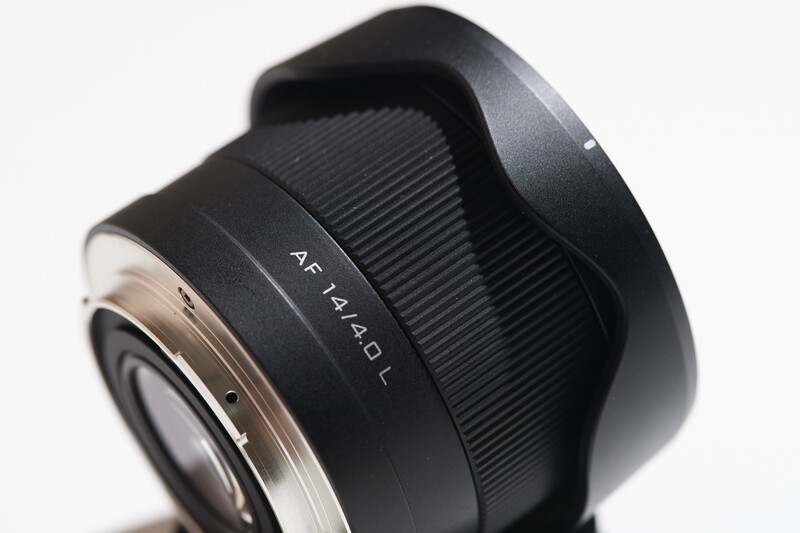
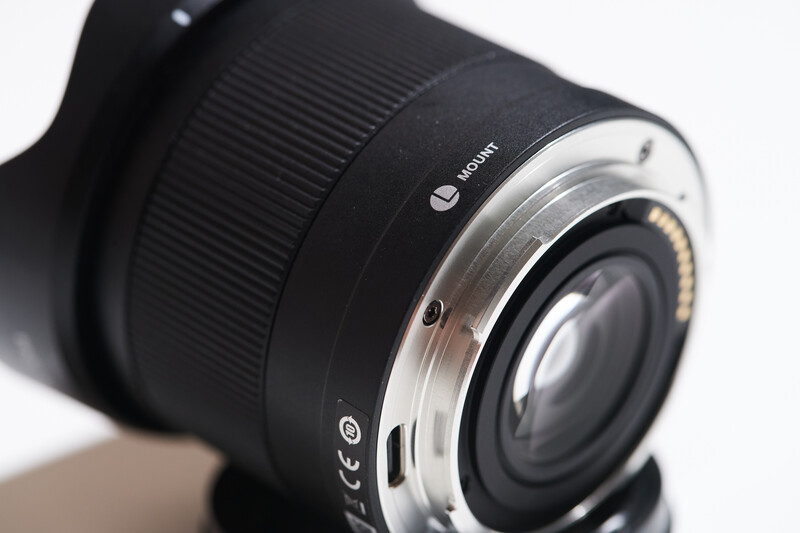
Construction-wise, Viltrox utilized a high-grade polycarbonate plastic for its barrel to keep its weight low and combined it with a solid metal lens mount to ensure long-term durability. Speaking of its metal mount, you can also find an integrated USB-C port alongside electronic contacts, ensuring firmware upgrades, full EXIF data transmission, and native L-Mount in-camera lens correction support.
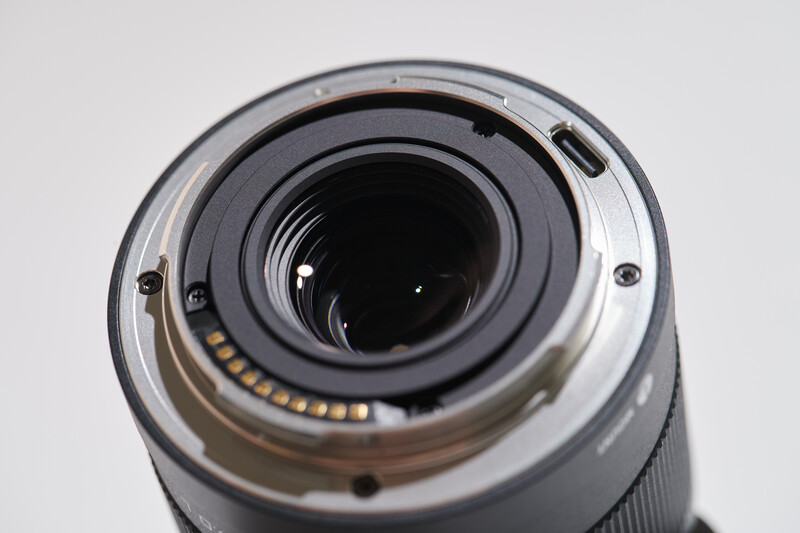
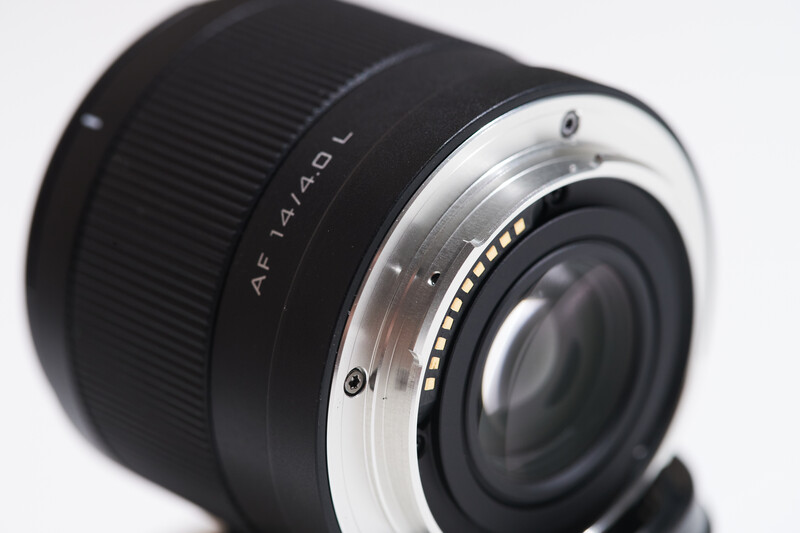
Being an outdoor-oriented lens, Viltrox did mention that this lens is built with a sealed body for dependable performance during outdoor shooting. However, I would still exercise caution when using it in harsh weather conditions, as I don’t think it is completely weather sealed, judging by the lack of a rubber gasket at the mount. I think the term “sealed body” literally just meant that there are no moving parts on the exterior for moisture to seep in. The front element does, however, feature a specialized protective coating to resist dirt for easier cleaning.
The Viltrox AF 14mm f/4 carries the same minimalistic exterior design that we have across the Air series lenses. The wording and labels are printed on the polycarbonate body, and there are no buttons, switches, or focus scale on the lens barrel. All you can find is a rather wide focus-by-wire focusing ring dominating the majority of the lens barrel. Note that rotating the focusing ring will not do anything if your camera is set to autofocus mode. For manual focus to work, you will need to toggle it from the camera itself. The manual focus ring does have enough resistance to operate well, albeit it is still a little loose compared to physical helicoid focusing. There are also no hard stops at either end of the focus range, so you will really need to rely on your LCD screen to know where your focus is. As we may already know from the term “sealed body,” all focusing action happens internally, meaning the physical length of the barrel never changes or rotates during focusing.
Features
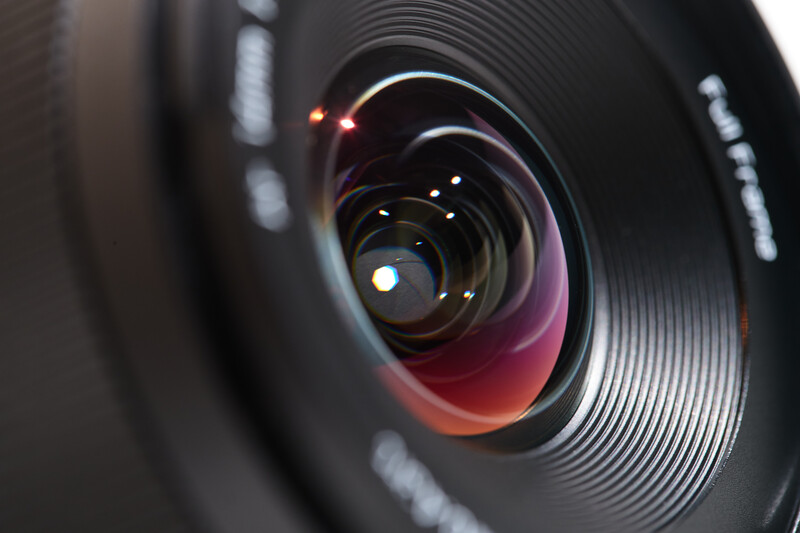
Optically, the Viltrox AF 14mm f/4 features a rather simple optical construction of 12 elements arranged in 9 groups, which includes two aspherical, four extra-low dispersion (ED), and two high refractive (HR) elements. Viltrox also treated the glass with an advanced multilayer coating to reduce glare and ghosting in harsh lighting. Having a simpler optical construction means less room for sample variation, which is good. In terms of aperture, it features a 7-blade aperture with a range of f/4 down to f/16.
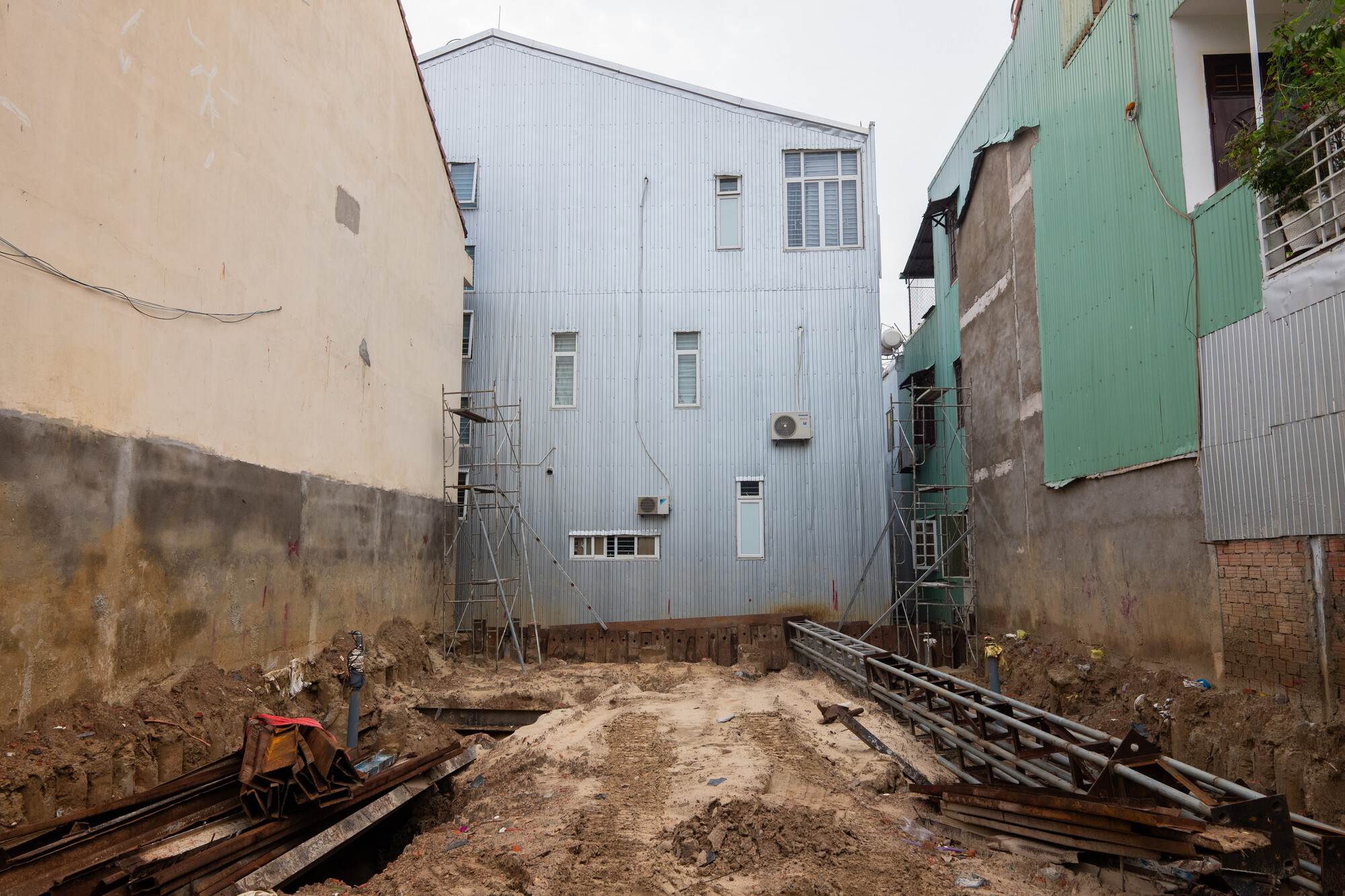
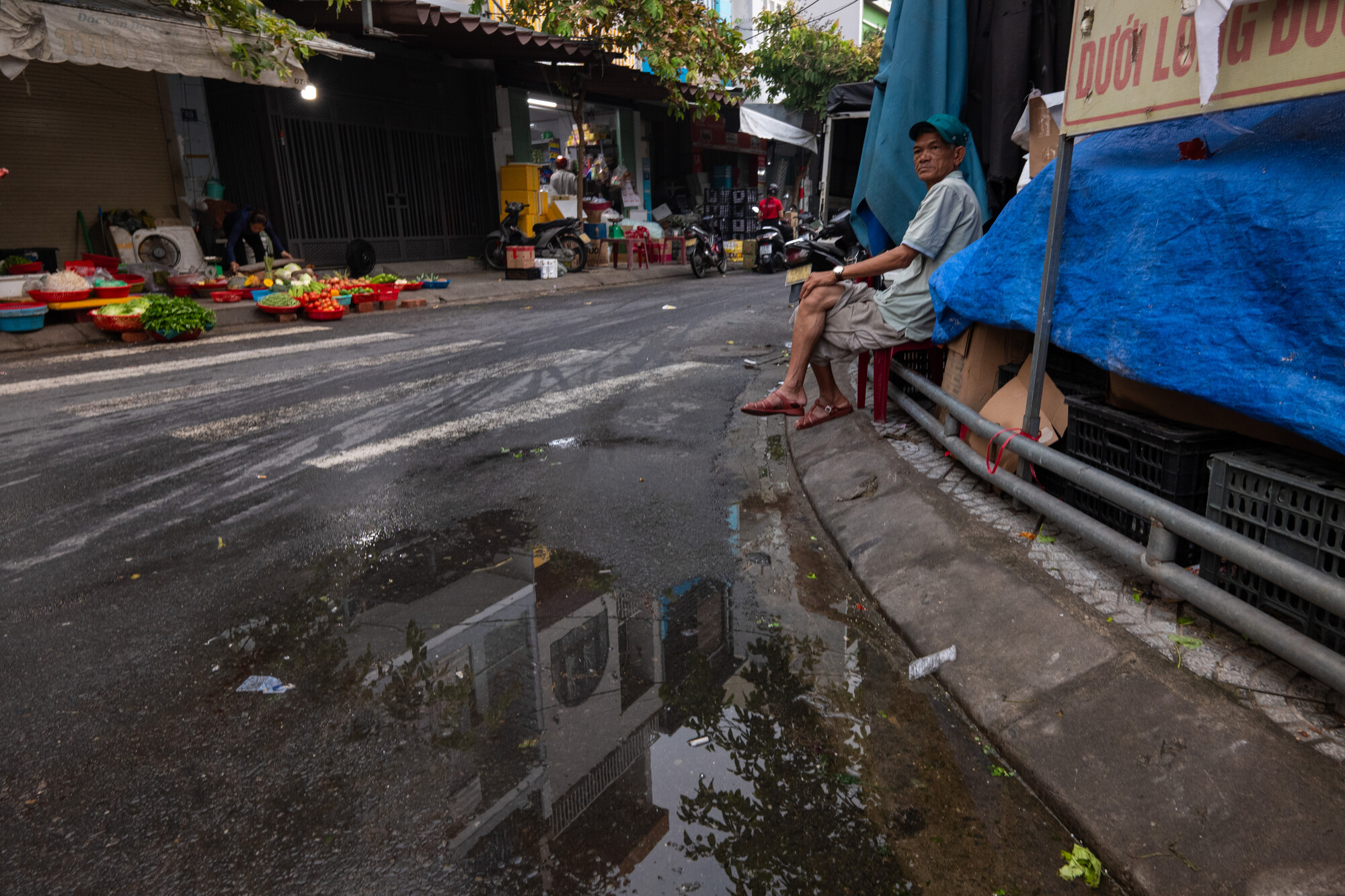
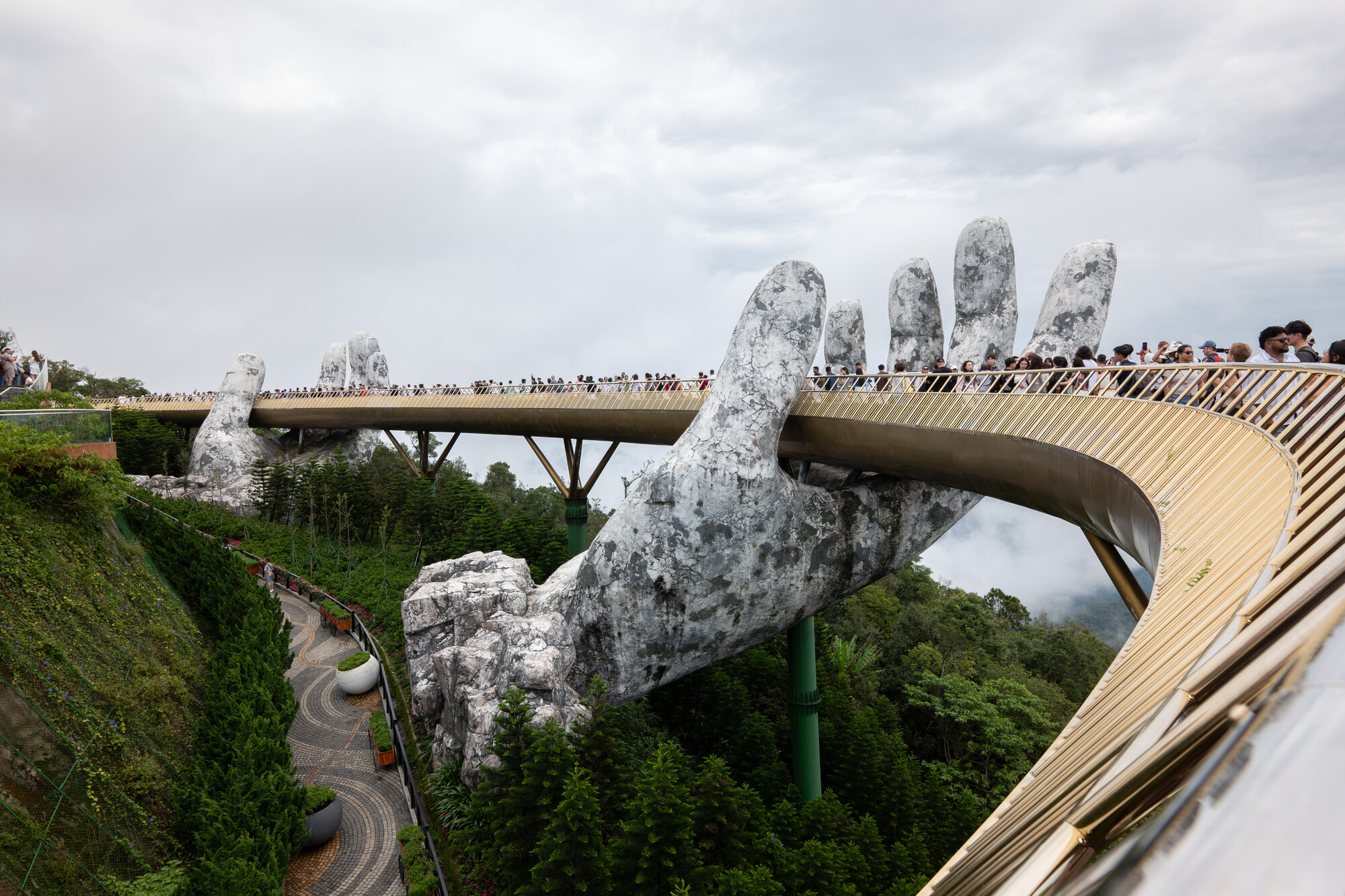
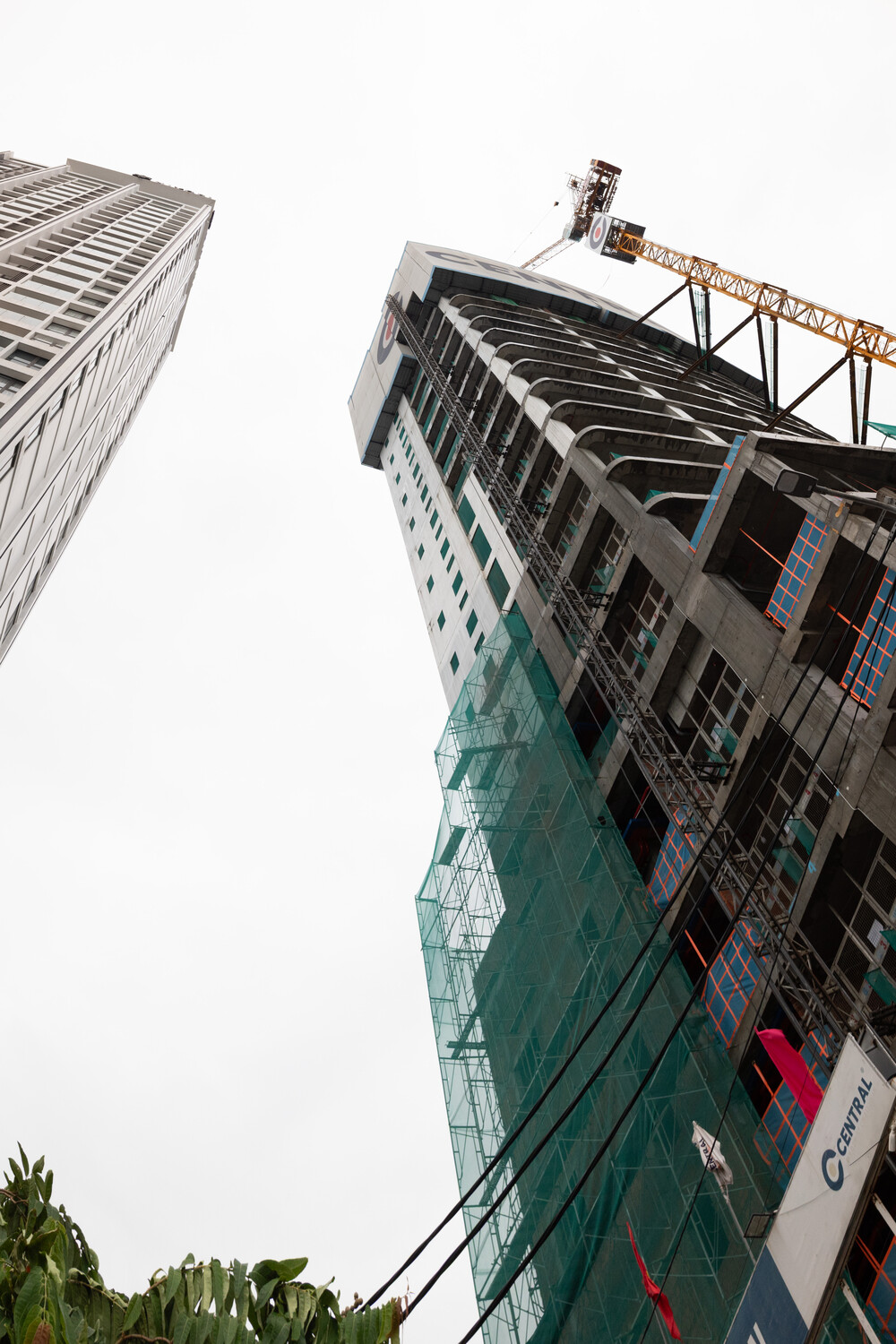
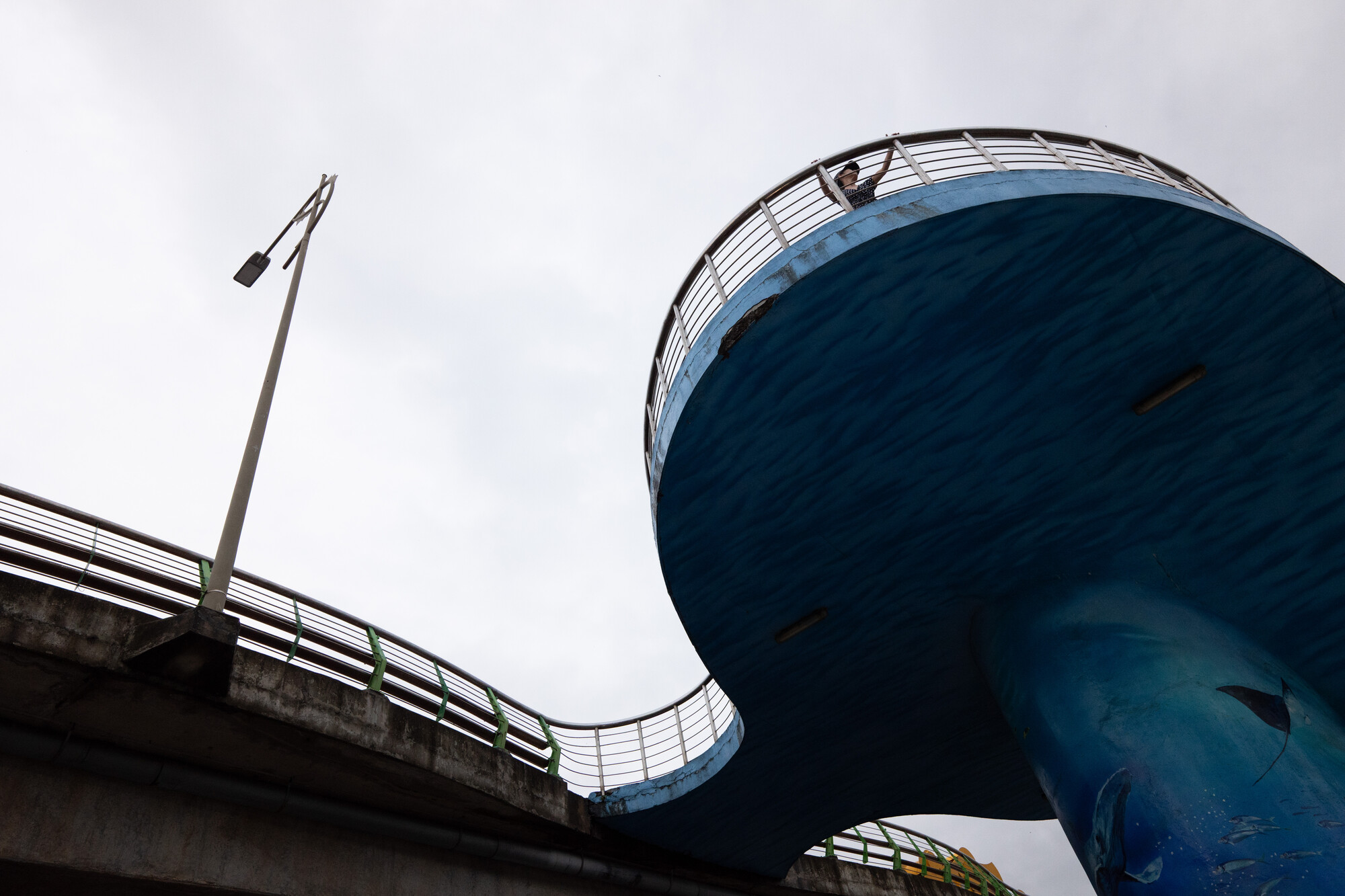
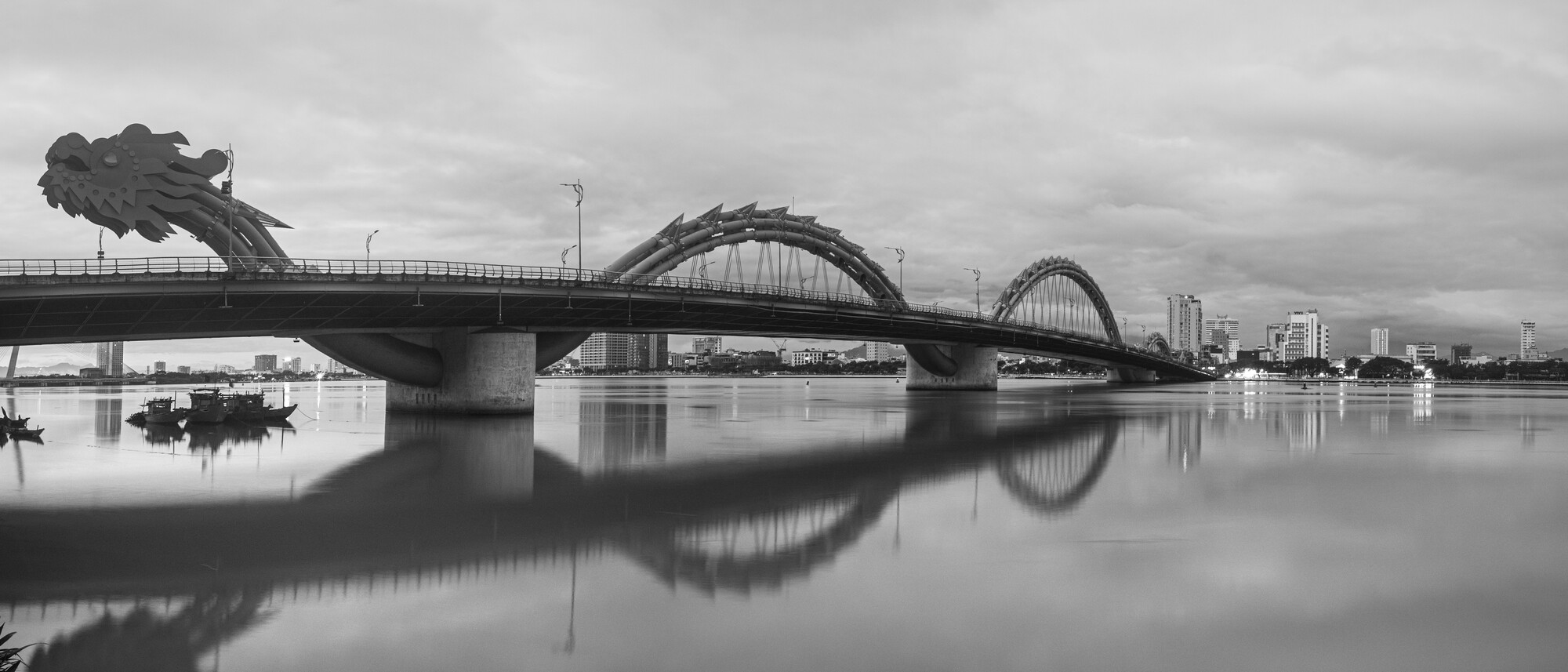
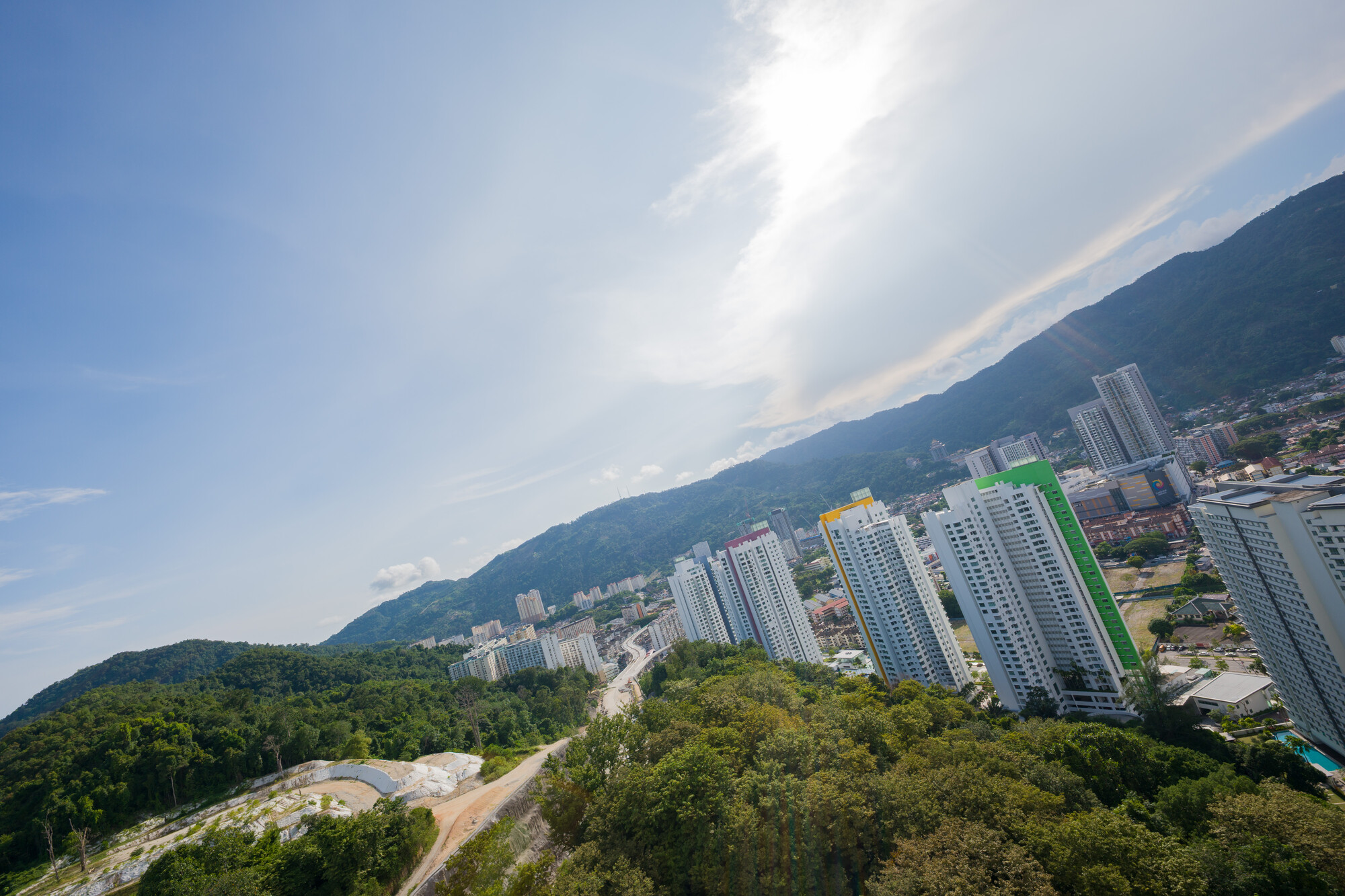
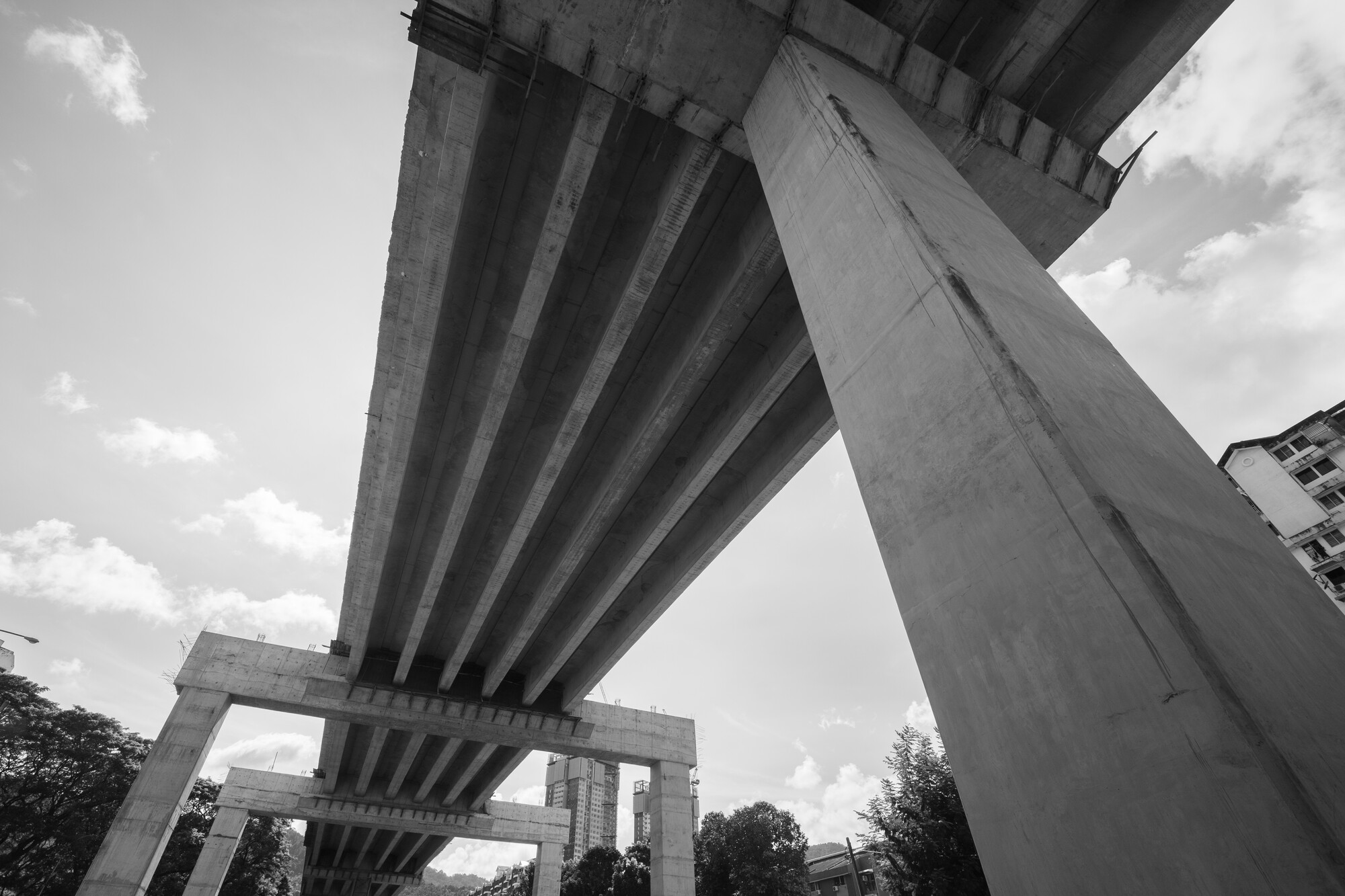
Being a 14mm lens, it delivers a dramatic, near-zero-distortion 112.6° full frame field of view. This expansive angle is a highly practical tool for capturing striking architecture and tight interiors in a single frame, preserving maximum image quality natively without the need to crop or stitch multiple shots together.
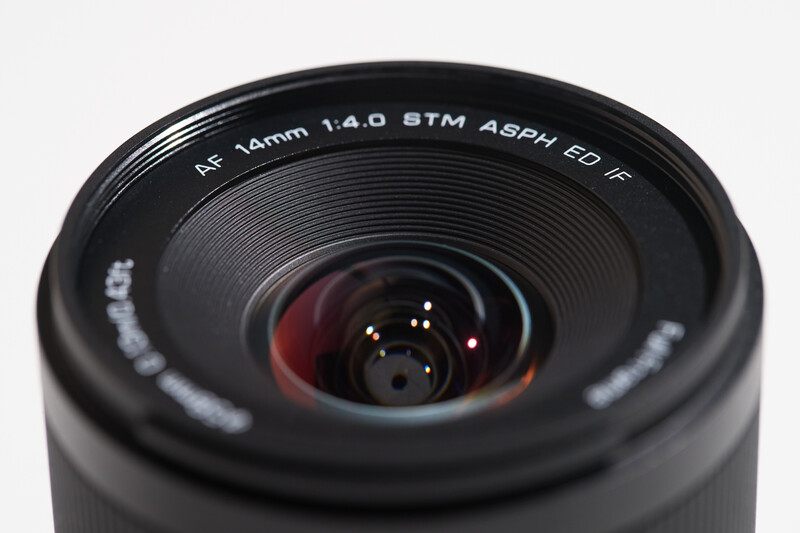
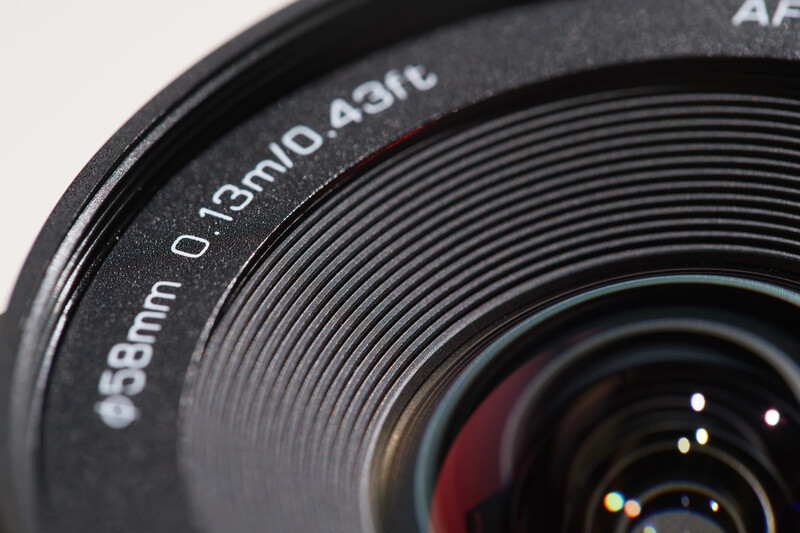
Autofocus is handled by a fast and silent STM (stepping motor) with a lead screw, ensuring snappy performance that fully supports precise eye and face detection tracking. Viltrox also claims it is highly video-friendly, engineered with minimal focus breathing to ensure smooth focus racking. Finally, it boasts an impressive minimum focusing distance of just 0.13 m (with a 0.23x maximum magnification), allowing you to create dramatic shots.
Real-World User Experience
Despite its ultra-wide 14mm focal length, I was honestly impressed with how small and light this lens truly is. It balances exceptionally well in the hand, even on a smaller, gripless body like my Leica CL. When mounted on a larger camera like the Leica SL2-S, it feels practically weightless with absolutely no balance issues. And because Viltrox is an approved partner under the L-Mount Alliance, there is no noticeable performance penalty when it comes to autofocus or burst frame rates.
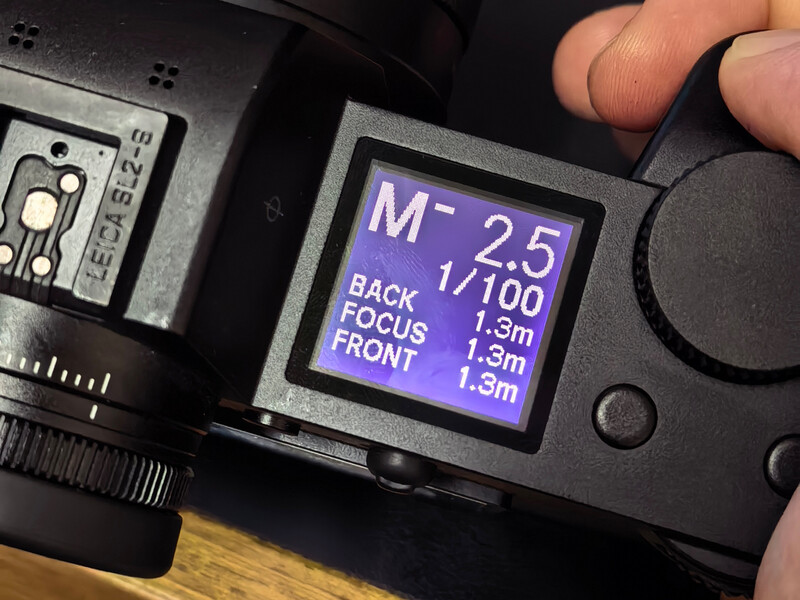
The Viltrox AF 14mm f/4 autofocus feels really snappy, silent, and reliable. That said, autofocus on such an ultra-wide angle lens shouldn’t be too difficult since it already has such a deep depth of field. For pure landscape shooters who usually prefer manual focus barrels, this lens might not fulfill your requirements, as the focus ring operates by wire. But don’t be too quick to dismiss this lens; hear me out. While it might sound like a disadvantage to have a focus-by-wire focusing ring, time really has helped technology move on, giving these electronic lenses some advantages. Take operating it on my Leica SL2-S, for example: an electronic depth-of-field scale will appear on the top-right LCD when switching to manual focus. This is a fantastic feature for those shooting landscapes in the dark or shooting from the waist. You can also adjust the physical length of the focus throw to your liking from the camera itself, making it operationally more seamless. I personally like it to be a 90-degree turn to go from close-up to infinity. The only downside is that there are still no physical hard stops.
While the f/4 aperture might sound like a compromise, I think it helps the lens show strong performance right out of the gate, even at its wide-open starting point. In fact, I personally think the lens actually achieves its peak performance by f/6.3. The only reason you will need to stop down further is if you need more depth of field. You should be aware that if you are using the lens on a sensor with a smaller pixel pitch (somewhere above 40 MP by my estimation), diffraction will start to soften the image at apertures smaller than f/6.3, and that can be annoying for landscape shooters. Thankfully, applying some post-sharpening can help recover those details.

The performance at the 0.13 m minimum focus distance is also good, which is rare for this kind of lens, since most lenses in this category are optimized for infinity focus. I can imagine this lens being used for applications such as vlogging or special-effects near-macro shots. Though you need to be mindful that you will need to be at around f/11 to get even sharpness across the frame, especially for those shots taken at minimum focus distance.

Vignetting is also something that never goes away on this lens, even when stopped down. Again, a minor tradeoff for ultra-wide angle lenses that are this small. I have read that it might have a tendency to show a greenish color cast in the corners when paired with modern BSI sensors. Here, I am happy to report that, on my Leica SL2-S, the Viltrox AF 14mm f/4 does not show any color cast, even when shooting flat scenes like an overcast sky. I suspect the offset microlenses on the Leica SL2-S’s sensor cover glass and Viltrox’s native profiling are doing a lot of the heavy lifting.
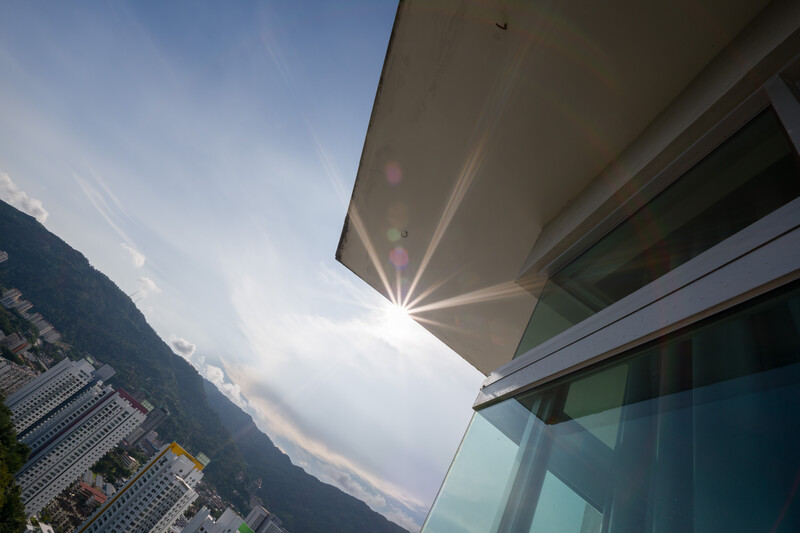
Flare resistance is surprisingly impressive; while the lens did show a hint of veiling flare when a bright light source was placed at a certain angle toward the edge of the frame, it also showed occasional colored flares when the sun was nearer the center. Other than the colors appearing slightly desaturated, it consistently maintained great overall contrast across the rest of the frame. I have certainly seen lenses at this price point with much inferior performance. Coma control is good too, wide open, and stopping down would definitely help to clean up the frame.
Chromatic aberration is completely non-existent, which is likely a benefit contributed by its conservative f/4 aperture design choice. When it comes to sunstars, the odd-numbered 7-blade aperture will produce stars with 14 points. Because the blades are slightly closed even at f/4, sunstars do become visible early (though not prominently) in the aperture range, but you still need to stop down to f/11 or f/16 for them to become well-defined. Even then, the stars aren't quite as sharp and even as I might wish. This can be quite annoying and make the frame messy in certain applications.
Distortion control is good, especially with the in-camera profiling. Though I did notice hints of distortion toward the edges, and turning off the profiling in Capture One confirms that—improving it optically would naturally yield slightly better raw image quality. Finally, the focus transitions are smooth, with minimal noticeable focus breathing, which is great for video and focus-stacking applications. Bokeh is probably the last thing we want to discuss with the Viltrox AF 14mm f/4 (pun intended), but you can get some of it from very close-up shots. The highlight balls will look slightly polygonal even wide open because the blades are slightly closed down even when shot wide open. Again, this simply isn't the kind of lens you buy to get background blur.
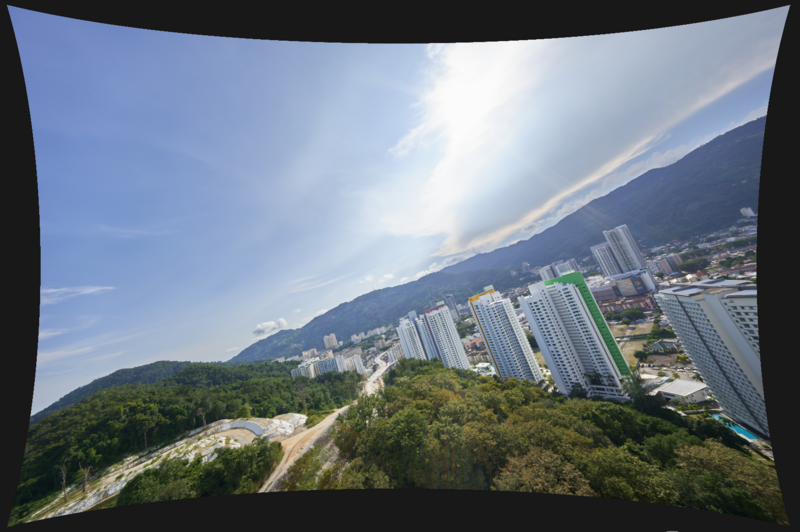
Ultimately, 14mm is a remarkably wide focal length, and it can be a challenge to deploy meaningfully unless you are photographing massive subjects like sweeping landscapes or architecture. But for those specific applications, this lens delivers exactly what you need.



Summary
What I Liked
- Delivers nice resolution and impressive sharpness right across the frame, even when shooting wide open at f/4.
- Features a remarkably small and compact physical footprint.
- Extremely lightweight design makes it an easy addition to any camera bag for extended shoots.
- Conveniently accommodates standard 58 mm circular front filters, eliminating the need for bulky filters or a lens cap solution.
- Provides well-managed general distortion control for such a wide field of view (with in-camera profile correction).
- Demonstrates good flare resistance and maintains good contrast when shooting directly into strong light sources.
- Effectively controls both longitudinal chromatic aberration and chromatic aberration when stopped down slightly.
- Features a built-in USB-C port on the mount for future firmware updates.
What Could Be Improved
- Would love to see a slightly faster maximum aperture, such as f/2.8, to improve low-light versatility.
- Exhibits noticeable vignetting and a slight color cast in the extreme corners of the frame.
- The addition of proper internal weather sealing would make it much more reliable for outdoor landscape shooters.
- While in-camera profiling handles distortion well, improving this optically would yield even better pixel-level image quality.
- Standardizing a single filter size across the entire Air series line would make sharing circular filters much easier and more cost-effective, particularly for video shooters.
Final Thoughts
After my extensive testing, I don't think it is fair to label the Viltrox AF 14mm f/4 L-Mount simply as a "budget option." Rather, it stands on its own as a compelling choice for those who want a lightweight and small ultra-wide angle lens without making significant compromises on overall image quality. From my own experience, I found that I could easily pair it with my Leica SL2-S or even my Leica CL for an extended shoot without ever feeling burdened by the physical weight of the setup. For those who are interested in adding it to their kit, the lens is set at a highly accessible price point of $199.


Join the Fstoppers community for free
-
Post comments and join in the discussions
-
Browse the site ad-free
-
Share your work and get featured in the community
-
Compete in the photo contests for fun and prizes
6 Comments
"I have no idea how this was even possible"
Samyang's 18mm is about the same size and weight, and it's f2.8. Decent wide-open and quite sharp when stopped down to f5.6. I own and use both for venue shots when I'm covering events.
"Would love to see a slightly faster maximum aperture, such as f/2.8, to improve low-light versatility."
Nooooo! I replaced my Samyang 14/2.8 with this lens specifically because it's so small and light, and because, using it almost exclusively on a tripod, I don't need an aperture bigger than f4 and typically stop it down to f5.6.
The difference between 14mm & 18mm is quite big. And if we look back to DSLR days, they are even bigger as I do own 11mm EF mount lens.
I know there are smaller and wider lenses around, but they are mostly either more expensive, compromise in aperture or sharpness, or even just manual focusing etc etc. And while this is not the best option, it is one of the lens that offers good balance in most aspects for the L mounts.
If you are on tripod, you will know what you need, this lens would be sufficient. I am only hoping for a version with larger aperture for those who are not on tripod. Eg: Reportage work.
If that's what you're after, you could get the Samyang AF 14mm f2.8.
I don't recall there is one for the L mount, and even if they finally made one, it wont be priced under $200. Which is why this is what I hope Viltrox would do next.