
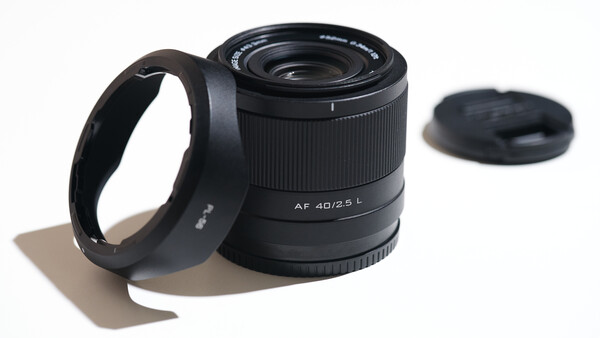
The long-awaited expansion of the Viltrox Air series lenses has finally arrived for L-Mount users. Marketed on the promise of "Lightweight & Masterful Image Quality," the Air series has already built a solid reputation in the photography community. I know at least a few photographers in my local network who are massive fans of these lenses, primarily because of how exceptionally light and portable they are without compromising on the delivery of solid final images. Now that the Viltrox AF 40mm f/2.5 is officially available in L-Mount, it is truly a blessing for Panasonic, Leica, and Sigma shooters who want an ultra-compact prime. I was genuinely excited to hear about its launch, and it certainly warrants a closer look.
Build Quality
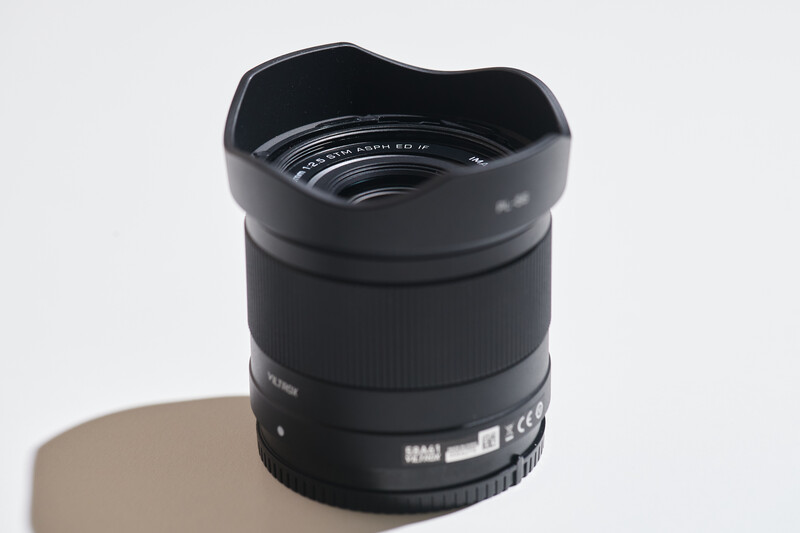
Taking it out of the box for the first time, the first thing you will notice is that the AF 40mm f/2.5 does stay true to its name. It is very light, weighing only 169 g, slightly higher when you factor in the caps and included lens hood. Physically, the lens measures just Φ64 mm × 52.5 mm with a standard 52 mm front filter thread. Though not as compact as a pancake lens, its exceptional light weight does indirectly reduce its footprint, making it an excellent portable option for all-day carry.
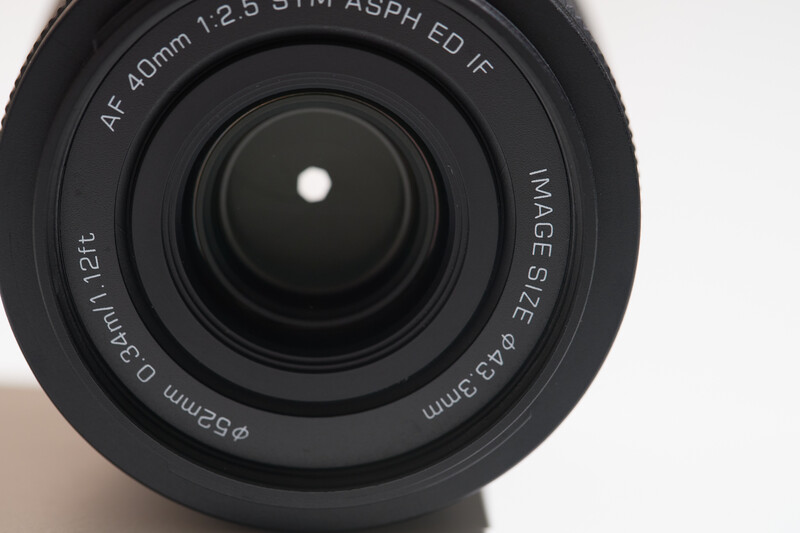
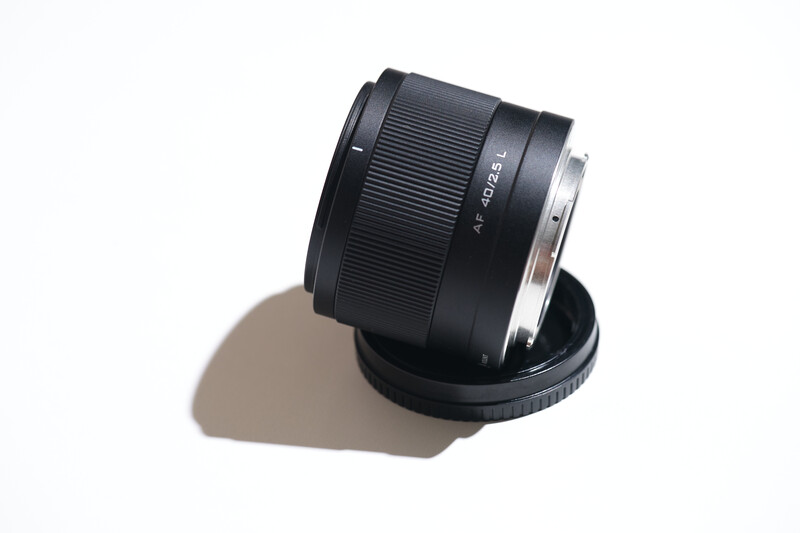
Cosmetically, I would prefer the front barrel wording to be slightly more minimal; I don’t need to know its cover image size in numbers. Putting full frame or APS-C might be a better indication. Keeping the Air series design language consistent, Viltrox opted for a minimalistic design with only one large focusing barrel, no aperture ring, buttons, or switches on its polycarbonate body. The large focusing barrel has enough clearance to still allow manual focusing even with the lens hood mounted in reverse. It is worth noting that the focusing ring operates via a focus-by-wire mechanism.
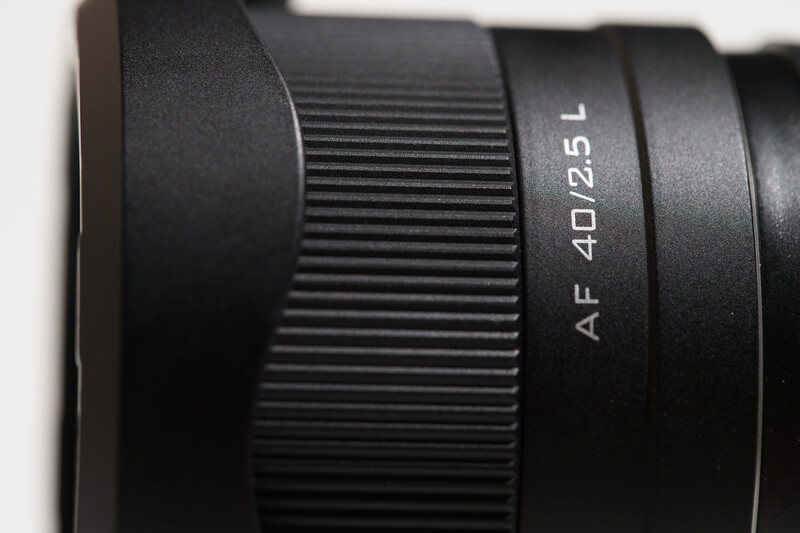
Because it is electronically coupled, rotating the ring does nothing when the camera is set to autofocus mode, and the lens barrel also lacks physical depth-of-field scales and mechanical hard stops at either end of the focus throw. Therefore, there is no way of knowing where your focus lands when on manual focus without looking at the LCD screen. Thankfully, the manual focus operation is still pretty easy and predictable with a linear coupling and a decent enough resistance. The lens also utilizes an internal focusing design, meaning the physical length of the barrel never changes and the front element does not rotate during operation. This is a crucial detail for anyone who regularly uses circular polarizers or variable ND filters.
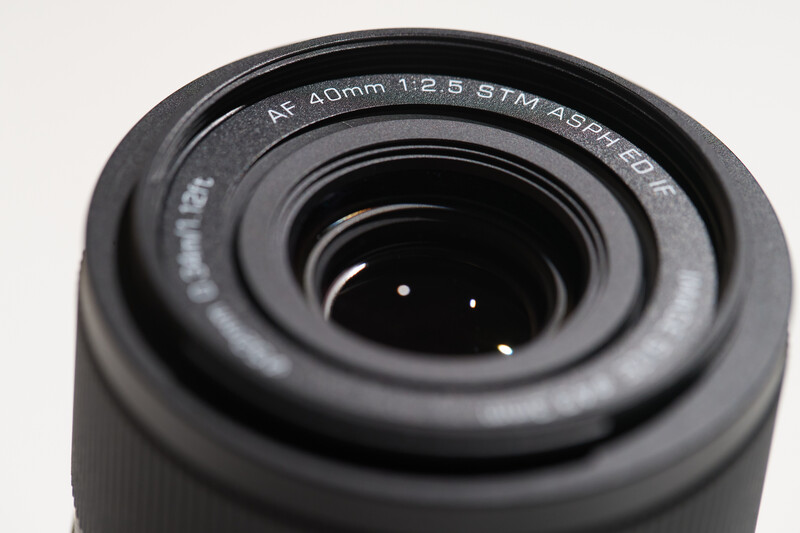
Despite being constructed primarily of plastic, the build quality does not feel cheap at all. In fact, there is a reassuring sense of solidity to the overall construction. Adding to its solidity is a durable metal lens mount that ensures long-lasting durability. Looking closely at the mount, you can also find electronic contacts that allow the lens to transmit full EXIF data to your camera body and support native L-Mount in-camera optical corrections. As we’ve come to expect from Viltrox lenses, you can also find a USB-C port integrated directly onto the metal mount, allowing future firmware updates to keep the lens performing at its best as camera bodies evolve.
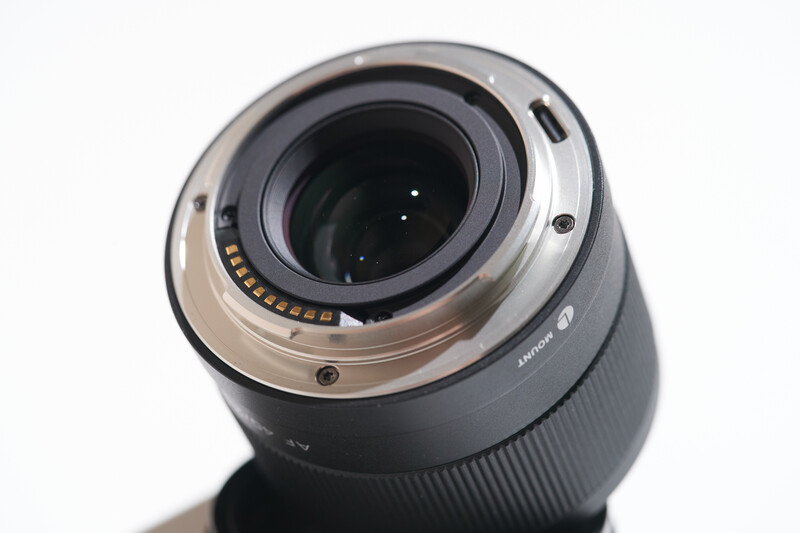
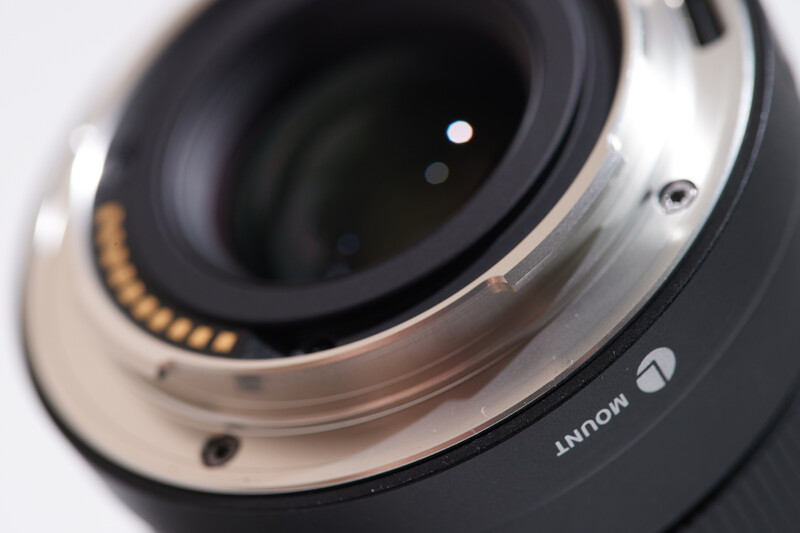
On the optical front, the AF 40mm f/2.5 front element features a smudge-resistant, waterproof, and anti-fouling coating to repel water and dirt in the field. While it sounds perfect on paper with the capability to repel water, in reality it just makes cleaning the lens easier. Unlike some of Viltrox's higher-end "Pro" lenses, this model completely omits internal weather sealing, which is a standard omission for lenses at the budget-friendly price tier.
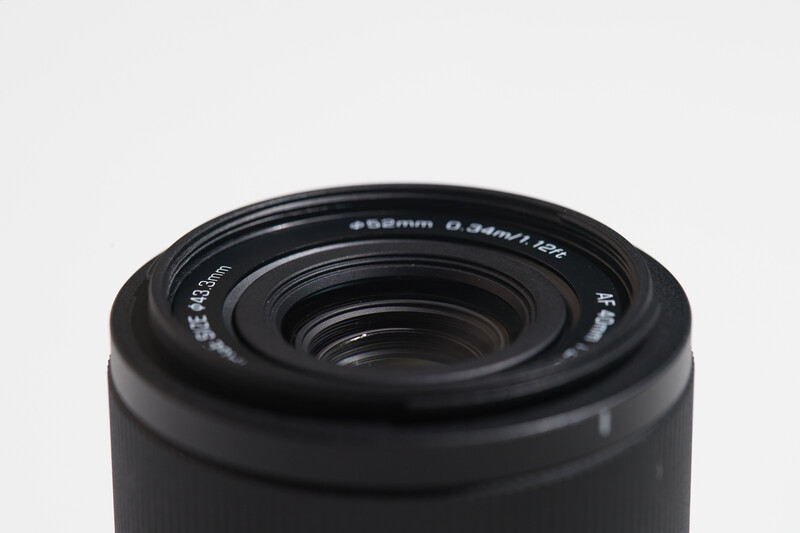
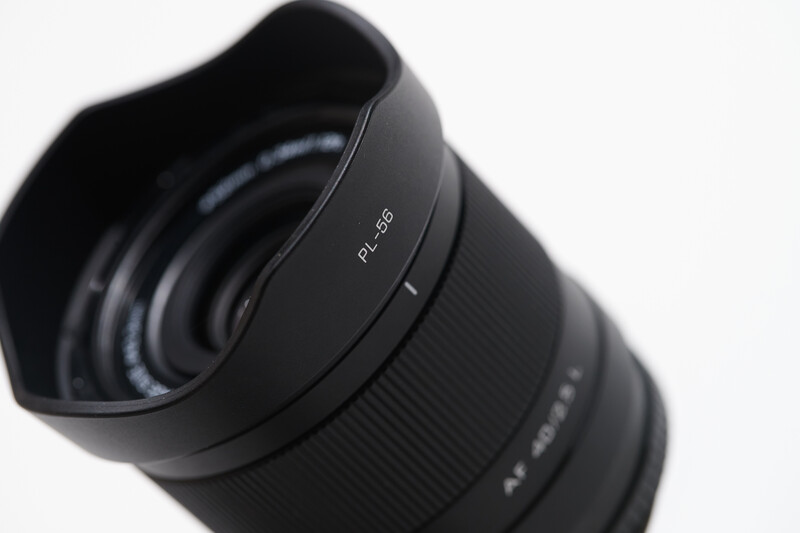
The lens ships with a cloth carrying bag and a petal-style PL-56 lens hood. I personally appreciate the slim profile of the hood, as it does not extend the lens length much, keeping the overall setup discreet, though its practical effectiveness against harsh flares will need to be fully assessed in a later section.
Features
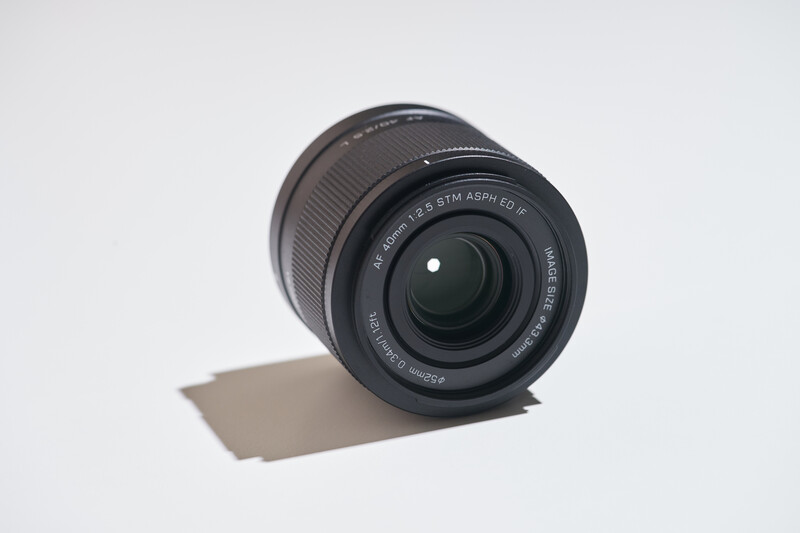
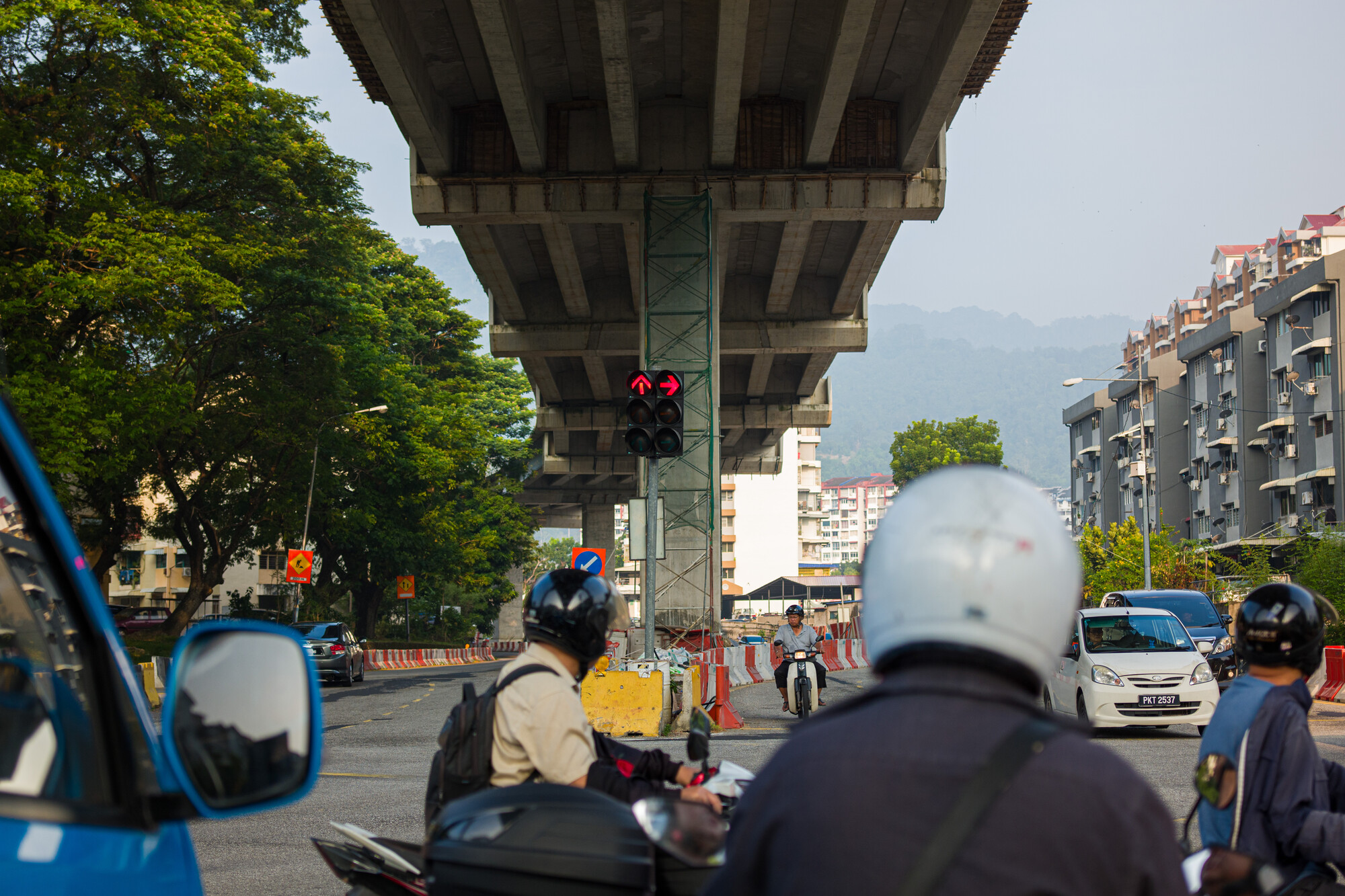
The Viltrox AF 40mm f/2.5 offers a highly versatile 57.8-degree field of view where some might label it as a natural "human eye" perspective. But personally, it is just a practical focal length that neatly bridges the gap between a classic 35mm wide angle and a standard 50mm prime when I don’t feel like using either. The result is a very natural rendering that doesn't exaggerate proportions or compress the background too aggressively. This focal length makes it an ideal walk-around lens for street photography, daily snapshots, lifestyle content, and environmental portraits where maintaining a natural perspective is key.
Internally, it features a 10-element, 6-group optical construction with one extra-low-dispersion (ED) element, three high-refractive-index (HR) elements, and one aspherical element to ensure clarity and sharpness of the image. Viltrox has also applied its "HD nano multi-layer coating" to the glass to effectively reduce ghosting and flare in challenging lighting conditions. As the name suggests, the Viltrox AF 40mm f/2.5 features a 7-blade diaphragm and an f/2.5 maximum aperture, which stops down all the way to a minimum of f/16.
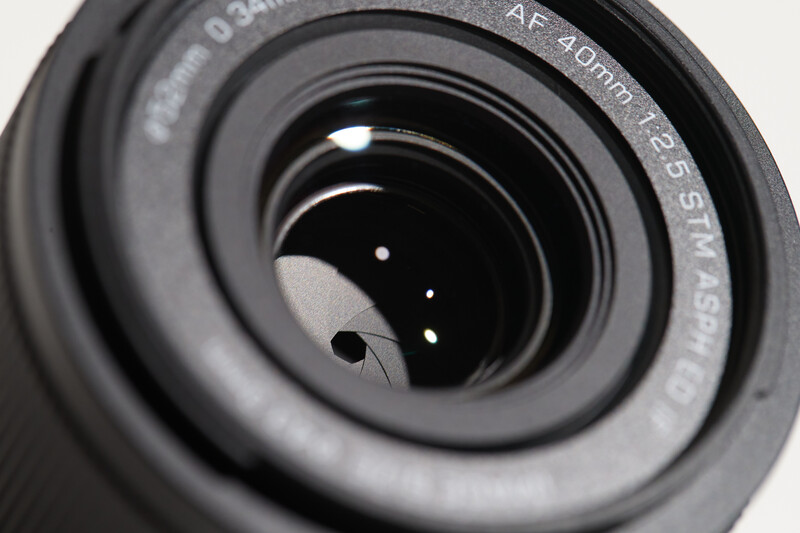
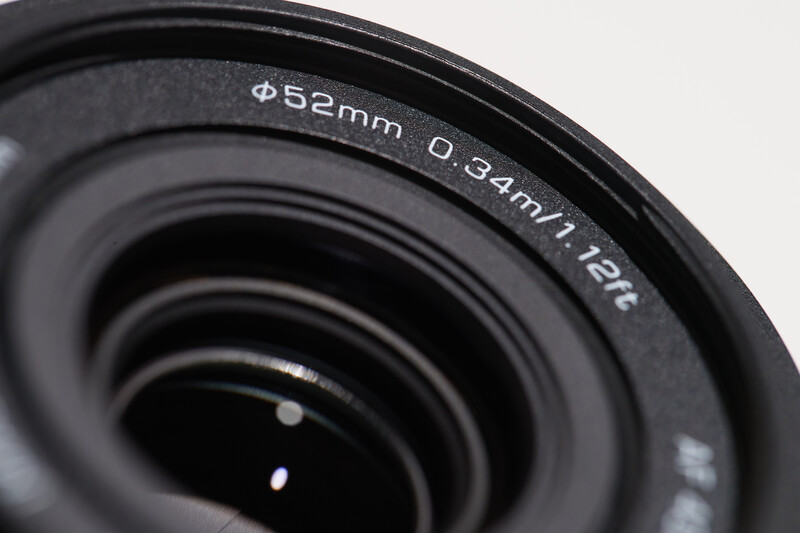
The autofocus system is driven by a lead-screw stepping motor (STM). This focusing mechanism is both fast and quiet, fully supporting continuous autofocus (AF-C) alongside modern camera systems' eye- and face-detection tracking. It has a decent minimum focusing distance of 0.34 m (1.1 ft) with a maximum magnification ratio of 0.14×. While it isn't a true macro lens, it allows you to get close enough when you need it.
Real-World User Experience
Some might argue that the 40mm focal length offers a perspective nearly identical to what you see with the naked eye. However, I reckon differently, but that is another topic for another day. Personally, I think the advantage of a 40mm focal length is that it allows for slightly more environmental context to be included in the frame than a traditional 50mm. This makes it considerably easier and more flexible to use in daily documentation. Therefore, it has to be an "easy-to-carry" size to encourage that. In the case of the Viltrox AF 40mm f/2.5, it is not the smallest lens in the category, but the lightweight nature balances quite well even on smaller bodies like my Leica CL that does not feature an added handgrip. On larger cameras like the Leica SL2-S, handling is a complete non-issue.
When it comes to operation, the autofocus is quick, quiet, and quite consistent, as you can expect from a native lens under the L-Mount Alliance—I did not feel like I was held back by its speed. If anything, the focus accuracy and speed of the lens is held back by the camera body itself. On a certain Panasonic L-Mount body that uses a Depth From Defocus (DFD) autofocus system, you are going to notice minor pulsing in continuous autofocus as the camera tries to determine the right focus by racking its focus point slightly back and forth. Having minimal focus breathing here does help to keep the effect minimal. It also seems to hold its focus point securely even after powering the camera on and off. This is crucial for those who are using this for video shoots to ensure that the focus does not drift during hot battery swaps.
Similar to most electronic lenses, the aperture only closes down during the actual exposure, and thankfully, there is no observable focus shift behavior when an image is taken with a higher f-stop. For those looking to refine their manual focus experience, you can adjust the focus throw sensitivity in-camera on bodies like the Leica SL2-S; I personally prefer setting it to a linear 90-degree rotation, which makes hitting precise focus much easier for photography. An electronic depth-of-field scale will also appear on the top right LCD when manual focus is engaged, which is fantastic for those who practice zone-focusing from the waist. Do be mindful that since this lens has a focus-by-wire focusing barrel, it can be knocked out of focus range pretty easily. There are also no physical hard stops on the focus ring, so pairing it with a basic manual focus puller for video work is also out of the equation.
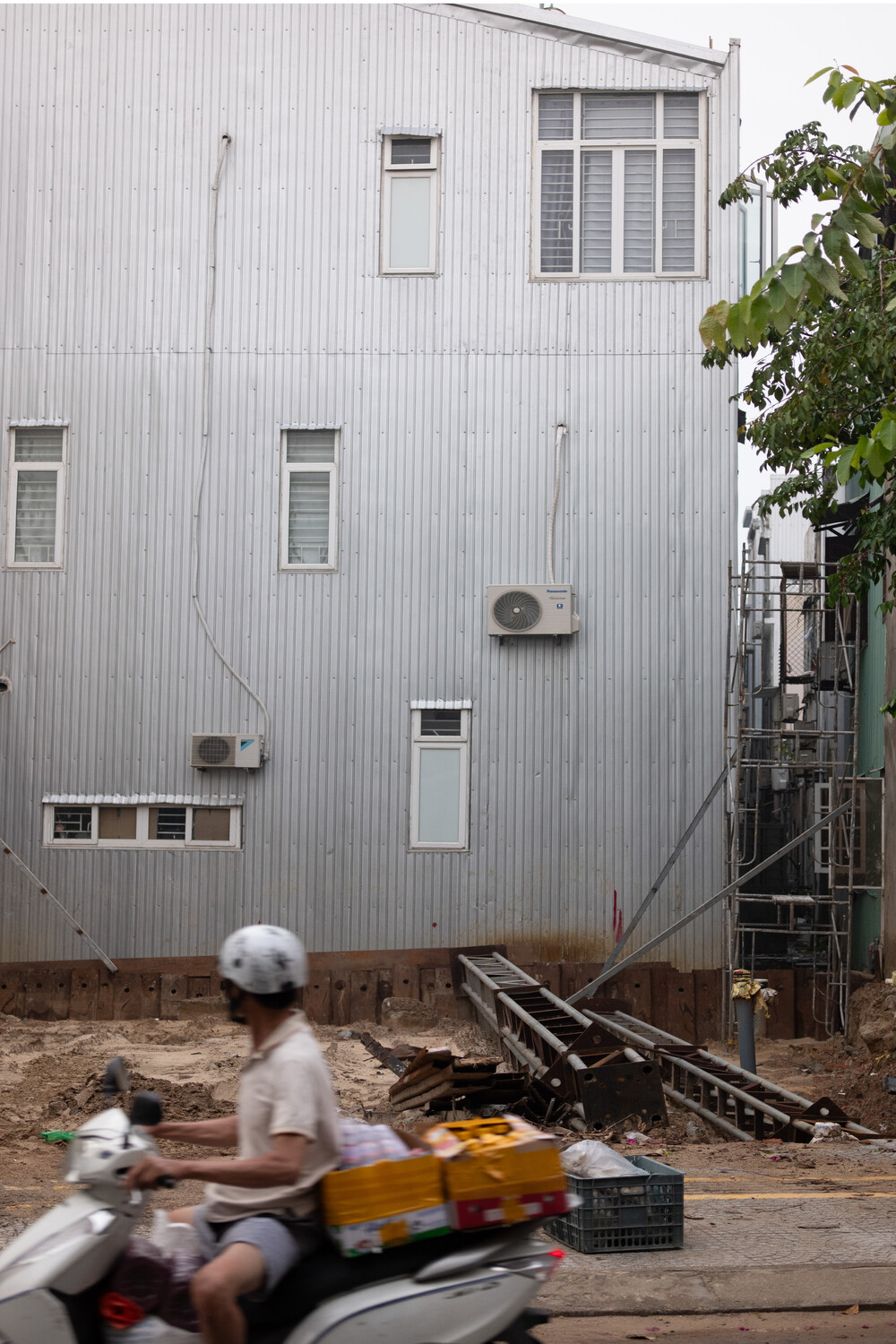
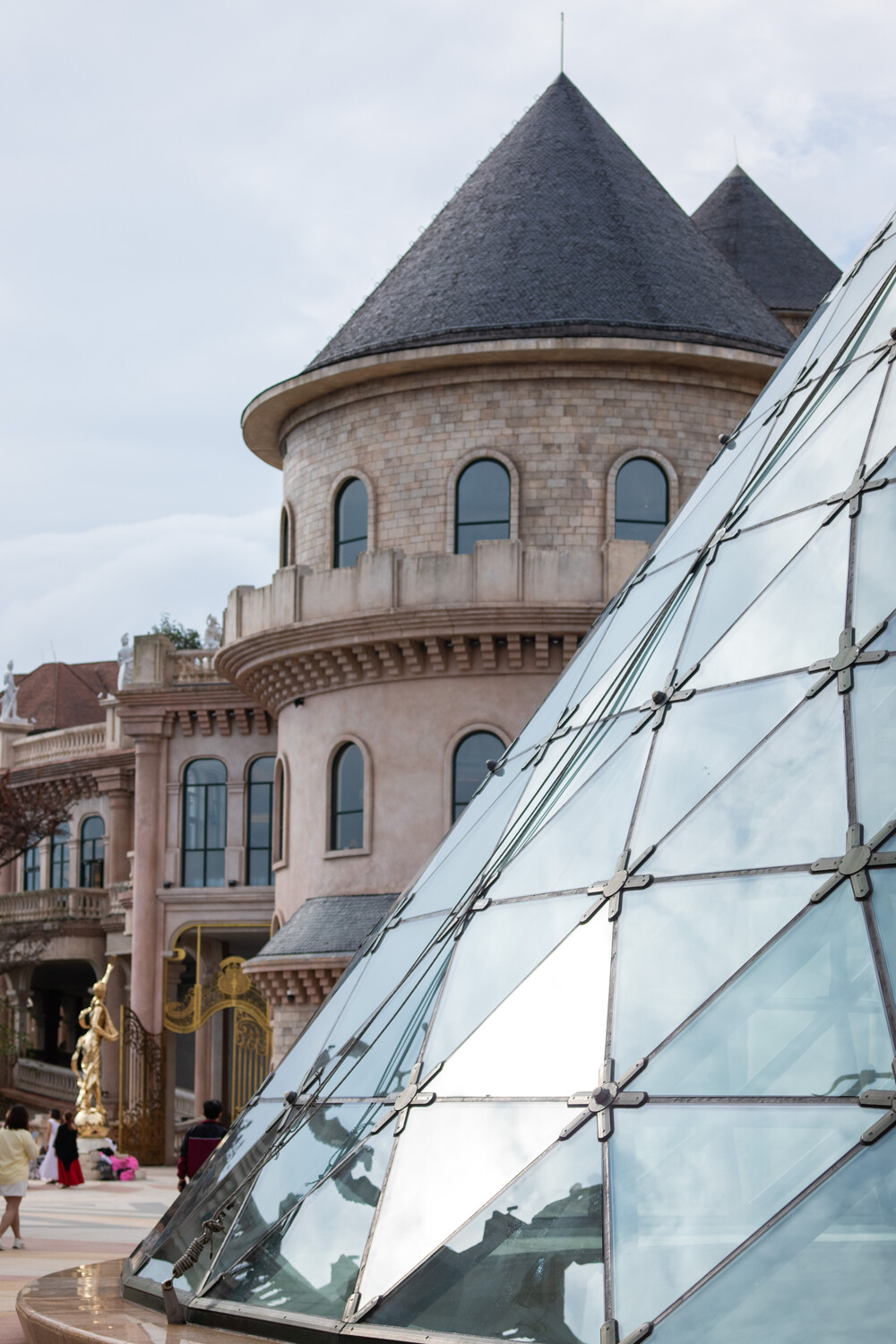
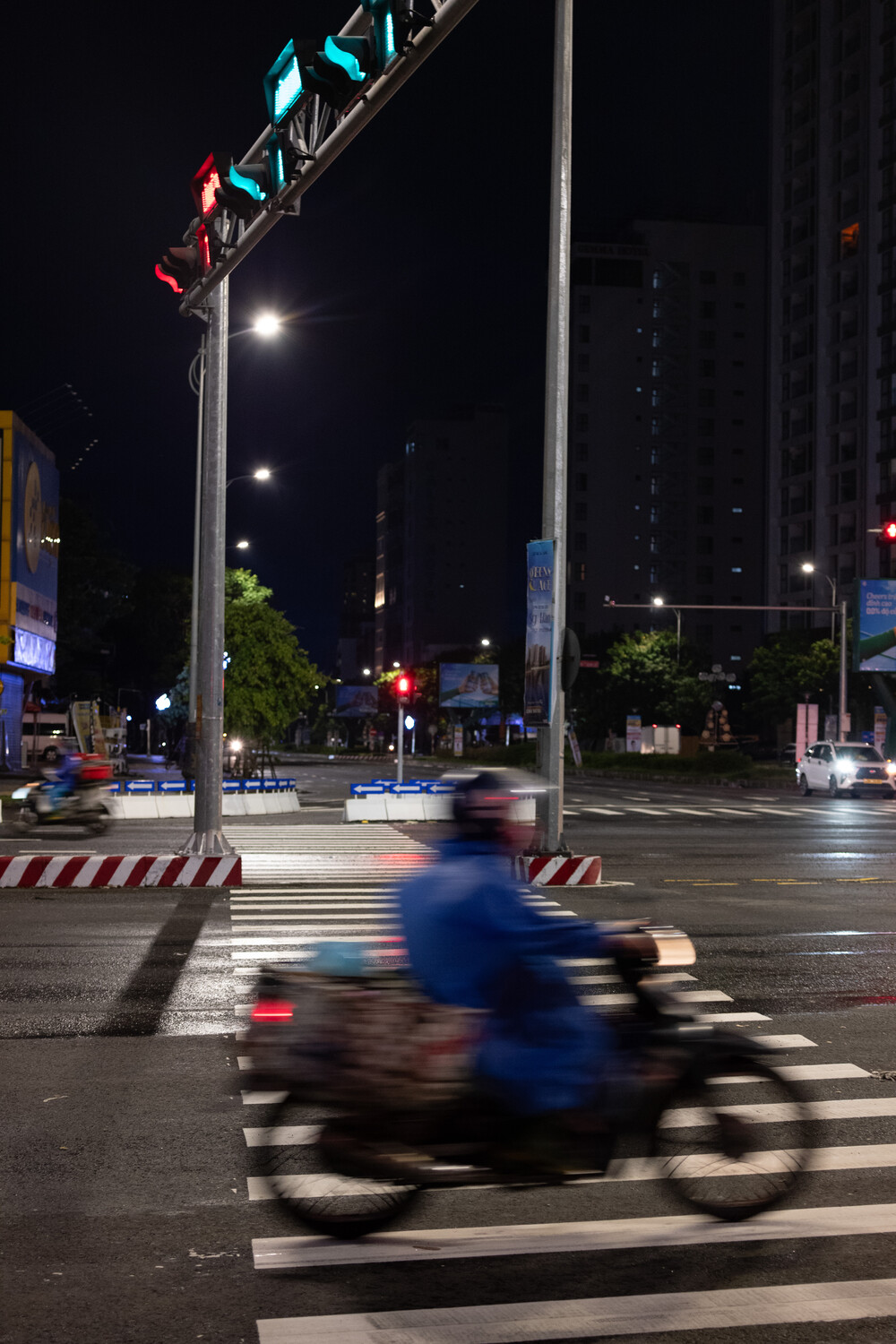
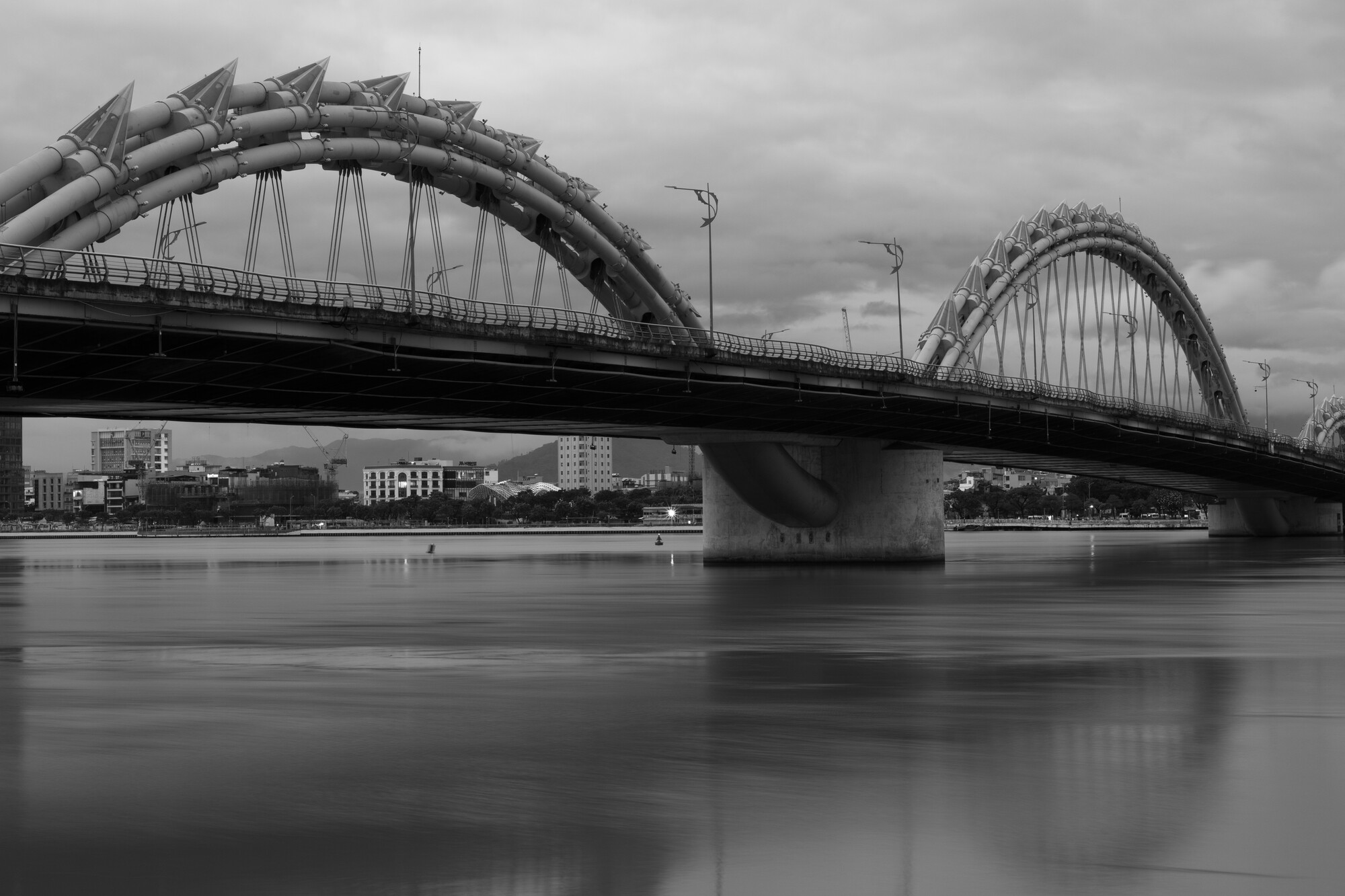
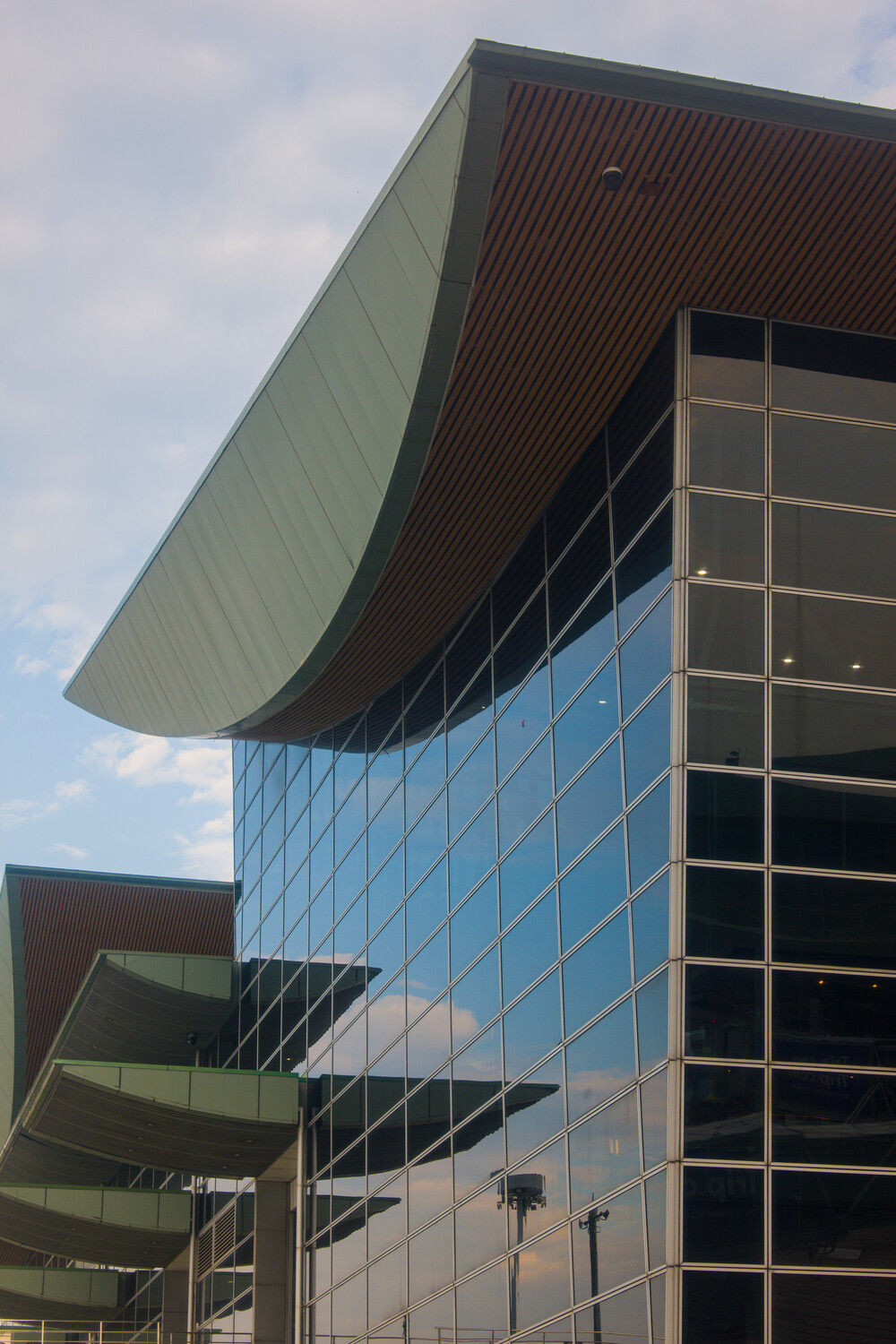
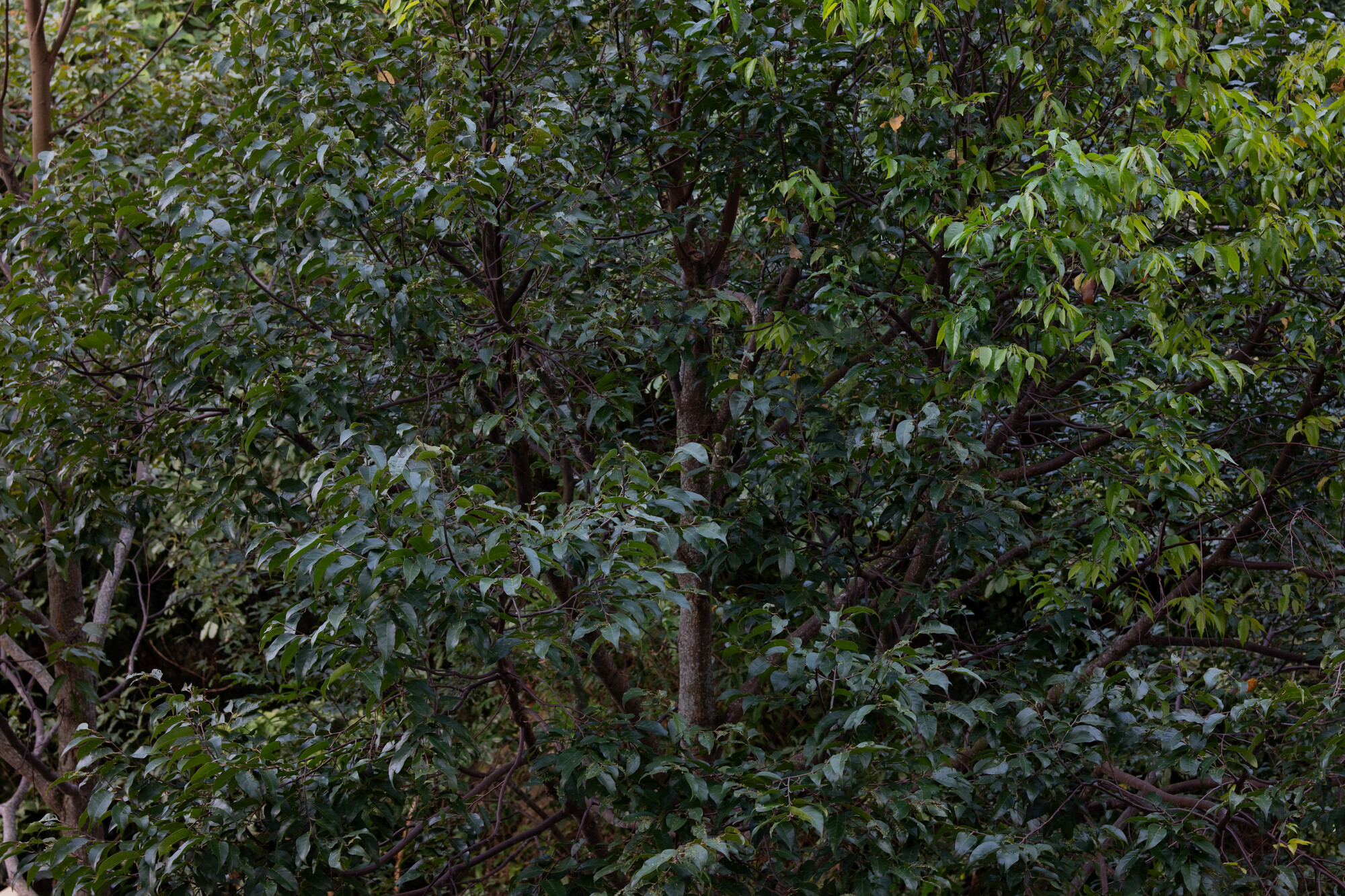
Optically, the Viltrox AF 40mm f/2.5 has very good center sharpness right out of the gate, even when shot wide open, with performance gradually fading toward the mid-frame; the corners are generally weak, largely due to a considerable amount of lateral chromatic aberration. Thankfully, it can be corrected in software—improving its corner performance and allowing the sharpness across the entire frame to become quite excellent by f/5.6. However, microcontrast and resolution still fall short of what the center is capable of delivering. Longitudinal chromatic aberration (LoCa) is noticeable at anything below f/2.8, significantly reducing at f/4 and almost entirely disappearing by f/5.6. Distortion is practically non-existent.
Given its strong central resolving power, I was encouraged to try this full frame lens on my APS-C Leica CL, and I am happy to report the resolution holds up reasonably well even on the more demanding smaller sensor format. However, I did find out that the slim profile lens hood designed for the Viltrox AF 40mm f/2.5 (full frame lens) is not sufficient when using it on an APS-C crop sensor. This is because the lens hood is engineered for a full frame sensor with a wider native field of view; it is inherently too short and wide for a crop sensor's narrower effective angle. This mismatch allows stray light sources that are outside your actual APS-C frame but still inside the wider full frame image circle to hit the front element, causing incidental veiling glare from light sources you can't even see in your viewfinder.
This ties directly into the lens's flare performance, which is admittedly one of the areas where the Viltrox Air series is lacking. Flare resistance on this lens is not very strong. Using the included hood does help improve things, but not by much. When working with direct lighting, the lens is prone to veiling flare, which reduces the overall frame contrast when bright light sources sit near the edges.

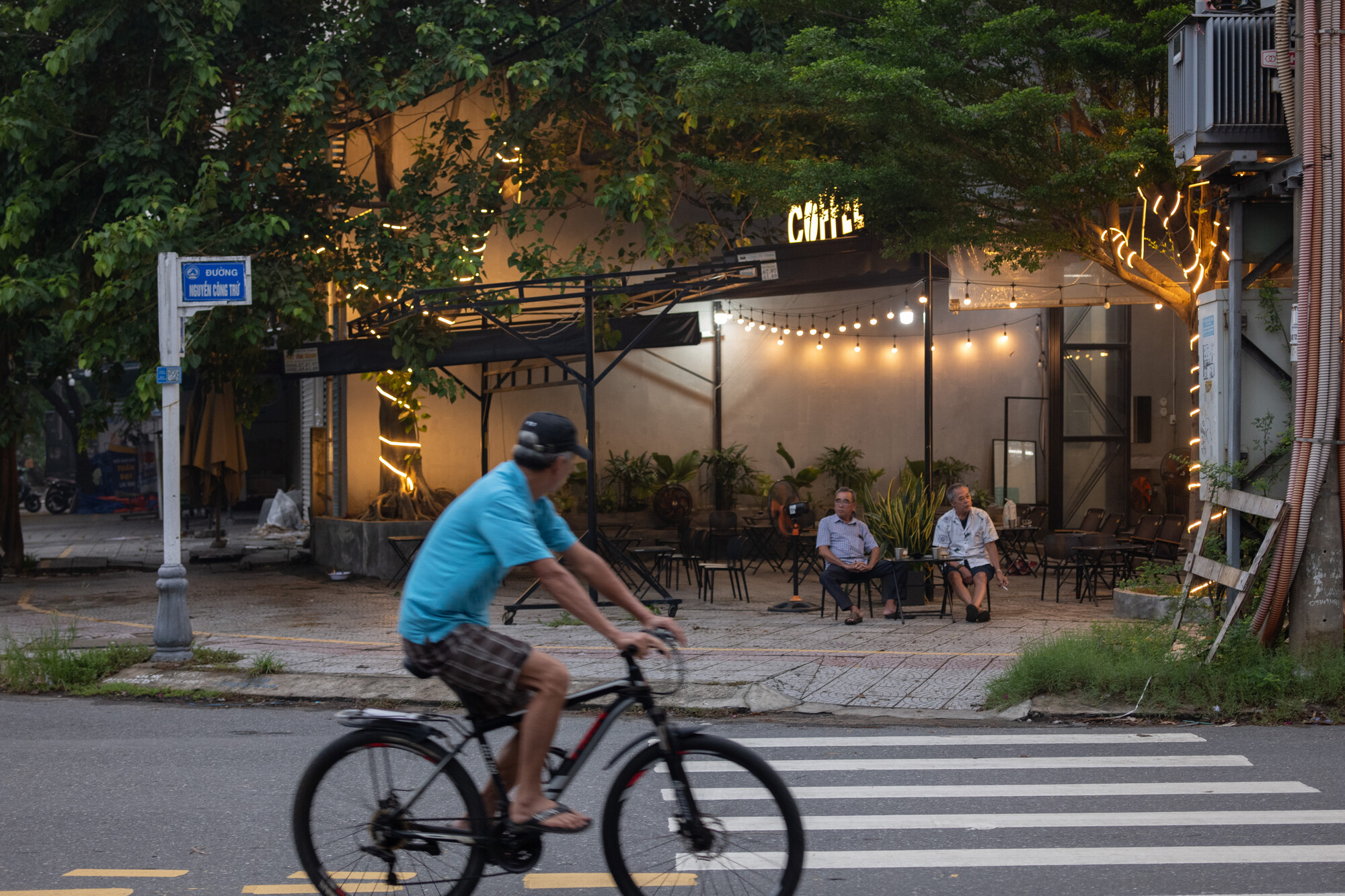
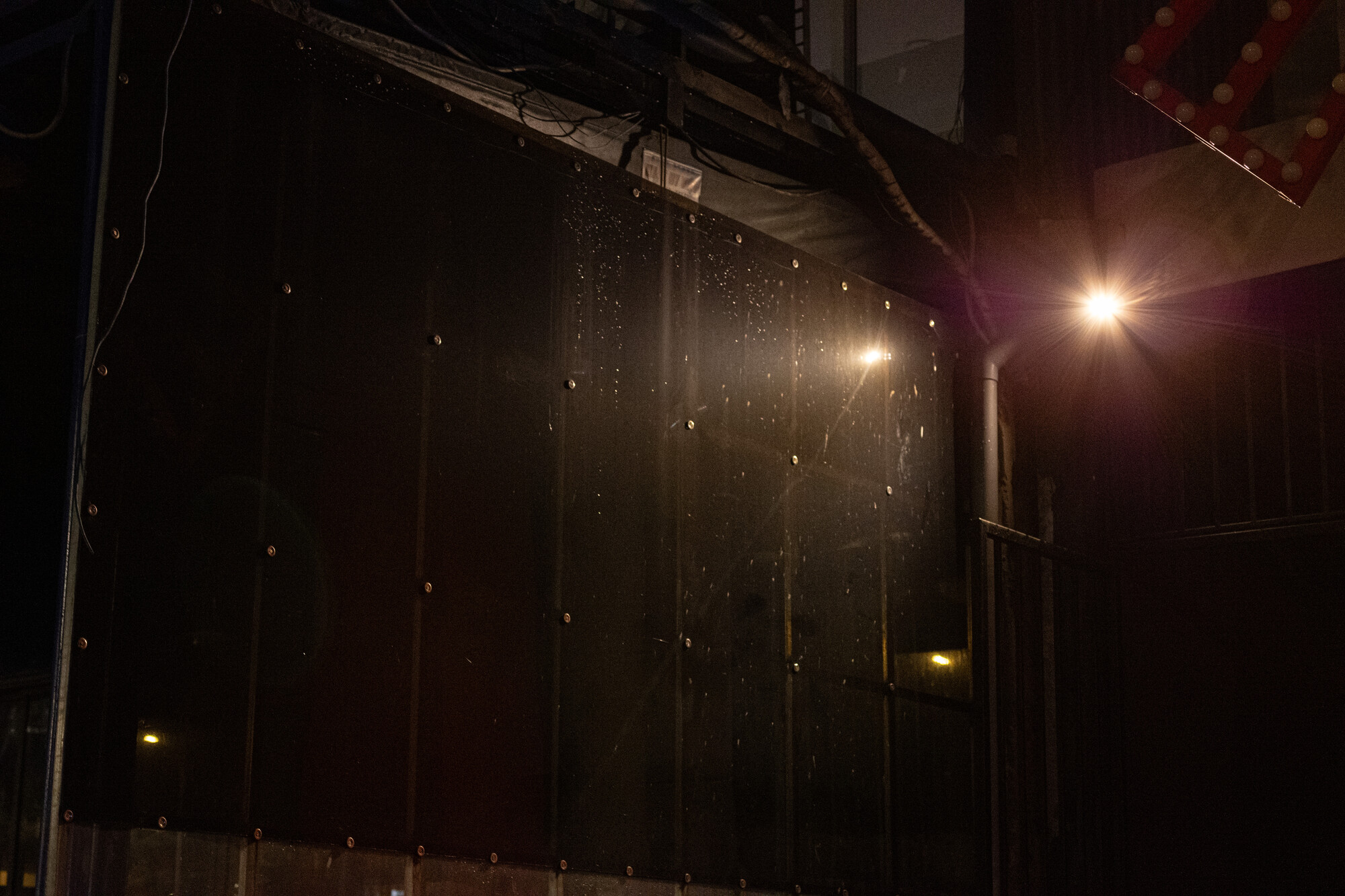
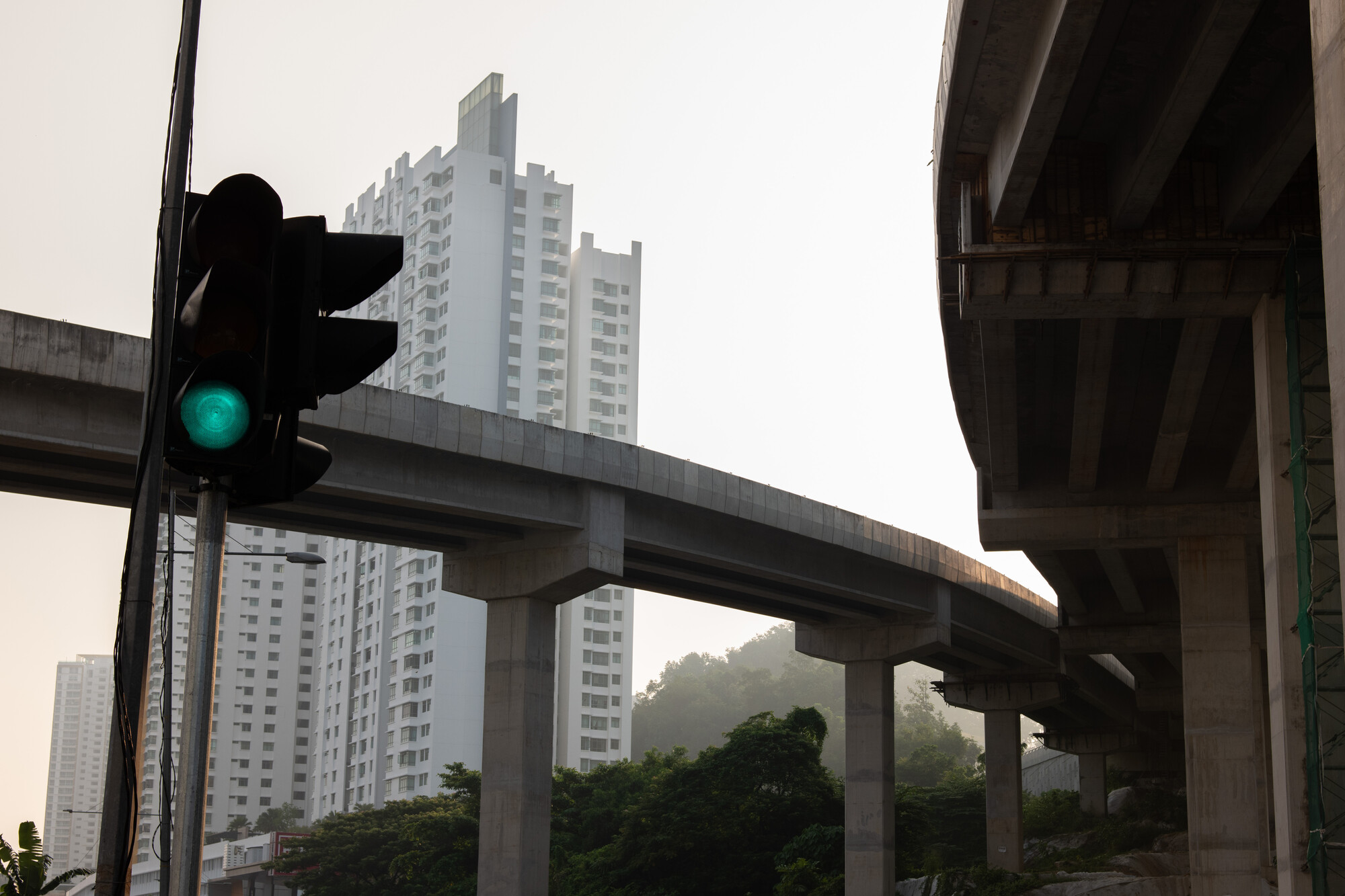
The lens features a relatively high number of aperture blades designed with the logical goal of producing smoother, rounder out-of-focus areas. However, the resulting bokeh when combined with the moderate maximum aperture still leaves some room for improvement as it does appear relatively busy with residual chromatic aberration. The low optical vignetting keeps the bokeh balls relatively round even near the corners with a hint of internal onion-ring patterns possibly caused by the aspherical element. Weirdly enough, despite having a high number of blades, the bokeh also quickly turns into hard polygonal shapes with even the slightest stopping down from wide open. Lastly, after testing it for a couple of weeks, I do think the Viltrox AF 40mm f/2.5 is a very strong lens producing rather balanced results when you use it at f/4.
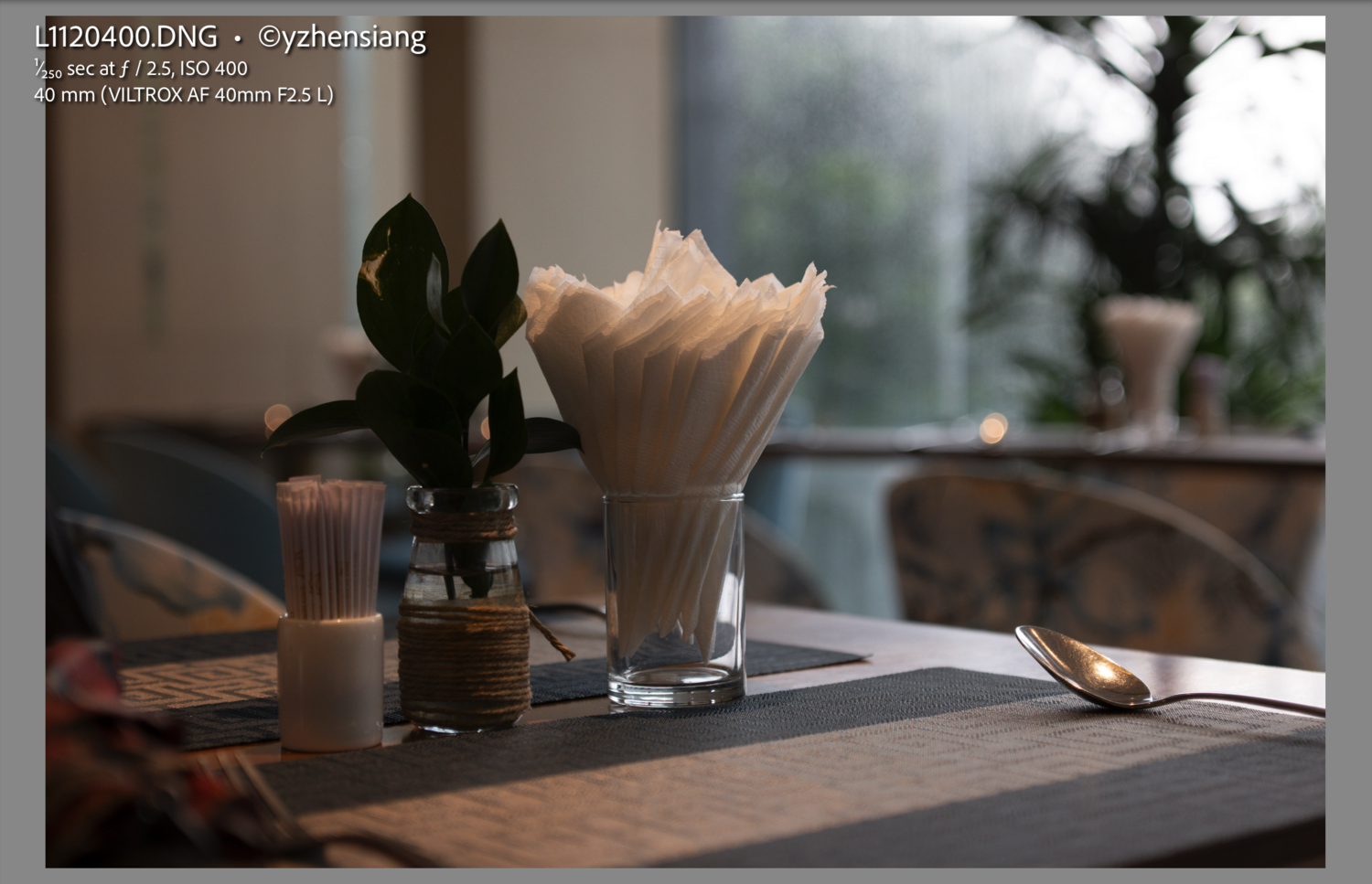
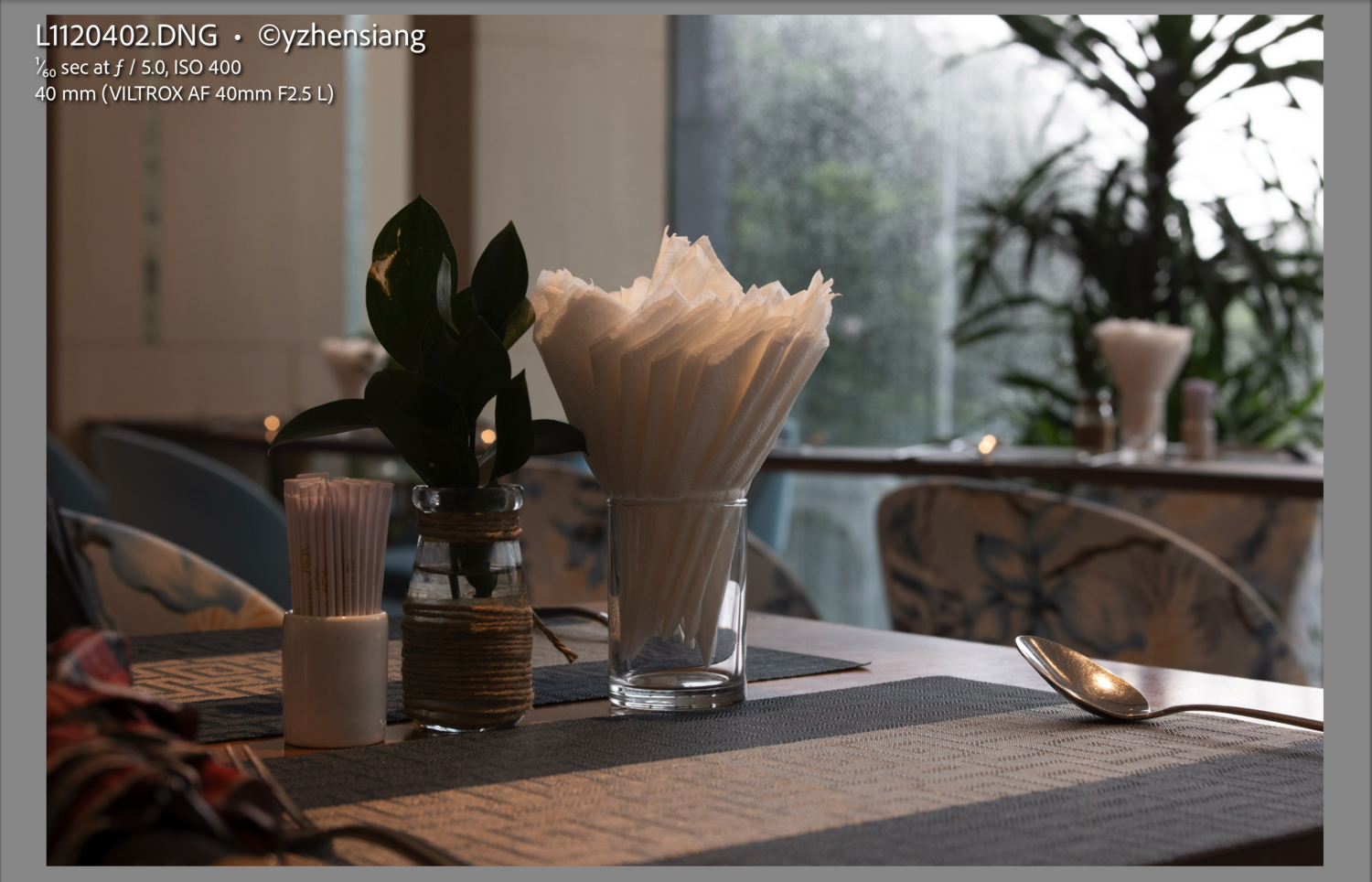
Notice the bokeh balls at the end turned into polygonal shape at f/5.0. Also because this lens doesn't have a large aperture opening, the bokeh balls are also not very huge to begin with even at f/2.5.











Summary
What I Liked
- Incredibly lightweight design makes it extremely easy to throw into a bag and carry all day.
- Pricing is accessible and considerably budget-friendly.
- Conveniently features a built-in USB-C port on the mount for effortless future firmware updates.
- Focusing operation is nearly silent, making it unobtrusive for environmental shooting.
- Great overall autofocus performance that is quick, accurate, and consistent, with no observable focus shift behavior during my testing.
- Maintains low vignetting once the aperture is stopped down to f/4 and beyond.
- Delivers an effectively distortion-free rendering for clean, natural-looking images.
Provides good resolution and sharpness at the center of the frame.
What Could Be Improved
- Noticeable lateral chromatic aberration (CA) is present at the extreme corners of the frame.
- Overall flare control desperately needs improvement when shooting in harsh lighting.
- The addition of optical lens stabilization would greatly improve its overall usability for low-light situations and handheld video work.
- The bokeh is slightly busy for my liking with highlights that tend to take on hard, polygonal shapes with even the slightest change in aperture from wide open.
- Standardize a single filter size across the entire Air series line; having a uniform thread size would make sharing circular filters much easier and more cost-effective, particularly for hybrid video shooters.
Final Thoughts
Finally, I do know of smaller 40mm lenses that are high performers, so the physical size isn't really a unique advantage for this lens. However, given that the Viltrox AF 40mm f/2.5 is now available for the L-Mount system, combined with its strong optical performance and highly accessible pricing, it completely shifts the value proposition. I would highly recommend this lens as a first additional prime lens for anyone who wants to enter the L-Mount system with Viltrox lenses. For those who are interested in picking it up, it is priced at just $176.



Join the Fstoppers community for free
-
Post comments and join in the discussions
-
Browse the site ad-free
-
Share your work and get featured in the community
-
Compete in the photo contests for fun and prizes
No comments yet