

We have all driven past the same location a hundred times during the day and never once pulled over to reach for the camera: the gas station, the empty parking lots, a small business on Main Street. Travel through there at night, and these locations stop us in our tracks. Daylight documents a place; night light transforms it. Same place, different photograph.

The Editing Power of Night
In daylight, it shows everything. Trash, power lines, visual clutter in a composition. Nighttime falls; artificial lighting begins to emerge, and the night becomes the ruthless editor. What the light doesn’t touch disappears. This is where subtraction becomes a part of the composition. The frame becomes similar, without us touching a thing. Darkness is the best background remover.

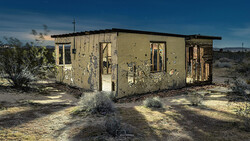
Pools of Light
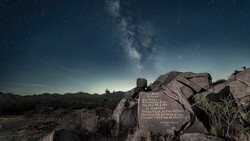
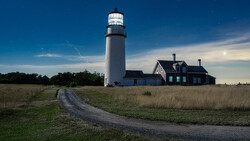
The “pool of light”: a lit island in a sea of black that creates a subject by isolating it. Light becomes a composition tool we can use as photographers, while also reducing post-processing work. Direction, color, and quality of light play a key role in the composition of the photograph. These elements help create mood in a photograph. Sodium-vapor orange, mercury green, LED blue, and neon are misread by auto white balance during the day, but become cinematic at night. The colors the camera displays now create interesting photographs.
Mystery takes over the information at night. While color helps create more interesting photographs, night photography makes us lean in because we can’t see everything. The unlit corners in our photographs now become storytelling.
The Familiar Made Strange
An emotional core in our photographs doesn’t have to come from extraordinary locations; we are taught to believe what makes a great photograph. Extraordinary is about transformation. Hopper’s Night Hawk, Todd Hiddo, Gregory Crewdson: masters of loneliness and drama after daylight falls and night takes hold. These artists are the godfathers of taking the ordinary and making it extraordinary. In their images, the paradox begins to take shape. Emptiness starts feeling charged; a vacant lit space implies a story we’re just missing.


How to Shoot It
Embrace the wait; it should be the motto for night photography. Long exposures and low ISO are where we can wait. This is how we take that everyday space we have driven past several hundred times and make it something that catches our eyes, as well as our viewers’.
Exposure: Now is the time to use the darkness of night to our advantage. Expose for the highlights in the photograph; the shadows will go dark. Now is the time to focus on the highlights and not let the shadows worry us; we’re using them to our advantage.
White Balance: Work the white balance on purpose. Avoid auto white balance and choose it manually. This is when we lean into white balance and color casts. We can use cooler colors to make the photograph feel cool, and warmer tones to create a warmer feel. Mixing the two can also yield more dynamic images. Use color to your advantage.
Scouting: Head out without the camera and focus on locations. Without the camera, we can solely focus on the images we want to capture. We can again focus on color in the images, one of the strongest elements in night photography. Now, we don’t feel the urge to photograph, which keeps us focused on our scouting trip.
In the End
If you're in a creative rut, or you're looking for a new genre of photography, night photography might be your next step. That location we have driven by several hundred times may be mundane during the day; at night, it's a whole new level of interesting. It doesn’t take much to make an extraordinary night photograph; sometimes it just takes time, focusing on color and highlights, and not worrying about the shadows.

Join the Fstoppers community for free
-
Post comments and join in the discussions
-
Browse the site ad-free
-
Share your work and get featured in the community
-
Compete in the photo contests for fun and prizes
No comments yet