
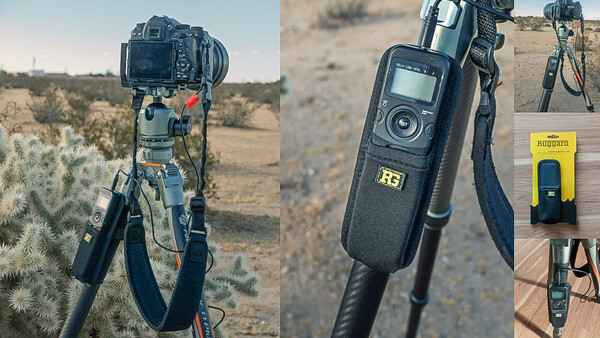
If you shoot long exposures at night, you know the frustration — your intervalometer dangling from your camera, swinging in the breeze, pulling on the cable. Not good. The Ruggard RTC-10 Timer-Remote Case (Standard) fixes that with a padded holder that straps directly to your tripod leg. It works great, with one Velcro gripe we'll get to shortly.
I will also detail my process for securing my intervalometer. Yes, I might be the only writer who's weird enough to write an entire article about the process for attaching an intervalometer to a tripod, but this is what you get when you get one of us strange night photographers to write articles for Fstoppers. But at the end, you'll see how I've arrived at the Ruggard RTC-10, and how well it works.
The Case for the Case
Those of us who use an intervalometer or other remote timer know how important it is to secure the intervalometer. An intervalometer swinging in the breeze tugs at the cable in two places: where it inserts into the camera, and where it connects with the device itself. Neither connection point is good, as it can cause failure. And as someone who teaches night photography workshops, I can attest to how these types of timer remotes are the single biggest point of failure when photographing at night, resulting in frustration for our workshop participants.
But how do you solve this?
Past Efforts to Stop the Intervalometer From Dangling
The first attempts that I saw from others involved using rubber bands to secure their intervalometers to a tripod leg. Sure, it stops your intervalometer from swaying, but it usually requires fiddling in the dark, hardly an elegant solution.
Does Velcro Work?
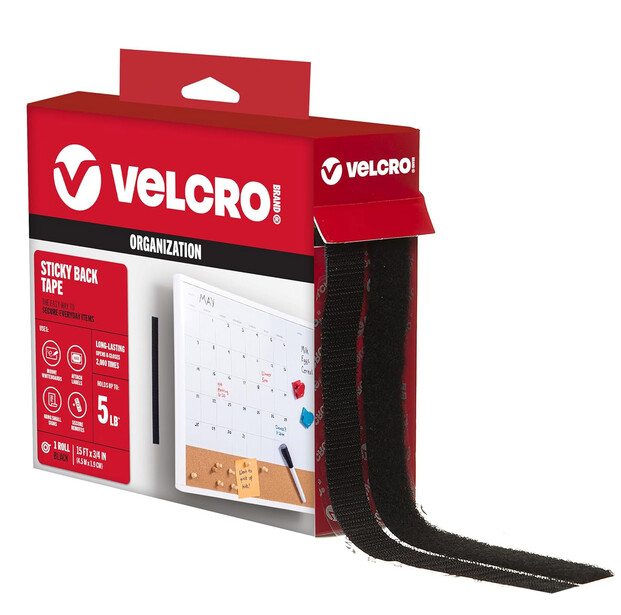
The first thing I did was Velcro the intervalometer onto the tripod leg. Of course, this requires you to have Velcro on the leg as well as on the back of the intervalometer. And it seems to slowly catch everything around it, whether it's dust, parts of plants, or sometimes even your clothes.
But it works. And it's what I did for many years.
Until it didn't work.
Winds That Can Knock You Over

I was at Convict Lake in Owens Valley, California, a place notorious for high winds. This particular evening was so windy that when my friend walked over to have a look at the lake, a gust of wind nearly blew him over. However, we persevered because Comet C/2023 A3 and the Milky Way hung beautifully in the night sky.
To photograph, I had to hold the tripod down hard, pushing it firmly into the ground while the shutter remained open for the typical long exposure that night photos require. Our tripods wouldn't have remained upright for very long at all if we weren't holding on to them.
In between photos, there was an enormous gust. A moment later, I realized that my intervalometer was missing. The wind had torn it off the Velcro, the first time that had ever happened anywhere. I laid my camera and tripod down on its side and looked around for my missing intervalometer, searching with my flashlight. After a couple of minutes, I finally saw it. It was 40 feet away from where my camera had been! The battery compartment door had also come off, but thankfully, my batteries were still inside. And after another minute of scanning around with my flashlight, I managed to find the tiny door.
After this, I realized that I needed to find a way to secure my intervalometer more reliably.
Do Heavy-Duty Multipurpose Hook-and-Loop Straps Work?
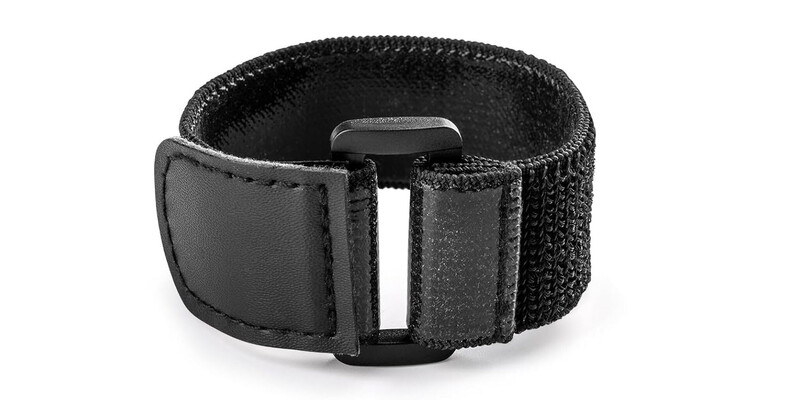
In a word, yes. I purchased these stretchable, heavy-duty straps. They don't go anywhere. They attach to your intervalometer, and because you can stretch them, you can make them very tight. I've used these since that October 2024 evening at Convict Lake when we were desperately trying to keep our cameras from flying away.
I like them, but they do require a bit more time to adjust the straps, strap them over the intervalometer, and go. The good part is that you can use two of them if you want your intervalometer to be extra secure.
But in a way, I was back to what people were doing with rubber bands. I had essentially swapped rubber bands for a much stronger, sturdier version. Better, but not elegant.
Can We Take a Cue From the Kangaroos?


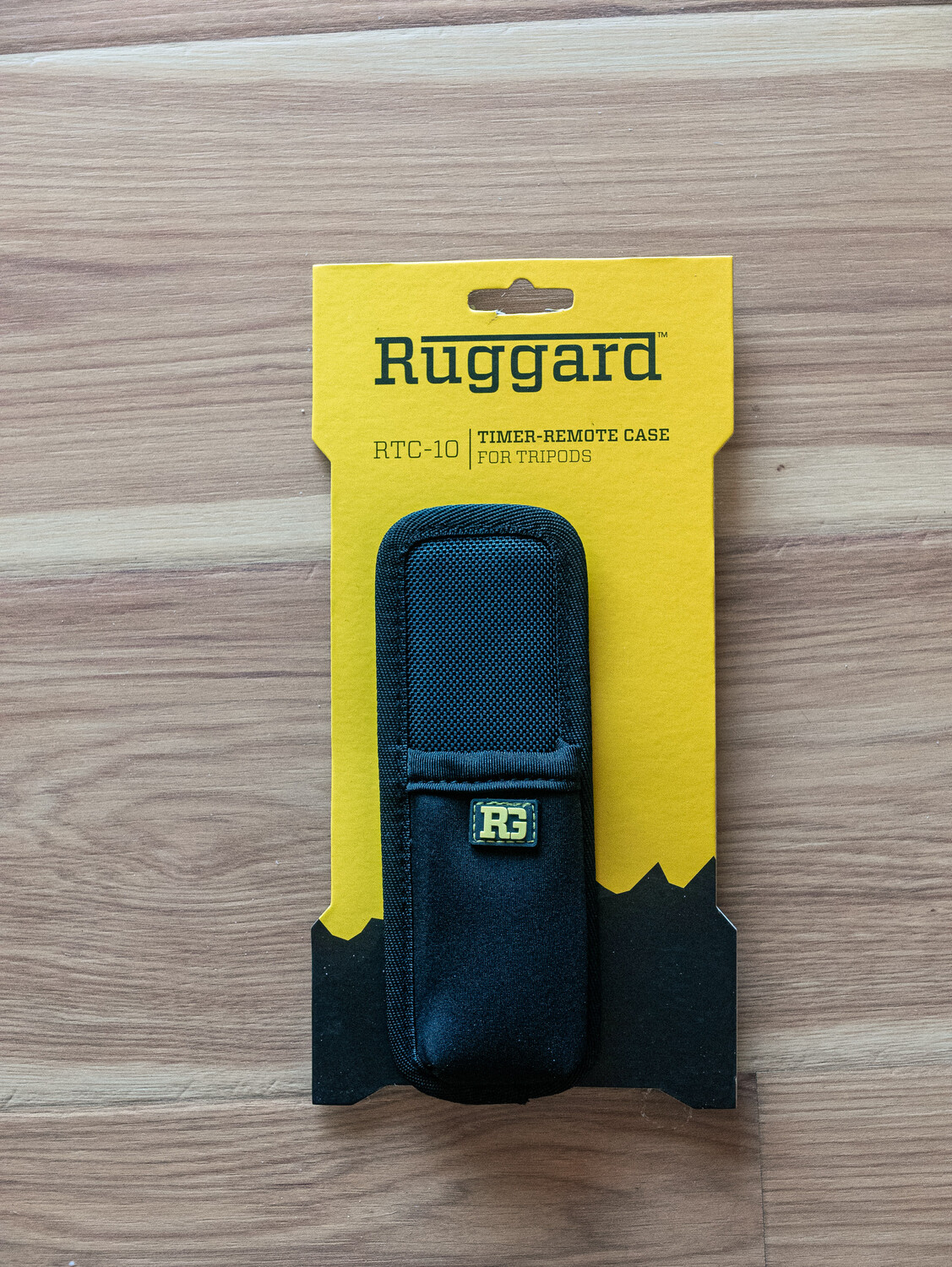
The Ruggard RTC-10 Timer Remote Case for Tripods.
Maybe, just maybe, a pouch might work. But instead of holding a furry little joey, it holds your intervalometer. Enter the Ruggard RTC-10 Timer-Remote Case (Standard). I saw this mentioned during one of the presentations at the May 2026 Nightscaper Conference in New Mexico. Of course, it would take someone like a night photographer to actually bring this up.
The Ruggard RTC-10 (Standard) is an attachable pouch designed to hold camera intervalometers and timer remotes on your tripod leg. It prevents the remote from dangling off the camera and provides quick, easy access to its controls. It uses a rubberized hook-and-loop strap to secure the case tightly to most tripod legs, thereby securing your intervalometer to it. The pocket is made of elastic neoprene that holds most standard timer remotes securely.
The Ruggard RTC-10 (Standard) in the Field

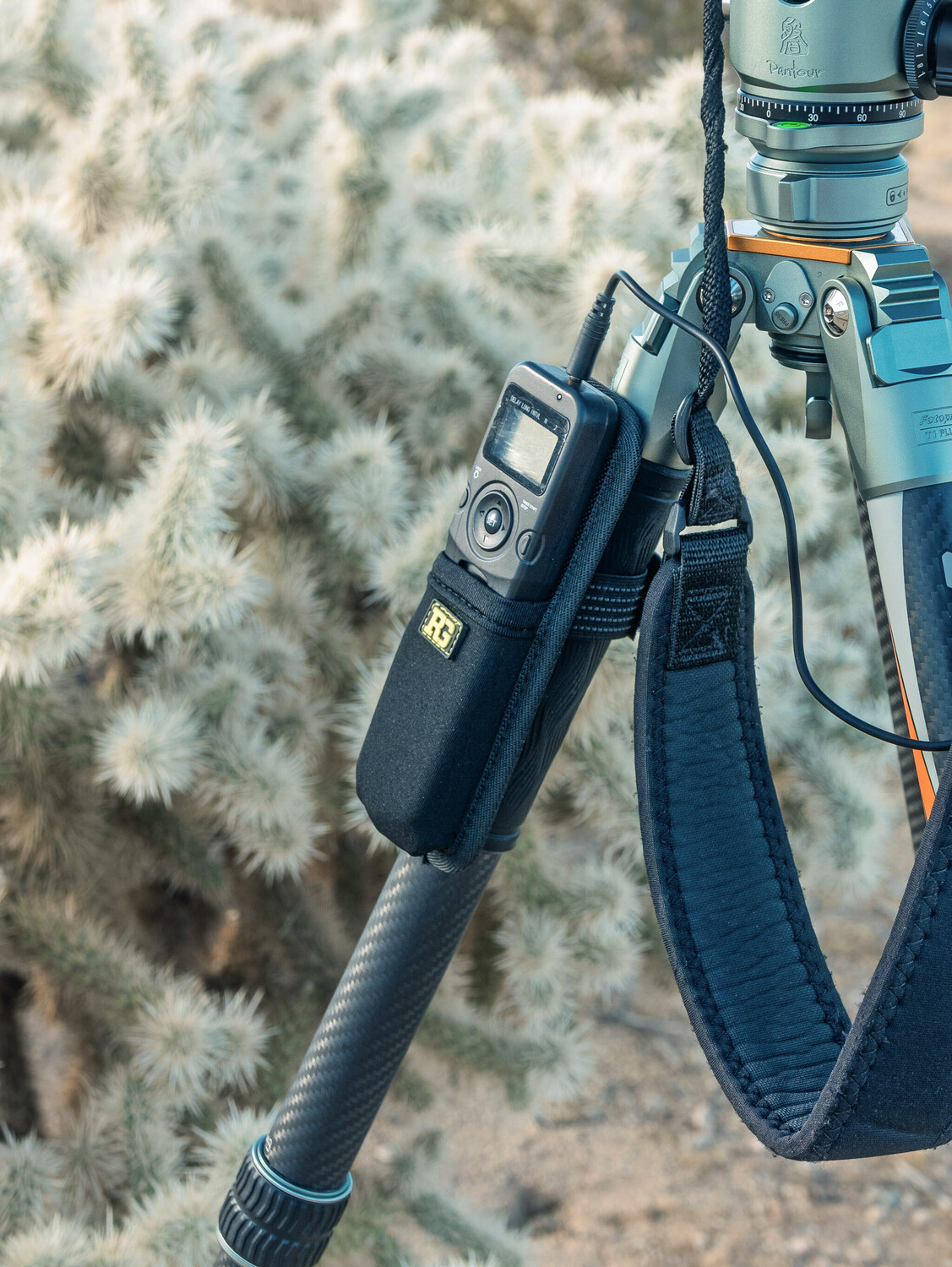

The Ruggard RTC-10 Timer Remote Case for Tripods while photographing near sunset in Joshua Tree, California.
The Ruggard case attaches easily to the tripod, and even fits reasonably snugly with my large tripod, the Feisol CT-3372. You can drop the intervalometer inside the pouch, and you're done. The pocket is deep and snug enough that the intervalometer doesn't fall out when you pick up your tripod to carry it to your next location.
I used three wired intervalometers for testing: the Vello Shutterboss, Aream (discontinued), and Insignia. All of them are more or less the same size, and fit snugly into the standard-sized Ruggard case.
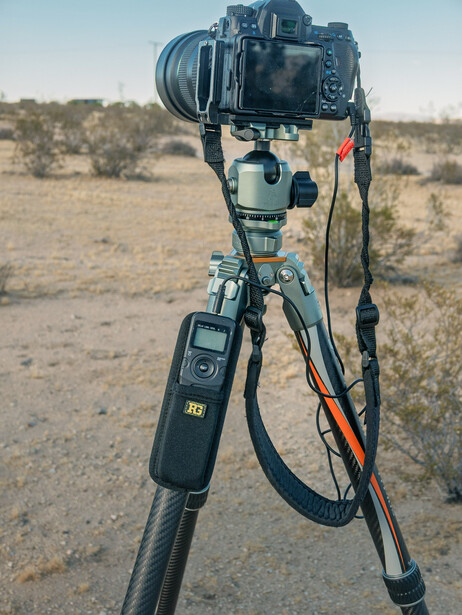
However, with other tripods that are not enormous, such as the Fotopro Pantour T1 Plus carbon fiber tripod or the Feisol CT-3342, which have thinner legs, the Velcro strap is not as snug. This could easily be fixed if there were simply more Velcro on the strap. If Ruggard had stitched another inch of Velcro on either side, you would be able to make this far more secure. In fact, if it used slightly stretchable Velcro straps, it would be supremely snug.

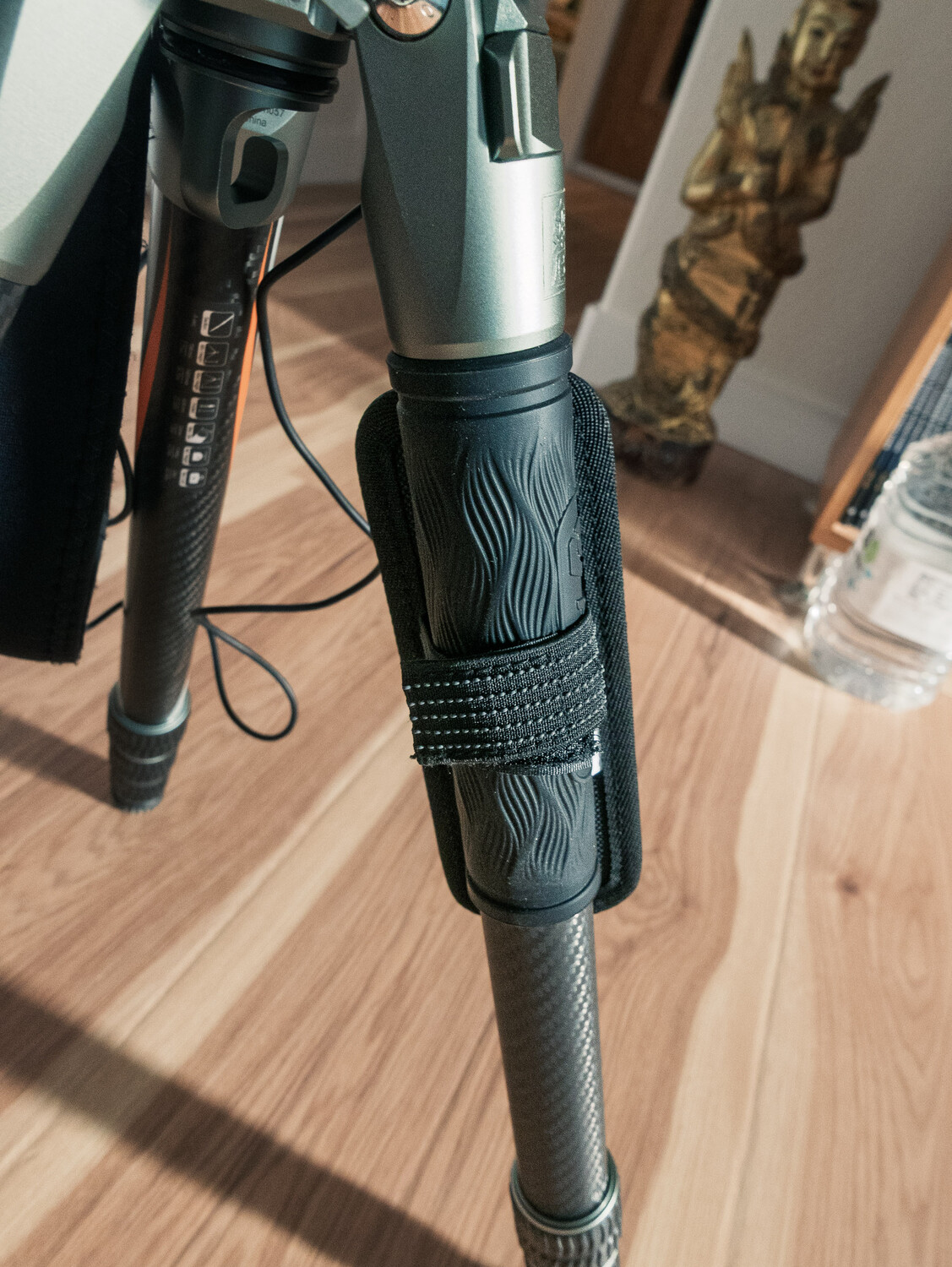

How the The Ruggard RTC-10 Timer Remote Case for Tripods (Standard) attaches to tripod legs. The tripod shown here is a Fotopro T1 Plus Pantour Series, which is an average-sized (and outstanding) tripod.
But instead, it swivels around the leg — sometimes even when the tripod is standing still. I love the pouch idea, but was disappointed by the strap. And the Fotopro and smaller Feisol tripods are average-sized tripods. In other words, this is an issue that many people would have.
My Ruggard Velcro Strap Workaround
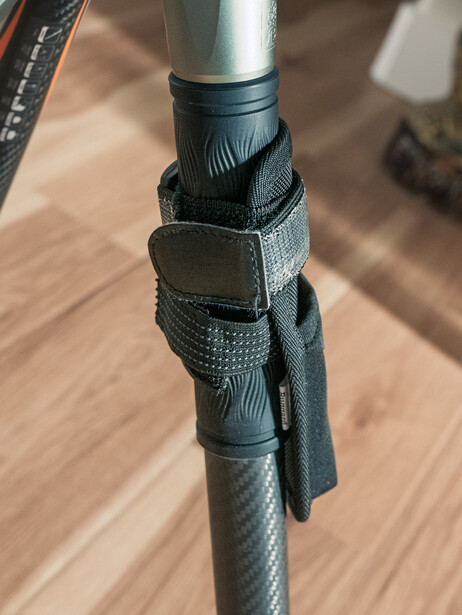
I kept my heavy-duty straps on my tripod while testing the Ruggard RTC-10. And it occurred to me that I could strap one of them around the Ruggard and tighten it so it wouldn't swivel. This worked extremely well, and the whole thing is considerably more stable.
If necessary, I could also use the second heavy-duty strap to tighten around the pouch itself, securing the intervalometer further and preventing it from pivoting even more. I don't feel that will be necessary, but at least there is a workaround should that occur.
The Ruggard pouch is made of neoprene with an outer layer of Cordura. This combination seems reasonably durable and should last for a while.
Overall Thoughts
The Ruggard RTC-10 Timer-Remote Case (Standard) is a genuinely clever solution to a problem that every night photographer knows all too well. The neoprene pouch is well-made, easy to use, and deep enough to keep your intervalometer secure even when you're moving between locations. The one weak link is the Velcro strap — there simply isn't enough Velcro. And it could be stretchable, making it even tighter and more secure. It's an easy fix, and one I hope Ruggard addresses in a future version. In the meantime, the heavy-duty strap workaround solves the problem completely. Recommended, but with that one caveat.


Join the Fstoppers community for free
-
Post comments and join in the discussions
-
Browse the site ad-free
-
Share your work and get featured in the community
-
Compete in the photo contests for fun and prizes
4 Comments
How to Stop Your Timer Remote From Dangling – and what about the camera strap?
That doesn't stress any cables or anything. But yes, if I weren't so lazy, I would remove the camera strap when I was doing night photography, particularly when it's windy. And I should do that, so thank you for the reminder!
Have you heard of the LRTimelapse PRO Timer? This timer plugs right into the camera's hot shoe—no Velcro straps or other accessories needed. And the interval is spot on, too. It's definitely worth checking out from good old Germany!
https://lrtimelapse.com/lrtpt/
JK
No, I do NOT know about that!! I just skim-read it, and it sounds fantastic, thank you for mentioning it!! And if it's German engineering AND it's a great intervalometer that mounts on the hot shoe, well, you have my individed attention!
As an aside, I saw "JK" at the bottom of your comment, and for a nano-second, I thought, "Oh weird, it says 'just kidding.'" :D