
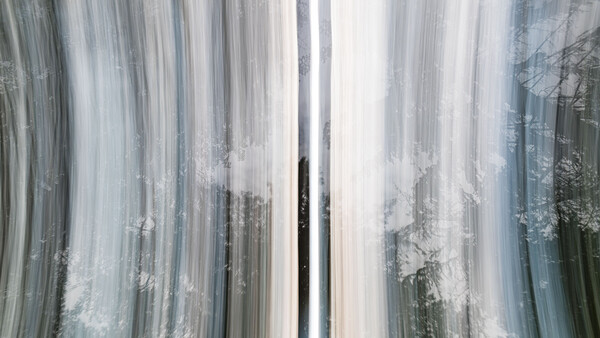
Experience makes photographers faster by teaching them to recognize patterns. The same mechanism can also prevent them from seeing photographs that do not fit those patterns.
One of the biggest advantages experienced photographers have is speed. You can look at an image for a fraction of a second and know what is happening. Missed focus. Camera shake. Lens flare. Another high-key portrait. Another overprocessed landscape. That ability is what experience looks like. If you had to analyze every frame from scratch, editing a thousand photographs would take days instead of hours.
Experience depends on categories. When you first pick up a camera, every photograph feels individual. You do not yet know what to expect, so you look at each image on its own terms. Over time that changes. The brain builds shortcuts. Instead of seeing one photograph after another, it learns to recognize patterns. Similar photographs collapse into a single category. The next time you meet one, you do not analyze it again. You already know where it belongs. That is the mechanism that makes you fast.
The problem begins when the shortcut arrives before the photograph. Instead of looking at the image and deciding what it is, you recognize the category first and assume you already know the image.
"It's just camera shake." "It's just lens flare." "It's just an overexposed frame."
These sentences say nothing about the photograph. They name the category you placed it in. Once that happens, the image disappears. You are no longer looking at the photograph. You are looking at the folder you filed it into.
Most of the time this costs nothing. Most blurry photographs are unsuccessful. Most accidental camera movements stay accidents. Categories exist for a reason. They have one limitation. A category holds the rule. The exception lives in the photograph.
Every photographic approach that eventually became accepted started as something photographers already knew how to dismiss. Motion blur. Visible grain. Lens flare. High ISO noise. Deliberate camera movement. Before they became visual language, they were filed into familiar folders and ignored. The category was accurate. It was simply applied too early.
This is why the phrase it's just is worth attention. It is not a judgment. It is the moment you stop looking because the work seems already understood. I have written before that one way to recognize weak criticism is that it can be delivered without looking at the photograph. "It's just" belongs to the same family. Once the words appear, attention moves away from the image and toward a label that existed before the photograph was made.
One dismissed frame means little. The cost compounds across a career. Every time you reach for "it's just" by reflex, you teach yourself to see only what already has a name. New work keeps arriving disguised as old work and gets filed before it is examined. What you lose is not the photograph you passed over. It is the ability to recognize the next thing photography has not named yet.



Join the Fstoppers community for free
-
Post comments and join in the discussions
-
Browse the site ad-free
-
Share your work and get featured in the community
-
Compete in the photo contests for fun and prizes
No comments yet