Twenty dollars can buy a film camera that shoots manual exposure, aperture priority, and autofocus, and it happens to be the same camera one longtime shooter started his whole film journey on. Film photography keeps pulling in new people every year, and picking a first camera without wasting money or ending up with a broken body is the hard part.
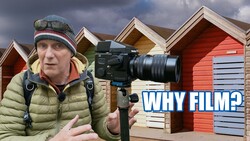
A rundown of 12 beginner film cameras split into five categories comes from KingJvpes, aka Jonathan Paragas, who has shot every single body on the list over the last decade. Each category gets a budget pick and a splurge pick, so you choose based on how deep you want to go. The five groups are entry-level, point-and-shoot, fully automatic, fully mechanical, and all-rounder. The point of that structure is matching the camera to how much you actually want to think while shooting, which is the thing most beginners get wrong when they buy on hype alone.
The entry-level tier starts with disposables, which have grown far past the drugstore reputation they carried for decades. You can now find black-and-white, color, and stranger film stocks loaded in them for different looks. One step up sits the Kodak Snapic A1, a reusable body with a 25mm glass lens, a built-in flash, and multiple shooting modes for around 100 bucks. For point-and-shoots, the picks center on reliability and sharpness rather than trend value, with the Olympus Stylus Zoom and the cheaper Pentax IQ Zoom leading the way. The Olympus Stylus Epic is the splurge here, thanks to its prime 35mm f/2.8 lens that outresolves the zoom variants.
The mechanical and all-rounder categories are where the advice gets more opinionated. The Pentax Spotmatic SP runs $25 to $70 and pairs with Super-Takumar glass like the 50mm f/1.4 and the 55mm f/1.7, and you can meter with a phone app if you skip a handheld meter. The Nikon FM2 is the pricier mechanical option, notable for a 1/4,000 s mechanical shutter that fires without a battery, a spec most mechanical bodies never reach. Paragas calls the Minolta XD 11 his top all-rounder and the body he recommends most often, built on the same chassis as the Leica R3 and running $100 to $150. The Nikon F3 sits above it as a camera that grows with you, with a swappable prism, changeable focusing screens, and an advance lever running on 11 ball bearings.
The through-line here is buying a camera that leaves room for you to change your mind. Beginners tend to overspend on whatever body is going viral on Instagram, then discover the shooting experience doesn't fit how they actually work. A camera like the XD 11 or the F3 lets you start in aperture priority and lean on the meter, then move to full manual as your eye develops, all without buying a second body. The used market rewards patience over speed. Prices on models like the Pentax IQ Zoom or the Minolta Maxxum HTsi Plus swing widely from listing to listing, so setting a saved search and waiting a week or two often lands the same camera for half the price of an impulse buy. That habit alone will save more money than picking the "right" brand.
That's just the start, so watch the video above for the full breakdown, including how each pick handles in the field and which lenses to hunt down alongside them.




Join the Fstoppers community for free
-
Post comments and join in the discussions
-
Browse the site ad-free
-
Share your work and get featured in the community
-
Compete in the photo contests for fun and prizes
No comments yet