When you start shaping light, modifier choice controls direction, softness, and contrast that define faces, texture, and color in a scene. Getting the order right saves money and gives photographers a flexible kit that works across portraits, products, and tight locations.
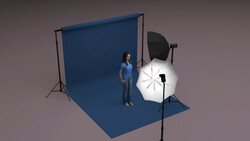
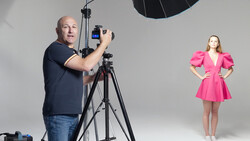
Coming to you from John Gress, this clear video lays out a practical buy order and shows what each modifier actually does rather than repeating theory. Start with bounce umbrellas, since you get control, speed, and reach without a big spend. White gives softer light while silver adds contrast, and a diffusion cover pushes them closer to a soft source without killing efficiency. Shoot through umbrellas spray light everywhere, which can be useful but harder to contain in small rooms with colored walls. A matching pair pays off fast for lighting a backdrop or building even coverage across groups. Deep shapes push light forward with more contrast, so a deep umbrella is easier to keep off ceilings and floors than a shallow umbrella.
Next comes the softbox, which becomes your everyday portrait light. Multiple diffusion layers smooth specular highlights and even out the beam, and you can add a fabric honeycomb grid when you need to keep spill off walls. Feathering matters more than you might think, since aiming the box slightly past the subject sculpts the face and lets you ride background brightness without changing power. A rectangular softbox throws a window-like catch light in eyes and products, which reads clean on glass, chrome, and glossy labels. A strip softbox draws slim highlights along a jawline, a bottle, or a sleeve and also works as a tidy hair light on a boom.
Then add a beauty dish when you want more shape and bite. The look suits angular faces and fashion where cheekbones should pop, but it is less forgiving on textured skin and requires tighter posing. Classic placement sits just above the lens at about 45° for butterfly lighting, and the quick rule “diameter equals distance” gets you in the pocket fast, so a 27 in dish starts about 27 in from the face. White interiors smooth highlights while silver raises contrast and edge acuity, and small dishes hit harder than large ones at the same distance. A diffusion sock softens output but also moves the look toward a tiny softbox, which defeats the point if you picked a dish for crisp transitions.
If you work in mixed or reflective spaces, keep an eye on bounce. Umbrellas can light the room as much as the subject, which is helpful for ambient lift but risky near colored walls. Boxes with grids give you more control when you need to shape spill, and dishes reward careful framing since moving a few inches can slip you out of the sweet spot. When you need fast setup on a cramped job, an umbrella pair still wins on speed and coverage. When skin tone and highlight control matter, a softbox on a stand with a grid in your bag gives you options. If you want to see how each option compares on faces and backgrounds side by side, the video lays out direct A/B frames. Check out the video above for the full rundown from Gress.
If you would like to continue learning about how to light a portrait, be sure to check out "Illuminating The Face: Lighting for Headshots and Portraits With Peter Hurley!"


Join the Fstoppers community for free
-
Post comments and join in the discussions
-
Browse the site ad-free
-
Share your work and get featured in the community
-
Compete in the photo contests for fun and prizes
No comments yet