The Legend Architecture Louis Kahn’s National Assembly Building of Bangladesh in Dhaka is an extraordinary example of modern architecture being transcribed as a part of Bangali vernacular architecture. The National Assembly building, completed in 1982, stands as one of Kahn’s most prominent works, but also as a symbolic monument to the government of Bangladesh. 1971 the project became much more of a symbol of democracy and pride for the Bangali people. The building was finally completed in 1982 at more than double the initial estimated cost for completion at $32 million. The geometric shapes found on the different faces of the façade add a dramatic impact to the overall composition of the building. The geometric shapes are abstracted forms found in traditional Bangali culture that are meant to create a marriage of old and new cultural identities, as well as, serve as light wells and a natural environmental control system for the interior. For Kahn, light was an important aspect in the design of a building, not just as a way to illuminate a space, but rather conceptualizing light as a creator of space.
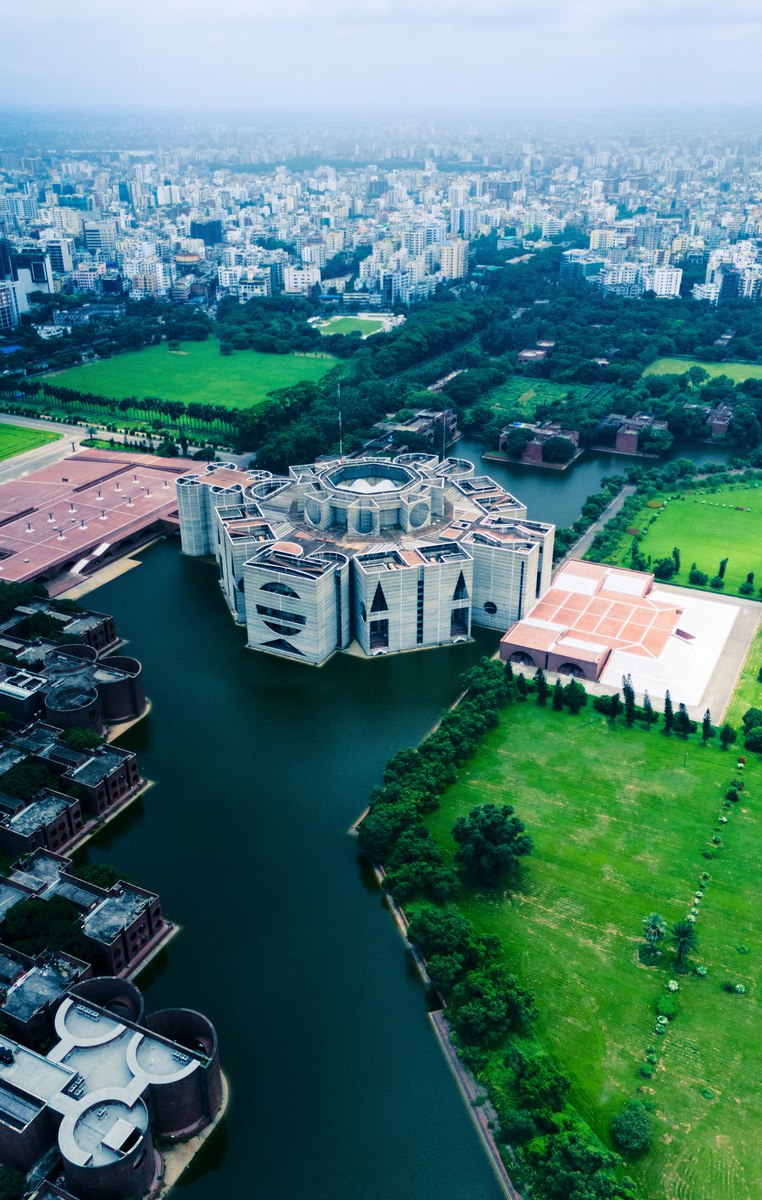
The lotus of Bangladesh.
Join the Fstoppers community for free
-
Post comments and join in the discussions
-
Browse the site ad-free
-
Share your work and get featured in the community
-
Compete in the photo contests for fun and prizes
More From Md. Arifuzzaman

The story of Kaptai lake.

Fountain of Joy.

The life of Mro family.

A tale of time.

The first light in Kashimpur.
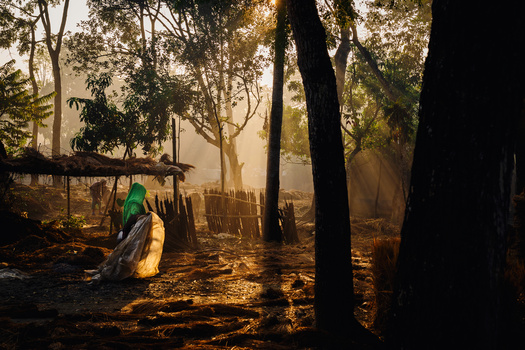
The story of Kian.

The call of the wild.
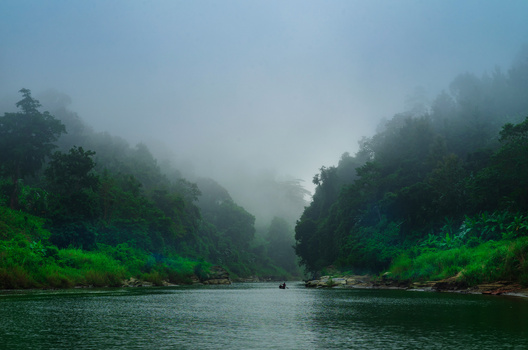
The song of Rakher upobash.
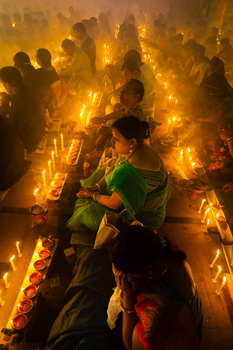
The scent of melancholic city.

The pineapple on cycle.
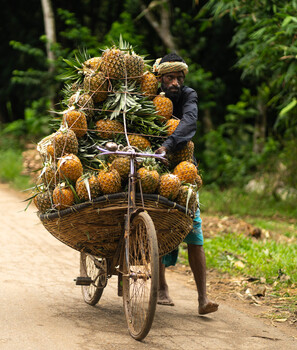
Echos of rural life.

The story of Rakibul.

The cityscape of Dubai.

The story of unsung chili women.

The spider on the train.

Where do you go Traveler?
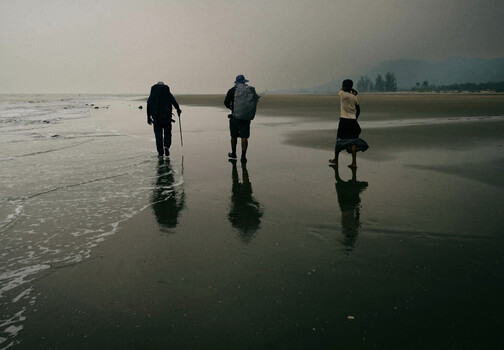
The night of Venice.

The celebration of Lalkach.
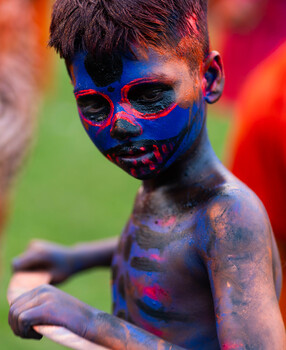
The song of Bangladesh.

Echoes of Rural Life.

The children of the longest beach.
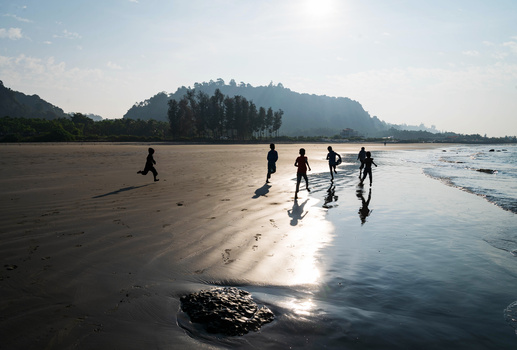
The smell of paradise.

The scent of winter.

Walk in to the light.

Love for the goat.

The festival of Lal Kach.

Chicken for sale.

The fairytale of Bangladesh.
The enchanting eyes of dry fishing girl.

The Song of the Road.

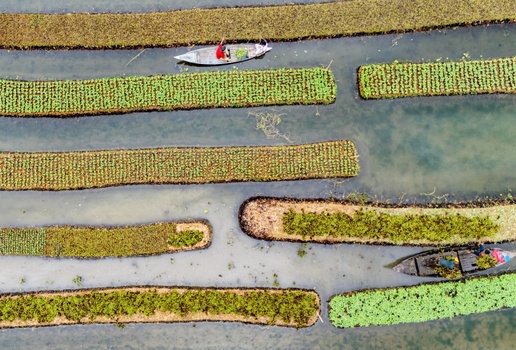
Floating garden: A centuries old heritage.
The song of fisthermen.

The Living Canvas of the Delta.

The mystic woman.

The first light in the cliche city.

Padeling into the fog.

The cold wave in Dhaka.

The scent of melancholic city.
The story of harvesting rice.

The story of wild date sap seller.

No comments yet