
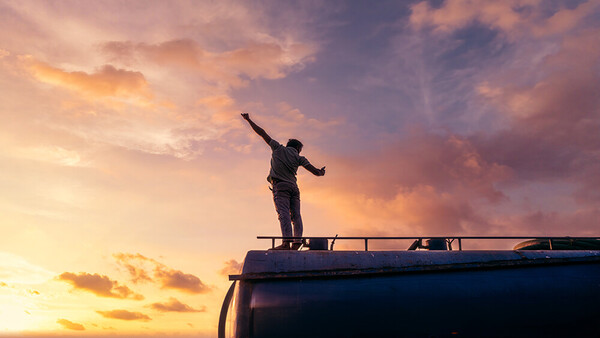
Two photographers. One has decades of experience and a full professional kit. The other is a tourist with an iPhone. On paper, no contest. But the tourist did the homework and found a better vantage point. The pro trusted experience and stayed put, confident that superior gear would carry the day in a space already crowded with photographers. In that moment, the advantage was not skill or gear. It was access.
The Advantage That Starts Before the Shutter Clicks
Camera companies have unintentionally trained photographers to equate performance with getting the shot. Marketing revolves around autofocus speed, high frame rates, low-light capability, dynamic range, and a growing list of features that suggest a fully loaded camera will deliver the hero image. The message is clear: more capability equals better results.
At the gear level, that logic seems self-evident. Better equipment should give one photographer an advantage over another with inferior tools. And in controlled situations, it often does. But that argument begins to fall apart in the real world.
Contrast the nosebleed section of a stadium with access to the photo pit, or even the stage. Backstage versus behind the barricade. Rooftop versus sidewalk. Embedded in a campaign versus observing from the press pool. All else being equal, the photographer with meaningful access starts with the advantage before a single setting is adjusted.
How Access Shapes Iconic Photographs
Some of the most recognizable photographs in history were shaped as much by access as by technical ability. When Neil Leifer photographed Muhammad Ali standing over Sonny Liston in 1965, he wasn’t in the stands. He was positioned ringside as a member of the press. As Leifer has said, “I happened to be in the right place at the right time.” That “place” was ringside access. Without it, the angle that defines the image does not exist.
Annie Leibovitz’s portrait of John Lennon curled around Yoko Ono was not made in a press scrum. It was created in a private setting built on trust. Lennon agreed to vulnerability because of that relationship. In a different context, the image would have been impossible. Access was not just physical proximity but emotional permission.
The same pattern repeats elsewhere. Joe Rosenthal was climbing Mount Suribachi with Marines when the flag was raised at Iwo Jima. Bill Eppridge was embedded with Robert F. Kennedy’s campaign when shots rang out in the Ambassador Hotel kitchen. Steve McCurry was inside a refugee camp when he encountered the young girl who would become known worldwide as the Afghan Girl. In each case, the photographer’s position determined the possibility of the image before exposure, focus, or composition ever entered the equation.
Access Is Not Reserved for the Elite
What does this mean for photographers without press credentials or celebrity clients?
Most of us don't have access built into our careers or within our spheres of photographic influence. We don't get press passes. We don't get ringside. We aren't embedded with troops in war zones. We don't get to hang out with high-profile celebrities.
But in a world where everybody has a camera in their pocket, I'd better pursue access ten times more than I'm sweating over the chore of polishing my Instagram feed. Otherwise, I'm just competing with everyone else for the same old shots.
Suppose I'm content with that, fine. But if I want to create stronger work, gaining access to spaces the general public can't get to, or may not even know exist, has to be part of the plan. That means making connections on photo walks, talking to local businesses and guides, asking questions instead of assuming the answer is no, and looking for another way in when the obvious route fails. Access is rarely accidental. I have to pursue it.
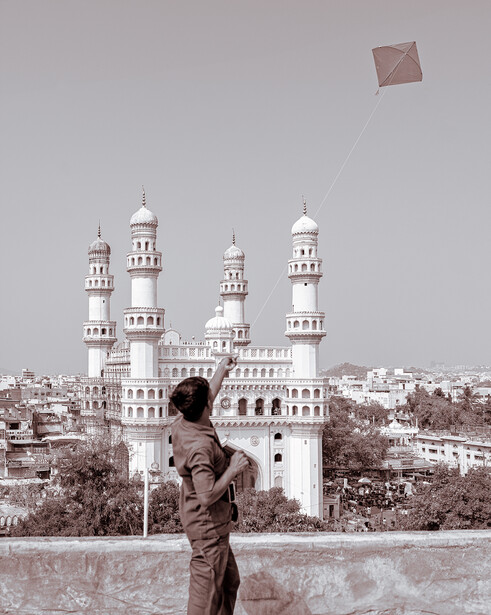
It may not be the world's best shot, but I can tell you that the image I made of the Charminar monument in Hyderabad did not come from the usual ground-level angle most photographers settle for. After noticing that nearly every photo online was taken from the same perspective, I started asking questions. A tea stall owner near the monument knew someone connected to a nearby construction site. One conversation led to another, and before long, I was climbing a rickety two-story ladder to the top of an unfinished structure where a couple of security guards were flying a kite. From that elevated position, the monument revealed a view few photographers had at the time. That perspective didn't come from credentials or superior gear. It came from initiative and the willingness to ask.
When Access Becomes the Deciding Advantage
At some point, skill levels out. Gear differences narrow. Experience overlaps. When that happens, the conversation shifts from capability to positioning. Who was allowed closer? Who asked the extra question? Who did the homework? Who was willing to climb the ladder?
Access does not replace craft. It amplifies it. The photographer who is prepared and positioned has the edge before the shutter is even pressed. I can upgrade my camera. I can refine my technique. But if I want to create work that stands apart, I have to think beyond settings and specifications. I have to think about where I am standing and whether I am willing to move. Because when everything else is equal, access decides.
Join the Fstoppers community for free
-
Post comments and join in the discussions
-
Browse the site ad-free
-
Share your work and get featured in the community
-
Compete in the photo contests for fun and prizes
2 Comments
This is exactly what I tell people in my event photography presentations. You can be the best photographer in the world, but if you don’t have access, you don’t have access.
I think if some of us (speaking from my own past experience and misplaced attention) focused on this aspect a lot more -- versus updating gear all the time, for example -- it would go a long way toward building a portfolio and networking.