
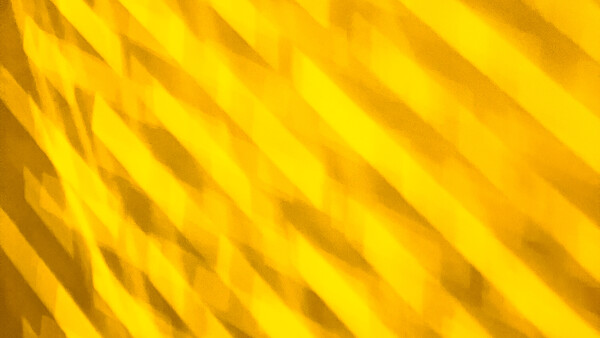
Spend enough time on Fstoppers and you'll notice a pattern. We talk about gear. I'm here to tell you one thing: gear isn't going to make you a better photographer.
If you're relying on expensive gear, it could even be holding you back. If you think a lens is going to do the job for you, you'll stop doing the job you're supposed to be doing.
I'm not interested in softening that opinion with caveats. In my experience, if you have a strong understanding of light, composition, and timing, the camera in your hand becomes secondary. If you're talented and creative enough, it doesn't matter if you're shooting with a decade-old camera and a basic kit lens or the latest and best tech.
Because tech has limits where creativity doesn't.
To be clear, my opinion on gear isn't coming from inexperience. I've been paying my mortgage for 12 years with a camera. When I first started, I was quick to say gear didn't matter. But that was mostly because I couldn't afford anything better. It was a defense. This isn't that.
I've been a professional photographer since I was nineteen, and over time I have become very aware that my gear has started to feel like a crutch. I shoot Sony a9 series with a 35mm lens as my "go-to," a setup that feels completely natural to me, and one I've come to rely on and enjoy greatly.
I decided to see what would happen if I took all that away.
The Experiment: Removing the Safety Net
I went out with just my iPhone SE (yep, a super old iPhone, not even the best phone camera out there) and treated it like a proper shoot. I went to my home city, Norwich. Norwich is famous for mustard and canaries. That already influenced my creativity, although subconsciously at that point. Think "yellow."
To give it structure, I'd set a constraint: I would only photograph "yellow." The color itself wasn't the point. It was a way to force myself to slow down, be selective, and produce a cohesive set of images at the session's end.
I approached things exactly as I would any professional work: considering composition, watching the light, and being deliberate about what I included (or didn't include) in the frame.
Part of this came from a question that sits in the background for a lot of working photographers: how much of your work is you, and how much is your gear? When you're used to fast lenses, reliable autofocus, and everything behaving predictably, it's easy to mistake that for normal, or even necessary in creative terms.
What Actually Changed
The main difference wasn't the camera; it was how I considered the scene.
With my usual setup, I already know how I want an image to look before I take it, and I choose the lens based on that. With a phone, that control largely disappears. You can't shape the image in the same way, so you're forced to work with what's already there.
That meant I moved more, simplified more, and paid closer attention to what was actually in the frame, rather than how I could shoot it.
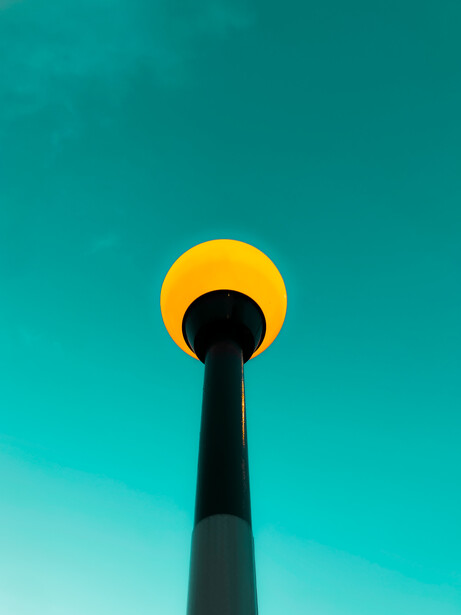
Because I was only photographing yellow, I stopped looking for obvious subjects. I wasn't photographing people or moments in the usual sense; I was looking for abstraction: paint, signs, shapes, anything where color and composition carried the image. As a "people" photographer, I really noticed this shoving me out of my comfort zone.
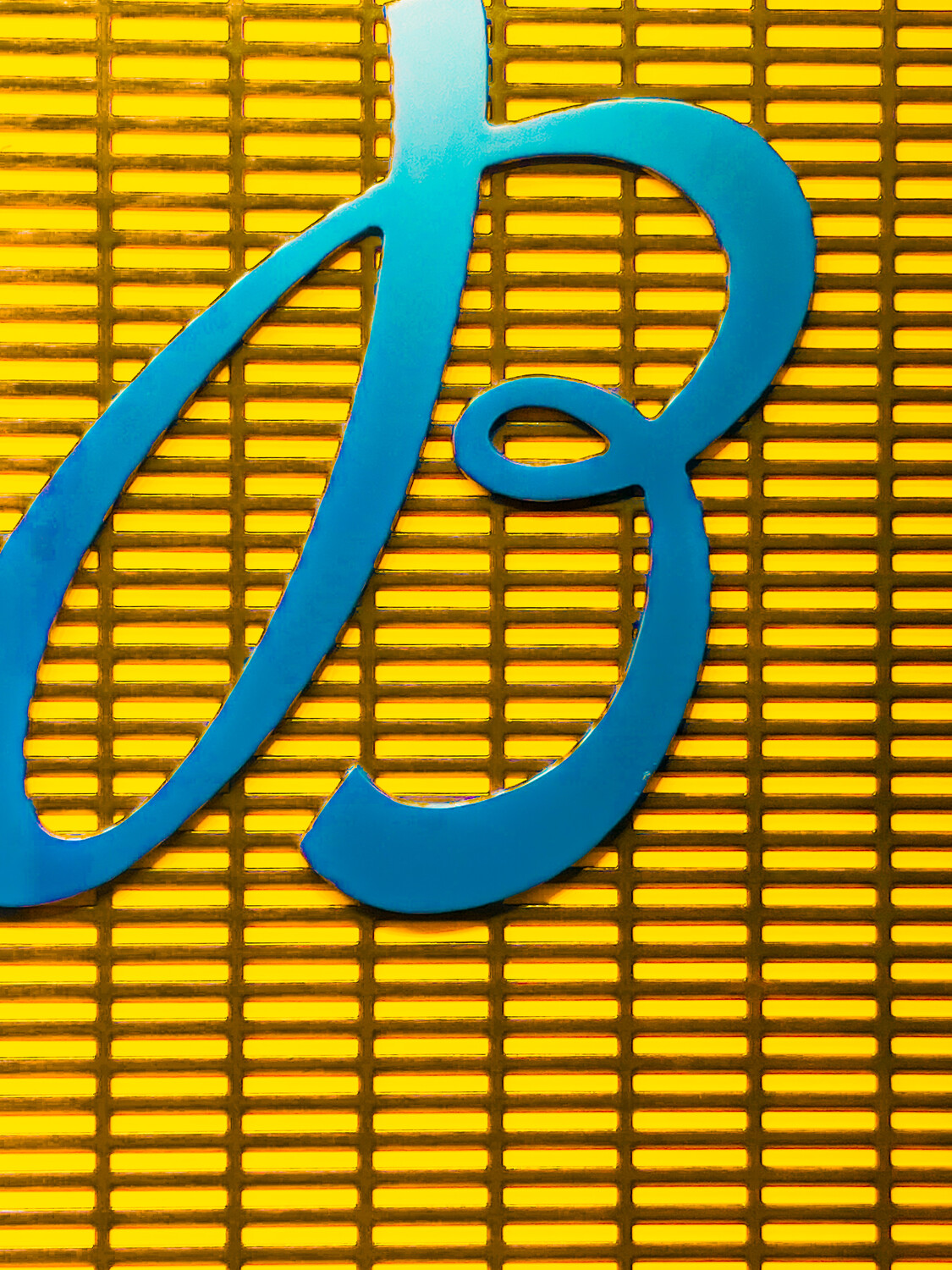
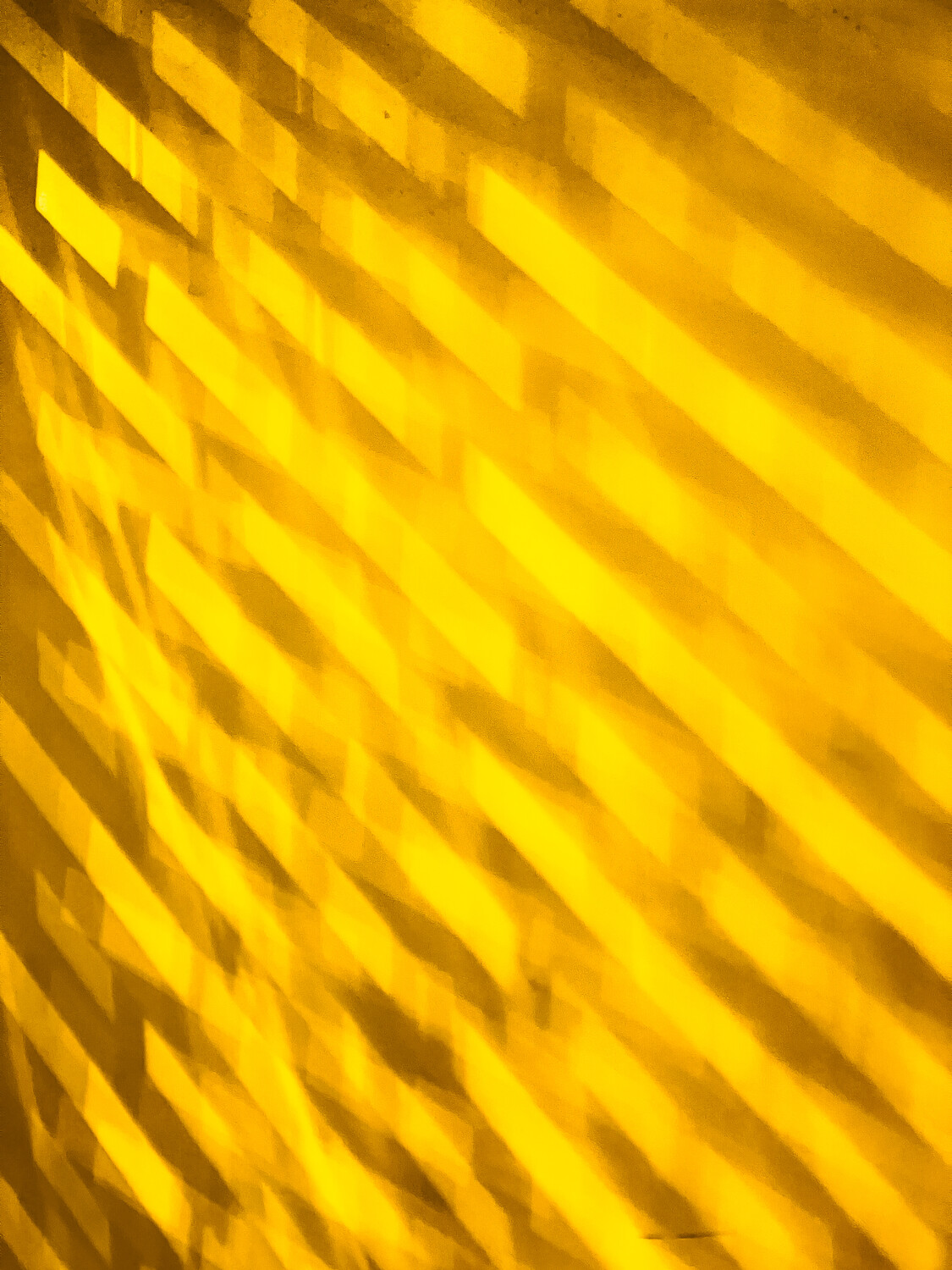
Some of the images ended up being almost entirely about color and shape: overlapping painted circles, peeling paint where texture became the subject, a yellow sign against a bright blue sky reduced to color and balance.
None of those images rely on depth of field or lens choice. They either work or they don't based on how they're composed.
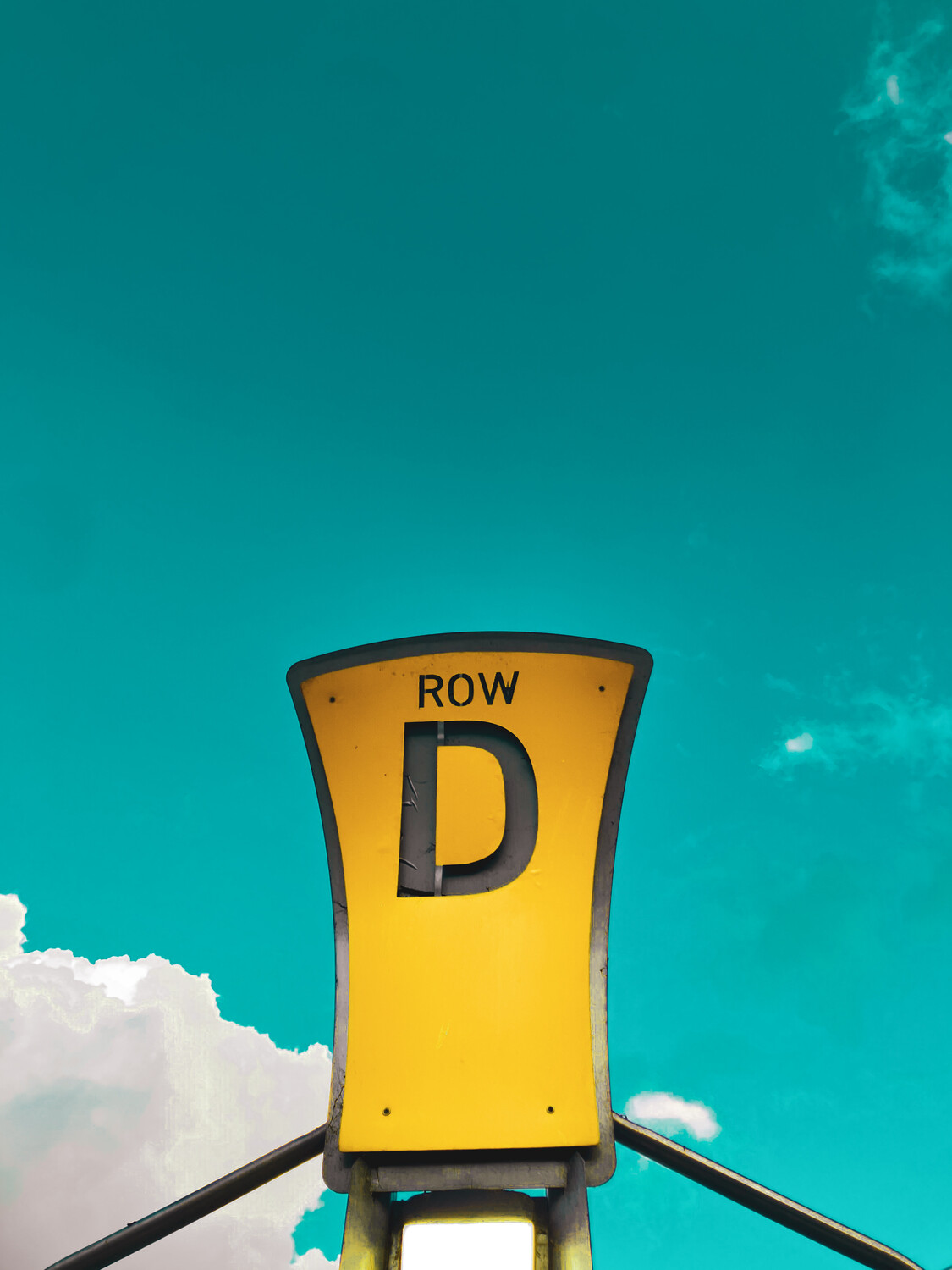
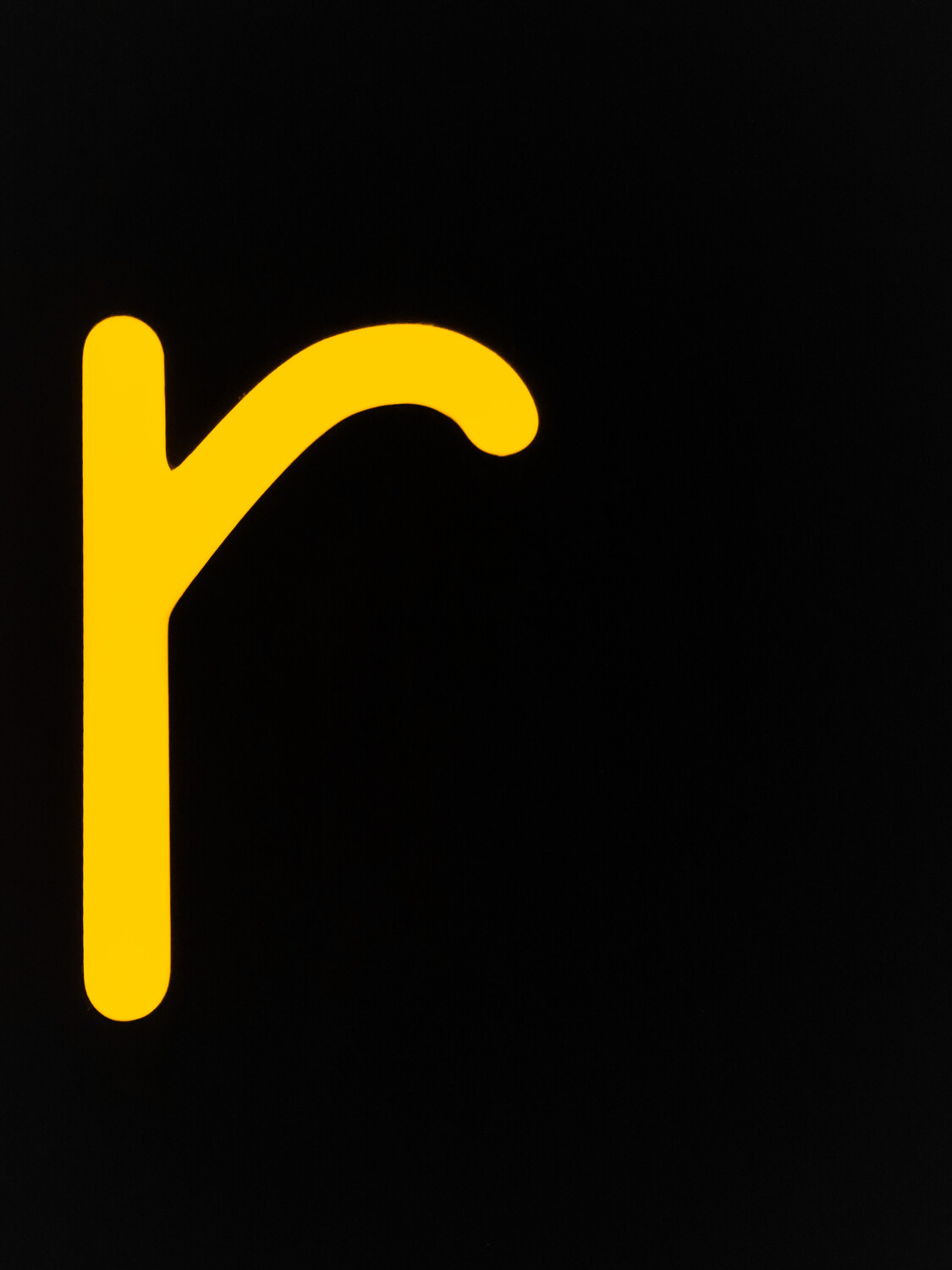
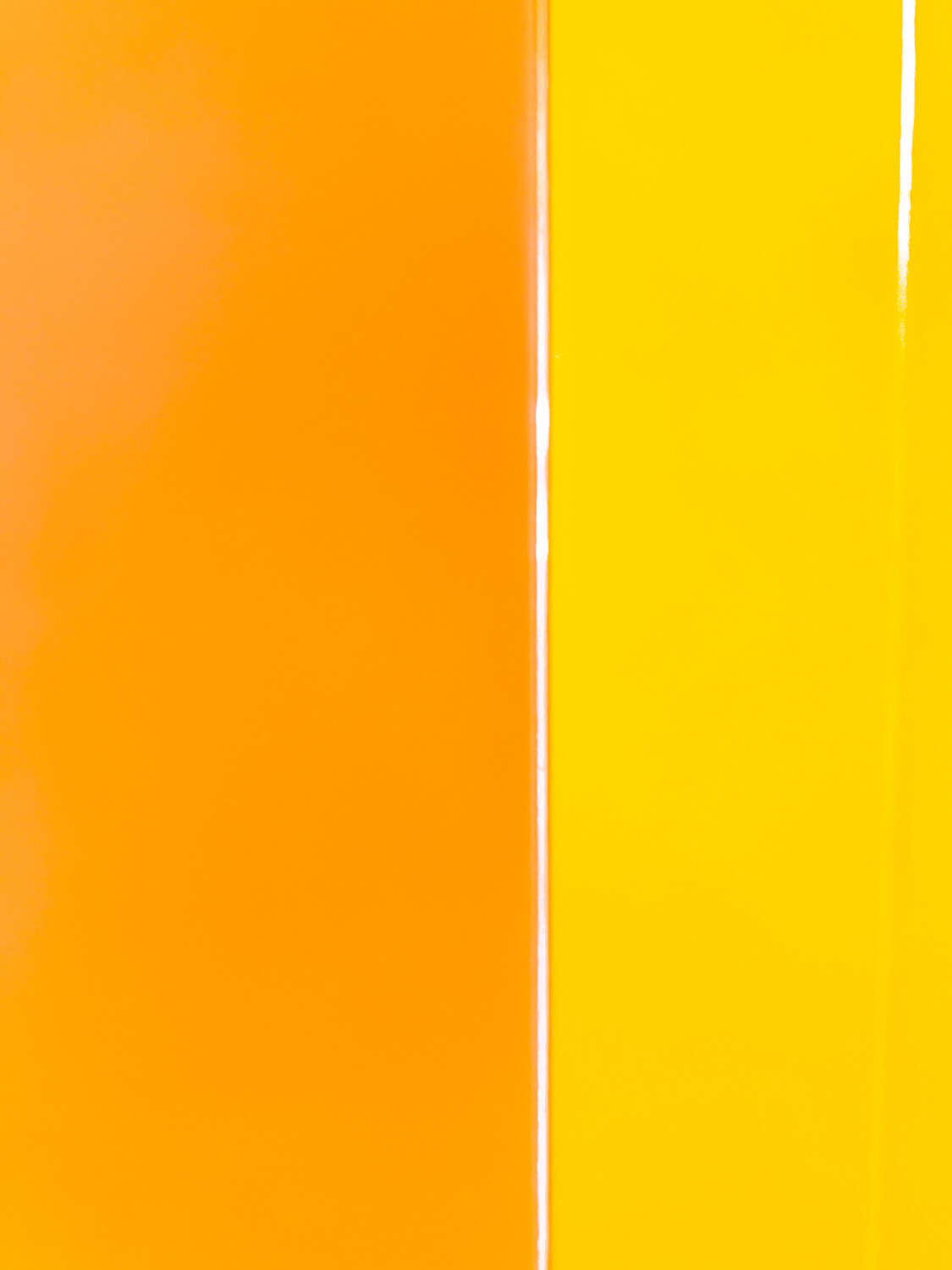
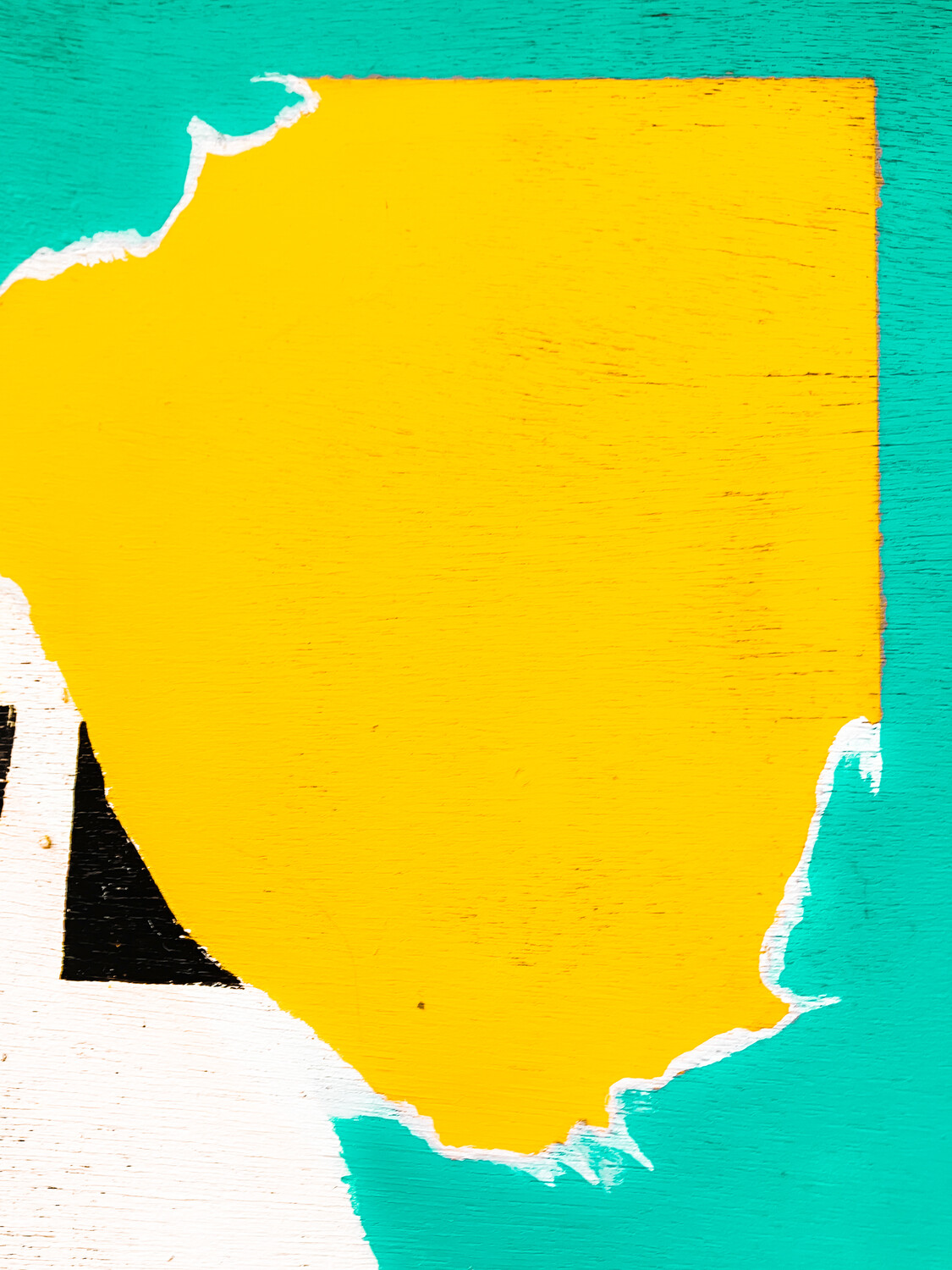
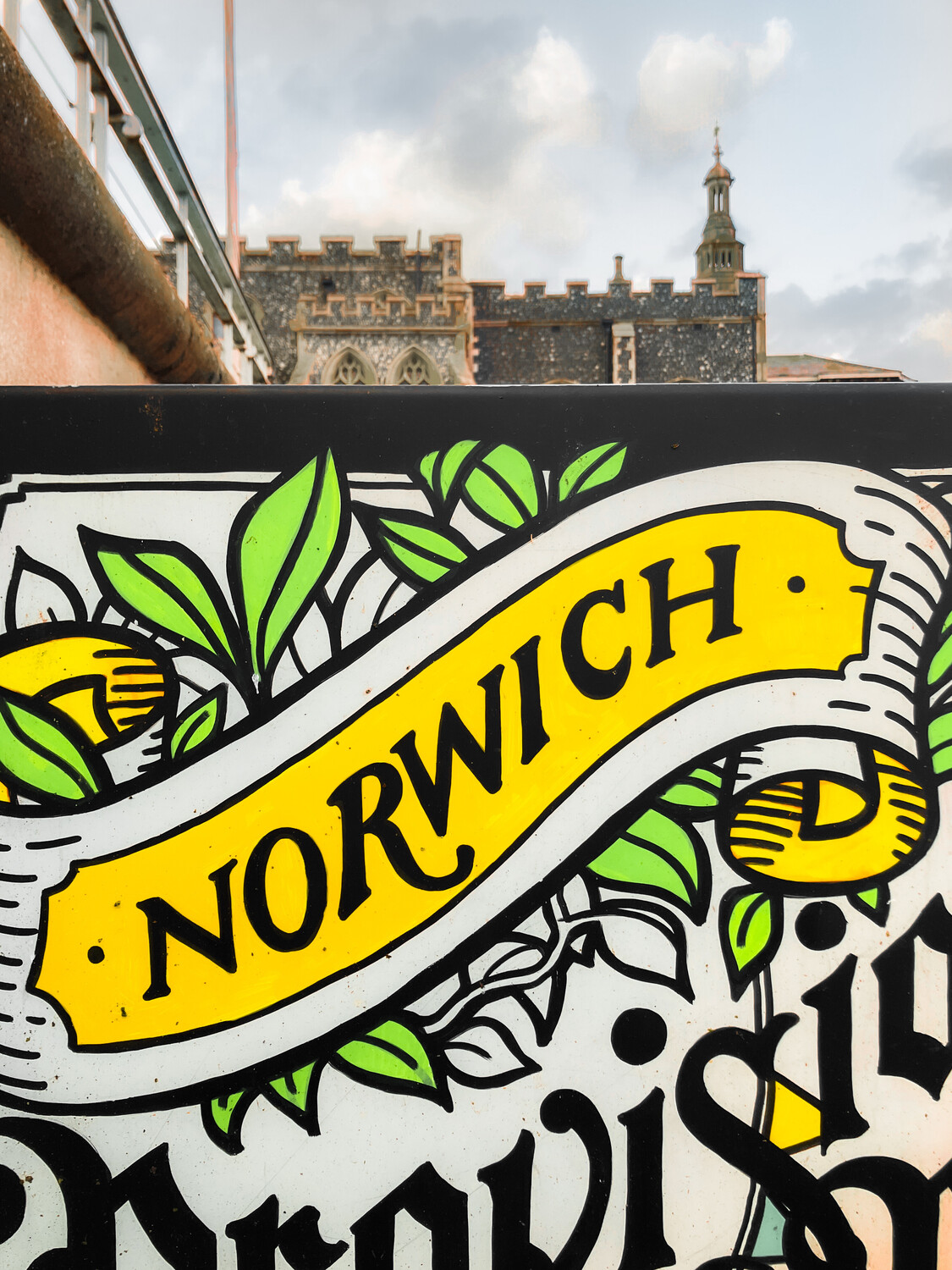
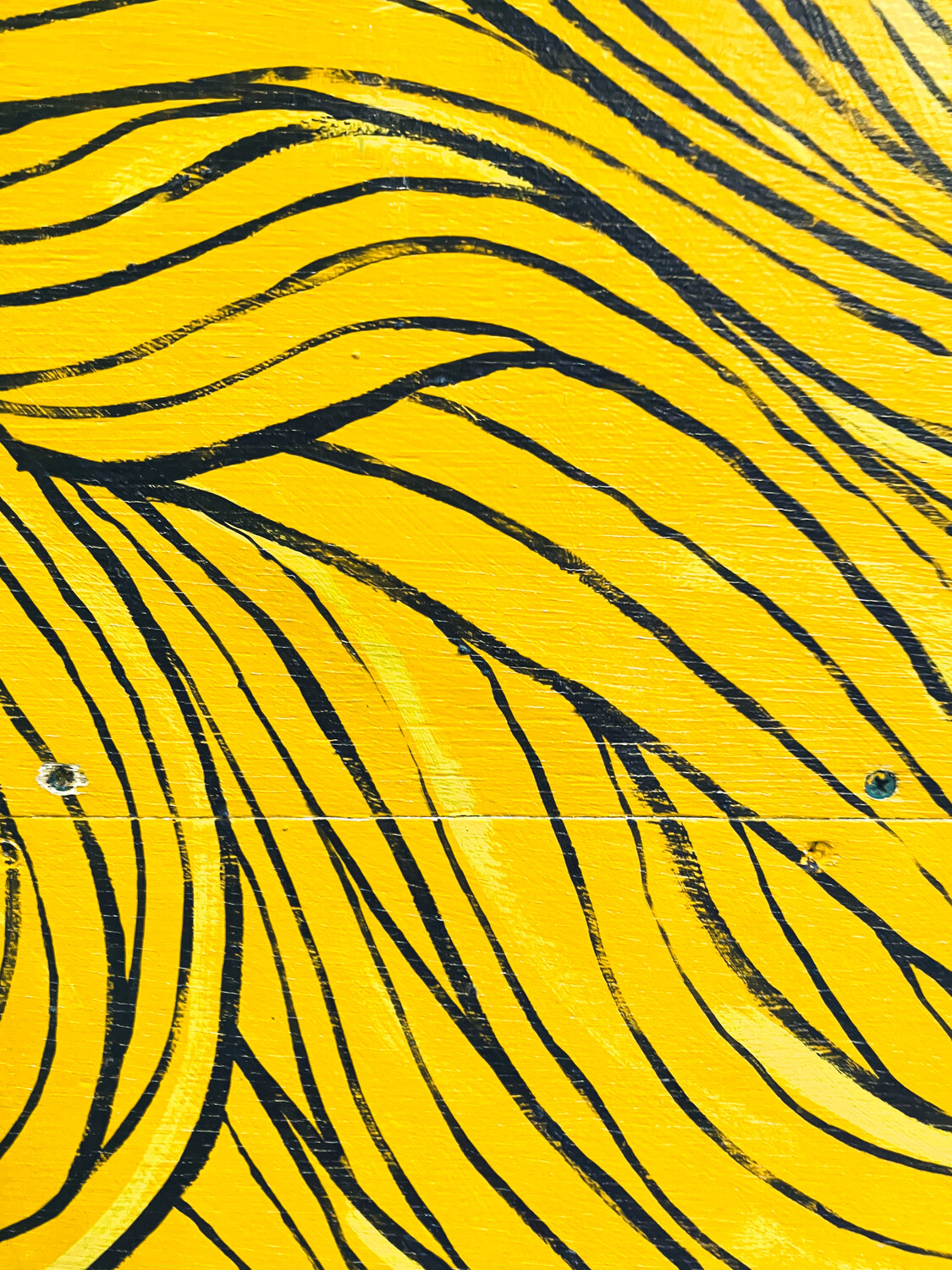
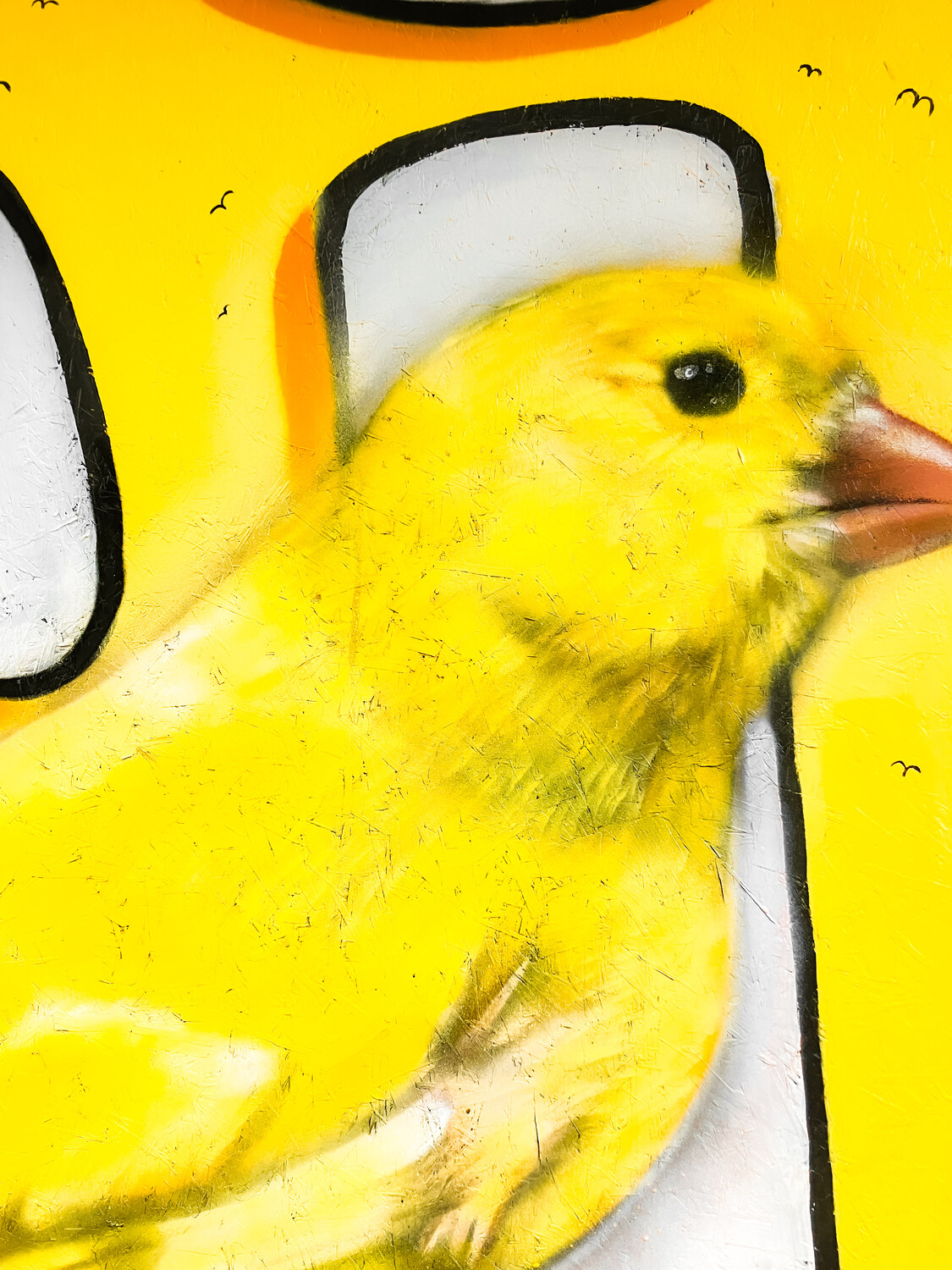
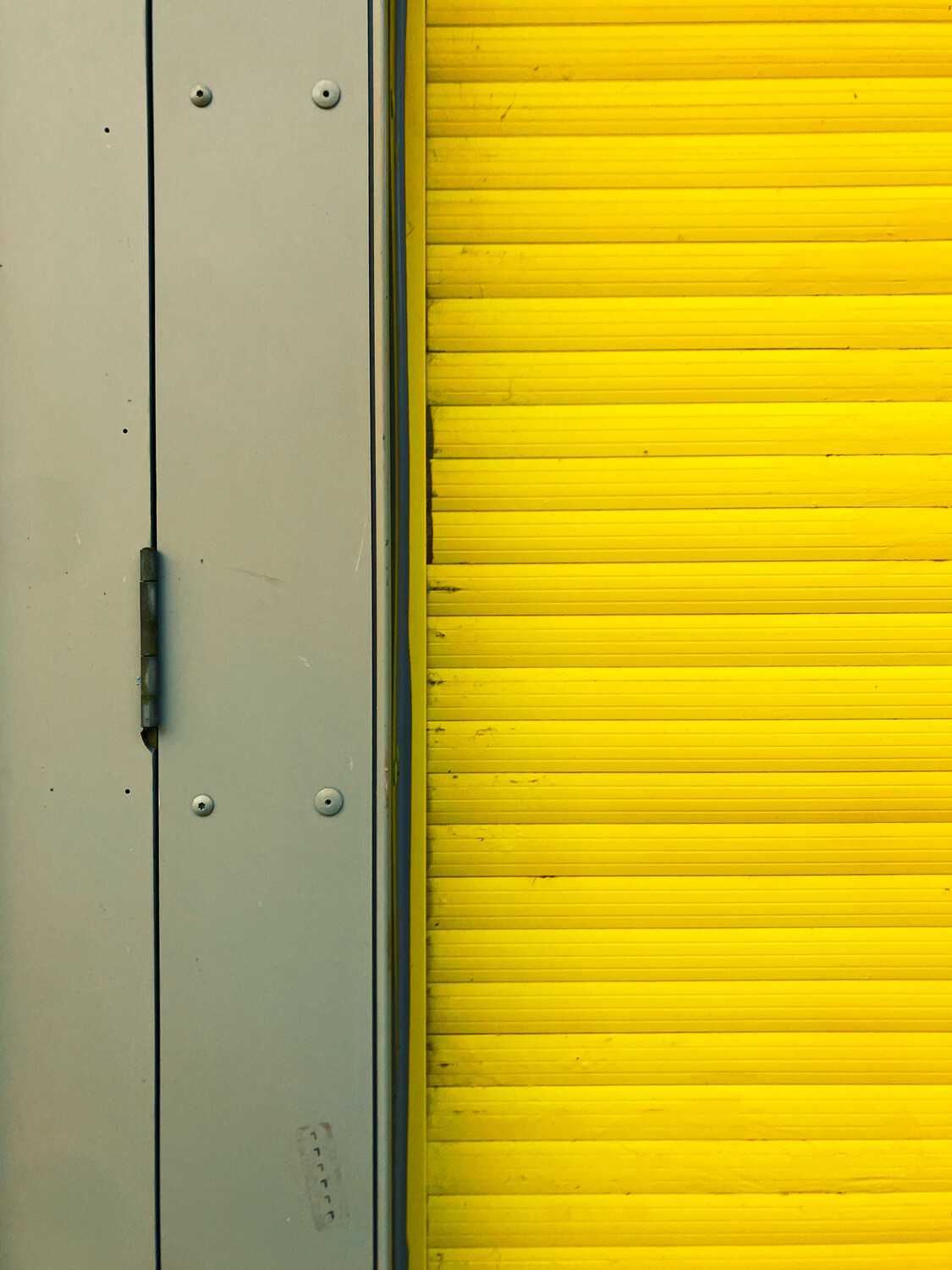
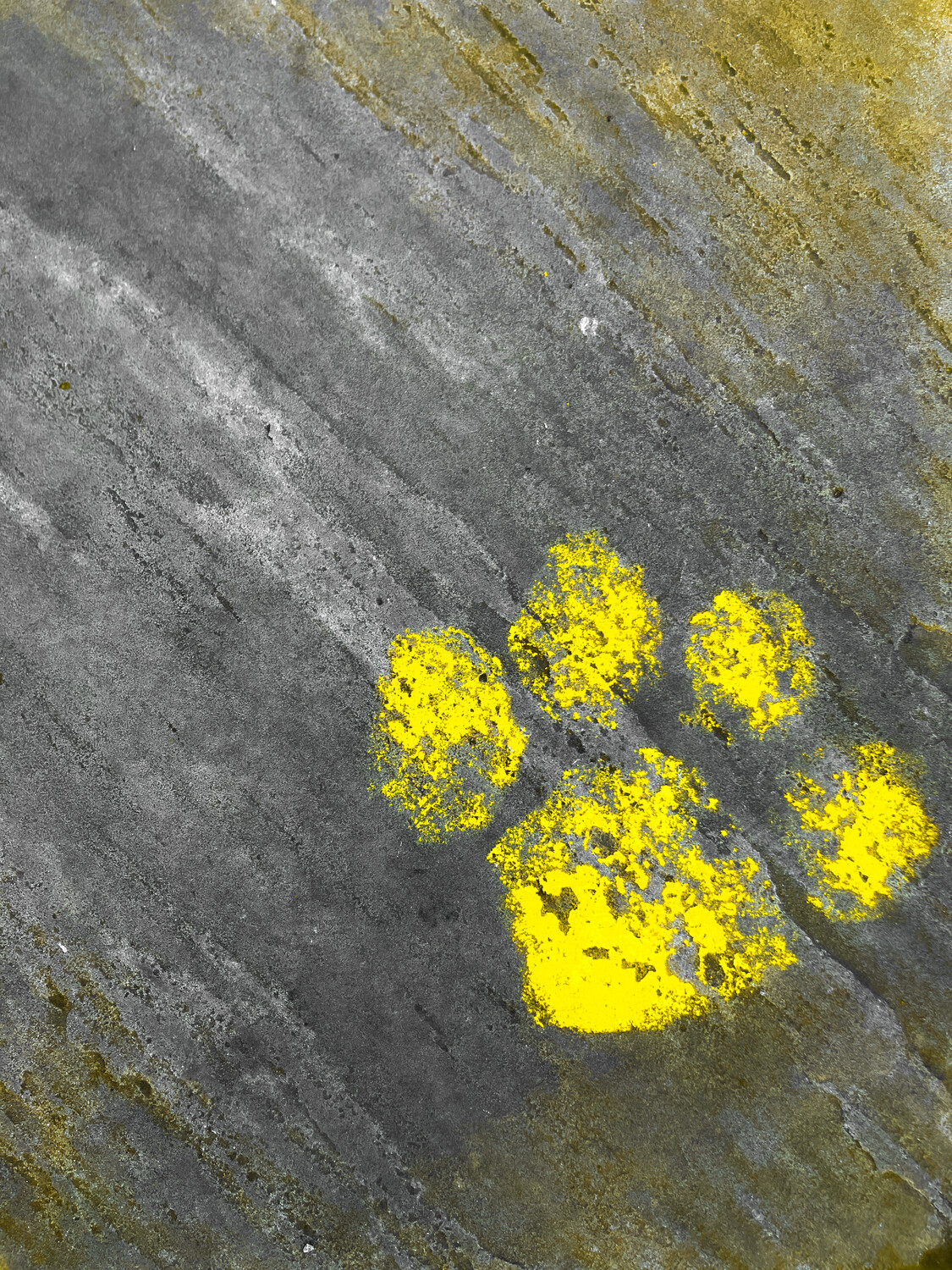
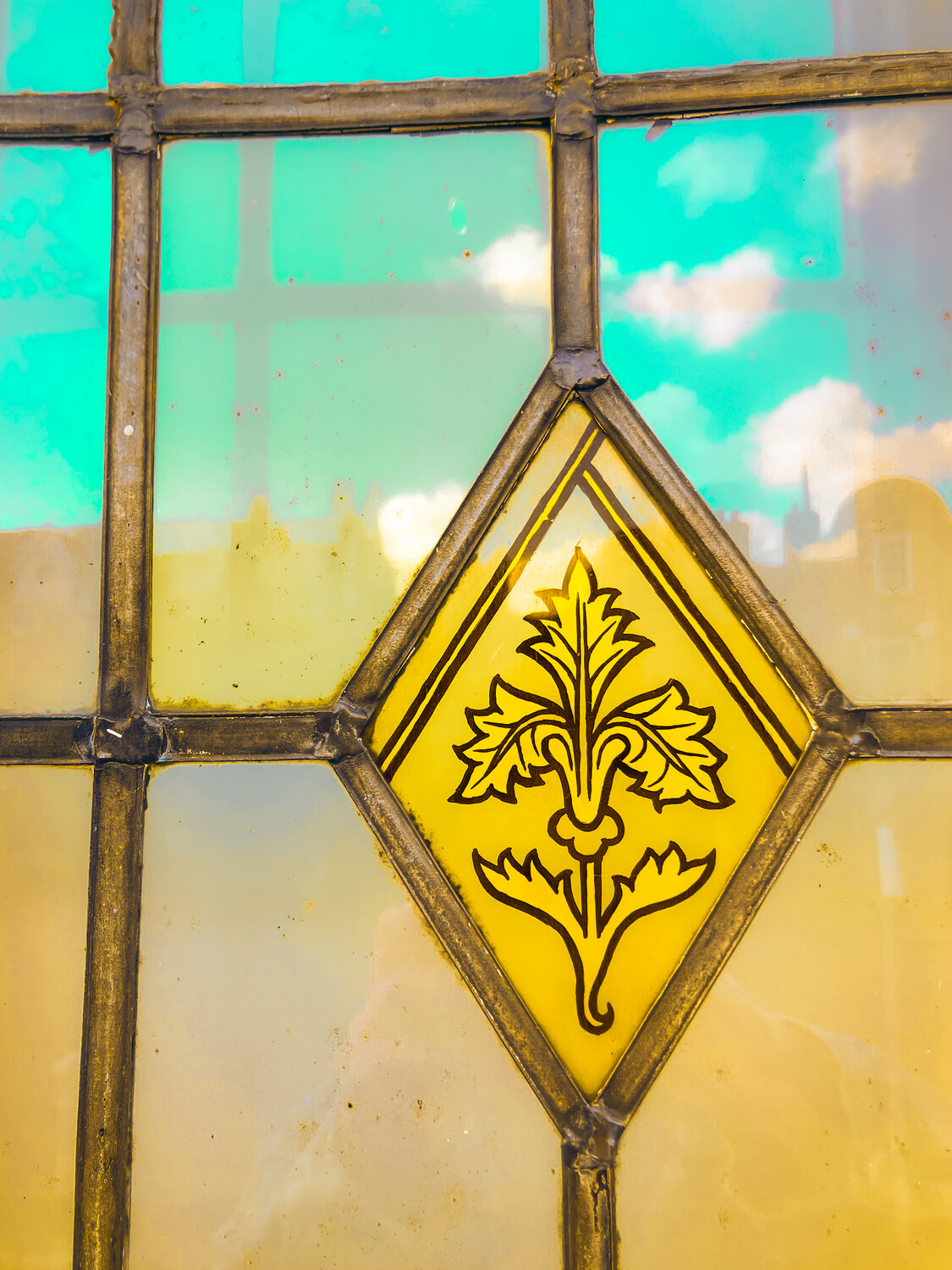
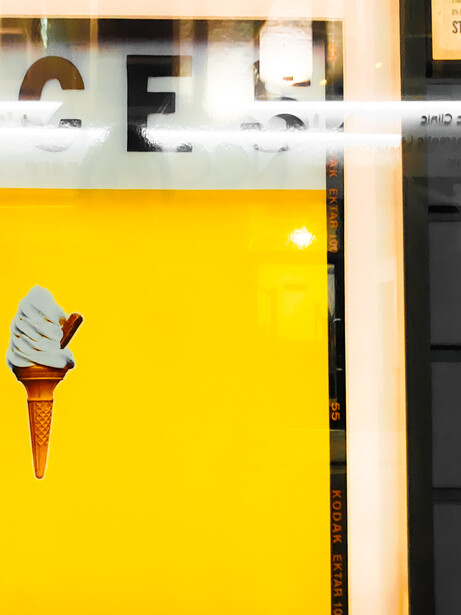
None of those images rely on depth of field or lens choice. They either work or they don’t based on how they’re composed.
What I Learned
One thing I was slightly worried about before doing this was that I wouldn't be able to produce work of my usual standard. That didn't happen.
I didn't feel like I missed shots, and I didn't feel like I couldn't make something work. It just required a different way of thinking to get there. That's sort of the point. Creativity can work around constraints.
That was the most useful part of the experiment. It confirmed that the important part isn't the camera; it's whether you can actually see something worth photographing in the first place.
Of course, there are limitations. A phone won't replace a professional camera in more demanding situations, and it doesn't give you the same level of control. But that was never the point.
The point is that cameras don't create the image. They just record it and make the process easier to execute. Using a phone strips that back. There's nothing to lean on. Either the image works or it doesn't.
Another thing that surprised me was how much of the final images came from editing.
Because the files from the phone were flat, I had to work on them more than I expected. I adjusted color and contrast and made sure the tones across the set felt consistent so the images worked together rather than individually.
What stood out was that the strength of the images still came down to what was already there. Editing helped refine them, but it didn't fix weak compositions or turn something uninteresting into something strong. You can't rely on editing to save a bad image.
If you're looking to broaden your creative eye across multiple disciplines, The Well-Rounded Photographer: 8 Instructors Teach 8 Genres of Photography is worth a look.
If anything, the edit process reinforced the creativity point. The decisions that matter most are made when you take the photo. Editing just brings those decisions forward; it doesn't replace them.
Where I’ve Landed
I think this is where a lot of photographers get stuck. Buying better gear feels like progress, but it doesn't fix the underlying problem if you're not making strong images in the first place.
I'm not about to replace my cameras with a phone, but I do think this kind of exercise is useful. It forces you to rely on your eye instead of your equipment, and that's where the real work, progress, and satisfaction happens.
My opinion still remains: gear doesn't matter as much as photographers think it does.
So, photographers, how much of your work is you, and how much is your gear? Will you put it to the test?
My opinion still remains: gear doesn’t matter as much as photographers think it does.
So, photographers, how much of your work is you, and how much is your gear? Will you put it to the test?


Join the Fstoppers community for free
-
Post comments and join in the discussions
-
Browse the site ad-free
-
Share your work and get featured in the community
-
Compete in the photo contests for fun and prizes
9 Comments
My work is 100% me and 100% my equipment.
I'm not 100% sure that's how percentages work but interesting take
As a non-professional, I stopped taking photos with my Nikon film cameras because of the cost and the fact that my photos mainly just sat in a box. For years, I just took photos with a point and shoot but over the years, I was disappointed that some of my best shots had such crappy quality. I finally wised up and bought a FF camera - thanks to the encouragement of a friend. It's nice to have some large, high quality photos up around my place.
Having many decades of experience, I'm pretty much at a point where it doesn't matter what the camera is. I can see a good quality photo with nice lighting and composition wherever I go. I do minimal editing and cropping.
Love this!
Thanks! :-)
It helps to use the right tool for the job. I have seen folks trying to shoot the flying portion of an air show with a phone, held vertically of course. Maybe they were shooting video, but stills of something at 300mph or more, I don't think so. A phone and an upper level ILC are the same tool at base level, but very different qualitatively. Gear can be a problem, but a large percentage is knowing how to get the best out of what is on hand.
This is kinda challenging, maybe we all need a bit of a challenge though! I love my gear, it cost me loads so I think I feels like it's the boss sometimes? But then I saw your photos here and it's really obvious that you can do beautiful things with ordinary tools - if you try to, want to and have the skills.
Nice article Lisa 👍 👏
Stripping out much of the tech, and even perhaps ditching colour, can provide a modern day mobile phone platform for taking photos, much the way it was 100 years ago, but without the bulk.
Bottom line, the photographer sees the image, not the tool that's being used to capture it, so at any level of experience we can all learn something from getting back to basics... if we're brave enough to try it 😉
Thank you! I have to admit, I was a bit nervous going into this challenge. I'm glad I did it, though!