The garment industry in Bangladesh has long balanced on a thin line between progress and exploitation. It sustains millions of workers while feeding the global appetite for low-cost fashion, but it also hides deep inequality and danger for those inside the factories. Justin Mott’s latest assignment exposes this uneasy truth, showing what it really takes to tell these stories honestly and responsibly.
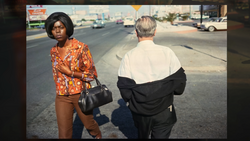
Coming to you from Justin Mott, this thoughtful video takes you behind the scenes of a New York Times cover story in Bangladesh. Mott explains the difficulty of earning access to such sensitive environments—where protests, police crackdowns, and fear shape daily life. For him, photography isn’t about chasing pretty images. It’s about fairness, objectivity, and accuracy. He talks about building a narrative frame by frame, focusing on details that reveal life both inside factories and in the surrounding villages. Each photo has to reflect truth without distortion. It’s not enough to find a striking image. It has to serve the story, even when that means discarding something visually stunning because it isn’t factual.
Mott shows how light and composition become moral choices. When photographing a worker whose life was threatened for speaking up, he leaned into shadow to reflect fear and uncertainty. The light itself becomes part of the narrative, revealing the psychological weight of exploitation. In another portrait, a community leader’s faith takes center stage. By showing him in prayer, surrounded by others, Mott builds a picture of dignity and purpose. These decisions aren’t aesthetic games. They’re acts of translation, converting lived experience into visual truth. He insists that accuracy isn’t negotiable. If a location doesn’t match the story’s tone, he won’t fake it. Many do. He refuses.
The challenges go far beyond the camera. Immigration officers interrogated him on arrival, suspicious of a foreigner with professional gear. Factories shut doors in his face. One subject was literally hiding from the police. Mott had to find him without drawing attention, a task that required persistence and risk. His fixer was inexperienced, which complicated everything. But Mott kept pushing until he found access. As he puts it, editors don’t care about excuses; they want results. Every “no” eventually leads to a “yes,” but only if you keep asking. That relentlessness defines investigative photojournalism as much as any lens or lighting setup ever could.
By the end of the story, Mott captures a set of images that show both struggle and resilience. Workers fight for dignity while trapped in an economy that depends on their exploitation. The result isn’t just a collection of photos. It’s a record of courage and contradiction. Mott’s process reminds you that truth in photojournalism isn’t something stumbled upon; it’s built, questioned, and fought for in every frame. Check out the video above for the full rundown from Mott, and be sure to stop by his site for more.




Join the Fstoppers community for free
-
Post comments and join in the discussions
-
Browse the site ad-free
-
Share your work and get featured in the community
-
Compete in the photo contests for fun and prizes
No comments yet