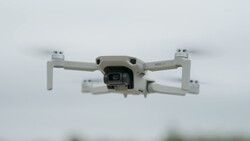
A palm-size drone with a 1-inch sensor and true vertical shooting changes how you handle travel, action, and social clips. Longer flight time, faster tracking, and safer low-light obstacle sensing hit real pain points when you want clean footage without babysitting settings.
Coming to you from Gene Nagata of Potato Jet, this hands-on video puts the DJI Mini 5 Pro through real scenes and quick comparisons. You see 4K up to 120 frames per second, a bump in dynamic range in tough backlight, and obstacle avoidance that works in darker conditions thanks to a forward LiDAR unit. The gimbal rotates for true vertical so you do not throw away pixels to a crop, and it can tilt upward without catching props. It is a sponsored video, which Nagata discloses up front, yet the walkthrough still focuses on flight behavior, image quality, and safety systems rather than hype, giving you a good overview of what to expect.
The first round of tests shows upgraded ActiveTrack that follows at higher speeds without the twitchiness you might expect in sideways moves. Nagata uses box framing and then lets the drone recompose with tilt and yaw so subjects sit center or in a corner, which makes tracking shots look planned instead of automated. The Mini 5 Pro weaves through branches in bypass mode while maintaining speed, and in normal mode it brakes earlier because it sees obstacles farther out. True vertical rotates the whole camera assembly instead of cropping, which keeps detail when you need a clean vertical master.
Key Specs
-
Sensor: 1-inch, 50 MP
-
Video: 4K60p HDR with up to 14 stops claimed; slow motion at 4K/120
-
Color: 10-bit H.265, D-Log M and HLG options with maximum ISO 3,200 in log modes, up to 12,800 in standard
-
Gimbal: 225° roll rotation with QuickShot Rotate, Timelapse, Spotlight, Waypoint Flight
-
Focus/Tracking: Upgraded ActiveTrack 360° with scenario modes
-
Obstacle Sensing: Forward LiDAR plus multi-direction vision sensors for nightscape omnidirectional sensing
-
Flight Time: Up to 36 minutes with Intelligent Flight Battery
-
Navigation: L1 + L5 dual-band GNSS and non-GNSS return-to-home using memorized routes in adequate light
-
Storage: 42 GB internal, microSD support
-
Controller: RC 2 compatibility
Battery behavior gets a real-world look by flying down to low percentages and comparing against a Mini 4 Pro, which highlights the extended usable time before forced landing. The LiDAR-based nightscape sensing keeps avoidance active after the older model flags low ambient light, which reduces those “land now” warnings when the sun drops behind the ridge. Normal mode feels faster because omnidirectional sensing gives the flight computer more margin to plan deceleration, and sport mode hits higher top speed with avoidance disabled so you keep your head up. The 48mm medium telephoto option is an in-camera crop rather than a second lens, yet it looks cleaner than a post zoom from the wide angle master.
Image quality is the quiet upgrade, and you catch it when Nagata places the feed next to a Sony FX3 for reference. Backlit scenes hold shadow detail better than the previous generation, and sharpening looks less brittle at 1:1. Internal 42 GB storage saves a shoot when you forget a card, and the clip-on ND design speeds swaps without twisting the gimbal assembly. RC 2 and RC Pro 2 options give you different screen brightness and ergonomics without changing flight behavior. Check out the video above for the full rundown from Nagata.


Join the Fstoppers community for free
-
Post comments and join in the discussions
-
Browse the site ad-free
-
Share your work and get featured in the community
-
Compete in the photo contests for fun and prizes
1 Comment
Too bad it won't be sold in the US. Looks perfect for me.